
Last updated November 15, 2026
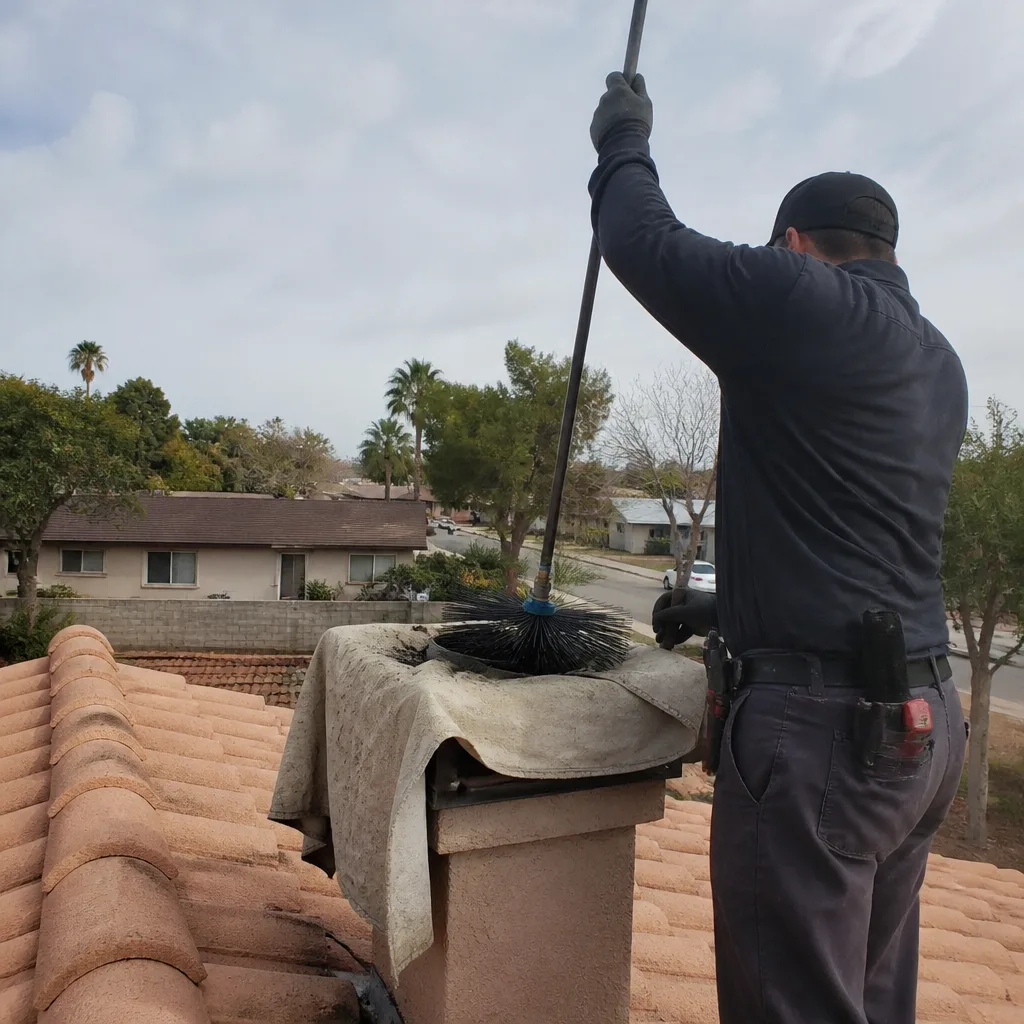
 Sweep & inspection
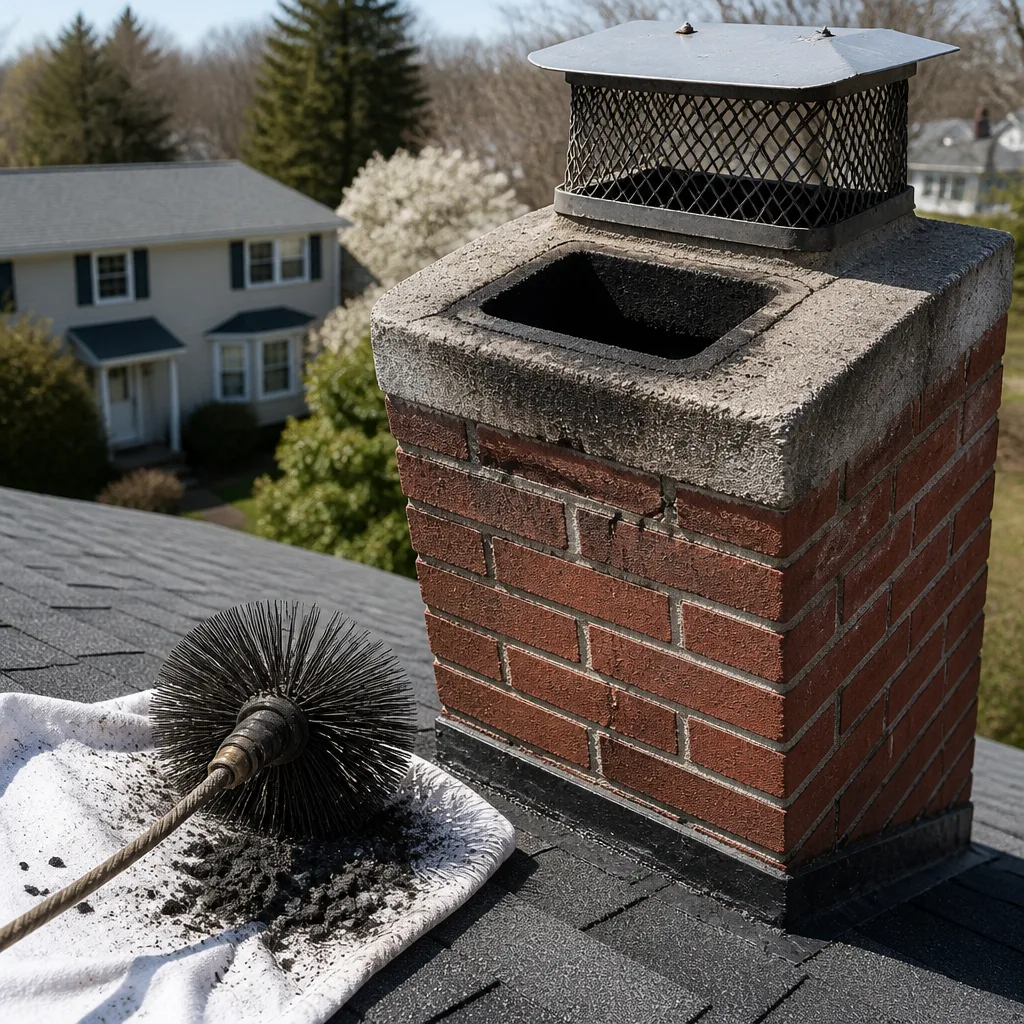
 Caps & crowns
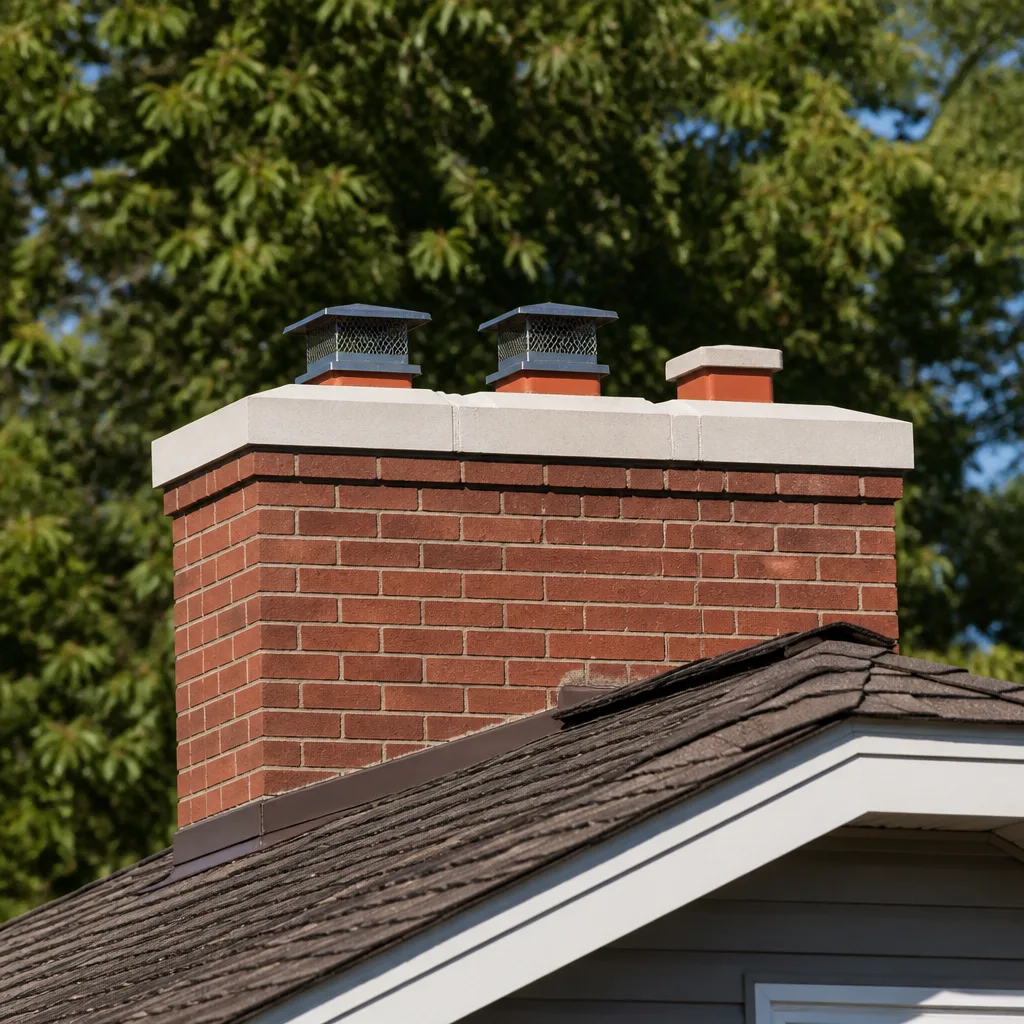
 Flue relining
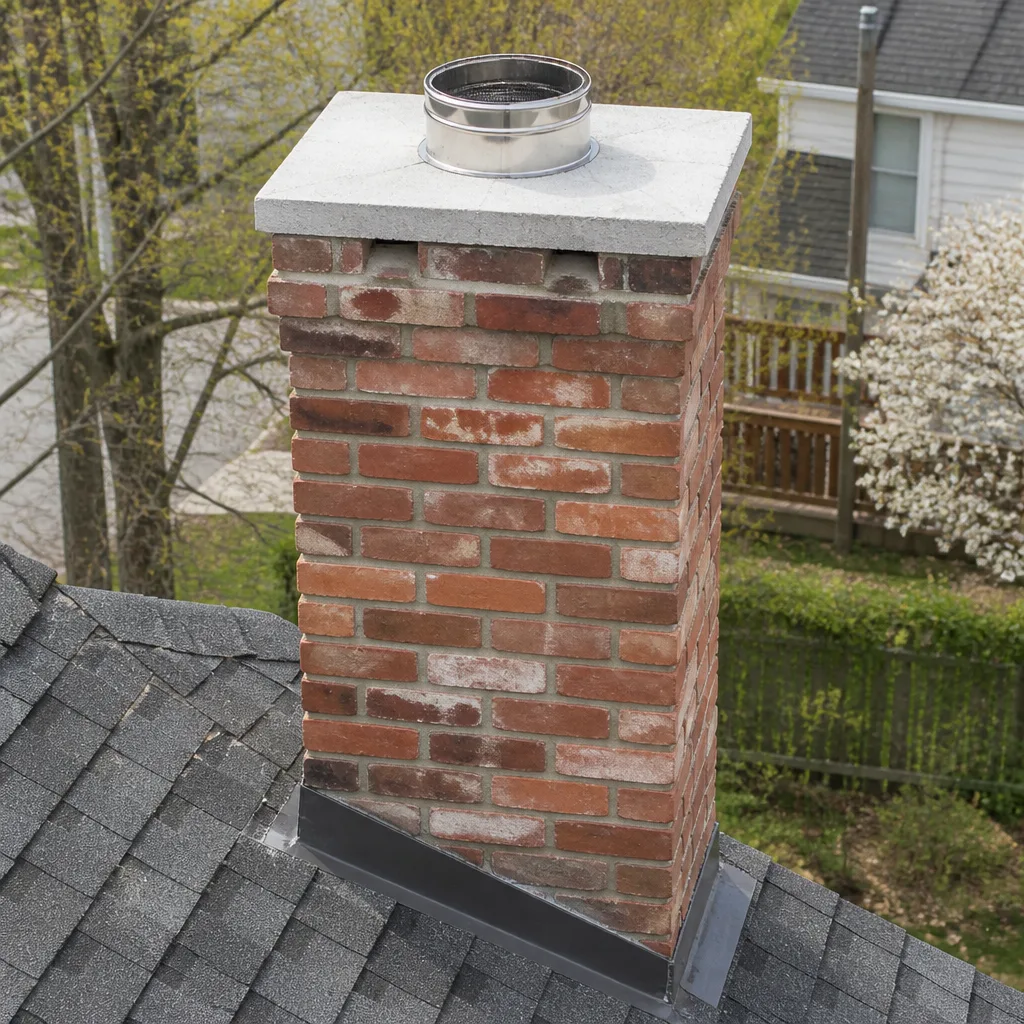
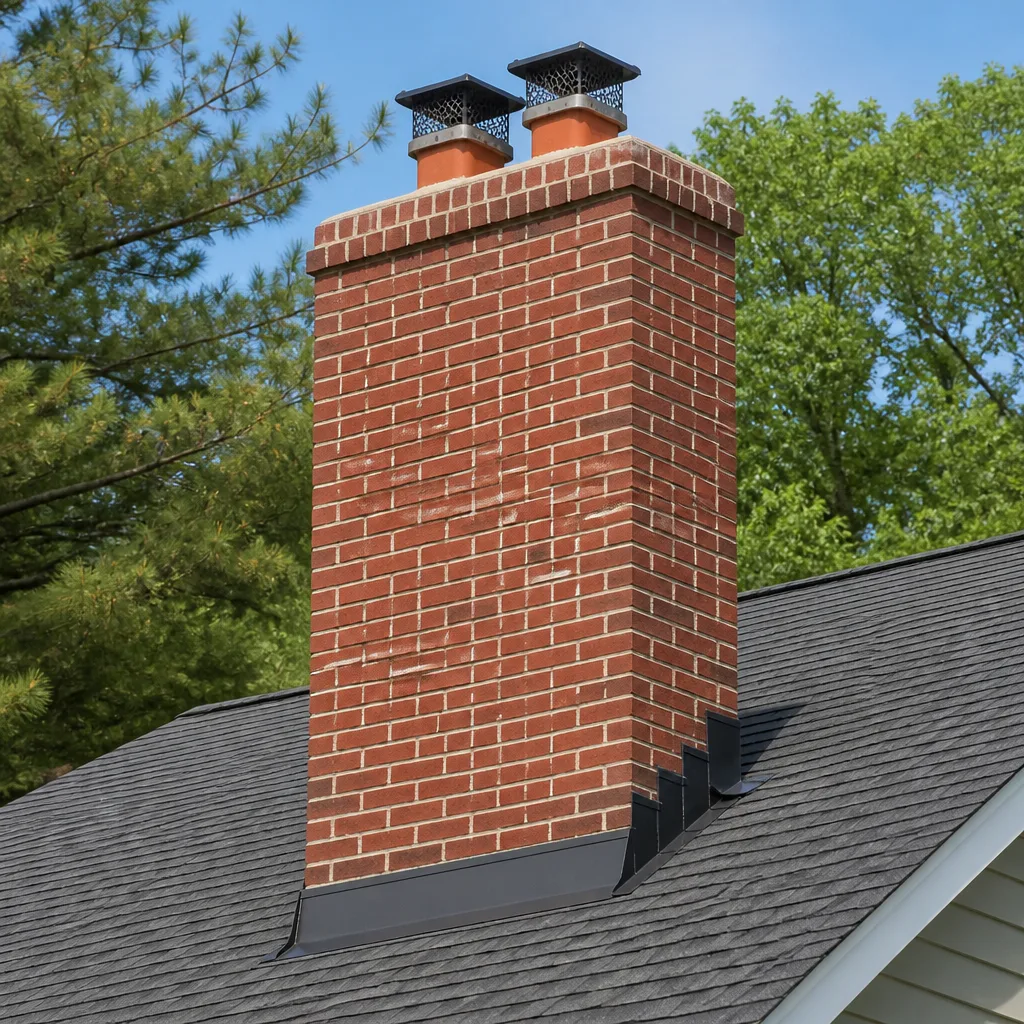 Masonry repair
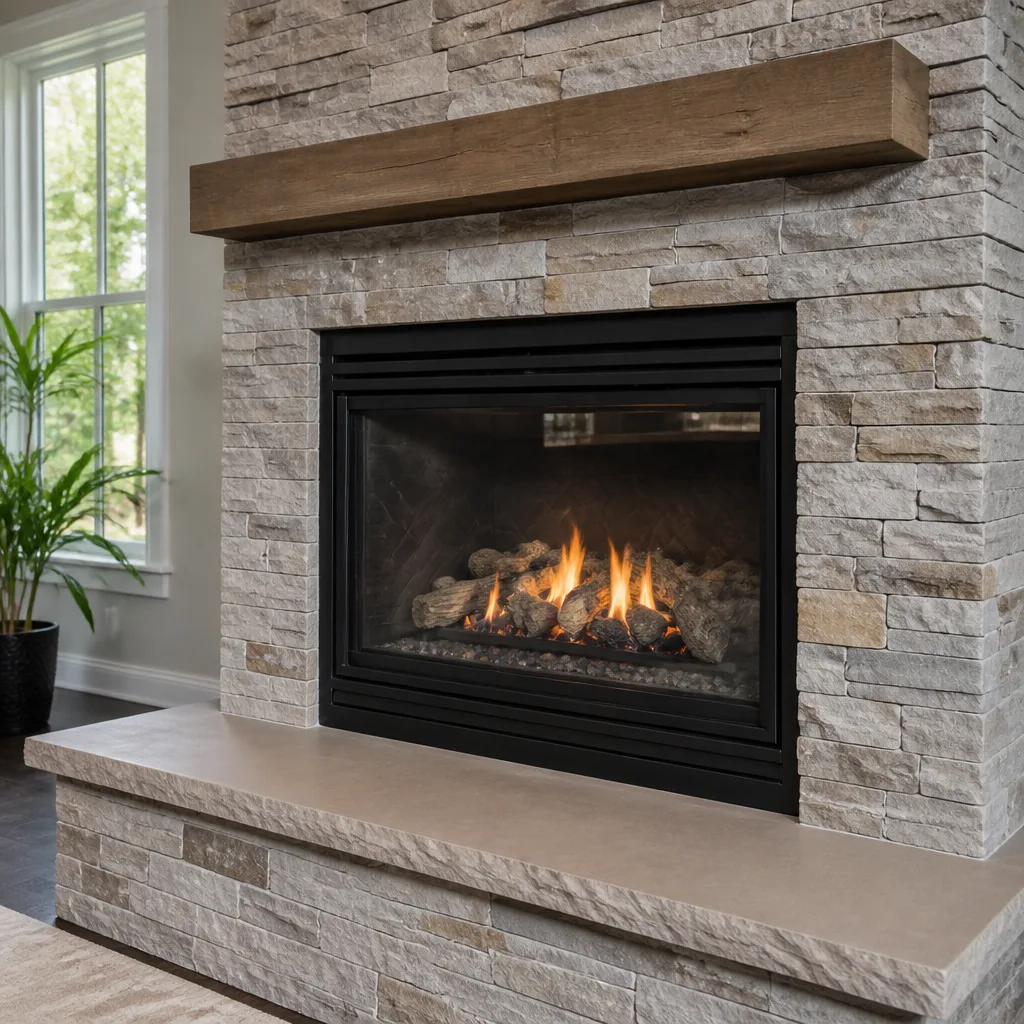 Gas fireplace service
Level 1 sweep and inspection to the NFPA 211 annual standard - flue, crown, cap, and flashing checked and photographed
Chimney sweep logs do not sweep chimneys. They loosen some creosote - which then falls where a brush and vacuum still have to collect it.
Choosing the Right Chimney Cleaning Brand: A Buyer’s Guide for Tempe
Most homeowners judge a chimney quote by the number at the bottom. That’s backwards. The material a contractor specifies matters more than the labor hours, because the liner, cap, damper, and sealant are what actually sit inside your system for the next twenty years, holding back heat, creosote, water, and wildlife. A quote that names HeatShield or a DuraFlex liner tells you something a quote for “a new liner” never will. In this guide we explain how to read a chimney quote in Tempe and how to tell a genuine professional component from a generic substitute, so you can evaluate the parts as carefully as the company installing them.
Quick Answer
The right chimney cleaning brand is the one that specifies named, purpose-built components for each part of your system and can show you the product documentation behind them. In Tempe, that means a stainless liner system rated for your appliance, a cap sized and gauged for wind and dust, a damper that keeps out wildlife and grit, and a sealant or crown coating built for thermal cycling in desert heat. Labor gets a day of attention. The components stay with the house.
Styles & brands we work with
- Sweep & inspection
- Caps & crowns
- Flue relining
- Masonry repair
- Gas fireplace service
Table of Contents
- Why the Materials Matter More Than the Labor
- The Major Liner Systems in Arizona and How They Compare
- Caps and Spark Arrestors: Gauge, Mesh, and Desert Wind
- Damper Systems: Top-Mount vs. Throat-Mount
- Sealants and Crown Coatings in a Thermal-Cycling Climate
- How to Verify a Contractor Uses the Specified Brand
- Where Cleaning Stops and Repair Begins
- Questions to Ask Before You Sign
Why the Materials Matter More Than the Labor
A chimney sweep is mostly labor: brush, vacuum, and remove creosote. A chimney repair is mostly material. When someone quotes you a liner replacement, the cost splits roughly into the labor to install and the liner system itself, and the two are not interchangeable across brands. The liner is a listed product with a tested temperature rating, a wall thickness, and a warranty. Labor is a skill applied on a given day. You can inspect both, but only one leaves a paper trail you can check years from now.
That distinction matters most on repairs, and repairs are where a cheap quote hides a cheap part. In our experience the failure pattern is consistent: a generic or improvised liner fails at the seams or the connection, and the homeowner pays twice. A listed stainless system from a recognized brand fails far less often, and when it does the warranty is real.
Here’s the practical test. A written quote for a chimney repair in Tempe should name the liner system, the cap brand, the damper type, and the sealant or coating. A quote that says “new liner” or “new cap” without naming the product is asking you to trust a category instead of a specification. That’s a reasonable thing to push back on before work begins.
This is why we source from six recognized professional chimney brands instead of grabbing whatever the hardware store stocks. DuraFlex for flexible liner systems, HeatShield for flue resurfacing, and Gelco, Famco, Olympia Chimney, and Copperfield for caps, covers, and accessories. Naming them isn’t brand loyalty for its own sake. It’s the only way to guarantee the component in your chimney is the one the quote described.
The Major Liner Systems in Arizona and How They Compare
Chimney liners fall into three broad families, and the right one depends on the appliance, the flue condition, and how much you want to spend. Wood-burning and gas appliances stress a liner differently, especially in a place like Tempe where summer heat and dry air push the system hard on the fuel side and the metal side alike. Here’s how the three compare.
Cast-in-place liners
A cast-in-place liner is poured or sprayed into the flue as a cementitious material, then cured in place. It’s a solid, seamless result and works well on flues that have lost structural integrity. The tradeoff is that it’s a bigger job, more expensive, and less flexible on tricky offsets and cleanouts. Where a flue is basically sound but scoured, resurfacing is often the smarter choice, which is where HeatShield comes in: it bonds to the existing masonry and restores the surface without a full teardown.
Stainless flexible liners
A flexible stainless liner is a corrugated tube that threads down the existing flue and connects the appliance to the top. It handles offsets and irregular flues and is the common answer for relining aging masonry chimneys. Flexible liner systems are stocked in the right diameters and lengths so the sizing matches the appliance. Gas appliances usually need a smaller diameter and a different rating than a wood stove, and that rating is the thing to check on the spec sheet.
Rigid stainless liners
Rigid stainless liners come in sections and are stiffer, so they suit straight flues and can offer a smoother interior. On a straight run they can outperform flexible on draft; on a flue with bends they simply don’t fit without breaking the run.
Which one you need is a decision for the inspection, not the quote. The sweep alone can’t tell you the flue’s actual condition. That’s why we pair cleaning with an inspection that documents what the flue looks like on camera, so the liner recommendation follows the evidence rather than a guess. You can read more about that process on our chimney repair page.
Caps and Spark Arrestors: Gauge, Mesh, and Desert Wind
The cap is the cheapest component on your chimney and the one most likely to fail first in Tempe. Wind-driven dust, monsoon gusts, and constant sun wear out a flimsy cap in a few seasons. When a cap goes, rain, grit, birds, and rodents follow it down the flue. Two specifications matter more than any other.
- Stainless gauge. A heavier gauge stainless cap holds up to wind and sun far better than a thin steel or galvanized one, which rusts and dents. Ask what gauge stainless the cap is made of before you accept a quote.
- Mesh specification. The spark arrestor mesh needs to be fine enough to stop embers and wildlife but open enough not to choke the draft. A mesh that clogs with dust and creosote becomes a draft problem on its own, especially on a wood fire.
Desert conditions make cap design a real variable. On flat-roof homes the chimney often sits low, so the cap takes the full force of wind across the roof and needs to be anchored and shaped for it. A tall, louvered cap that works on a pitched roof in a wet climate can act like a sail here and fail prematurely at the mount. We specify caps and covers from Gelco, Famco, and Olympia Chimney product lines because those designs are engineered for the application, not improvised from generic stock.
If your current cap is rusting, dented, or missing mesh, that’s a repair, but a small one. The important thing is to match the replacement to the flue and the appliance rather than grabbing whatever fits the collar.
Damper Systems: Top-Mount vs. Throat-Mount
A damper is the valve that controls draft and closes the flue when the fireplace isn’t in use. There are two families, and they behave very differently in a place where dust and wildlife find their way into everything.
A throat-mount damper sits just above the firebox. It’s the traditional arrangement, works well on open masonry fireplaces, and is simple to operate. Its weakness is that when it’s closed it seals the bottom of the flue, not the top, so the space between damper and chimney cap stays open to the sky. Birds, rodents, and blowing dust settle down onto a closed throat damper and stay there until you open it.
A top-mount damper seals the flue at the chimney cap itself. That’s the key advantage in Tempe: with the damper closed at the top, the flue is sealed against wildlife, dust, and driving rain, and the appliance keeps its draft controlled from the living room. In our experience that single change does more to stop the animal intrusion and dust settling that plague flat-roof and low-chimney homes than any other accessory.
Quality installs specify the damper by type and source it from a recognized brand. When you’re comparing quotes, the question to ask is simple: “Is this a top-mount or throat-mount, and what brand?” A quote that just says “new damper” leaves the biggest advantage on the table. Top-mount dampers suit wood inserts and stoves especially well, and they pair naturally with a properly sized cap.
Sealants and Crown Coatings in a Thermal-Cycling Climate
Your chimney crown is the concrete cap at the very top that sheds water away from the masonry. In Tempe the crown takes a beating from a particular pattern: hot days, cool clear nights, and sun on the surface all day. That cycle expands and contracts the crown, and any crack it opens lets water in. Standard Portland-based crown mixes crack faster under that cycling than products made for the job.
Elastomeric sealants and coatings are built to flex with that movement rather than crack against it. They stretch and recover through the daily swing, which is exactly what a desert crown needs. A rigid mix that’s fine in a stable climate can spider-crack here within a few seasons. That’s not a cosmetic problem: a cracked crown lets water into the masonry, and wet masonry breaks down from the inside.
This is also where a repair tier most sweep companies can’t reach becomes useful. HeatShield resurfacing doesn’t just rebuild a scoured flue; applied and finished correctly it carries the crown and flue surface across the cycle without a full rebuild. The point is the same as with liners: the product and the application method both matter, and both should be named in the quote.
When you’re reviewing a crown or sealant line item, ask which product and which technique. “We’ll seal the crown” is not a specification. “Elastomeric coating over a properly prepped crown” is.
How to Verify a Contractor Uses the Specified Brand
Trusting a verbal promise about materials is the most common way homeowners get a substitute. Branded products get swapped for cheaper equivalents because most customers can’t tell the difference once the work is done. You can change that with a short, specific checklist.
- Ask for the quote to name every product. Liner system, cap brand, damper type, sealant or coating. If the quote is generic, ask for it in writing before you sign.
- Request the material spec sheet. A legitimate product has a spec sheet listing the rating, wall thickness, gauge, and warranty. If the contractor can’t produce one for a branded product, that’s a signal.
- Ask what happens if a size or rating is unavailable. A professional tells you the alternative and lets you approve the substitution. A substitute made without your knowledge is the failure mode to watch for.
- Look at the packaging or labels on install day. Branded components arrive in branded packaging. Glance at it while the work is underway. It’s a fair question, not a rude one.
- Keep the documentation with your home records. Liner warranties and product spec sheets belong in the same folder as your appliance manual. Future buyers and future inspectors will thank you.
The strongest defense is a company that can quote and complete the repair from the same inspection that found the problem. When the sweep, inspection, and repair all sit with one team, the specification on the quote and the product in the chimney are far more likely to match.
Where Cleaning Stops and Repair Begins
A sweep removes creosote. That’s all it does, and it’s genuinely valuable: creosote is classified by the CSIA into three stages, and Stage 3 is a mandatory repair, not a recommendation. But a sweep can’t tell you whether your flue is structurally sound, whether the liner connections are seated, or whether the crown is leaking into the masonry. Those are inspection findings.
We divide the work into three services so the line between them is clear:
- Sweeping handles cleaning and creosote removal.
- Inspection produces a documented condition assessment: what’s safe, what needs repair now, and what can be monitored.
- Repair draws on the brand portfolio above, so a liner, a cap, a damper, or a resurfaced flue gets quoted and completed by the same team.
That three-service structure is what keeps a cleaning from becoming a surprise. The inspection has camera evidence you can see for yourself, so nothing gets recommended without proof. That matters in Tempe, where a lot of the housing stock has chimneys that sat unused for a season or two before a new owner moved in. If you’re not sure what you have, a chimney sweep plus inspection is the right starting point, and the documented findings tell you whether anything else is needed.
Our technicians have up to 9 years of experience, and that experience shows up most in reading the inspection correctly: catching the real problem and leaving alone the components that are still sound.
Questions to Ask Before You Sign
A few minutes of questions will tell you more about a contractor than a glossy brochure. These are the ones that separate a professional component install from an improvised one.
- “What liner system are you specifying, and what’s its rating?” The brand and rating should land on the first try.
- “What gauge stainless is the cap, and what mesh size is the spark arrestor?” Vague answers mean generic parts.
- “Is the damper top-mount or throat-mount, and why did you choose that one for my flue?” In a dusty, wildlife-heavy climate the answer should make sense for the application.
- “What sealant or crown coating are you using, and how does it handle the daily temperature swing here?” A Portland-only mix is not a full answer.
- “Will I get a documented inspection I can keep?” Yes is the right answer.
- “Can you show me the camera evidence for anything you recommend?” This is the big one. Nothing should be recommended without it.
Ask these in a way that’s collaborative rather than confrontational. A professional enjoys the conversation, because the brands and specifications are the part of the job they’re proudest of.
Common Mistakes to Avoid
- Accepting a quote for “a new liner” with no brand or rating. That phrasing almost always means the lowest-cost part available, and it’s the part that lives inside your chimney for years.
- Skipping the inspection because the sweep “looked fine.” A sweep cleans the flue; it doesn’t reveal structural condition. Pair the two and you know what you actually have.
- Replacing a throat damper when a top-mount would solve the same problem. In Tempe the top-mount keeps dust and wildlife out of the flue, and its advantage shows up clearly in the first dry, windy season.
- Letting a cracked crown wait. A crack lets water into masonry, and wet masonry gets worse, not better, over a dry summer.
- Buying a hardware-store cap to “save money.” The gauge and mesh are the whole point of the part, and a thin, generic cap fails fast in wind and sun.
- Not keeping the product documentation. Liner and cap specs belong in your home records; they’re the warranty trail and the proof a future buyer or inspector needs.
- Treating the chimney as a one-time fix. A chimney is a system, and one service a year is annual maintenance, not a project that completes and stays done.
See the difference
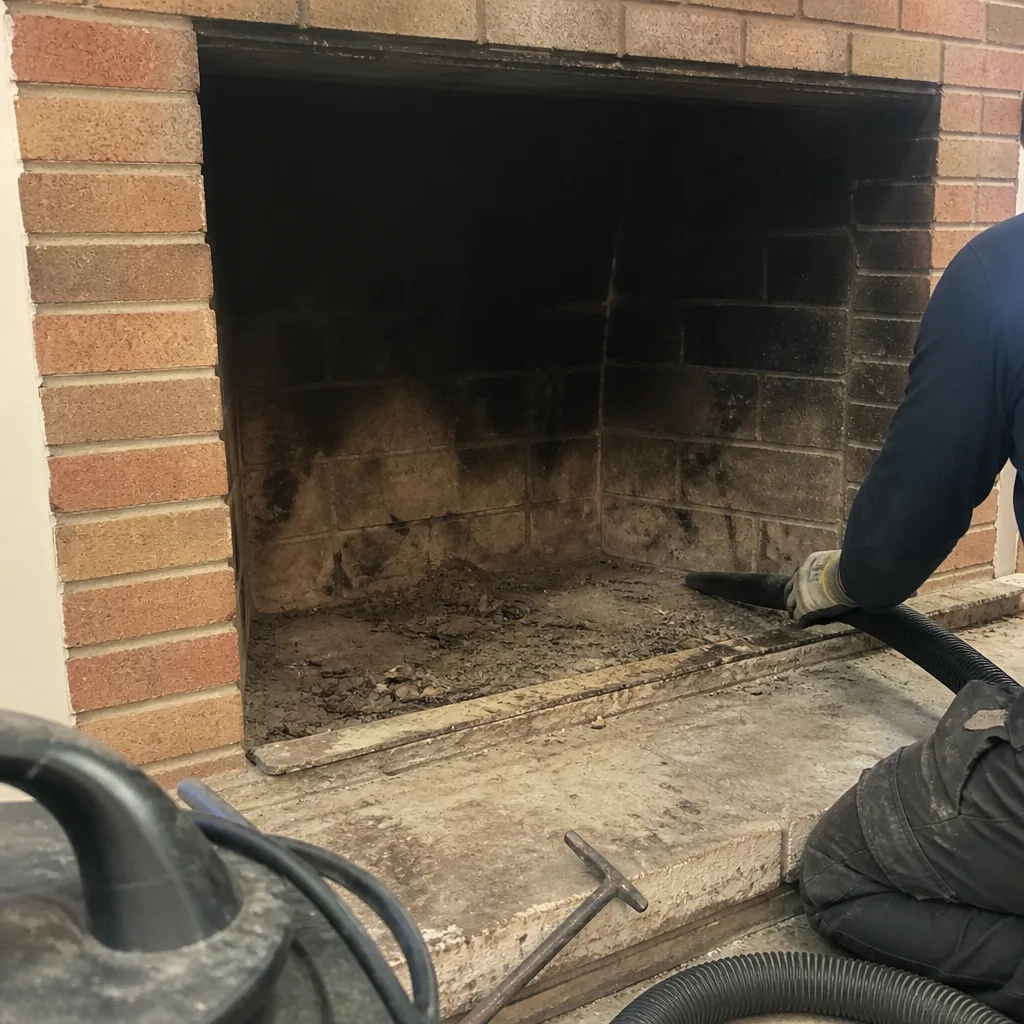 Before
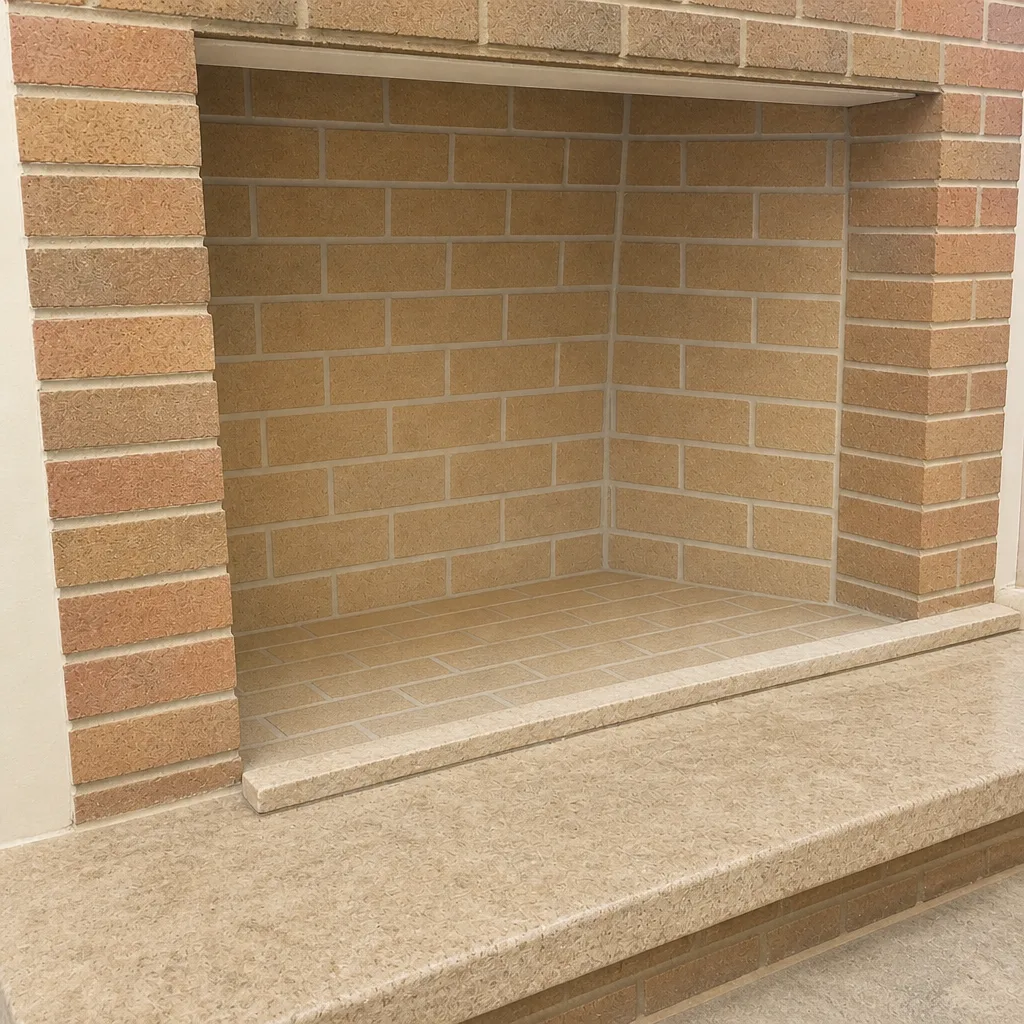 After
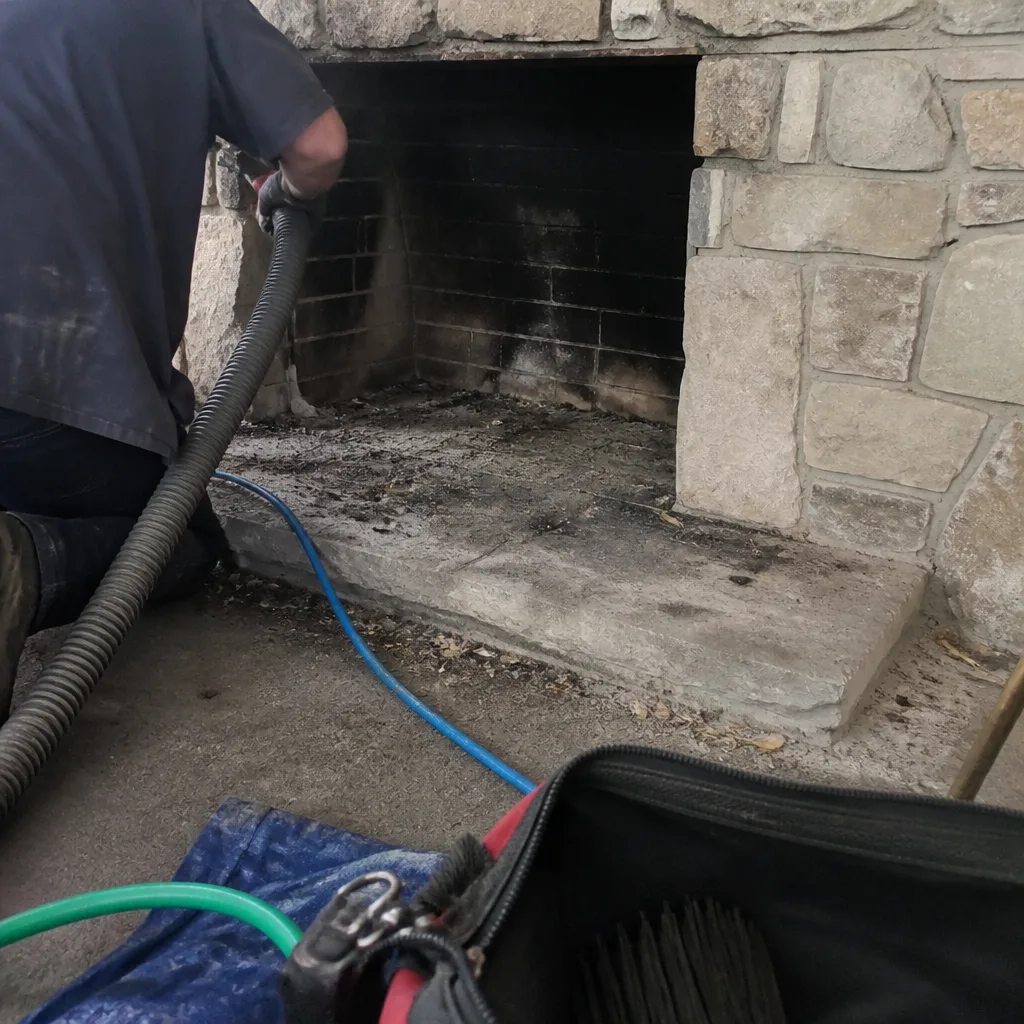 Before
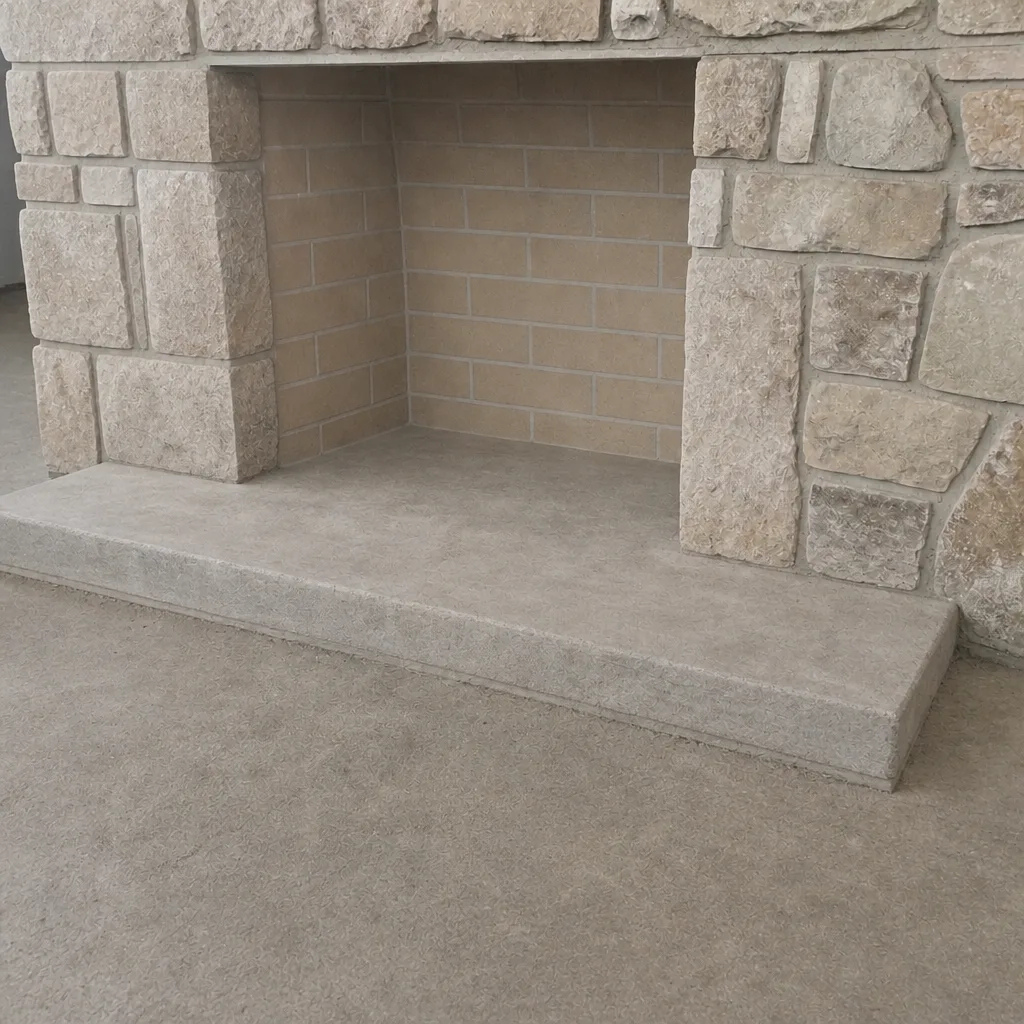 After
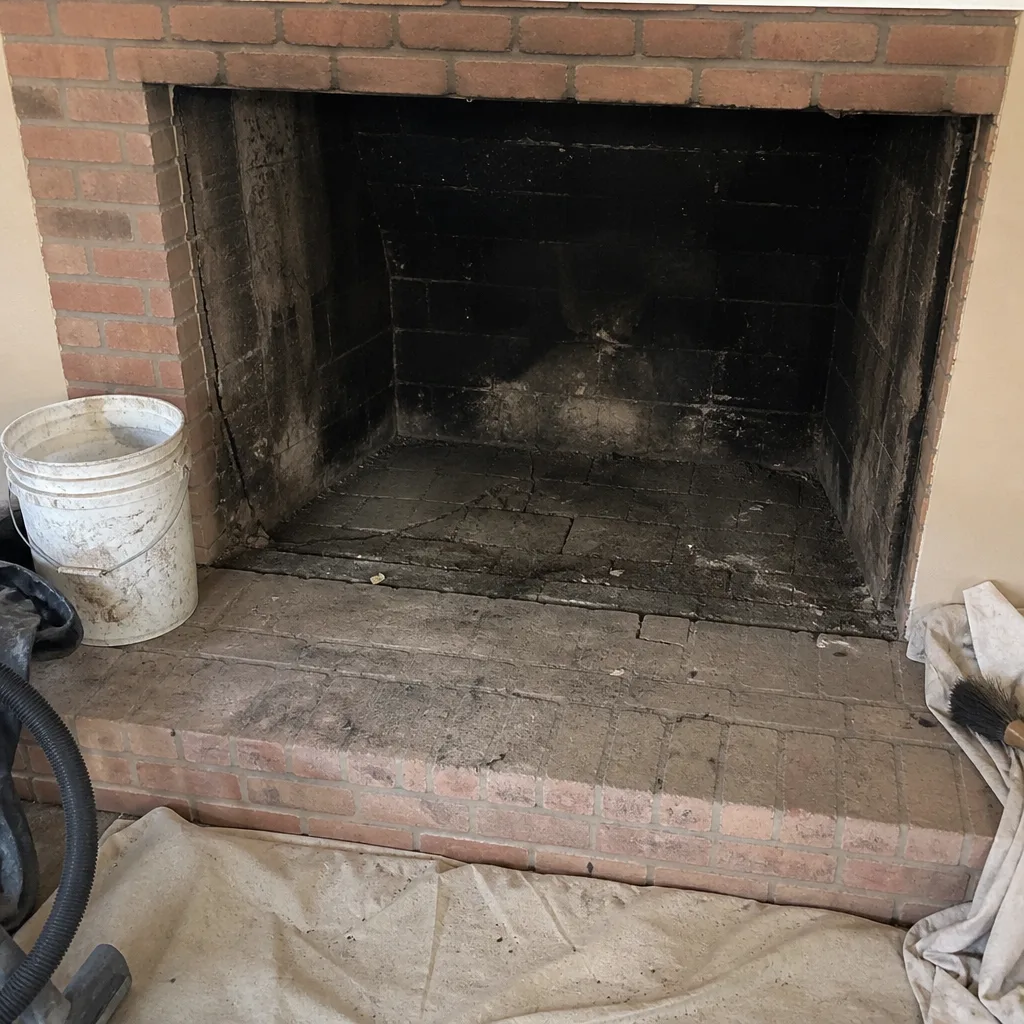 Before
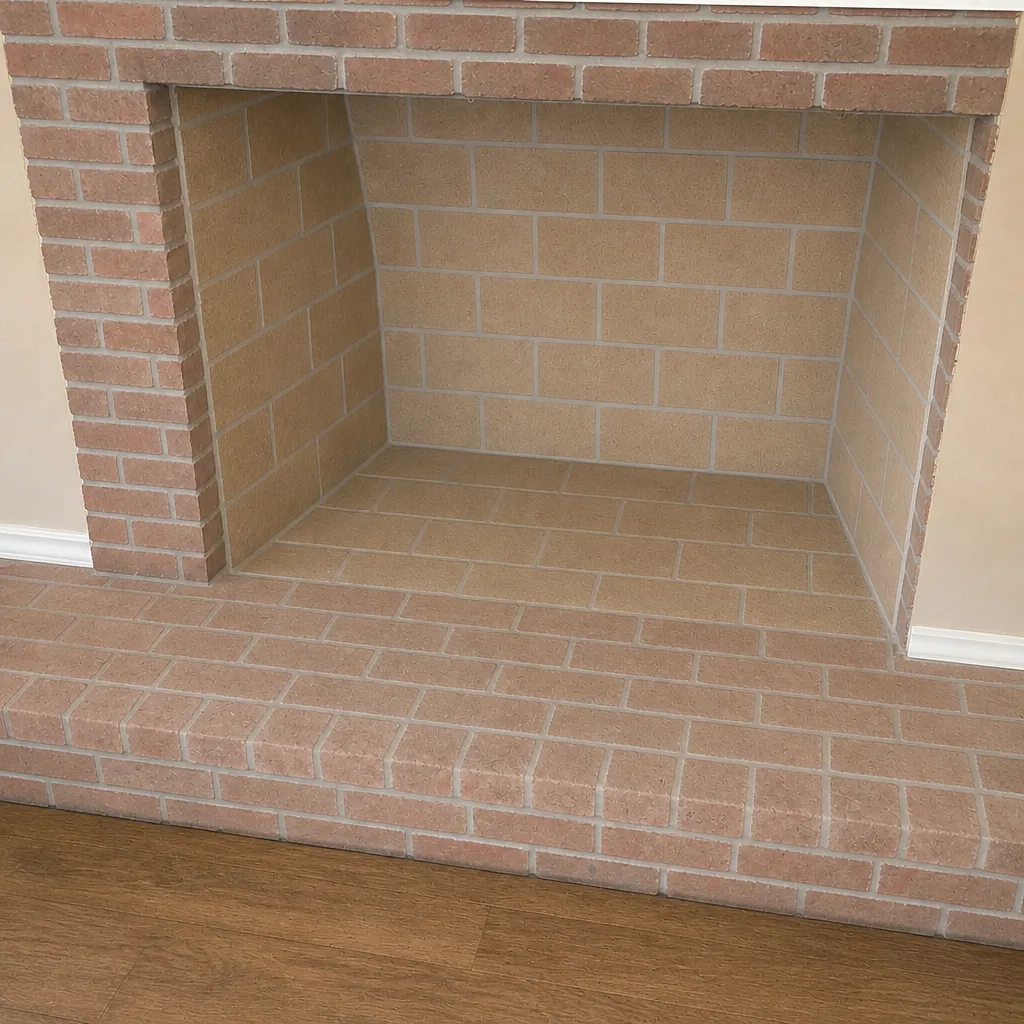 After
When to Call a Professional
Call a professional when creosote has built up enough that you can see or feel it, when you smell smoke in the room or notice draft problems in the off-season, when a cap is damaged or missing, when a damper is stuck or doesn’t seal, or when your inspection found a Stage 3 creosote condition, which is a mandatory repair rather than something to monitor. Call when you’re buying an older home with an unknown chimney history, or when a prior inspection flagged the flue and you haven’t had it looked at since. Call when you’re not sure any of those apply, because a quick check is a reasonable thing to ask for. Tempe Chimney Sweep offers free estimates in Tempe. Call (866) 827-7102. We answer 24/7, with fast dispatch from 7am to 7pm, Sunday through Friday.
Frequently Asked Questions
The liner systems commonly used on Tempe chimneys fall into three families: cast-in-place liners, stainless flexible liners such as DuraFlex, and rigid stainless liners, plus HeatShield for flue resurfacing where the flue is sound but scoured. Which one is right depends on the appliance and the flue’s condition, which is why the inspection comes before the quote. Call (866) 827-7102 for an exact quote, estimates are free.
Not always. A flue that’s scoured but basically sound can often be restored with HeatShield resurfacing instead of a full liner replacement, which saves cost. A flue with structural loss, a failed existing liner, or a change of appliance usually needs a new listed liner system. The document with camera evidence in it tells you which, and you should see that evidence before you authorize anything. Call (866) 827-7102 for an exact quote, estimates are free.
Ask for the brand and rating in writing on the quote, request the material spec sheet, and glance at the packaging on install day. Keep the documents with your home records. A company that can quote the repair from the same inspection that found the problem has an easier time keeping the promise, because the specification and the work stay with one team. Call (866) 827-7102 for an exact quote, estimates are free.
A top-mount damper seals the flue at the chimney cap instead of the firebox, which keeps wildlife, dust, and driving rain out of the flue when the fireplace isn’t burning. That difference matters in Tempe’s windy, dusty environment, especially on flat-roof and low-chimney homes. It’s a clearer choice here than a throat damper for most wood inserts and stoves. Call (866) 827-7102 for an exact quote, estimates are free.
A crack in a crown should be repaired before it does real damage to the masonry, but it’s not an emergency unless water is actively getting into the flue. Elastomeric sealants and coatings flex with the daily temperature swing, which is the property a Portland-only mix lacks in a desert climate. Have it looked at and the fix scheduled; the sooner it’s sealed, the less masonry there is to repair. Call (866) 827-7102 for an exact quote, estimates are free.
You need both, and they answer different questions. The sweep cleans the flue; the inspection tells you what the flue’s condition actually is and produces a documented assessment of what’s safe, what needs repair now, and what can be monitored. If your chimney hasn’t been serviced in a while, start with the pair. Book with your local Tempe team by calling (866) 827-7102, estimates are free.
The Bottom Line
Evaluate the component, not just the company. A quote that names HeatShield, a DuraFlex liner, a Gelco or Famco cap, and the gauge and mesh behind it tells you the part has been chosen for your chimney and the desert climate. A quote that says “new liner” and “new cap” tells you a category, not a specification. The materials you install are what you’ll live with for the next two decades, so make them part of the conversation before any work begins. Sweep, inspection, and repair belong with one team, so a finding turns into a quote and a completed job. That’s the standard to hold a contractor to anywhere, especially in Tempe.
Ready to get a real quote with the brands named? Call (866) 827-7102. We answer 24/7. Fast dispatch from 7am to 7pm, Sunday through Friday. Estimates are free, and the price is set per job by the written estimate.
Written by the team at Tempe Chimney Sweep.