
Last updated November 15, 2026
 Sweep & inspection
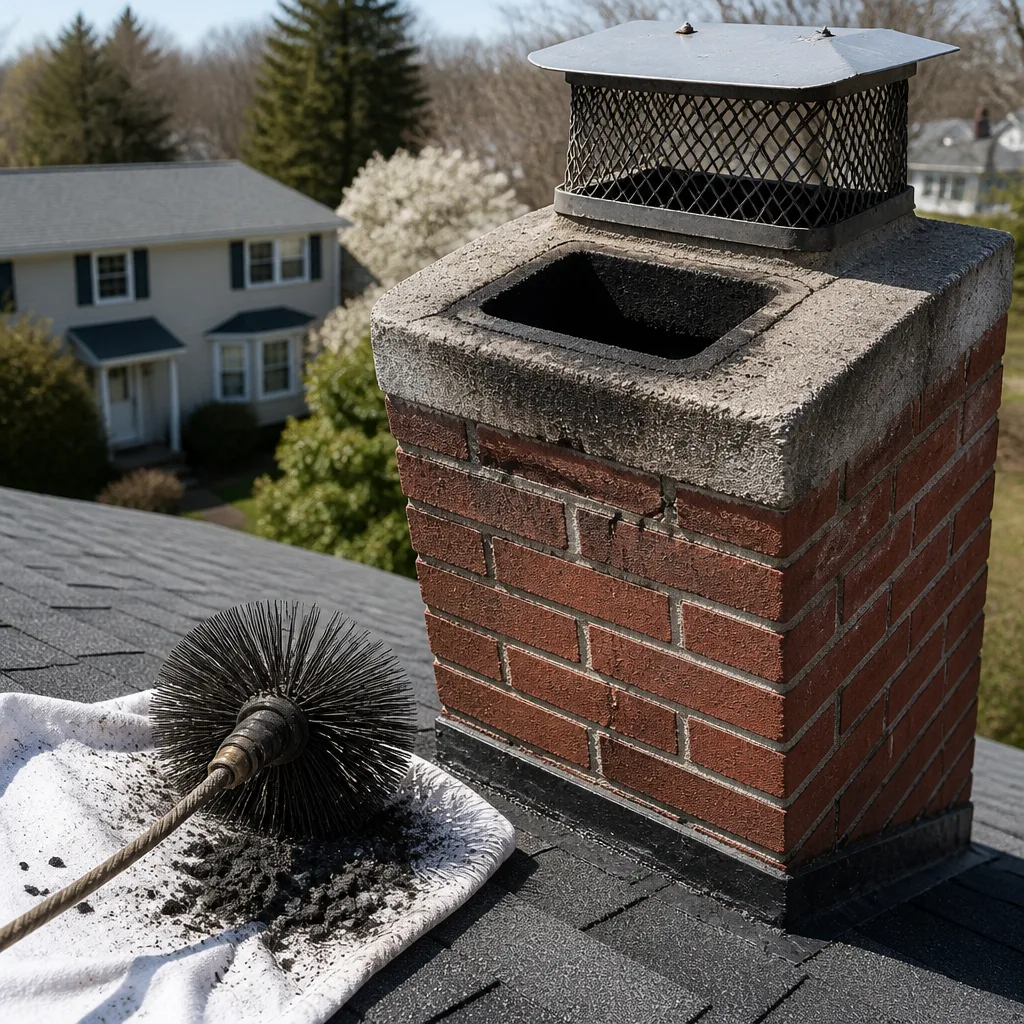
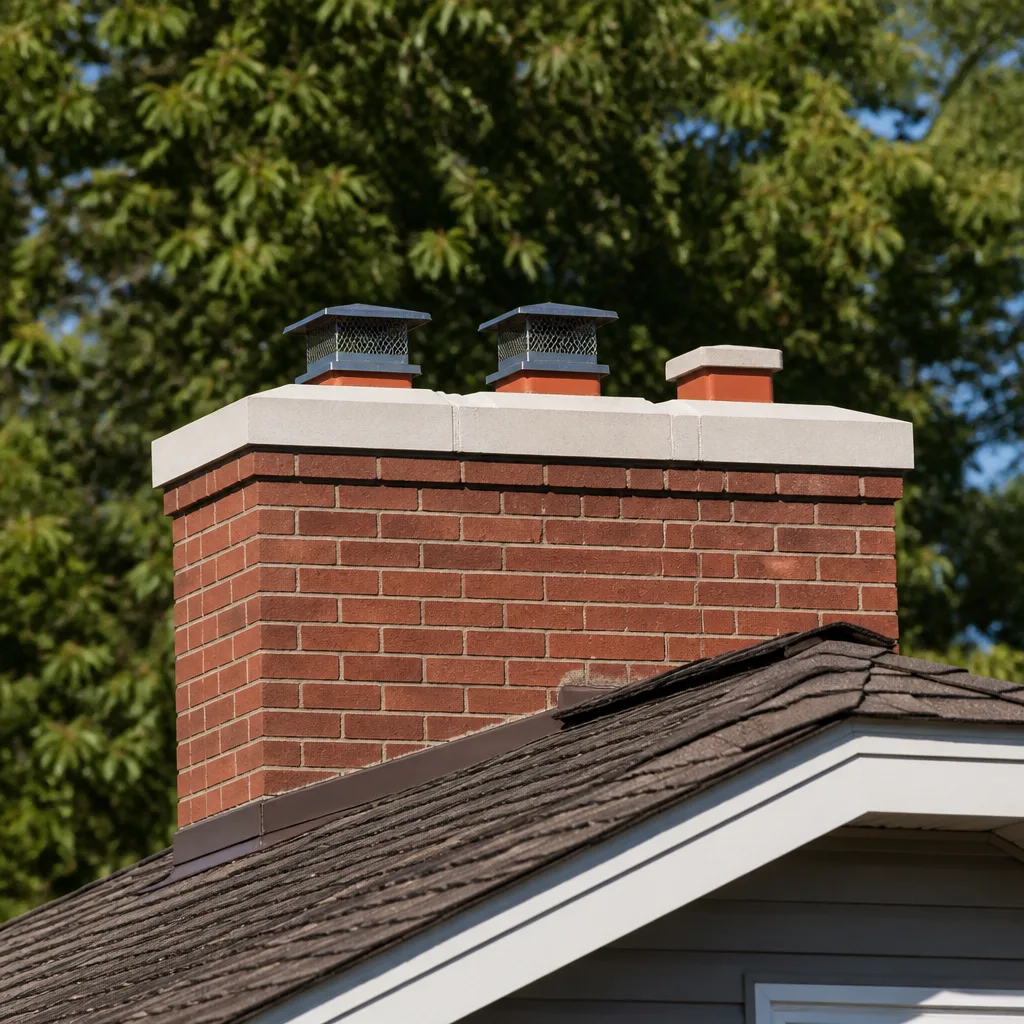 Caps & crowns
 Flue relining
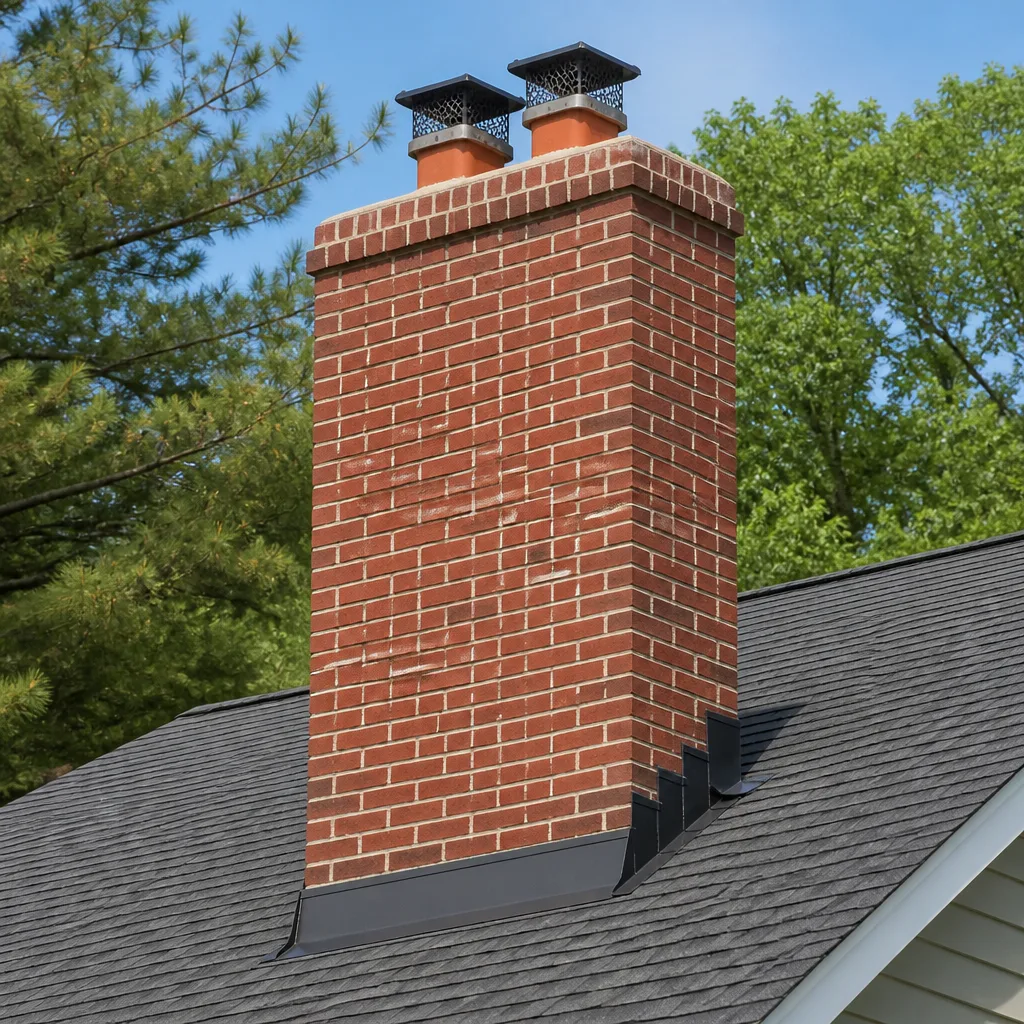 Masonry repair
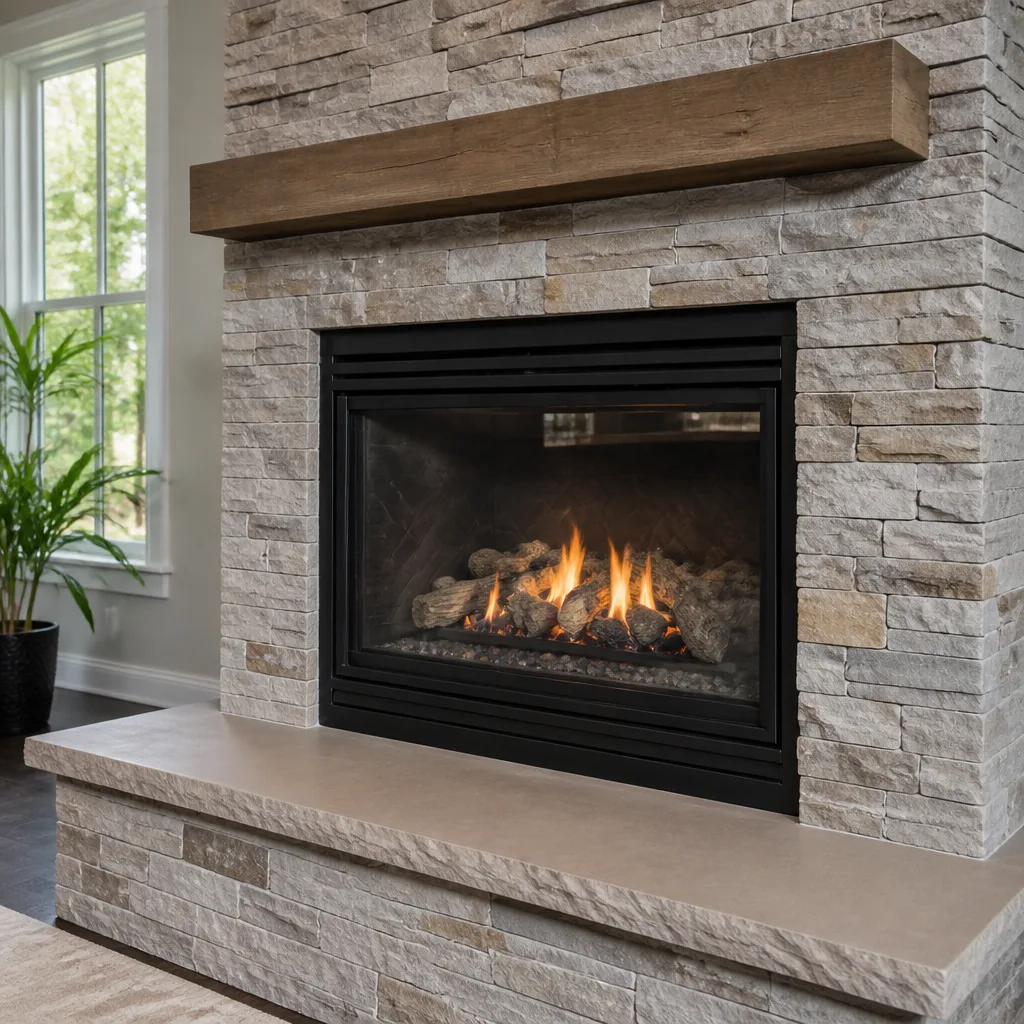 Gas fireplace service
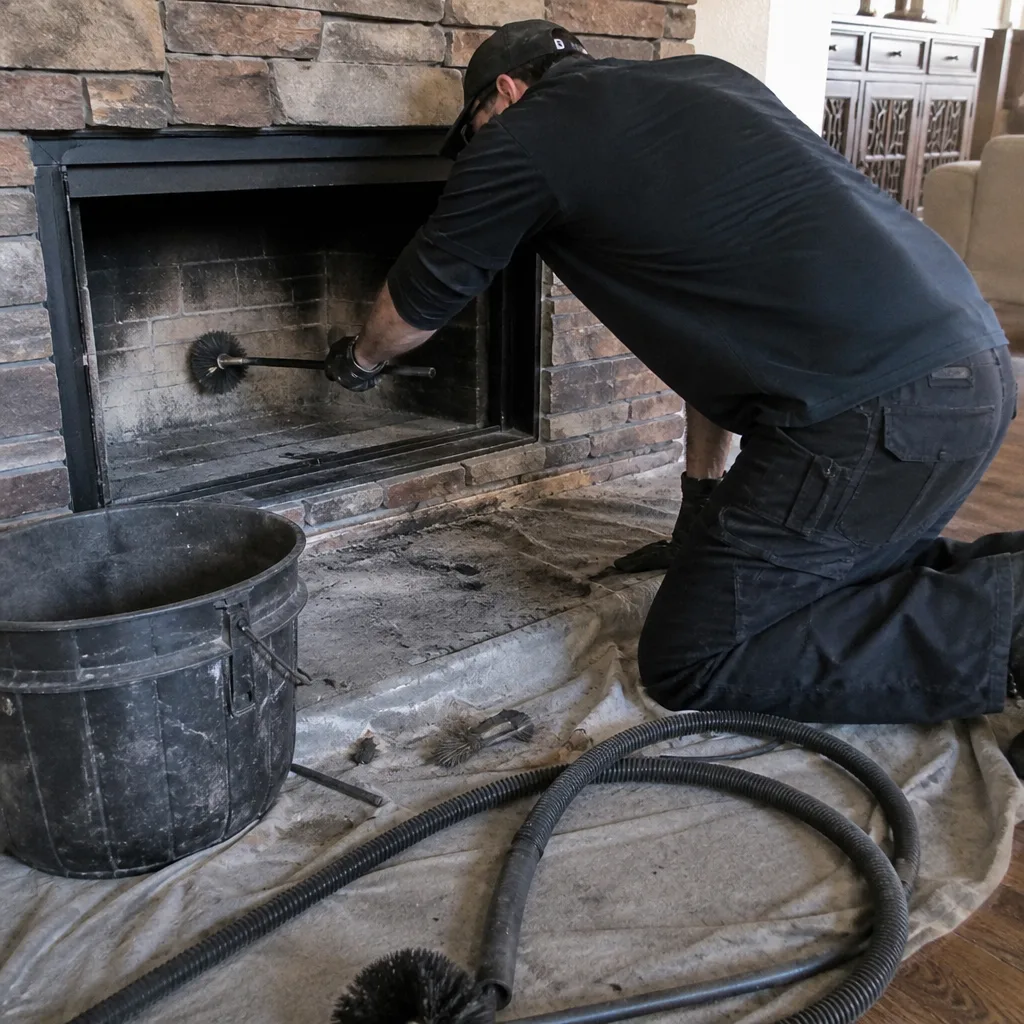
Level 1 sweep and inspection to the NFPA 211 annual standard - flue, crown, cap, and flashing checked and photographed
Chimney sweep logs do not sweep chimneys. They loosen some creosote - which then falls where a brush and vacuum still have to collect it.
The Complete Guide to Chimney Cleaning in Tempe
Most Tempe homeowners light their fireplace fewer than 15 nights a year. You’d think that light use makes the chimney safer. It does the opposite. Short, intermittent fires never get hot enough to burn off what the wood leaves behind, so residue builds up faster per fire than it does in a cold-climate home that burns steady and hot all winter. Add a desert that swings from alkaline dust to monsoon humidity and back again, and you have a chimney that ages on its own schedule. This guide walks through what a Tempe chimney actually goes through, what a proper cleaning involves, and how to tell a real inspection from a sales pitch.
Quick Answer
Chimney cleaning in Tempe means removing creosote and soot with a proper brush sweep, then inspecting the flue and firebox for the problems a sweep alone can’t reveal: cracked mortar, glazed creosote, liner damage, and wildlife debris. Because our burn season is short and intermittent, creosote here tends to concentrate rather than burn away, which makes annual cleaning more important than the light use suggests. A cleaning without an inspection tells you the chimney is cleaner, not that it’s safe.
Styles & brands we work with
- Sweep & inspection
- Caps & crowns
- Flue relining
- Masonry repair
- Gas fireplace service
Table of Contents
- Why Chimney Cleaning Works Differently in Tempe
- How Tempe’s Short Burn Season Creates Dangerous Creosote
- What Desert Dust and Monsoon Humidity Do to Your Chimney
- Level 1 vs Level 2 Inspections: What Each One Actually Covers
- Wildlife and Uncaught Flues: What a Sweep Finds
- The Full Service Sequence, Step by Step
- When Cleaning Reveals a Repair: Liners, Resurfacing, and Caps
- How Often Should a Tempe Chimney Be Cleaned?
Why Chimney Cleaning Works Differently in Tempe
A chimney in Buffalo and a chimney in Tempe are the same masonry and metal, but they live very different lives. Cold-climate chimneys run hard for months, which keeps flue temperatures high and burns off light creosote deposits between sweeps. Tempe chimneys sit idle most of the year, fire up for a handful of cool nights, then sit idle again. That pattern is harder on a flue, not easier.
Three local factors shape how a Tempe chimney ages:
- Intermittent burn cycles. A fire that never reaches full operating temperature leaves behind more unburned material. That material is creosote, and it accumulates instead of combusting.
- Alkaline desert dust. Fine dust works its way into mortar joints and around the crown. Over time it feeds the slow breakdown of the cement that holds masonry together.
- Monsoon humidity swings. Weeks of single-digit humidity followed by a soaking monsoon season stress masonry, mortar, and metal components through repeated moisture cycling.
None of this means a Tempe chimney is doomed. It means the maintenance schedule that works elsewhere doesn’t transfer cleanly. If you own a home anywhere in Tempe, from the neighborhoods near Arizona Mills to the older blocks around downtown, the right approach starts with understanding what your local conditions are actually doing to the flue.
How Tempe’s Short Burn Season Creates Dangerous Creosote
Creosote is classified into three stages, and the stage matters more than the quantity. Stage 1 is light, flaky soot that a brush removes easily. Stage 2 is a denser, crustier deposit that takes more work but still comes off. Stage 3 is glazed, hardened creosote that bonds to the flue wall and requires mechanical removal or chemical treatment. Stage 3 is a mandatory repair, not a maintenance item.
Here’s the counterintuitive part: the Tempe burn pattern pushes homeowners toward Stage 2 and Stage 3 faster than steady-burning climates do. When you light a fire a dozen times a year and let it burn low and slow to stretch the evening out, you’re giving that fire the least efficient combustion possible. Cool flue gases condense on the flue walls, and condensed smoke is creosote concentrate.
What to watch for between cleanings:
- A dull, textured coating on the flue wall that doesn’t brush away
- A strong, sharp odor even when the fireplace is cold
- Smoke rolling into the room instead of drawing up
- Visible black glaze near the top of the firebox
If any of those sound familiar, the chimney is past the point where a quick brush does the job. Our technicians have up to 9 years of experience reading exactly this kind of buildup, and the chimney sweep we perform is designed to address the deposit stage you actually have, not to run a one-size brush through every flue.
What Desert Dust and Monsoon Humidity Do to Your Chimney
Between cleanings, a Tempe chimney is exposed to two things that most national chimney advice ignores: alkaline dust and monsoon moisture. Neither destroys a chimney on its own. Together, over years, they accelerate wear on the components that protect the flue.
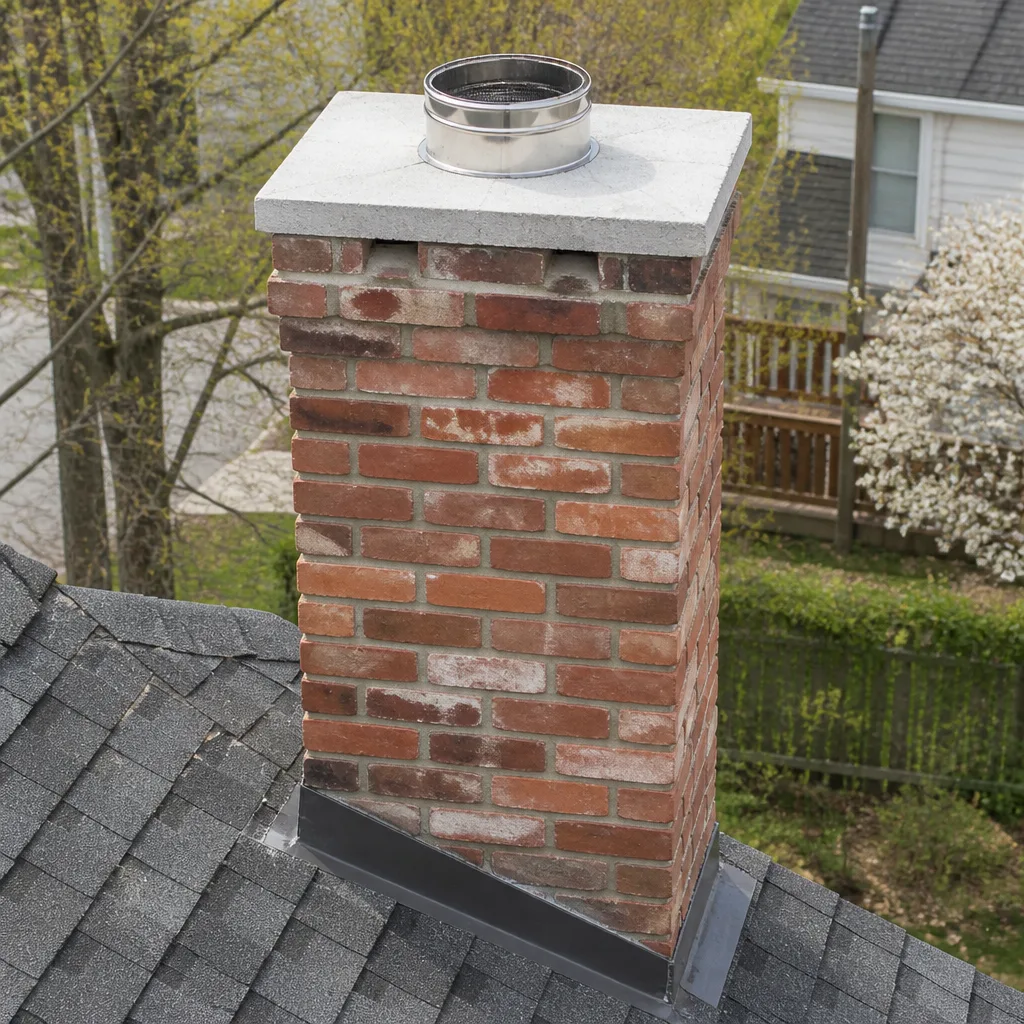
The crown, the masonry at the top of the chimney, is the first thing to suffer. It’s a horizontal surface facing the sky, which means it catches everything: blowing dust, monsoon rain, sun. Fine cracks open, water gets in, and the next cool night’s fire pushes warm air up through wet masonry. That cycle repeats. A chimney repair assessment will look at the crown, the mortar joints, and the flashing, because those are the failure points local conditions tend to hit first.
Inside the flue, the story is the same in miniature. Dust settles on flue walls between burns. When monsoon humidity returns, that dust holds moisture against the liner surface. For clay tile liners, that moisture cycling widens existing hairline cracks. For metal liners, it shortens the working life of the joints. Neither problem shows up in a routine sweep; only an inspection with a camera reveals it.
What you can check yourself from the ground:
- Cracks or crumbling at the crown
- Missing or deteriorated mortar joints between bricks
- Rust streaks or staining on the exterior
- A cap that’s loose, dented, or missing entirely
Anything on that list is a reason to book an inspection rather than a cleaning.
Level 1 vs Level 2 Inspections: What Each One Actually Covers
The word “inspection” gets used loosely. In chimney work it has a formal meaning, and the level tells you exactly how deep into the flue the technician goes. Knowing the difference protects you from being sold work you don’t need and from missing work you do.
Level 1 Inspection
A Level 1 inspection covers the readily accessible portions of the chimney: the firebox, the damper, the visible interior of the flue from the fireplace, and the exterior. It’s the right inspection for a chimney that’s been in steady use with no changes to the system. No camera required.
Level 2 Inspection
A Level 2 inspection adds a video camera run through the full length of the flue, and it covers attics, crawl spaces, and any accessible areas where the chimney passes through the structure. It’s more thorough, and it’s the correct inspection in several specific situations:
- You’ve just bought a home and don’t know the chimney’s history
- The chimney has had a repair or a liner change
- You’ve had a chimney fire, even a small one you think put itself out
- The home has changed heating appliances or fuel type
- You’ve noticed performance problems like smoke backup or a persistent odor
Most older Tempe homes, particularly in established neighborhoods where a chimney may have gone decades without a documented inspection, are a Level 2 situation. The video gives you and the technician the same view, and it’s the only way to know whether the liner is sound or whether a repair is being recommended for a real reason.
Wildlife and Uncaught Flues: What a Sweep Finds
An open flue is a warm, sheltered, out-of-the-weather cavity with a built-in entrance at the top. In the East Valley, that reads as habitat. Gambel’s quail, roof rats, and pigeons are all common in Tempe neighborhoods, and an uncapped chimney is exactly the kind of space they use.
What this looks like when a sweep opens the firebox:
- Nesting material packed onto the damper or the smoke shelf
- Twigs, feathers, and droppings mixed into soot
- Debris blocking the flue, which restricts draft and can push smoke into the room
- Scat and nesting residue that carry odor and, in the case of rodents, other concerns
The risk isn’t only draft restriction. A blocked flue prevents exhaust gases from leaving the chimney, and one of those gases is carbon monoxide. That’s why we don’t just sweep past a nesting problem: a proper cleaning removes the debris, and the inspection confirms the flue is clear and intact afterward. Then we cap it. A cap from Gelco, Famco, or Olympia Chimney is engineered for the application, with the right mesh and the right fit, rather than a generic cage that lets animals slip past the edges. Capping is the single most effective step against re-colonization, and it costs a fraction of what a blockage-related repair can.
The Full Service Sequence, Step by Step
Knowing what a cleaning actually involves helps you judge whether a company is doing the job or just making a visit. Here’s the sequence we follow, from the first brush stroke to the written report.
- Setup and protection. Drop cloths go down around the hearth, and the work area is sealed so soot stays in the chimney, not in your living room.
- Brush sweep. The flue is swept with the correct brush for the liner type, top down and bottom up, until the creosote is removed. If the deposit is Stage 3 glazed creosote, a brush alone won’t move it, and we say so.
- Firebox and smoke shelf cleaning. The firebox, damper, and smoke shelf are cleared of soot, ash, and any nesting material.
- Camera inspection. A video camera runs the length of the flue. We record what we find so you can see it.
- Smoke test. Where drafting is a question, a smoke test confirms the chimney draws correctly and aren’t pulling exhaust the wrong direction.
- Written report. You get a documented condition assessment: what’s safe, what needs repair now, and what can be monitored and watched over the next season or two.
- Repair quote, if needed. If the inspection turns up a problem, the same company can quote the fix: a DuraFlex liner, HeatShield flue resurfacing, or a new cap. You’re not handed off to a second contractor.
That last step is the difference between a cleaning and a diagnostic service. A sweep who can only sweep has to either ignore what the camera shows or tell you to call someone else. When the sweep, the inspection, and the repair all sit with the same company, the findings translate into options directly.
When Cleaning Reveals a Repair: Liners, Resurfacing, and Caps
Not every cleaning ends in repair, and we say so plainly. Many chimneys clean up and pass inspection with nothing more than a cap recommendation. But when the camera does find a problem, the fix depends on what the problem is.
DuraFlex flexible liners
When the existing liner has failed, cracked through, or separated from the flue wall, a new liner restores the barrier between combustion gases and the masonry. DuraFlex flexible liner systems are made for relining, and they handle the offset and the bends that a rigid liner can’t follow. This is the repair tier that takes chimney work past surface cleaning into structural restoration.
HeatShield flue resurfacing
Not every damaged flue needs a full liner. HeatShield is a resurfacing system that bonds to the existing masonry and restores the structural integrity of the flue interior. Where a liner replacement would be the answer to a flue that has lost its surface, resurfacing treats the surface itself. In the right conditions, this is a meaningful cost-saving option, and it’s a capability many basic sweep companies simply don’t have.
Caps and covers
A cap keeps out rain, animals, and debris, and it also protects the crown from the moisture cycling that causes early failure. We specify caps from Gelco, Famco, and Olympia Chimney product lines rather than hardware-store substitutes, because a cap that doesn’t fit properly is the same as no cap at all in a monsoon.
One important note on timing: not every finding is urgent. A hairline crack in a portion of the flue that sees limited use may be something to monitor. A failed liner section behind the firebox is not. The inspection report should tell you which is which, in plain language, with a photograph behind every recommendation.
How Often Should a Tempe Chimney Be Cleaned?
The standard guidance is annual cleaning and inspection for a chimney in active use. In Tempe, “active use” is a little misleading. A homeowner who burns 15 nights a year still needs an annual look, because the risk profile here is dominated by condensation from cold-start fires, monsoon moisture cycling, and wildlife rather than by sheer volume of firewood burned.
A practical schedule:
- Every year: a cleaning plus at least a Level 1 inspection, or a Level 2 if you’ve bought the home, had a repair, or had a chimney fire.
- Twice a year: a visual check of the cap, crown, and exterior from the ground. After monsoon season is the natural time.
- Anytime: if you notice smoke backup, a persistent odor, or visible black glaze in the firebox.
The timing matters less than the sequence. Book the sweep and the inspection together, so the cleaning doesn’t just leave a cleaner chimney but leaves you with a documented answer about its condition. When the inspection is part of the sweep, everything a camera finds can be quoted and fixed by the team that already has the chimney open. To book both together, call (866) 827-7102. We answer 24/7. Fast dispatch from 7am to 7pm, Sunday through Friday.
Common Mistakes to Avoid
- Assuming light use means low maintenance. A Tempe fireplace that burns fewer than 15 nights a year produces more concentrated creosote per fire than one that burns steadily. Skipping the annual sweep because “we barely use it” is the most common way homeowners end up with Stage 3 glazed creosote.
- Hiring a sweep who cleans but can’t inspect or repair. A cleaning without a camera inspection confirms the chimney is cleaner, not that it’s safe. When a problem turns up, you want the same company to quote and complete the fix.
- Leaving the flue uncapped. An open flue invites roof rats, pigeons, and Gambel’s quail to nest, and nesting debris blocks draft. A proper cap from a professional line is the cheapest insurance against an animal blockage.
- Burning unseasoned wood to stretch the season. Wet wood burns cool, and cool flue gases condense as creosote. If you’re only burning a few nights, use well-seasoned wood every time; the residue per fire is what matters here.
- Ignoring the crown and mortar joints. The crown catches monsoon rain and desert sun, and hairline cracks are the first sign of trouble. Checking the crown and joints once a year catches problems while they’re small.
- Accepting a repair recommendation without seeing the evidence. A real inspection includes photos or video of what the technician found. If you can’t see the problem, ask to.
See the difference
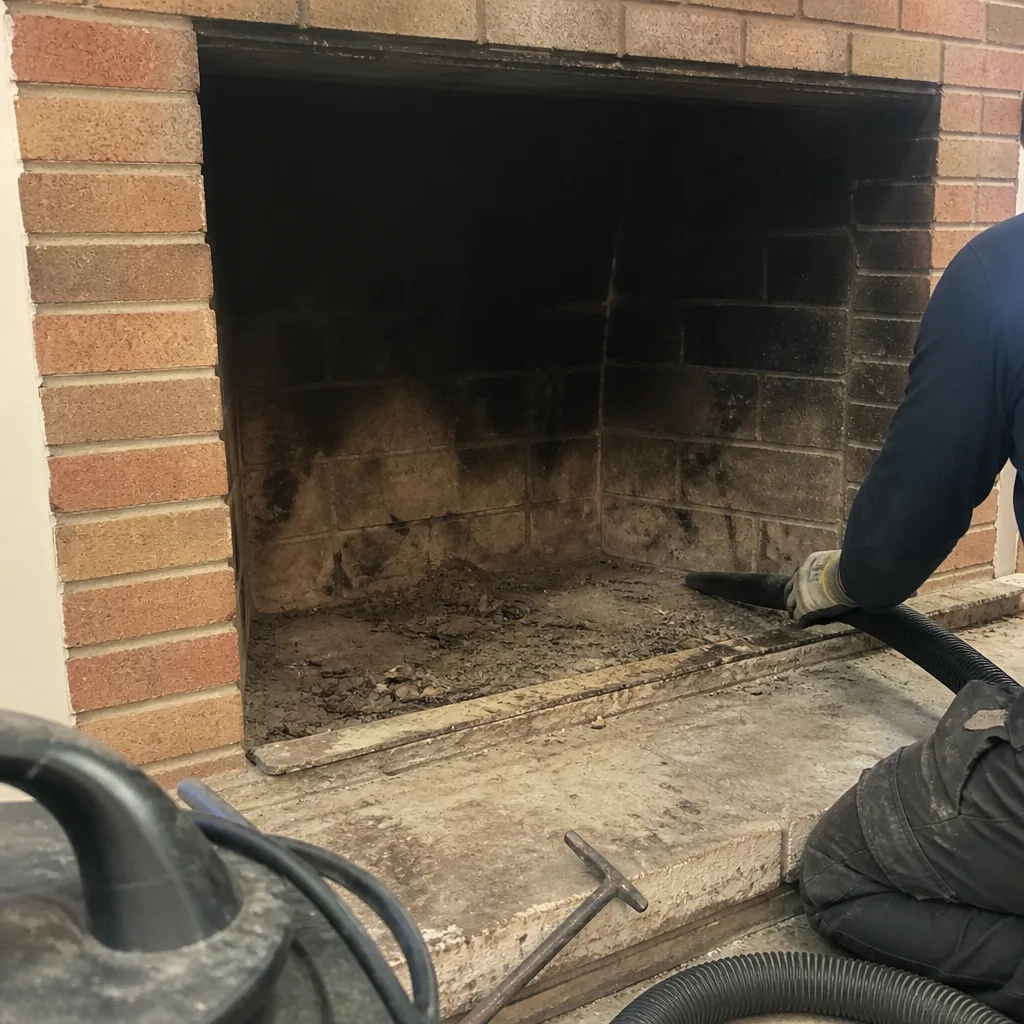 Before
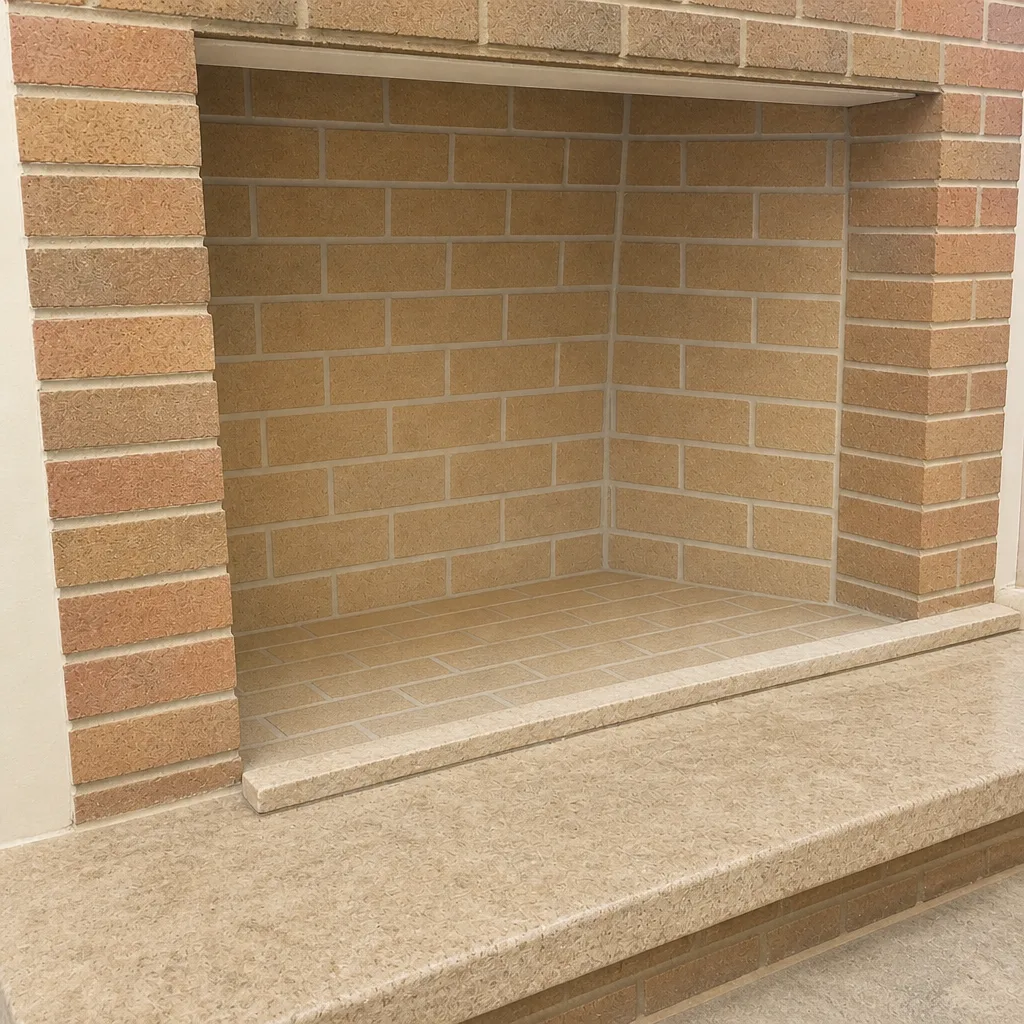 After
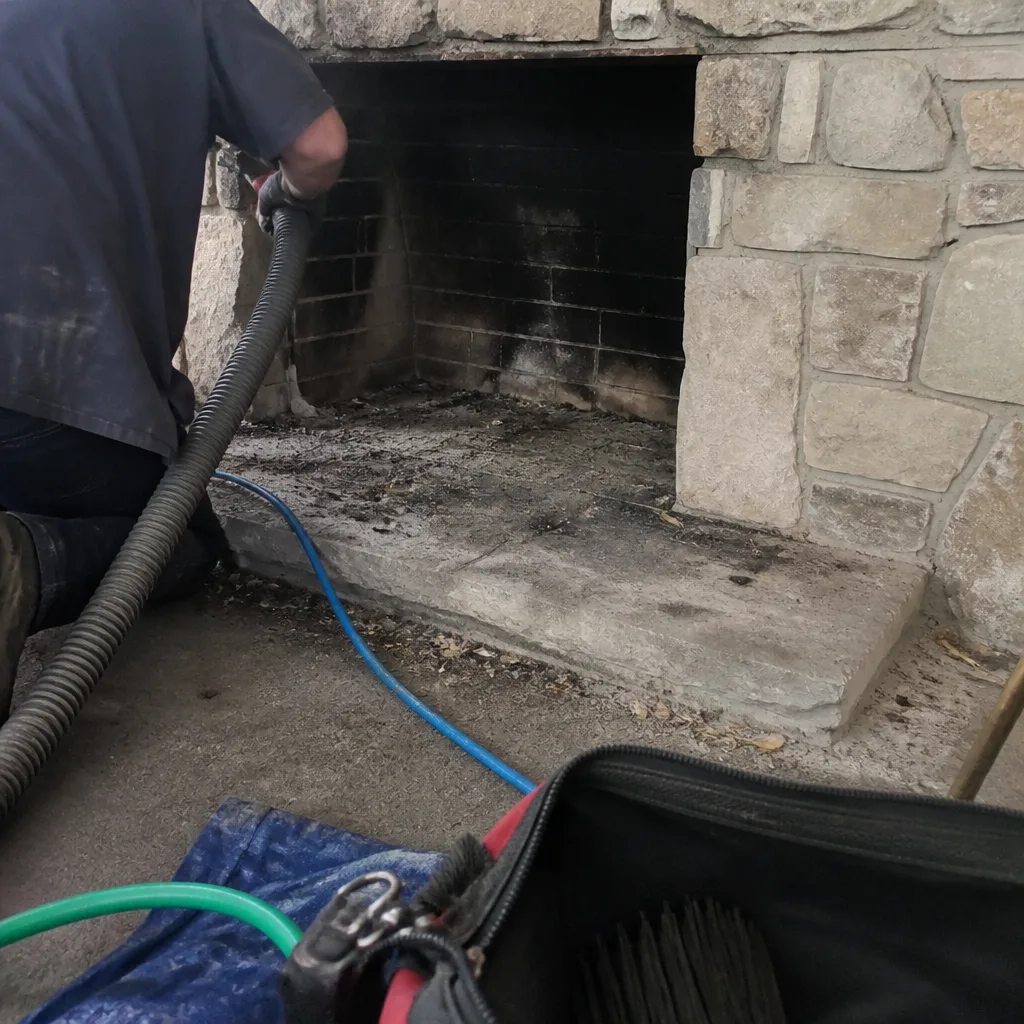 Before
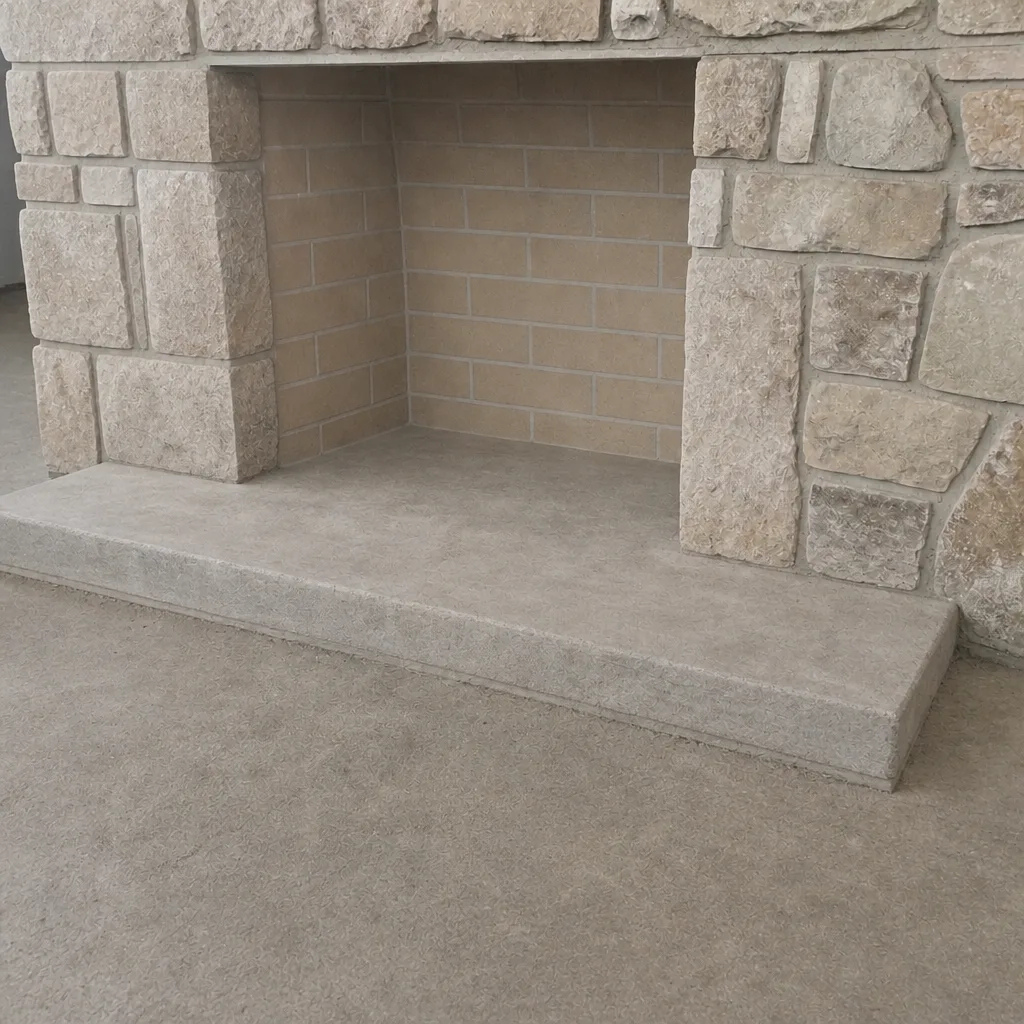 After
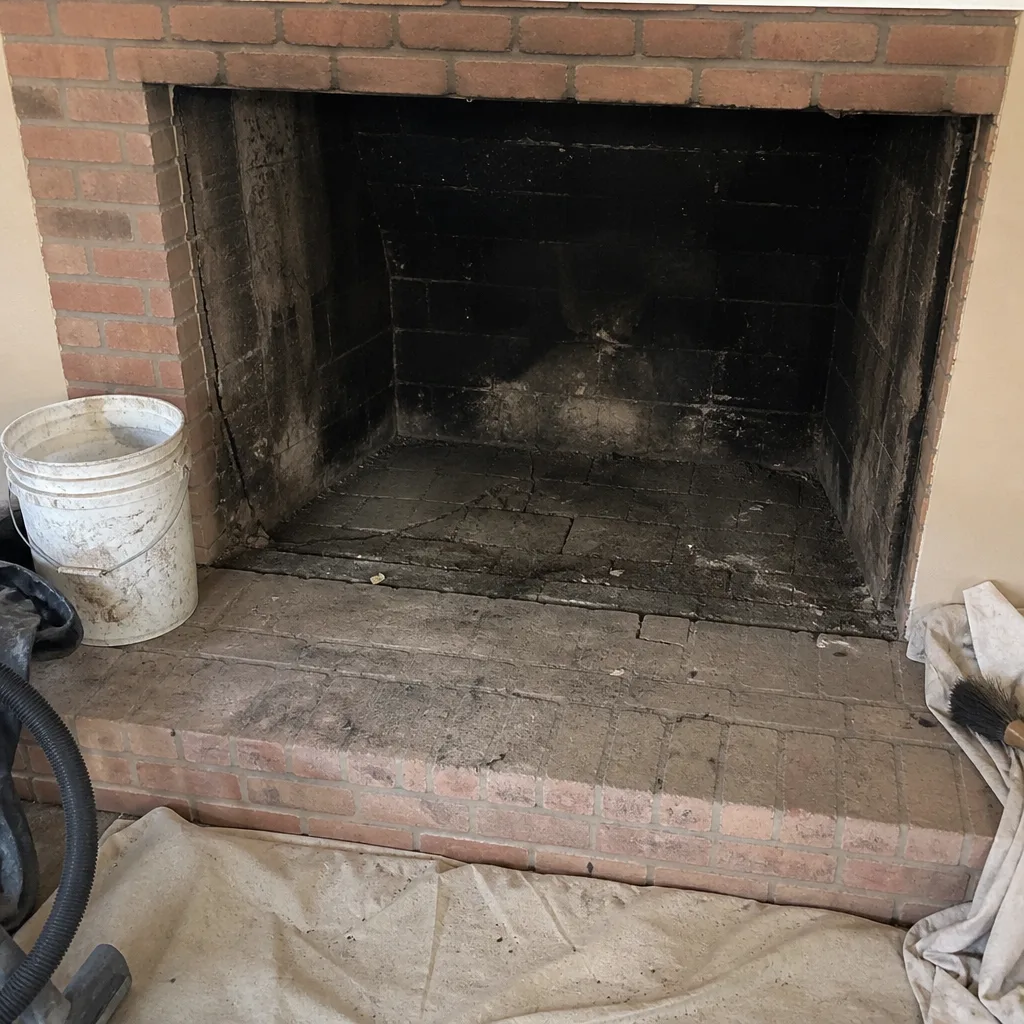 Before
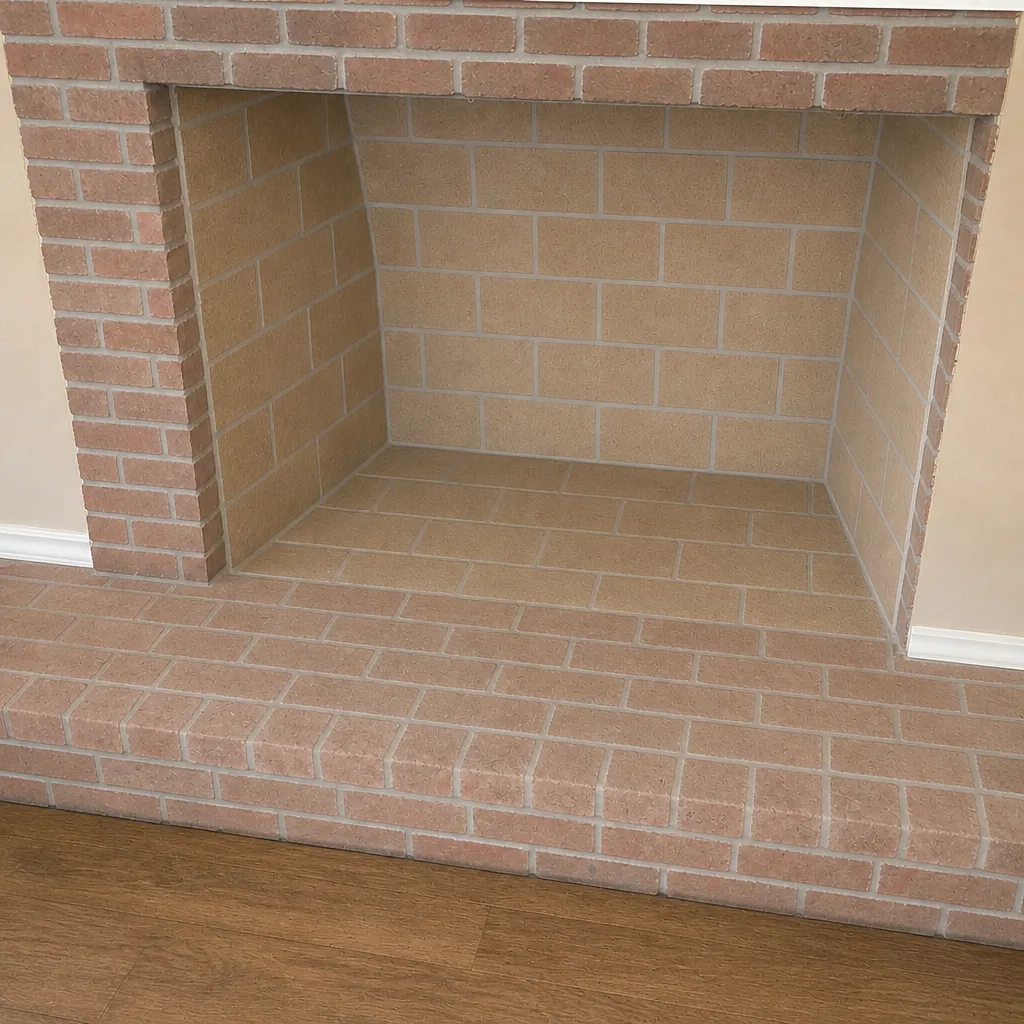 After
When to Call a Professional
Call a professional when you notice smoke backing into the room, a persistent sharp odor even when the fireplace is cold, visible black glaze in the firebox, or animals or nesting material in the chimney. Call if you’ve bought a home with an unknown chimney history, had a chimney fire, or if the chimney hasn’t been inspected in recent memory. Climbers and do-it-yourself sweeps miss what a camera sees, and a flue damaged by glazed creosote or a failed liner is a fire and carbon monoxide risk that only a trained eye can rule out.
Tempe Chimney Sweep offers free estimates in Tempe. Call (866) 827-7102. We answer 24/7. Fast dispatch from 7am to 7pm, Sunday through Friday.
Frequently Asked Questions
The price depends on the deposit stage, flue condition, and whether an inspection is included, and it’s set per job by a written estimate rather than by a flat rate over the phone. Our estimate is free, so you know the price before any work is booked. Call (866) 827-7102 for an exact quote: estimates are free.
Only if the existing liner has actually failed: cracked through, separated from the flue wall, or no longer protecting the masonry. The camera tells you that, and it should be shown to you before anyone recommends work. In some cases HeatShield flue resurfacing restores the flue without a full liner replacement, which can save significant cost. If the liner is sound, we say so and the chimney can safely wait.
Once a year for a chimney in active use, and that includes a fireplace used only a handful of nights a year. The Tempe burn pattern produces concentrated creosote, and monsoon humidity stresses the masonry, so an annual cleaning plus inspection catches both. If you notice smoke backup or a persistent odor between visits, call sooner.
Creosote builds up in layers, and what starts as a flaky Stage 1 deposit hardens into Stage 2 crust and eventually Stage 3 glaze. Stage 3 is a fire hazard and a repair rather than a cleaning. Separately, a blocked flue from nesting debris or a collapsed liner lets carbon monoxide back into the home. A sweep is a safety check, not just a cleaning.
They’re using it as habitat. An uncapped flue is sheltered, warm, and open at the top, and in Tempe neighborhoods all three find it attractive. The result is nesting material packed onto the damper and smoke shelf, restricted draft, and odor. A proper cleaning removes the debris, and a fitted cap from Gelco, Famco, or Olympia Chimney keeps them out afterward.
Often, yes. A sweep, a camera inspection, and a clear repair assessment can usually happen on the same visit, and if repair is needed, we quote it from the inspection findings. Larger jobs like a DuraFlex reline or HeatShield flue resurfacing may be scheduled separately. Call (866) 827-7102 to book a sweep and inspection together.
The Bottom Line
Tempe chimneys don’t follow the national rulebook. A short, intermittent burn season concentrates creosote instead of burning it off. Alkaline dust and monsoon humidity cycle through the masonry and flue every year, cracking crowns and shortening liner life. And an uncapped flue is prime East Valley wildlife habitat. The fix isn’t complicated: a proper brush sweep, a camera inspection with a written report, and a cap. What matters is that the same team can clean it, see what the cleaning reveals, and fix what needs fixing. If you’re ready to book the sweep and inspection that tells you exactly where your chimney stands, the team behind Tempe Chimney Sweep is here for it.
Written by the team at Tempe Chimney Sweep.