
Last updated November 15, 2026
 Sweep & inspection
 Caps & crowns
 Flue relining
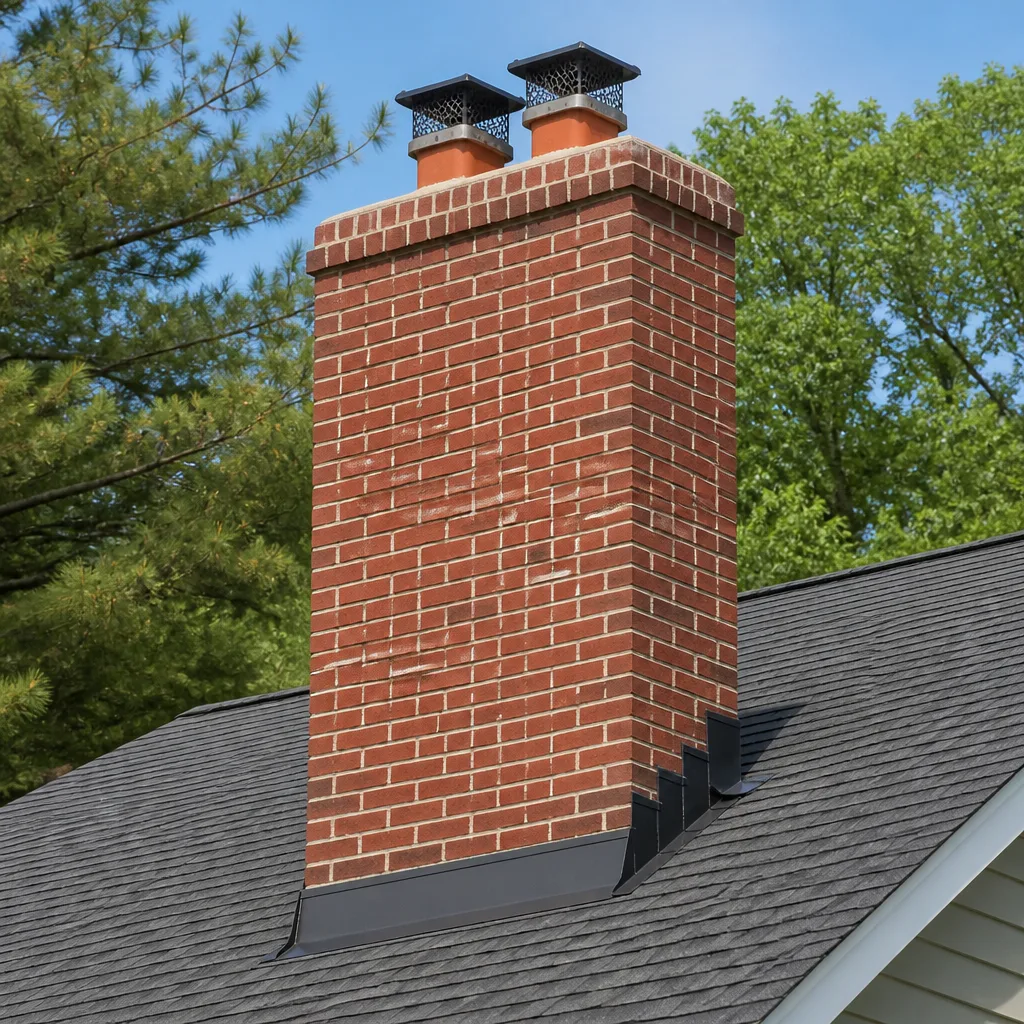 Masonry repair
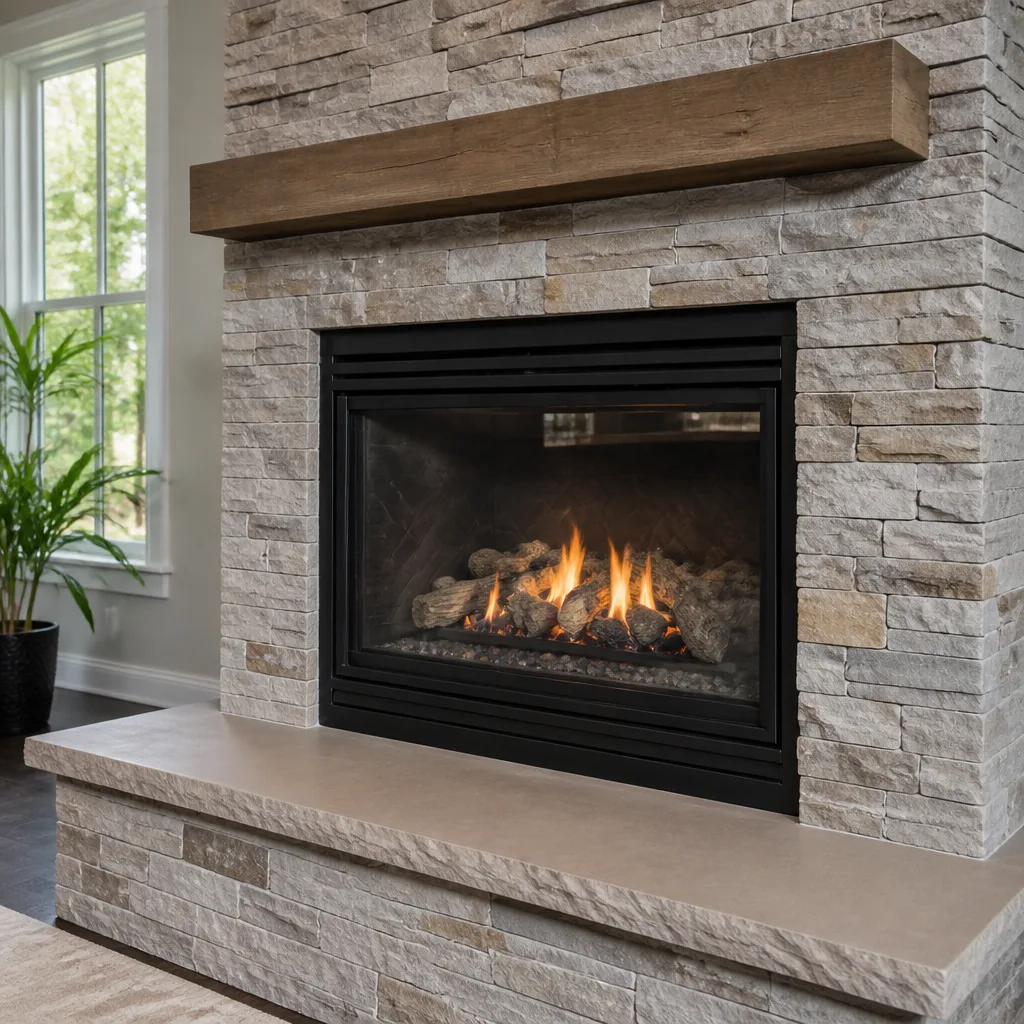 Gas fireplace service
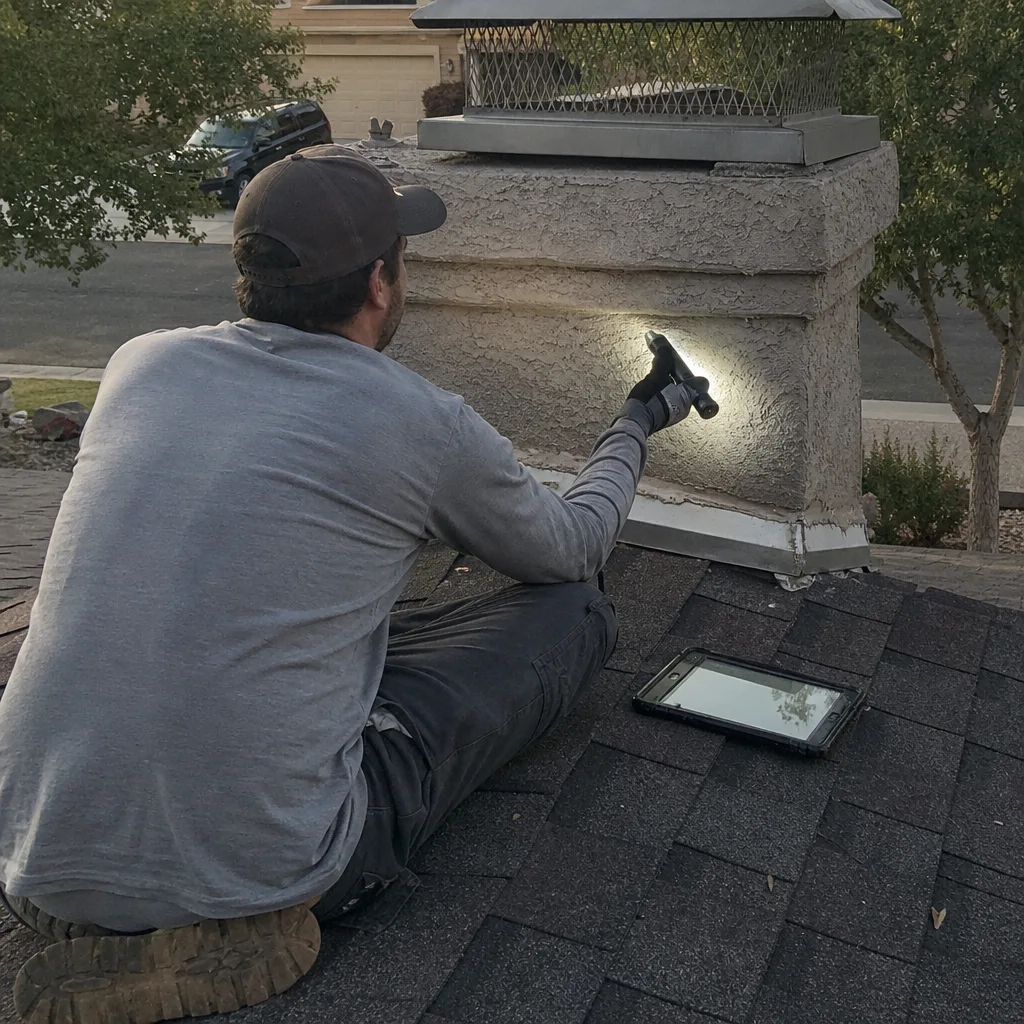
Level 1 sweep and inspection to the NFPA 211 annual standard - flue, crown, cap, and flashing checked and photographed
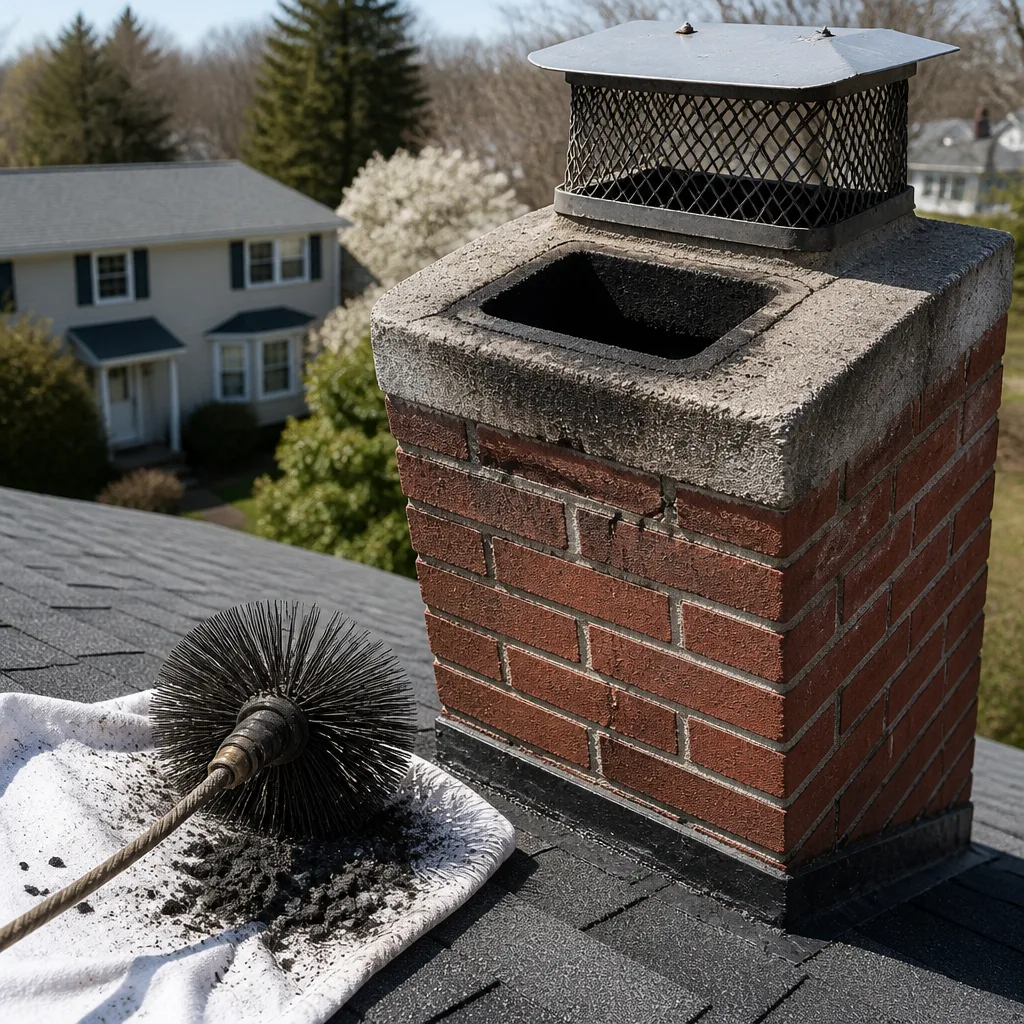
Chimney sweep logs do not sweep chimneys. They loosen some creosote - which then falls where a brush and vacuum still have to collect it.
Seasonal Chimney Cleaning Care for Tempe: Year-Round Homeowner’s Guide
Most homeowners across the country think of chimney care as a fall chore. In Tempe, that assumption gets the calendar wrong in an expensive way. The season that does the most damage to a chimney here isn’t December, it’s August, when monsoon moisture pushes into mortar joints already opened by summer heat and sets up the spalling and liner cracking that shows up when you light your first fire in November. This guide rebuilds the chimney care year around what actually happens to masonry and metal in the Sonoran Desert: five distinct seasons, each with its own maintenance priorities. You’ll learn what to check and when to schedule it, so nothing about your chimney is a surprise.
Quick Answer
In Tempe, chimney care runs on a desert calendar rather than a four-season one. The sweep-and-inspection window that works best is September through October, before the burn season starts, so creosote and any damage from the monsoon get caught early. Structural protection matters most from June through September, when extreme heat opens mortar joints and monsoon storms drive water into them. One professional sweep and inspection per year, timed to the pre-season window, is the baseline for a wood-burning fireplace in Tempe.
Styles & brands we work with
- Sweep & inspection
- Caps & crowns
- Flue relining
- Masonry repair
- Gas fireplace service
Table of Contents
- Why Tempe’s Chimney Calendar Doesn’t Follow the Seasons
- Summer (June – August): Heat, Expansion, and Failing Cap Sealants
- Monsoon (July – September): Water Intrusion and What to Look For
- Pre-Season (September – October): The Optimal Sweep and Inspect Window
- Burn Season (November – February): Creosote Monitoring
- Spring (March – May): Cover, Damper, and Repair Timing
- Common Mistakes to Avoid
- Frequently Asked Questions
Why Tempe’s Chimney Calendar Doesn’t Follow the Seasons
A chimney in most of the country lives through one dominant threat: cold. Freezing water expands inside masonry, thaws, refreezes, and slowly breaks it apart. Tempe doesn’t have that problem. What it has instead is a long stretch of 100-plus-degree days that expand clay tile liners and mortar joints, followed by a monsoon season that delivers concentrated moisture in a matter of weeks. The damage mechanism is completely different, and the timing of your maintenance has to match it.
Here’s how the year actually divides for a Tempe chimney:
- Summer heat: continuous thermal expansion, then contraction overnight. Mortar joints that flex thousands of times lose their grip. Sealants on caps and crowns dry out and crack.
- Monsoon moisture: rain arrives fast and hard. Any gap that opened during summer heat becomes a channel for water to enter the flue, the chase, or the firebox surround.
- Compressed burn season: Tempe homeowners burn wood in a tighter window than most of the country, roughly November through February. That’s fewer fires per year, but they cluster, and creosote accumulates quickly when a fire is burning hot and often.
The practical result: in Tempe, the work that protects your chimney most happens before you ever use it. Treat the pre-season sweep and inspection as the anchor of the year, and everything else as smaller checkpoints around it. Homes near Papago Park and along the quiet streets of the Maple-Ash neighborhood see the same pattern as newer builds out toward Kiwanis Park, because the climate doesn’t care about the age of the house. What changes by neighborhood is the chimney’s history, which is exactly what an inspection reveals.
Summer (June – August): Heat, Expansion, and Failing Cap Sealants
Summer in Tempe is hard on the parts of a chimney you can’t see from the living room. Attics routinely run far hotter than the outdoor air, and the top of a masonry chimney sits in full sun for hours. Clay tile liners expand when they heat and contract when they cool overnight. The mortar that holds those tiles in place has to absorb that movement. Over years, it does, and then it stops. Joints crack, tiles shift, and a liner that looked fine in March has a gap by August.
What a homeowner can realistically check during summer:
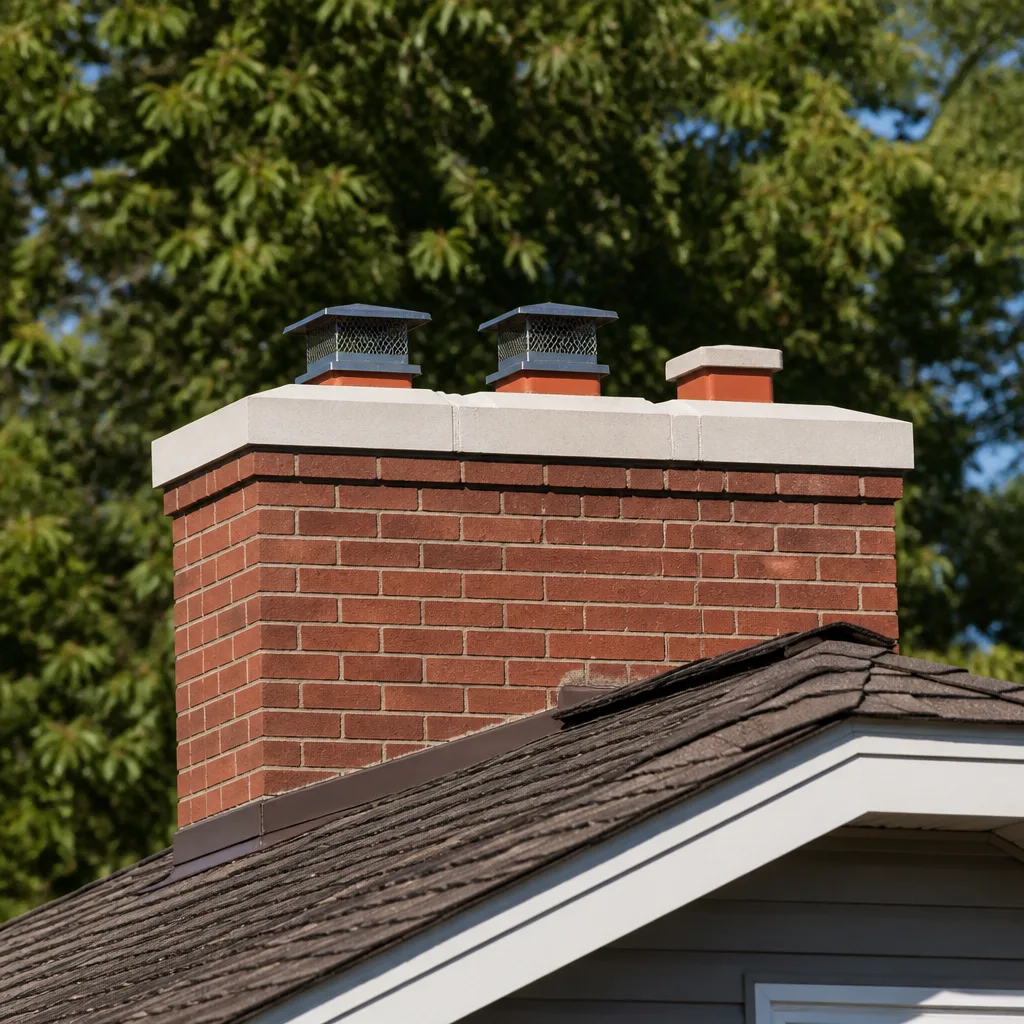
- The crown: the cement cap at the top of the chimney. Look for hairline cracks or a gap where the crown meets the flue. Crown damage is the single most common entry point for water.
- Cap sealant: if you have a cap, the caulk line where it attaches to the crown dries out in this heat. A cap that’s still there but no longer sealed is doing half its job.
- Damper operation: with no fire burning, this is the easy time to test that the damper opens and closes fully and sits flush when closed.
- Exterior masonry: look for loose mortar, spalling brick faces, or white staining (efflorescence) that hints at moisture moving through the wall.
Summer is also the wrong time to schedule masonry repair. Mortar and crown cement cure too fast in 110-degree heat and don’t reach full strength, which is why repair work fits better in spring. The exception is a hazard, such as a cap that has loosened, a loose cap is a real risk to anyone below and should be handled rather than waited on. If summer inspection turns up a problem in the flue itself, resurfacing with HeatShield, which bonds to the existing masonry rather than requiring a full teardown, can restore a deteriorated liner without the demolition a replacement would involve. It’s a repair tier most basic sweep companies can’t offer, and it’s often the smarter option when you’ve caught the damage early.
Monsoon (July – September): Water Intrusion and What to Look For
Monsoon season is when the cracks that opened in summer heat become a route for water. Rain here doesn’t drizzle; it arrives in concentrated bursts, and a chimney that’s been shedding water due to a failed cap or crown will suddenly be taking it in. The signs to look for are mostly visible from inside the house, which makes this the one time of year a homeowner can genuinely self-assess without climbing on the roof.
Signs of water intrusion visible from inside
- Water in the firebox. Any pooling, damp ash, or rust on the damper is a direct sign water is coming down the flue.
- Water stains on the chimney breast. Brown or dark streaks on the wall above the fireplace, or on the ceiling near the chase, mean moisture is in the masonry.
- Efflorescence. White powdery staining on brick or mortar inside the firebox or on the exterior means water has been moving through and leaving salts behind as it evaporates.
- Musty smell. Creosote and ash absorb water. A sour or musty smell coming from the fireplace in summer is often water, not just old soot.
- Rust on metal parts. The damper, the firebox grate, or the cap itself. Rust is evidence water has been sitting where it shouldn’t.
If any of these show up after a storm, the fix generally comes in two parts. First, a proper cap or cover from a line like Gelco, Famco, or Olympia Chimney. A cap that’s engineered for the application sheds water and blocks animals, which replaces the improvised store-bought screen that does neither well. Second, a crown repair or reseal to close the gap between the cap and the masonry. Both are jobs worth doing in spring or early summer, before the next monsoon season. Waiting until the storm is already inside the chimney means you’re repairing damage rather than preventing it.
Pre-Season (September – October): The Optimal Sweep and Inspect Window
If you schedule only one chimney appointment a year in Tempe, this is it. September and October sit between the last meaningful monsoon rain and the first fire of the season. The chimney has had all summer to reveal its problems, and you still have time to fix them before burning. Booking a chimney sweep in this window means you’re cleaning out creosote, soot, and any debris or animal nests from the off-season, and the inspection that comes with it catches structural issues while they’re still small.
What a pre-season sweep and inspection should include
- Creosote removal from the flue, firebox, smoke chamber, and damper area. A thorough sweep reaches all of these, not just the firebox.
- Condition assessment of the flue liner, mortar joints, crown, cap, and firebox. The liner is the part that matters most; a damaged liner is a fire and carbon monoxide risk.
- A written report that separates what’s safe, what needs repair now, and what can be monitored. This documentation matters if you’re buying or selling a home in Tempe, and it’s the piece most sweep companies skip.
- Photos or a camera inspection of areas you can’t see, so you’re not being told to spend money on repairs you can’t verify. Anything we flag comes with visual evidence.
The scheduling side matters too. Every homeowner in the Valley who waited until November is trying to book in the same few weeks, and the pre-season window fills first. Booking in September or October gets you a spot before the rush rather than a scramble after the first cold front. Our technicians have up to 9 years of experience reading exactly these kinds of seasonal patterns, and they’ll tell you plainly when work can safely wait for next season.
Burn Season (November – February): Creosote Monitoring
Once you start lighting fires, the chimney’s needs change from structural to chemical. Creosote is the combustible residue left by burning wood, and it accumulates based on two things: what you burn and how you burn it. In Tempe, the burn season is short and intense. Homeowners who light a fire most nights from November through February will build up creosote faster than someone who burns a couple of times a month, even though the total number of fires is small.
How creosote builds up
- Fuel matters. Seasoned, dry hardwood leaves less creosote than green or unseasoned wood. Wet wood burns cooler and smolders, which is exactly the condition that deposits creosote faster.
- Fire temperature matters. A hot, well-ventilated fire burns cleaner. A smoldering, starved fire produces more creosote and leaves it on the flue walls.
- Frequency compresses. Burning nightly for four months is the same amount of creosote buildup as six months of lighter use. The season is shorter here, but the rate isn’t lower.
The CSIA classifies creosote in three stages. Stage 1 is light soot; Stage 3 is a glazed or hardened deposit that is a mandatory repair, not a recommendation. A pre-season sweep clears whatever built up last year, but if you burn heavily through the season, a mid-season check is worth scheduling, especially if you notice reduced draft, a smoky smell, or a fire that’s harder to light than it used to be. Those are signs creosote has built up enough to restrict airflow. If you’re unsure, a call is cheaper than a chimney fire. Any repair a mid-season inspection turns up is quoted in writing before work starts, and we’ll tell you if it can wait until spring.
Spring (March – May): Cover, Damper, and Repair Timing
Spring is the quiet season for a chimney, and that makes it the best window for the work that’s hard to do in summer heat. Mortar, crown cement, and resurfacing materials all cure best in moderate temperatures. If your inspection last fall flagged repairs that could wait, spring is when to schedule them, before June turns the roof into an oven and slows your project down.
Spring is also the time to close up the chimney for the off-season:
- Clean out the firebox from the last burn of the season. Ash holds moisture and acidity against the firebox floor.
- Check the damper. It should close fully and sit flat, so cool air and insects stay out and your conditioned air stays in through summer. A loose damper is a small, cheap fix in spring and a frustration in July.
- Confirm the cap is secure. High winds and summer sun loosen caps. A cap that comes loose before monsoon season is worse than no cap at all.
- Schedule masonry repair while the temperatures allow proper curing. Crown rebuilds, tuckpointing, and flue resurfacing all fit into spring better than any other window.
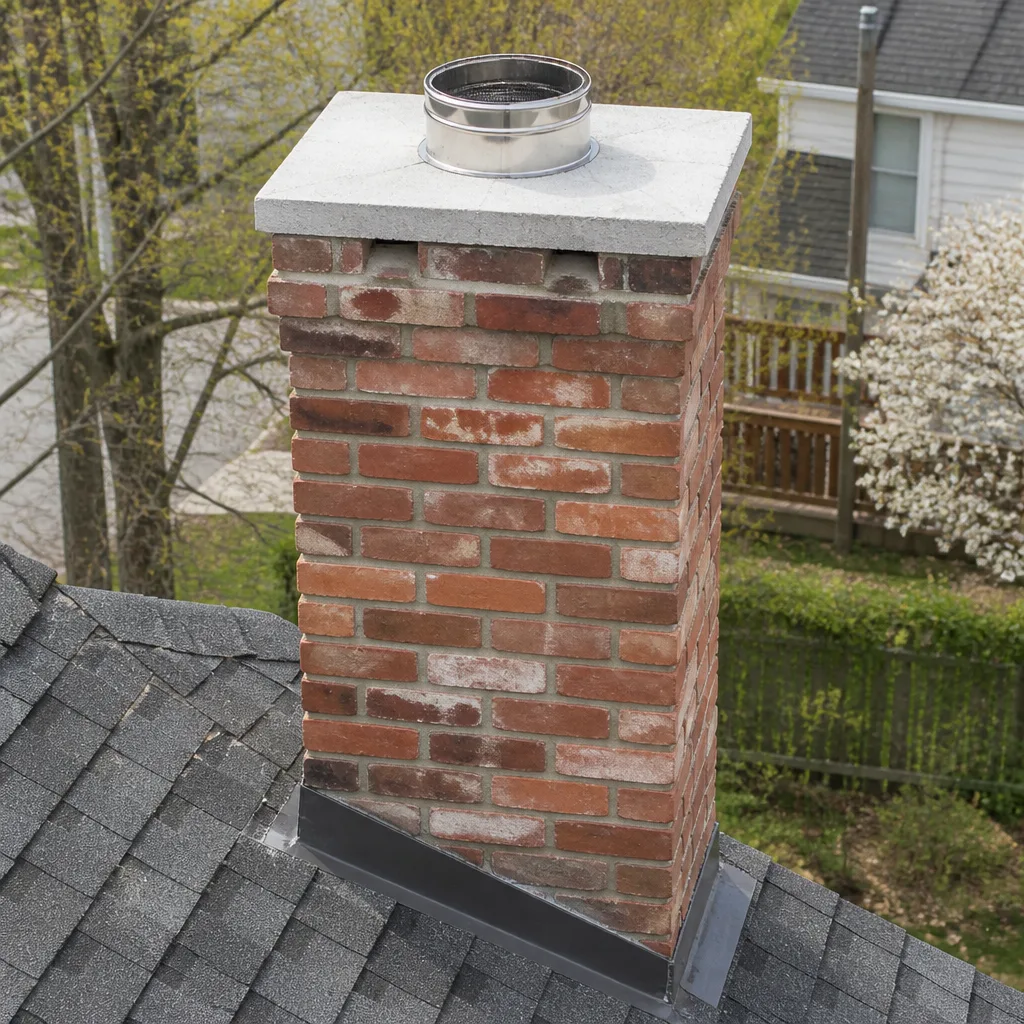
If last season’s inspection pointed to a deteriorating flue, spring is when to act on it. HeatShield resurfacing restores the structural integrity of a damaged flue in many cases, without requiring a full liner replacement, which is a significant cost difference when the damage hasn’t gone too far. Where a full reline is the right call, DuraFlex flexible liner systems handle both partial and full relining. Both are worth pricing while the weather is cooperative. When the repair is caught in the right season, it stays a repair.
Common Mistakes to Avoid
- Waiting until November to book. By then every homeowner in the Valley has the same idea, and the pre-season window that actually protects your chimney has already closed. September or October is the window to schedule, not the week before your first fire.
- Treating a sweep as the whole job. A sweep cleans; it doesn’t tell you whether the flue is crack-free. In Tempe, where summer heat opens mortar joints, the inspection is the part that catches what cleaning leaves behind. Clean and sound are two different tests.
- Using an improvised cap. A hardware-store screen or a loose cover isn’t engineered to shed monsoon rain or block animals. Purpose-built caps from a chimney line are built for the job, and they save you the recurring repair.
- Skipping spring repair scheduling. Mortar and crown work done in 110-degree heat cures too fast and won’t last. Pushing a repair from spring into summer is asking it to fail early.
- Assuming a short burn season means less creosote. Four months of nightly fires builds the same creosote as six months of lighter use. A short season isn’t a lighter one.
- Ignoring interior water signs. Water stains on the chimney breast or a damp firebox in the middle of summer are easy to dismiss as the dry-season norm. It’s monsoon moisture, and it’s the leading cause of structural damage in Tempe chimneys.
- Burning unseasoned wood to save money. Wet wood smolders and deposits creosote faster, which costs more in cleaning and risk than dry wood ever saves. Season it before you burn it.
See the difference
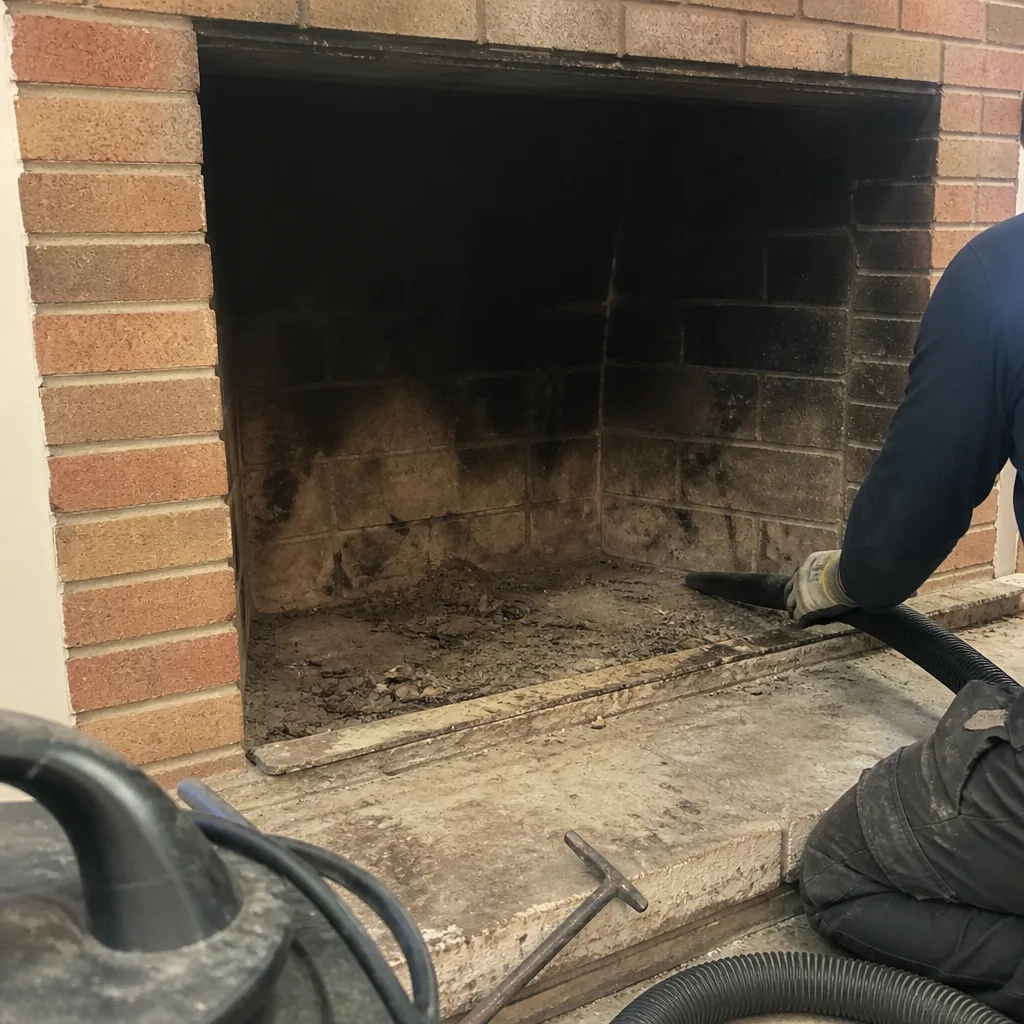 Before
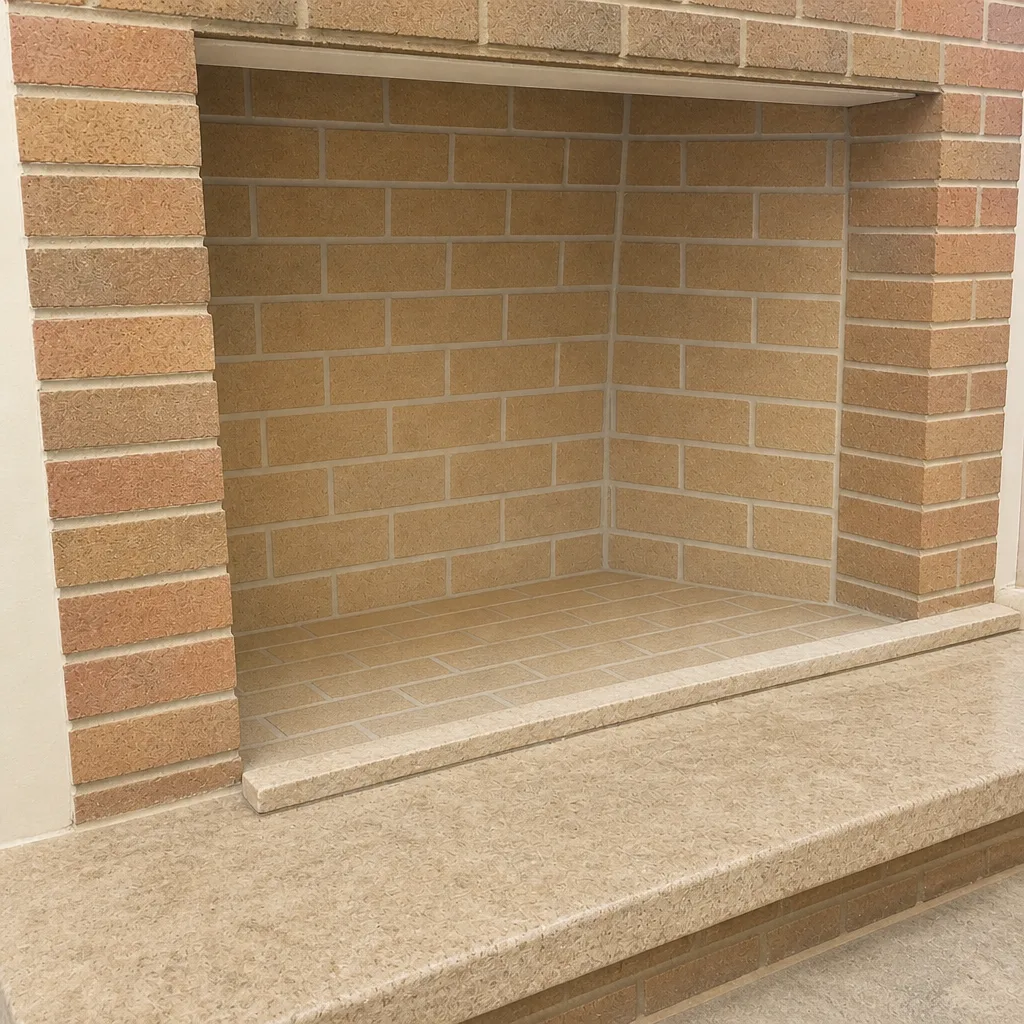 After
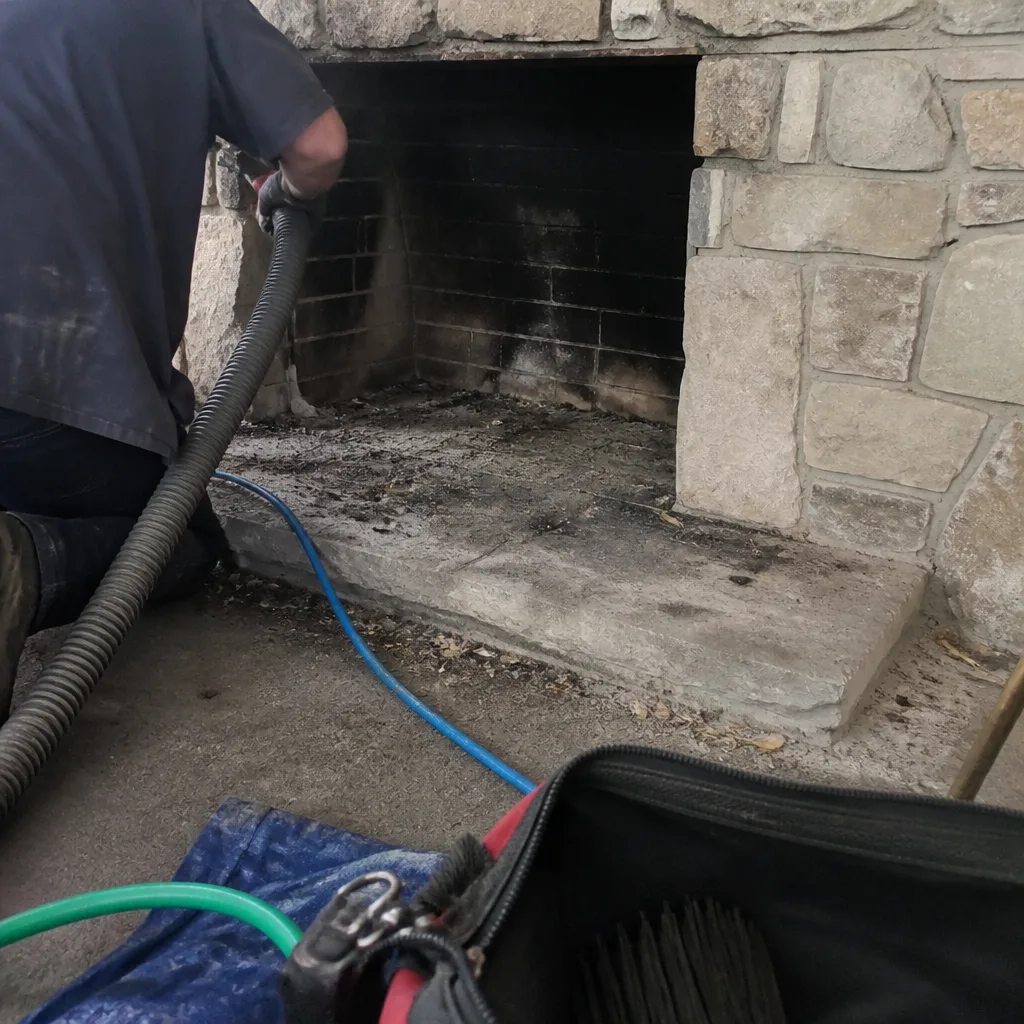 Before
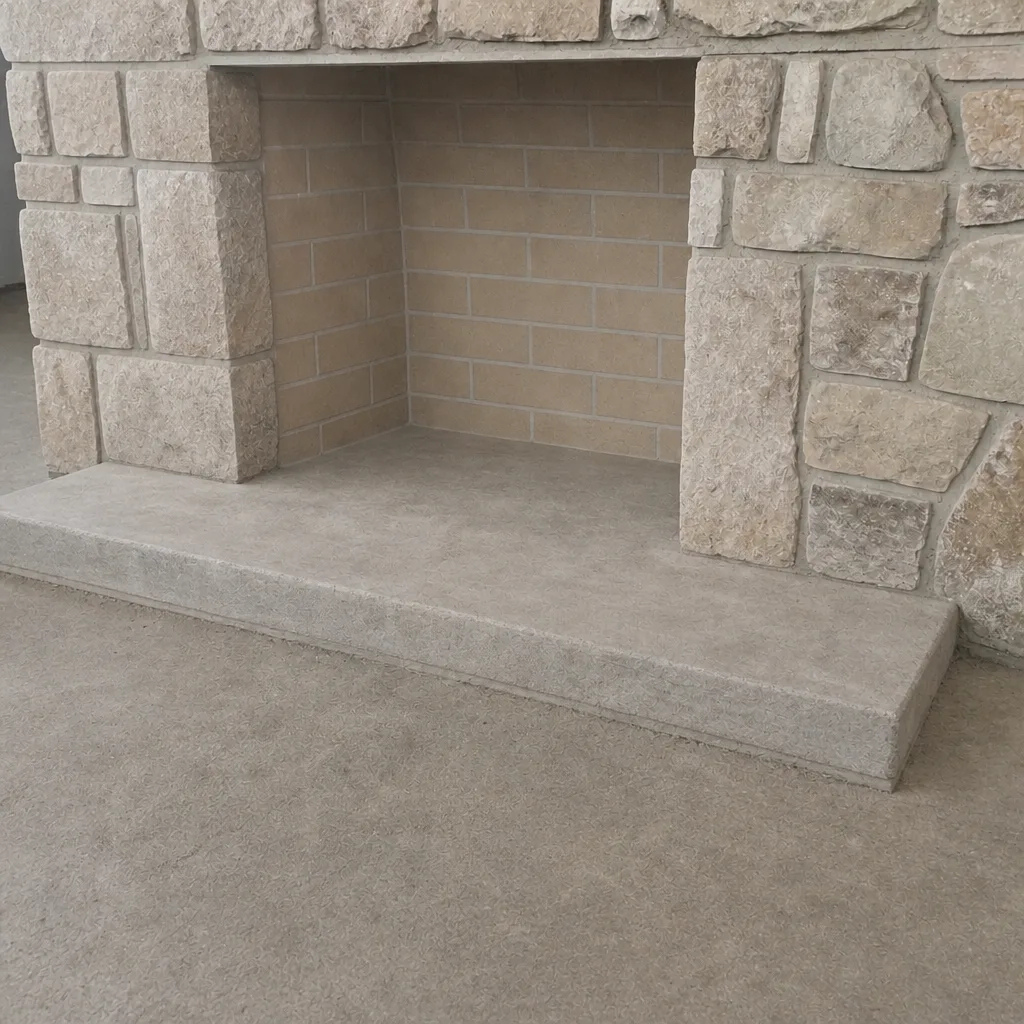 After
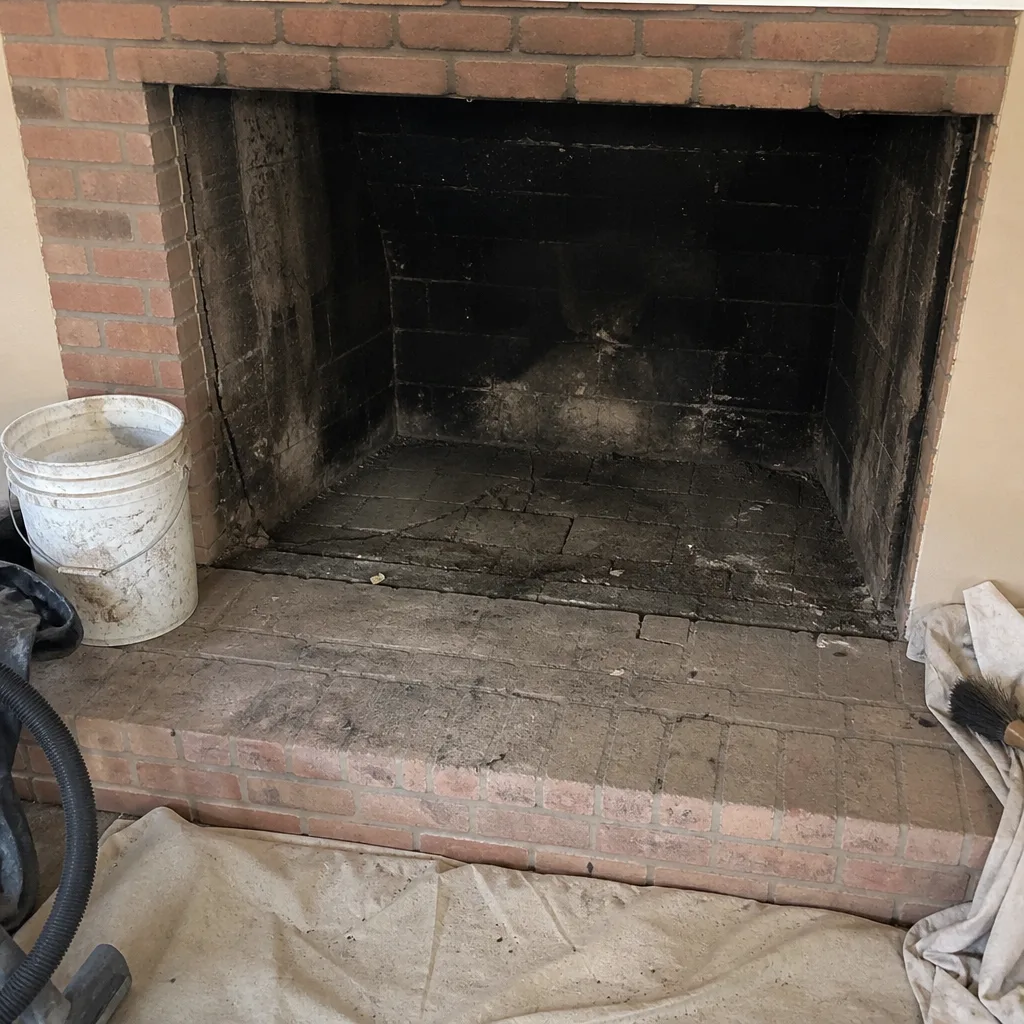 Before
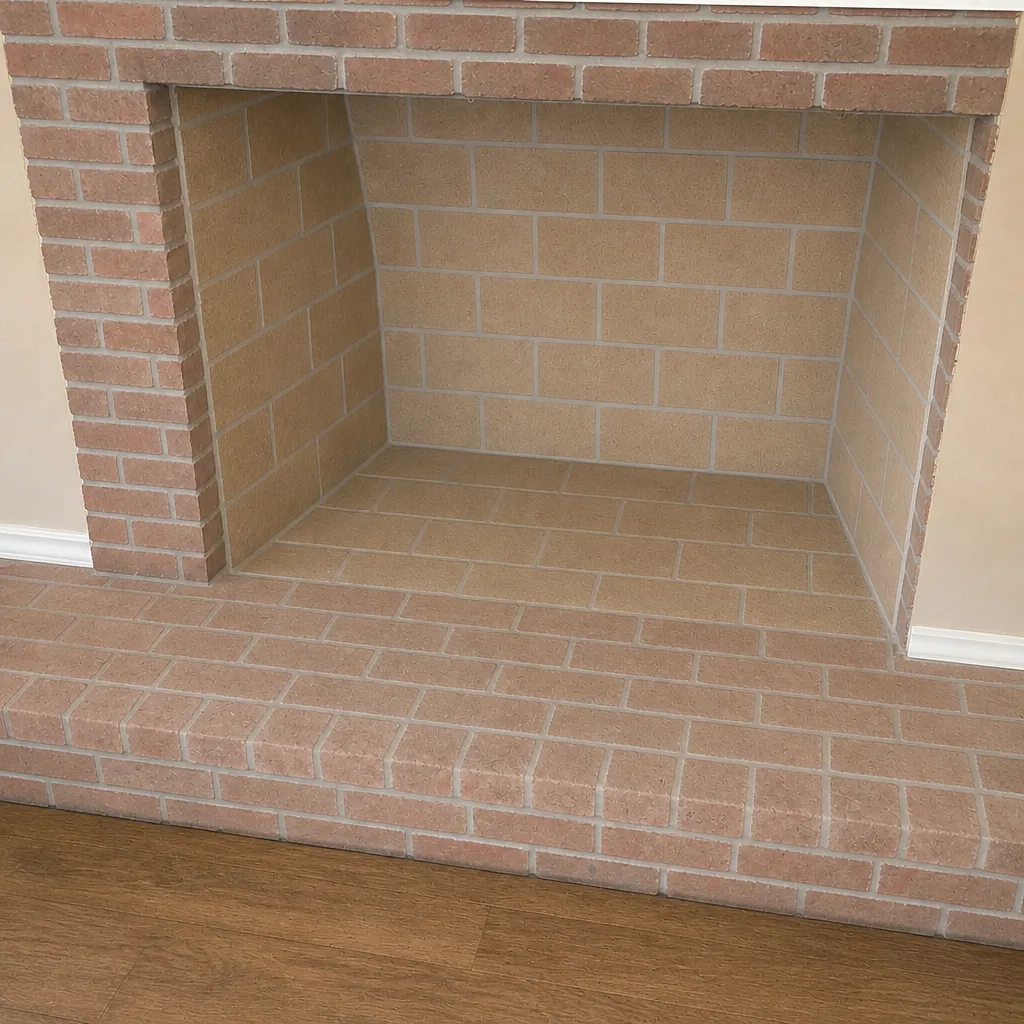 After
When to Call a Professional
Some things in a chimney are checkable from the living room. Others aren’t, and the ones in the flue are the ones that matter most. Call a professional when you see water in the firebox, water stains on the chimney breast or ceiling near the chase, or a sour smell coming from the fireplace. Call when the damper won’t close fully, when a fire drafts poorly or smokes into the room, and when the cap looks loose or missing. And call for the annual sweep and inspection, ideally in September or October, before the burn season starts. The liner, the crown, and the interior of the chase are not things to assess by eye or by ladder. Chimney repair and inspection travel together here, which is the whole reason to work with a specialist rather than a generalist. Tempe Chimney Sweep offers free estimates in Tempe. Call (866) 827-7102. We answer 24/7. Fast dispatch from 7am to 7pm, Sunday through Friday.
Frequently Asked Questions
Once a year for most wood-burning fireplaces, timed to the September – October pre-season window before the burn season starts. If you burn heavily through November to February, a mid-season check is worth adding. Each year’s sweep is also your chance to catch summer and monsoon damage before it compounds. Call (866) 827-7102 for an exact quote, estimates are free.
September or October is ideal. The monsoon has finished, the chimney has revealed any summer damage, and you still have time to fix what the inspection finds before your first fire. Booking in that window beats the November rush when every homeowner in the Valley is trying to schedule. Call (866) 827-7102 to book that window now, estimates are free.
No. Creosote builds up based on burn frequency and fuel quality, not the length of the season. Nightly fires for four months deposit the same amount as six months of lighter use. Dry, seasoned wood and hot fires slow the buildup, but they don’t eliminate it. Call (866) 827-7102 with your burning habits and we’ll tell you what a realistic sweep schedule looks like for your chimney.
Look for water in the firebox, damp ash, rust on the damper, water stains on the chimney breast or ceiling near the chase, and white powdery staining on the interior masonry. Any of these means moisture has reached the masonry or metal. Call (866) 827-7102 and we’ll inspect it, with photos and a camera report, so you can see what we see, and know whether it’s safe to wait until spring or needs attention now.
Not well for most repairs. Mortar, crown cement, and resurfacing materials cure too fast in summer heat and won’t reach full strength. That’s why spring is the right time for crown rebuilds, tuckpointing, and flue resurfacing with HeatShield. The exception is a loose cap or a hazard that shouldn’t wait. Call (866) 827-7102 and we’ll recommend the right season for your repair, and say plainly when it can wait.
You won’t know from looking, and that’s the point. A liner that’s cracking or separating internally is still visible from the outside. Only a camera inspection confirms the condition, which is why the sweep and the inspection should happen together. If the flue is deteriorated but not past saving, resurfacing can restore it without a full replacement. Call (866) 827-7102 for an inspection with evidence you can see before you commit to anything.
The Bottom Line
Tempe’s chimney calendar doesn’t follow the seasons on the calendar. Summer heat opens mortar joints and dries out cap sealants; monsoon rain drives water into those gaps; the burn season compresses into a 90-day window that builds creosote at full speed. That gives you a clear schedule: September and October for the sweep and inspection, July through September for water intrusion checks, November through February for creosote monitoring, and March through May for any masonry repair before the heat arrives. Clean and structurally sound are two different tests, and a proper sweep and inspection covers both. If you’re ready to work with a company that handles Tempe Chimney Sweep standards from cleaning through repair, we’re here to help with cap and cover components from Copperfield when you need them. Call (866) 827-7102 for a free estimate. We answer 24/7. Fast dispatch from 7am to 7pm, Sunday through Friday.
Written by the team at Tempe Chimney Sweep.