
Last updated November 15, 2026
 Sweep & inspection
 Caps & crowns
 Flue relining
 Masonry repair
 Gas fireplace service
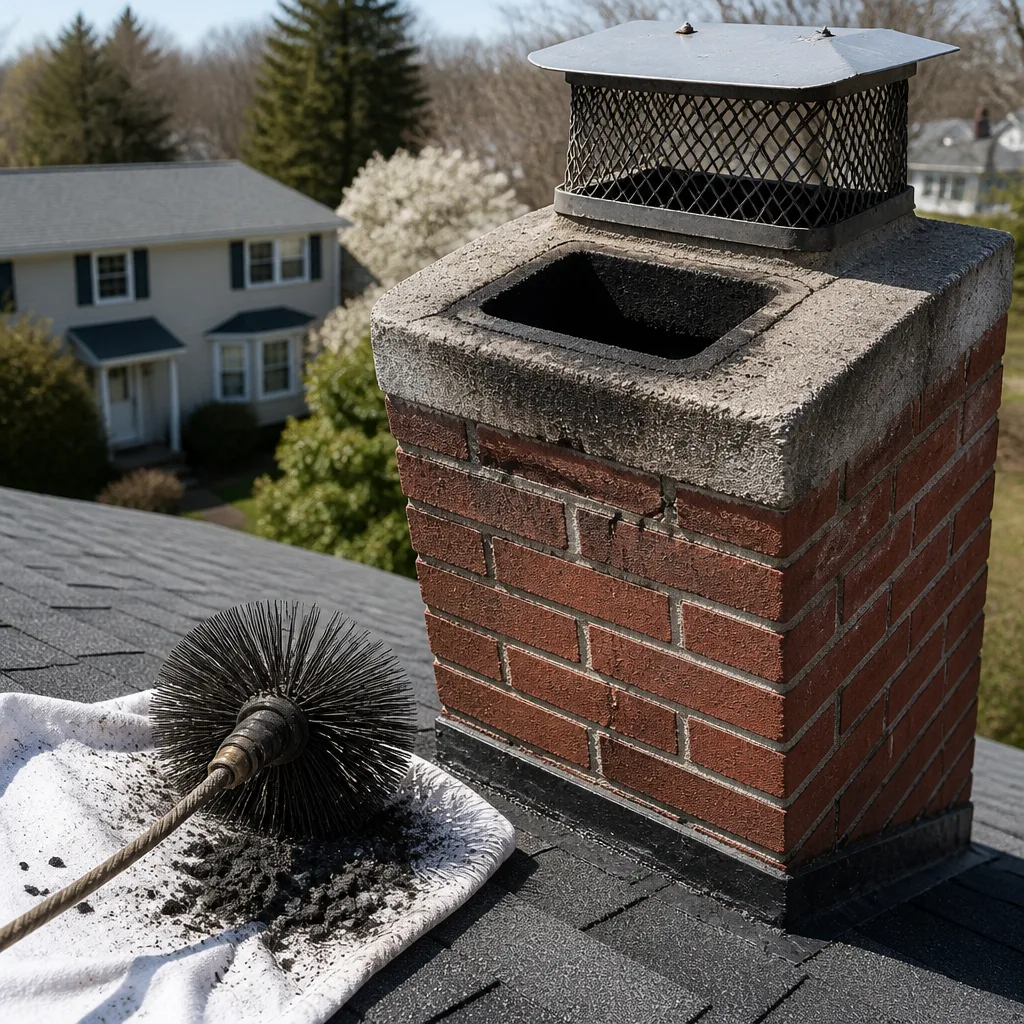
Level 1 sweep and inspection to the NFPA 211 annual standard - flue, crown, cap, and flashing checked and photographed
Chimney sweep logs do not sweep chimneys. They loosen some creosote - which then falls where a brush and vacuum still have to collect it.
Chimney Cleaning Cost Breakdown: The Tempe Homeowner’s Reference for 2026
The $89 chimney sweep advertised on every coupon site in Tempe is real. It also covers exactly one thing: a brush run down a single flue, with no camera inspection and no written report. You’ve paid for a clean flue and learned nothing about what’s inside it. That gap is where unexpected repair bills get born, because the homeowner who doesn’t know the condition of their flue can’t budget for it, argue with a quote, or tell a real problem from a sales pitch. This guide takes the price apart piece by piece, so you can build a realistic 2026 budget for a Tempe chimney before anyone knocks on your door.
Quick Answer
A basic chimney sweep in Tempe typically costs $150 to $300 in 2026, a sweep bundled with a Level 1 inspection runs $250 to $425, and a sweep plus a Level 2 camera inspection usually lands between $350 and $650. Repair work found during the sweep is priced separately, from around $250 for a cap replacement up to several thousand dollars for a full reline. The written estimate you receive sets the final price.
Styles & brands we work with
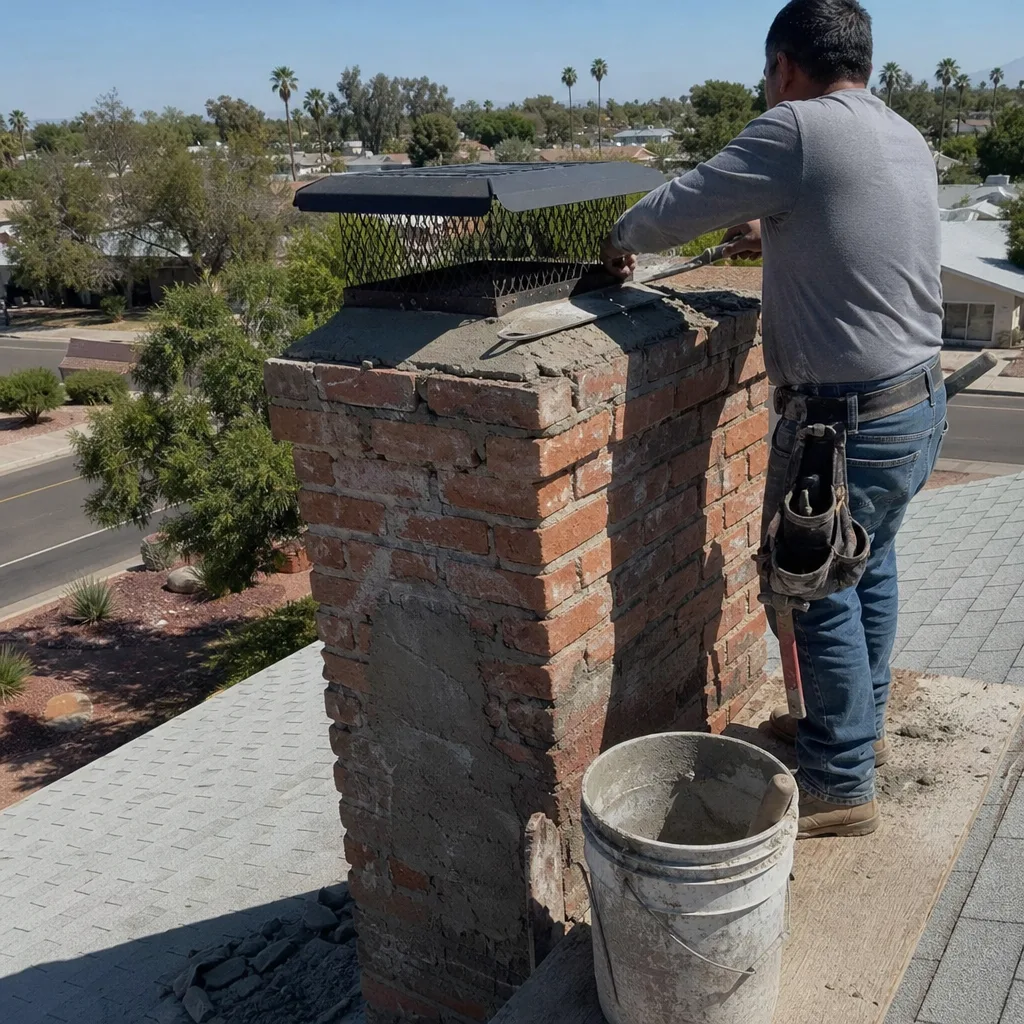
- Sweep & inspection
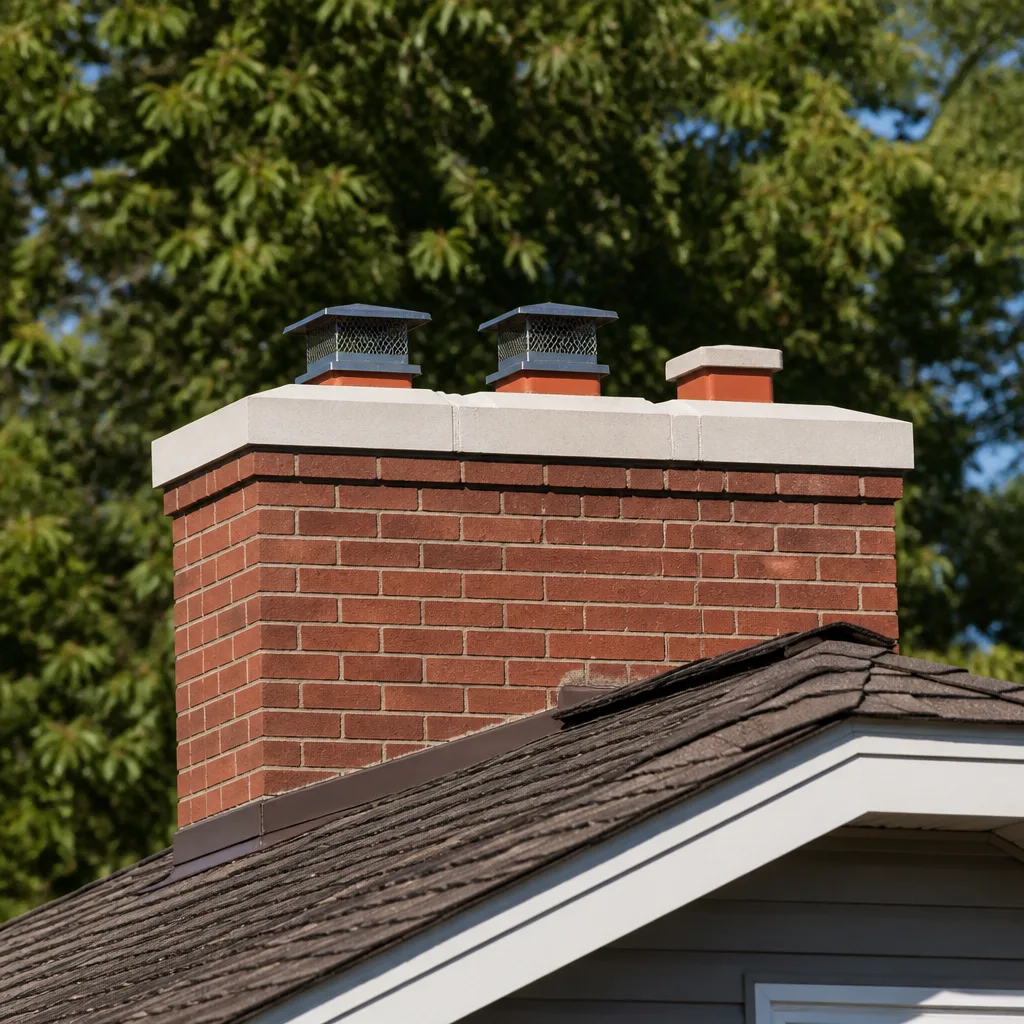
- Caps & crowns
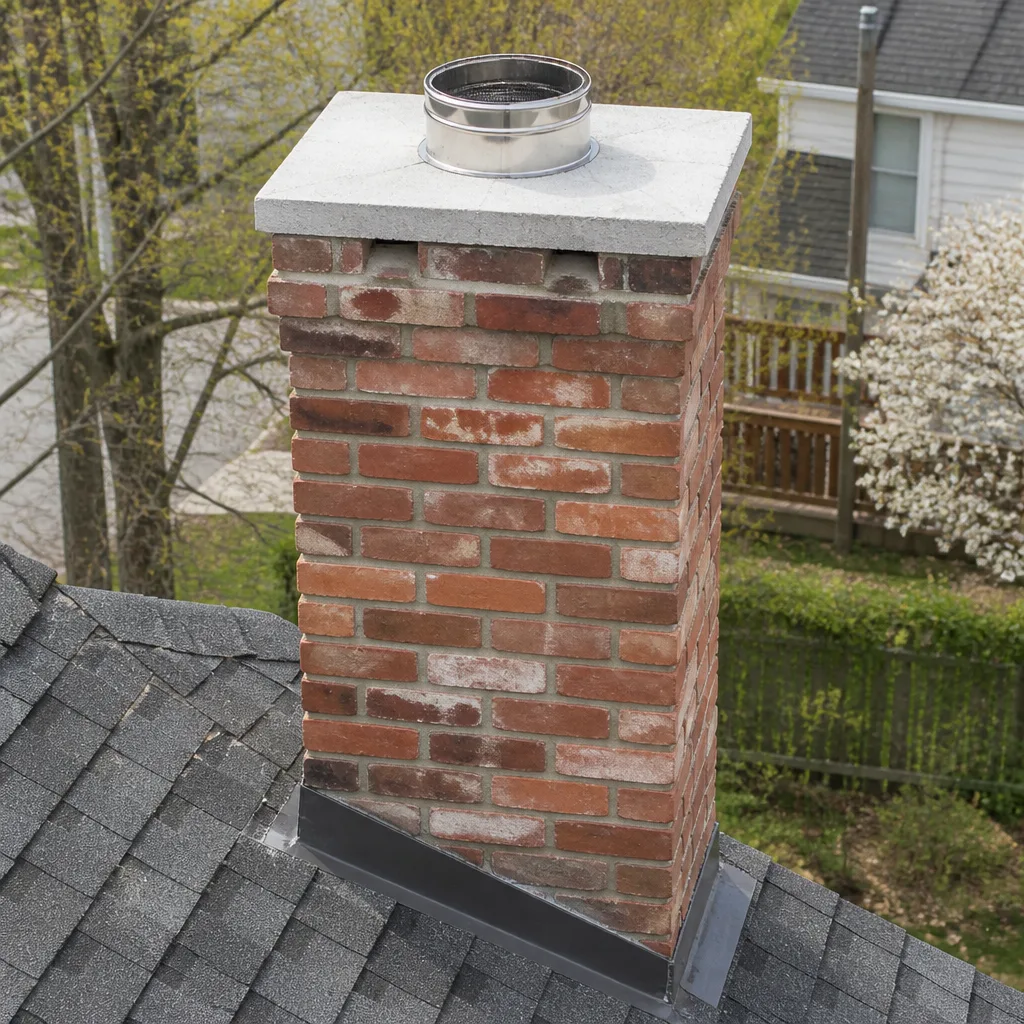
- Flue relining
- Masonry repair
- Gas fireplace service
Table of Contents
- Why Chimney Cleaning Prices in Tempe Are So Hard to Compare
- The Three Service Levels and What Each One Actually Covers
- What Legitimately Drives Price Variation in Tempe
- Add-Ons That Are Real Repairs vs. Add-Ons That Are Upsells
- Repair Cost Benchmarks for What a Tempe Sweep Usually Finds
- The Cost of Delay: What a $350 Repair Becomes When You Wait
- Questions to Ask Before You Book a Sweep
Why Chimney Cleaning Prices in Tempe Are So Hard to Compare
Most companies advertise a lead price that gets you in the door, then adjust scope once they’re standing on your roof. That isn’t unique to Tempe, but the local housing stock makes it worse. A lot of homes here have flat or low-slope roofs, unusual flue configurations, and additions built over the years that changed how the chimney penetrates the roofline. Each of those complicates access, and access is one of the biggest swing factors in a cleaning price.
A fair quote has to describe the flue, not just the service. “Chimney sweep: $89” tells you nothing. “Sweep of one wood-burning flue, from the roof, no camera” tells you what you’re buying and what you aren’t. When you compare quotes in Tempe, compare the scope line, not the headline number.
Three things usually sit outside the advertised price and get added later:
- Inspection. A brush sweep and an inspection are different services. The sweep removes creosote; the inspection tells you the condition of the flue, cap, crown, damper, and firebox. Selling one and implying the other is the most common way a low price becomes a mid-range bill.
- Access. A flue that’s easy to reach from a low flat roof prices differently than one behind a parapet or a steep slope. That difference is real, not a penalty.
- Findings. If the sweep uncovers a cracked crown, a loose cap, or a compromised flue liner, that repair is a separate line item. The good news is it’s a separate conversation, and you should be allowed to think about it.
The reason this matters in Tempe specifically is volume. There are a lot of chimneys here, a lot of low-roof access, and a lot of homeowners who deferred maintenance for years after the mild winter made it easy to forget. When a sweep company is busy, the low advertised price tends to come with a longer “recommended repairs” list in the driveway. The written estimate is your defense, so insist on one before work starts. We work this way because it’s the only way a homeowner can say yes with confidence. If you want the full picture of what a chimney sweep involves before the price conversation, read that page first.
The Three Service Levels and What Each One Actually Covers
The single biggest source of confusion in Tempe chimney pricing is that “chimney cleaning” gets used for three different services. They cost different amounts because they do different work. Knowing which one you’re buying is the whole game.
| Service Level | What’s Included | Typical 2026 Tempe Range |
|---|---|---|
| Sweep only | Brush and vacuum of one flue, creosote removal, no camera, no written report | $150 – $300 |
| Sweep + Level 1 inspection | Sweep plus a visual check of accessible components (cap, crown, damper, firebox, visible flue), written findings | $250 – $425 |
| Sweep + Level 2 camera inspection | Sweep plus video scan of the full flue interior, documented condition report with photos, recommended repairs tiered by urgency | $350 – $650 |
Here’s what each level actually tells you.
- Sweep only. The flue gets cleaned. You know it’s cleaner than it was. You don’t know if the liner has a crack, if the crown is failing, or if creosote has glazed into a Stage 3 deposit that brushing alone won’t remove. On a chimney that’s been routinely maintained and inspected, this can be enough.
- Sweep + Level 1 inspection. Add a visual walkaround of everything visible without tools. This catches the obvious stuff: a missing cap, a cracked crown, a rusted damper, animal nesting at the top. It’s the reasonable baseline for most homeowners in Tempe who’ve had the chimney serviced within the last few years.
- Sweep + Level 2 camera inspection. Add a video scan of the flue interior. This is the only level that reveals hidden liner cracks, gaps at the flue collar, offset ledges where creosote collects, and the actual interior condition of the masonry. If you’ve bought an older Tempe home with unknown chimney history, or the chimney hasn’t been looked at in years, this is the level that closes the gap.
In our experience, the Level 2 camera inspection is where the money debate happens. Some homeowners see it as an unnecessary add-on. The honest answer is that a brush sweep cannot reveal a liner problem, because you can’t see inside the flue while you’re brushing it. If you want to know whether the flue is structurally sound, the camera is the only way to find out.
What Legitimately Drives Price Variation in Tempe
Not all price differences are upsells. Some jobs genuinely cost more, and knowing which is which protects you from being overcharged and also from being suspicious of a fair quote. Here are the factors that legitimately move the number, specific to Tempe homes.
- Flue height. A one-story flat-roof chimney is quick to access. A two-story flue, or one with a tall stack above the roofline, takes longer and often requires additional setup. Height is a real cost.
- Number of flues. A fireplace sharing a masonry structure with a furnace flue or a second fireplace means more than one flue to clean. Each flue is a separate scope line.
- Fuel type. A wood-burning flue carries creosote; a gas flue mostly carries soot and condensation. The cleaning approach differs, and a gas insert that hasn’t been serviced can present specific venting issues. This is one reason to always quote by fuel type, not just “chimney.”
- Last cleaning date. A chimney that hasn’t been cleaned in several seasons carries more creosote, which takes longer to remove. Heavy or glazed deposits may require more than a standard brush pass.
- Access difficulty. Tempe’s flat and low-slope roofs are often easier than a steep pitch, but parapet walls, rooftop equipment, and screen enclosures can complicate the approach. A flue tucked behind an addition is a different job than a clear one.
- Condition found. A flue in good condition prices at the base rate. A flue that needs significant creosote removal before the sweep can even complete prices higher because the work is more involved.
What’s not a legitimate reason for a higher price: the technician deciding in the driveway that your chimney “needs” something that wasn’t in the scope and can’t be shown to you on a camera. We price chimney work in Tempe per job, based on what the inspection actually shows, with a written estimate before any tool leaves the van. The estimate is free, and the scope is the scope.
Add-Ons That Are Real Repairs vs. Add-Ons That Are Upsells
Most of the fear around chimney service comes down to a single question: how do I know whether the repair I’m being quoted is real? The honest answer is that you can’t, unless you’re shown the evidence. A camera inspection changes that. When you see the crack on the screen, you’re not taking anyone’s word for it.
Here’s the difference in practice.
Legitimate repair findings you should expect
- A visible crack in the flue liner, shown on camera. Liner cracks allow heat and combustion gases to reach the surrounding structure, so this is a real safety issue, not a cosmetic one.
- A crown with visible cracking or separation from the flue. The crown is the concrete cap at the top of the chimney. When it fails, water gets into the masonry. That’s a slow problem that gets expensive if ignored, and an honest tech will show you the crown on the roof.
- A missing or damaged cap. Caps keep rain, animals, and debris out of the flue. A missing cap on a Tempe chimney also means birds and squirrels can get in, which is a real and recurring problem here.
- A rusted or seized damper. If the damper won’t open or close properly, the fireplace isn’t operating safely or efficiently.
- Stage 3 glazed creosote. Creosote has three classifications, and Stage 3 is glazed and hardened. It doesn’t come off with a standard brush and it’s a fire hazard. Stage 3 is a mandatory repair, not a recommendation.
Pressure tactics that are not repair findings
- “Your liner needs replacing” with no camera evidence. If you can’t see the crack, get a second opinion. Serious liner replacement is not a decision to make on a driveway.
- A sweeping recommendation to “reline as a precaution” when the camera shows no defect. There are legitimate cases where a flue is marginal and relining is the safer path, but those cases should be discussed with the evidence in front of you, not sold as a blanket upgrade.
- Any repair quote that arrives before the inspection is complete. The inspection is the diagnostic. A repair recommendation without it is a guess, and an expensive one.
This is where the repair side of the business matters. We source liners and components from named chimney brands like DuraFlex and HeatShield, so a real repair is specified with purpose-built materials, not improvised parts. And because we handle chimney repair as well as the sweep and the inspection, the findings from your sweep translate directly into a quote from the same team, without a second contractor showing up to re-explain the problem.
Repair Cost Benchmarks for What a Tempe Sweep Usually Finds
These are typical 2026 ranges for the repairs most commonly identified during a Tempe sweep. Every chimney is different, and the written estimate sets the final price, but these benchmarks give you a realistic budget frame before you book.
| Repair | Typical 2026 Tempe Range | Notes |
|---|---|---|
| Chimney cap replacement | $250 – $650 | Depends on size and material; stainless and custom-fit caps sit at the higher end |
| Damper repair or replacement | $300 – $800 | Top-mount dampers and full assemblies price higher than a simple repair |
| Crown coat / crown repair | $400 – $900 | Resurfacing and re-sealing the crown; scope depends on the extent of cracking |
| Flue resurfacing (HeatShield) | $1,200 – $2,800 | Restores a deteriorating flue without a full liner replacement; priced by flue length and condition |
| Partial liner repair | $1,500 – $3,500 | Targeted repair of a damaged section |
| Full chimney reline (DuraFlex) | $3,500 – $7,500+ | Full-length flexible liner installation; priced by flue height, liner type, and access |
The HeatShield resurfacing line is worth understanding, because it’s the repair most often missed. When a flue is deteriorating but not yet fully failed, HeatShield resurfacing can restore the structural integrity of the flue without a full liner replacement. That’s a meaningful cost difference compared to a reline, and it’s a repair tier that basic sweep-only companies simply can’t offer. If you’ve been told you need a full reline, it’s fair to ask whether resurfacing is an appropriate option for your flue.
Caps and covers are another place where materials matter. We specify caps from Gelco and Olympia Chimney lines because a chimney cap has to be engineered for the flue size and the weather it will face, not picked off a hardware store shelf. A generic cap that doesn’t fit properly lets water in around the edges, which defeats the purpose.
The Cost of Delay: What a $350 Repair Becomes When You Wait
Deferred chimney maintenance is the single most expensive habit in this trade, and Tempe’s mild winters make it easy to skip. The fireplace gets used less, nothing obvious breaks, and the sweep gets put off another season. The problem is that chimney failures don’t stay the same size. They progress.
Here’s the realistic progression, described as general failure patterns rather than any specific job.
- A cracked crown coat. Inexpensive to reseal when caught early, often in the $400 to $500 range. Left alone, water gets behind the crown and into the masonry below.
- Water intrusion into the masonry. Once water is inside the brick and mortar, the freeze-thaw cycle isn’t the issue in Tempe, but continued wetting and drying degrades the mortar joints. The repair scope grows from a crown coat to masonry repair, and the cost moves into four figures.
- A cracked flue liner. A small liner crack that could be addressed with HeatShield resurfacing can widen with continued heating and cooling. Once the liner is compromised along its length, resurfacing may no longer be appropriate, and a full reline becomes the correct repair. That’s the jump from roughly $1,200 to $2,800 up to $3,500 to $7,500+.
- A Stage 3 creosote deposit. Creosote that’s been allowed to build and glaze for multiple seasons becomes a fire hazard and requires more involved removal before a sweep can even complete. The deposit is also a sign the chimney has been burning inefficiently.
None of this is a scare tactic. It’s the actual progression of chimney failure, and the reason the inspection matters more than the sweep itself. The sweep keeps the flue clean. The inspection is what tells you whether you’re at step one or step three. A homeowner who knows the flue has a cracked crown coat and a healthy liner can budget and schedule the repair. A homeowner who never looked doesn’t find out until the problem has grown. The math strongly favors catching it early.
Questions to Ask Before You Book a Sweep
The best defense against an unexpected bill isn’t a rule of thumb, it’s a short set of questions asked before booking. Any chimney company worth hiring will answer them without hesitation.
- What’s included in this price, exactly? Sweep only, or sweep plus inspection? Level 1 or Level 2 with camera? Get the scope in writing before the appointment.
- Will I get a written report? An inspection that doesn’t produce documentation isn’t an inspection. You want the findings in writing, with photos if camera work is involved.
- If you find a repair, will you show me the evidence? A camera screen you can see, a photo you can keep. If a technician can’t show you the problem, you shouldn’t be buying the fix.
- Can you tell me what can safely wait? A good inspection tiers the findings: repair now, monitor this season, revisit next year. A company that recommends everything immediately is telling you something about itself.
- What brands do you use for repair materials? Named components indicate purpose-built parts. Ask whether liners, caps, and resurfacing materials come from recognized chimney manufacturers.
- Does the same company do the repair? A sweep company that hands off repair work to someone else means the findings have to be re-explained and re-quoted. The company that did the inspection should be able to quote and complete the repair.
For a fuller picture of the diagnostic side of the business, the Tempe Chimney Sweep overview covers how the three services fit together and what the condition assessment is designed to answer.
Common Mistakes to Avoid
- Booking on the lowest advertised price. The $89 price is real, but it’s a sweep with no inspection and no report. If you want to know your flue’s condition, budget for the service level that actually tells you.
- Skipping the camera inspection on an older Tempe home. Homes with unknown chimney history, additions, or a fireplace that hasn’t been serviced in years are exactly the cases where the Level 2 camera inspection pays for itself.
- Saying yes to a repair without seeing the evidence. A liner replacement quoted in the driveway with no camera showing the defect is not a quote, it’s a guess. Ask to see it.
- Treating the sweep as the whole service. The sweep cleans. The inspection diagnoses. Skipping the inspection is how homeowners end up surprised by repair bills later.
- Deferring maintenance because the winter was mild. Tempe’s mild winters are the reason chimneys get skipped, not a reason they don’t need service. Creosote builds with use; crowns and caps degrade with weather either way.
- Letting a cracked crown or failing cap wait a season. These are small repairs that grow into much larger ones when water is allowed to get into the masonry over multiple seasons.
- Not asking which materials will be used. A repair is only as good as the part. Purpose-built chimney components from recognized brands outperform hardware-store substitutes, and it’s fair to ask.
See the difference
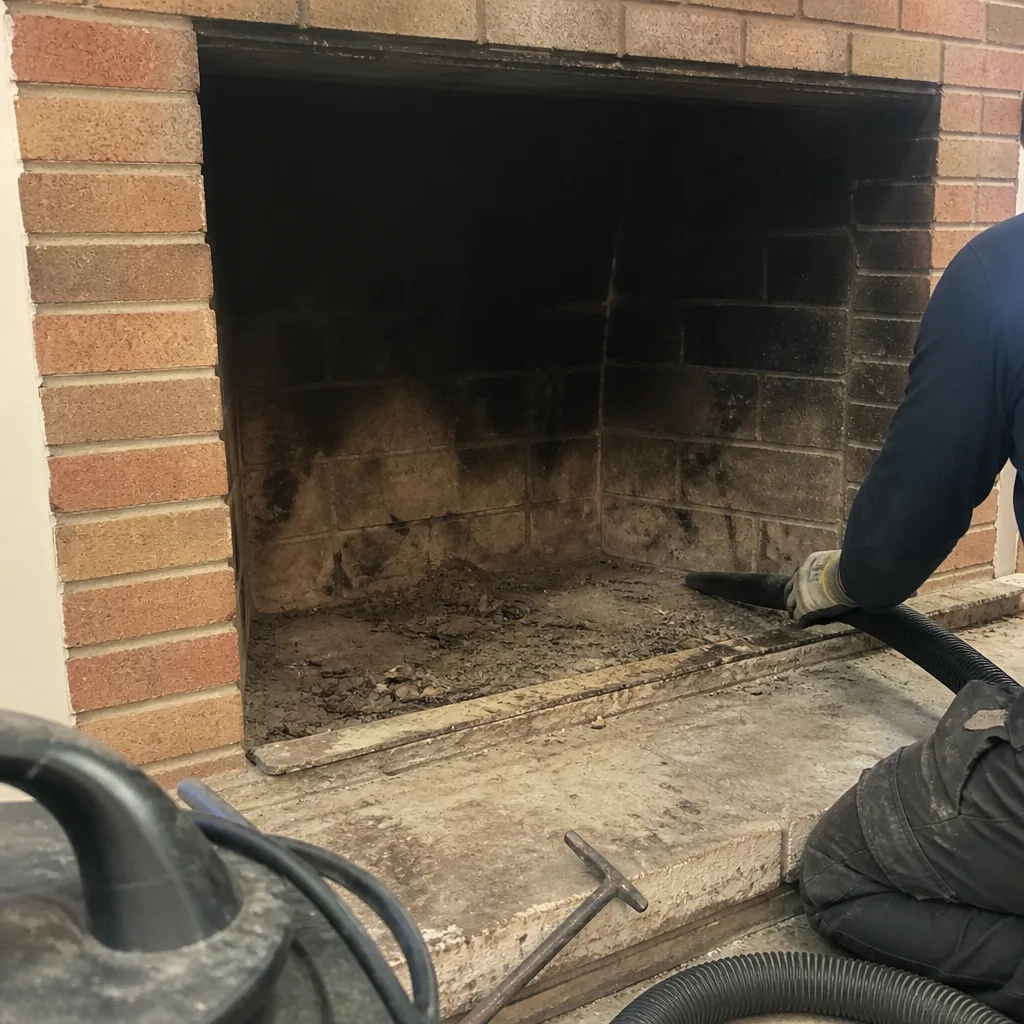 Before
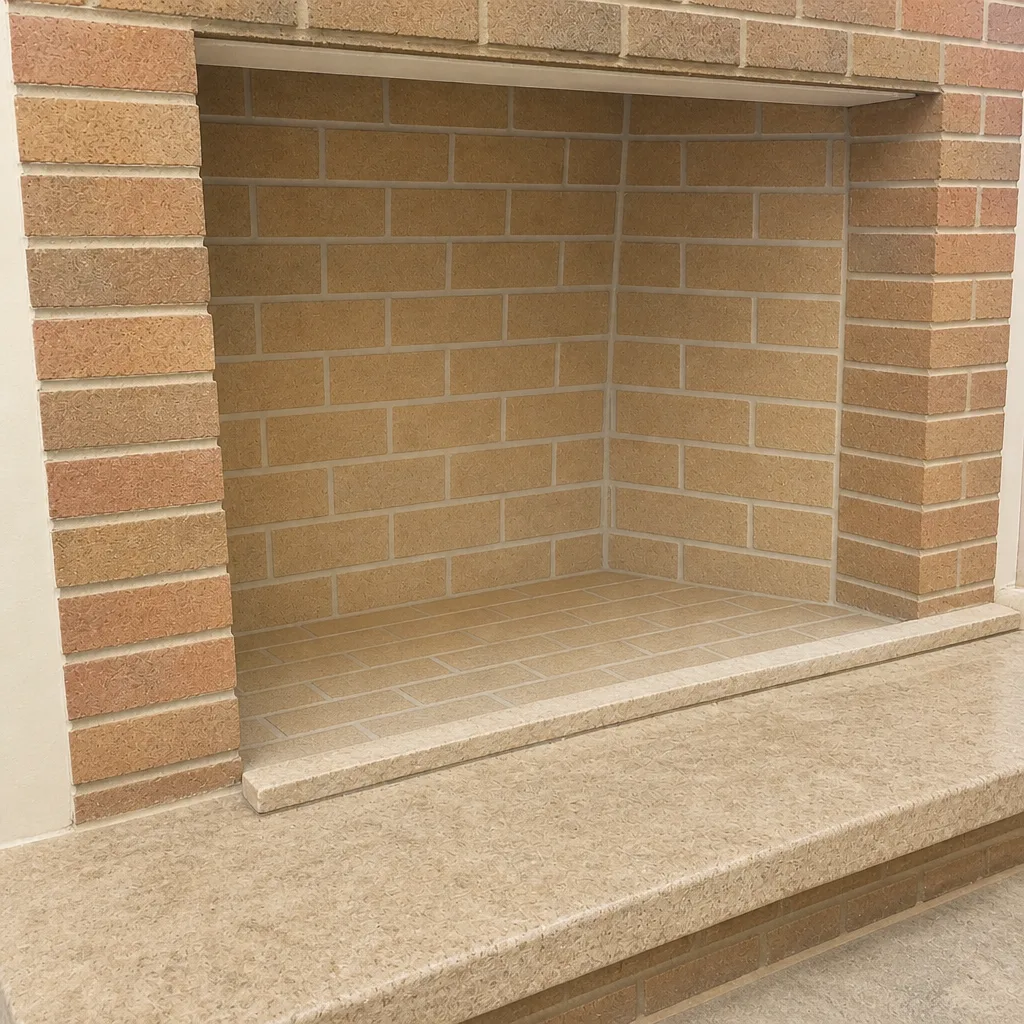 After
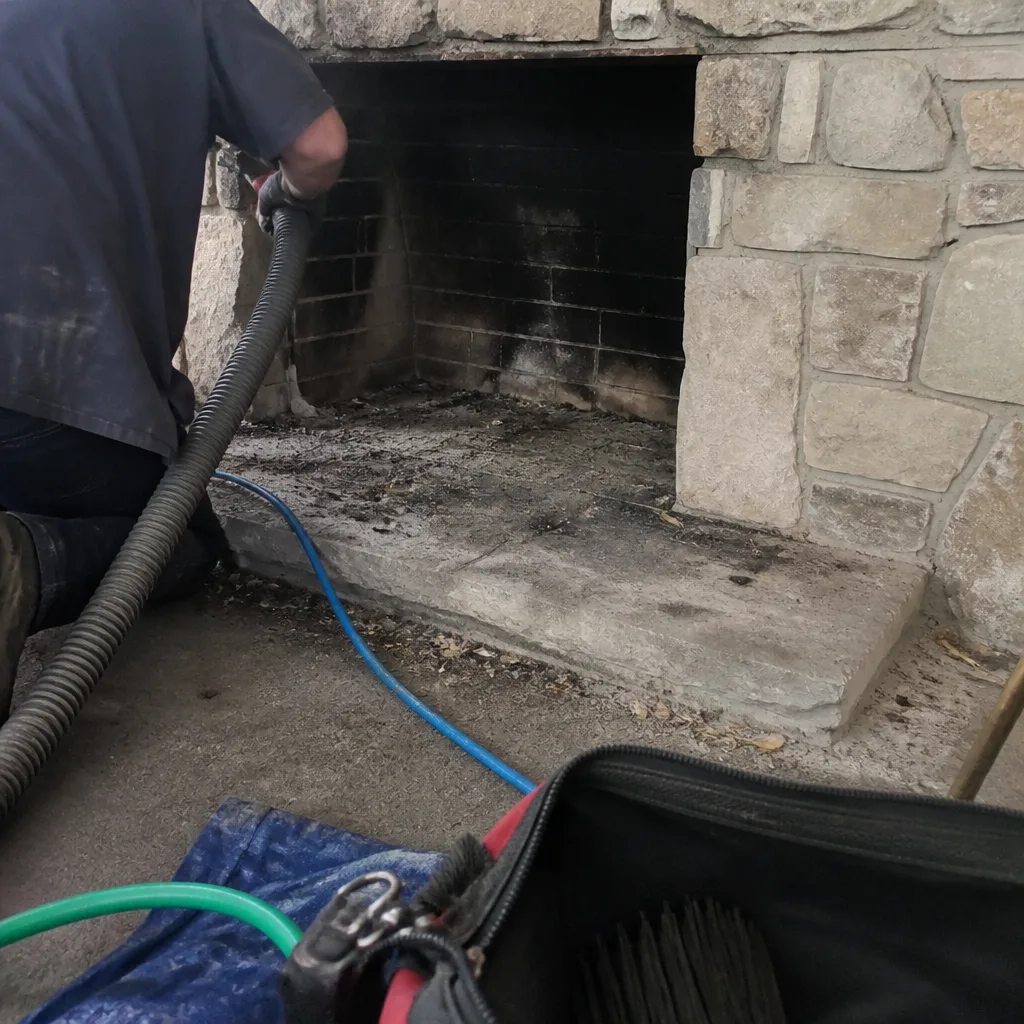 Before
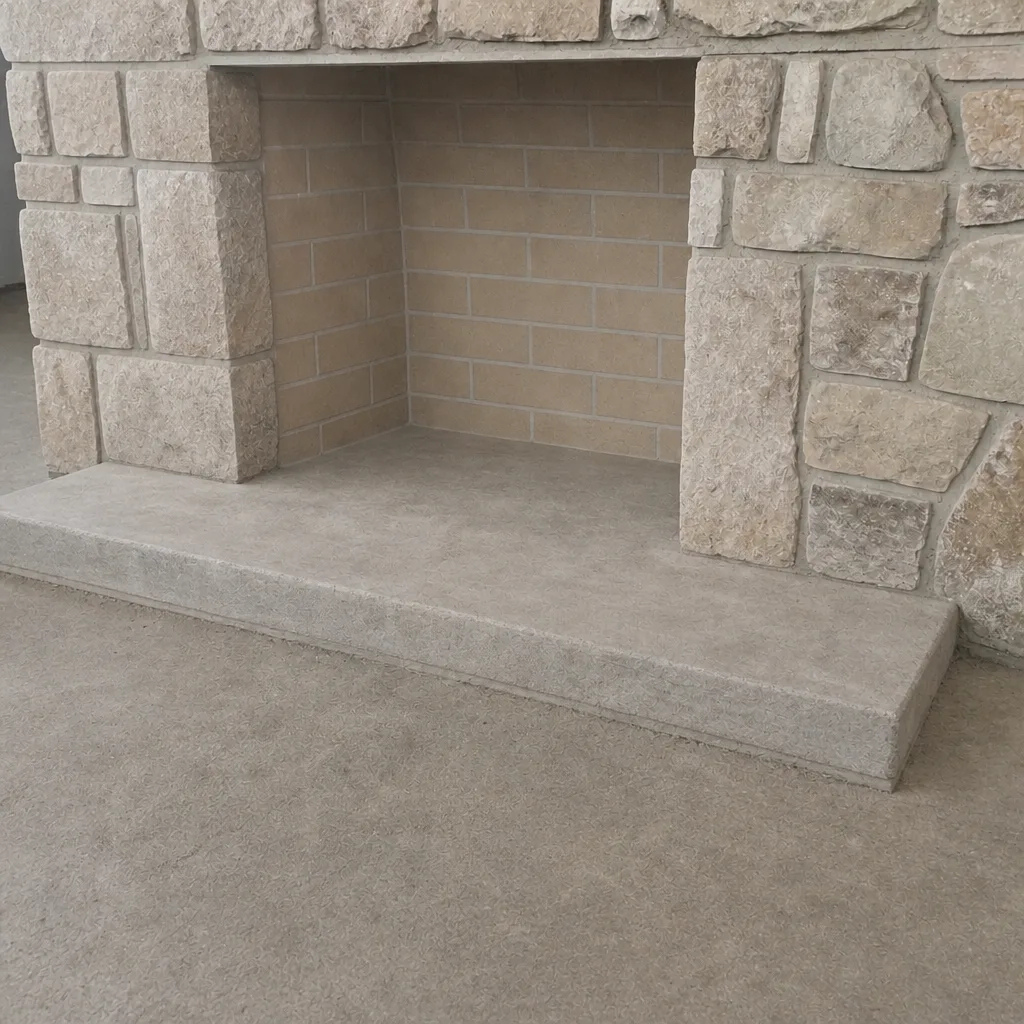 After
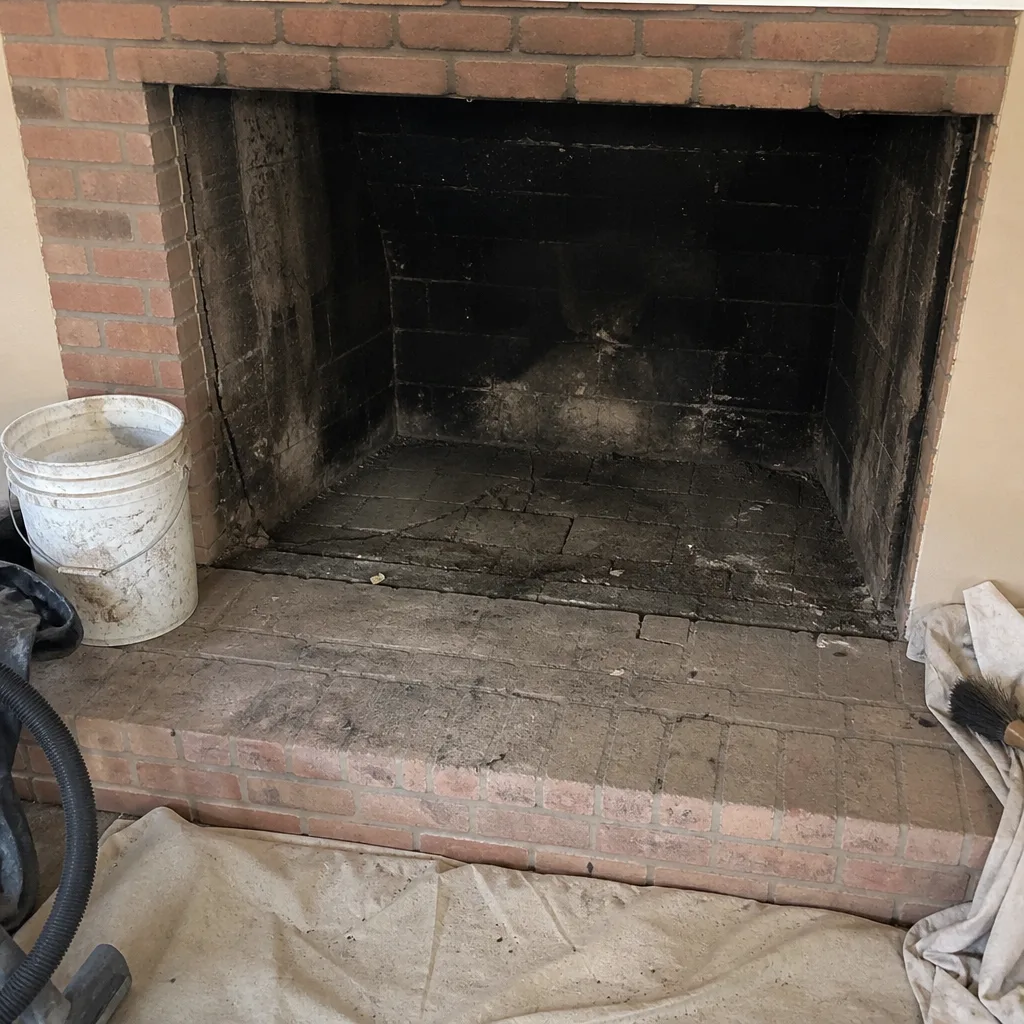 Before
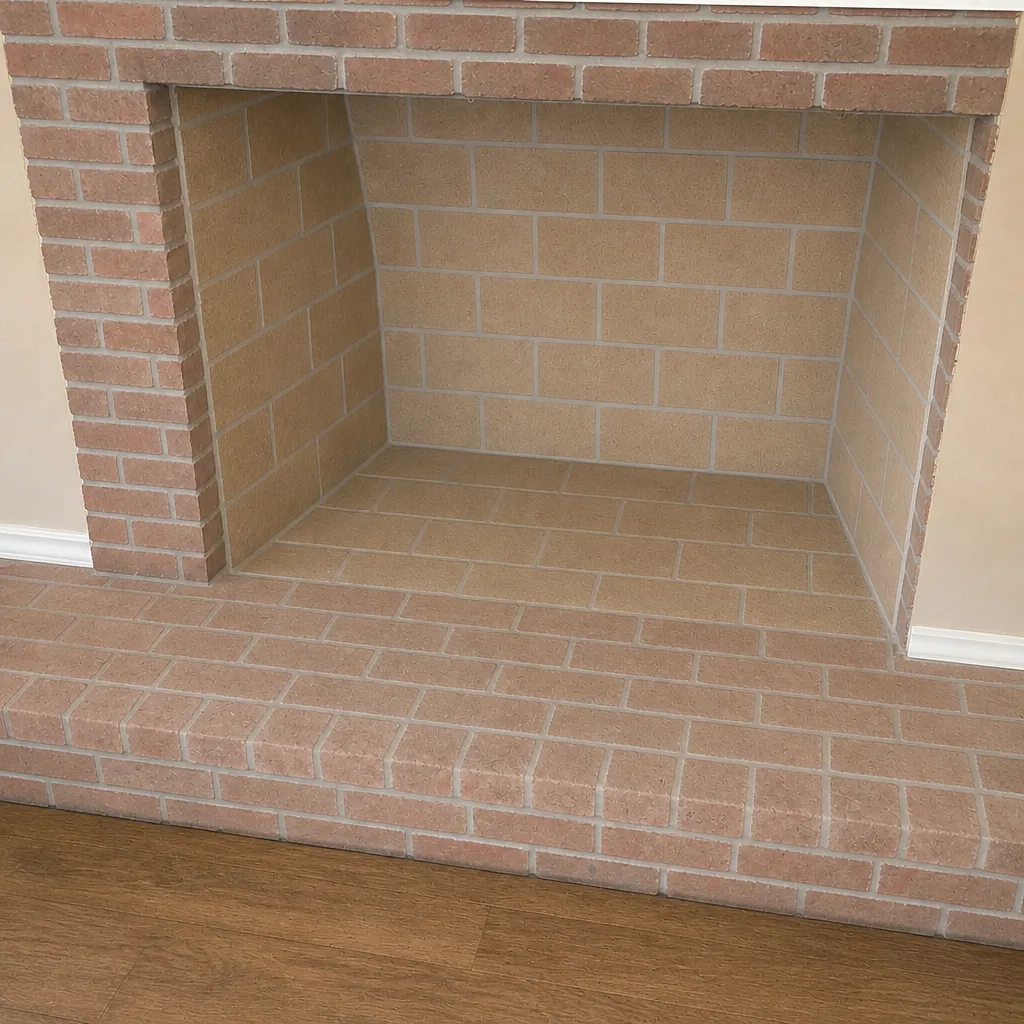 After
When to Call a Professional
Some chimney work is a homeowner checkbox, and some of it has to go to a trained professional. Call if you’ve just bought a home in Tempe with an unknown chimney history, if it’s been more than a season or two since the last sweep, if you’ve noticed a crack in the crown or a cap that’s missing or loose, if your damper doesn’t operate smoothly, or if the flue has seen heavy use and you want to verify the liner’s condition before burning season. Call, too, if you’ve been quoted a significant repair and want to know whether the evidence supports it, because a camera inspection is the fastest way to settle the question. Tempe Chimney Sweep offers free estimates in Tempe – call (866) 827-7102. We answer 24/7. Fast dispatch from 7am to 7pm, Sunday through Friday.
Frequently Asked Questions
A basic sweep in Tempe typically runs $150 to $300 in 2026. A sweep bundled with a Level 1 inspection usually lands between $250 and $425, and a sweep plus a Level 2 camera inspection runs $350 to $650. The written estimate you receive sets the final price. Call (866) 827-7102 for an exact quote – estimates are free.
It’s not an upsell if you actually want to know the condition of your flue. A brush sweep cannot reveal a cracked liner, offset ledges, or the interior condition of the masonry, because you can’t see inside the flue while brushing it. If you’ve got an older Tempe home with unknown chimney history or the chimney hasn’t been looked at in years, the camera inspection is the only way to find out what’s actually inside. Call (866) 827-7102 for a quote on the inspection level you want.
Most wood-burning chimneys should be swept and inspected at least once a year, and more often if the fireplace gets heavy use. Gas-burning flues still need periodic servicing and inspection. In Tempe, the mild winters make it easy to skip a season, which is the exact pattern that lets creosote build and small crown or cap issues grow. Call (866) 827-7102 to book a sweep.
Two risks. The flue builds creosote that can reach a glazed Stage 3 state, which is a fire hazard and a mandatory repair. And small issues like a cracked crown coat or a failing cap get worse with each season of weather exposure. A $400 crown repair deferred for several seasons can escalate into masonry work and, if the liner is compromised along the way, a full reline. Call (866) 827-7102 to schedule an inspection before the problems grow.
Not always. A cracked or deteriorating flue can sometimes be restored with HeatShield resurfacing, which bonds to the existing masonry and restores structural integrity without a full liner replacement. The only way to know which repair is appropriate is a camera inspection. If you’ve been quoted a full reline without seeing the evidence on camera, ask to see it before you decide. Call (866) 827-7102 for a free estimate.
Three things separate a fair quote from a sales pitch: the findings are shown to you on camera, the recommended repairs are tiered by urgency, and the scope is written down before work starts. A quote that can’t show you the problem isn’t a quote. Call (866) 827-7102 and we’ll walk you through what the inspection found and what can safely wait.
The Bottom Line
Chimney cleaning cost in Tempe comes down to one question: which service are you actually buying? The advertised sweep price is real, but it buys a clean flue with no visibility into its condition. A sweep plus a Level 2 camera inspection buys you the information to budget realistically, compare quotes fairly, and catch small repairs before they become large ones. Expect $350 to $650 for that level, plan for repair benchmarks if the inspection finds something, and insist on a written estimate with evidence you can see. A free estimate is the cheapest information you’ll get about your chimney – call (866) 827-7102 to book one.
Written by the team at Tempe Chimney Sweep.