
Last updated November 15, 2026
 Sweep & inspection
 Caps & crowns
 Flue relining
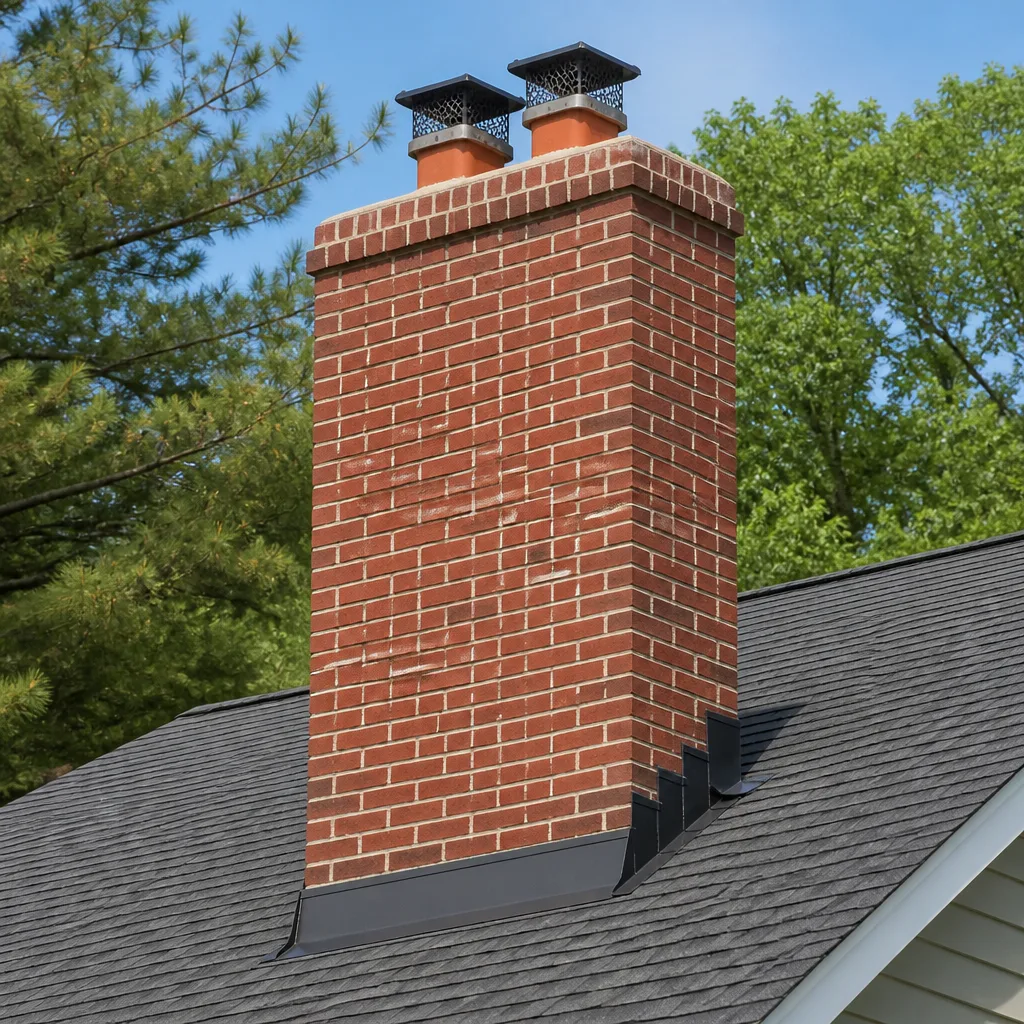 Masonry repair
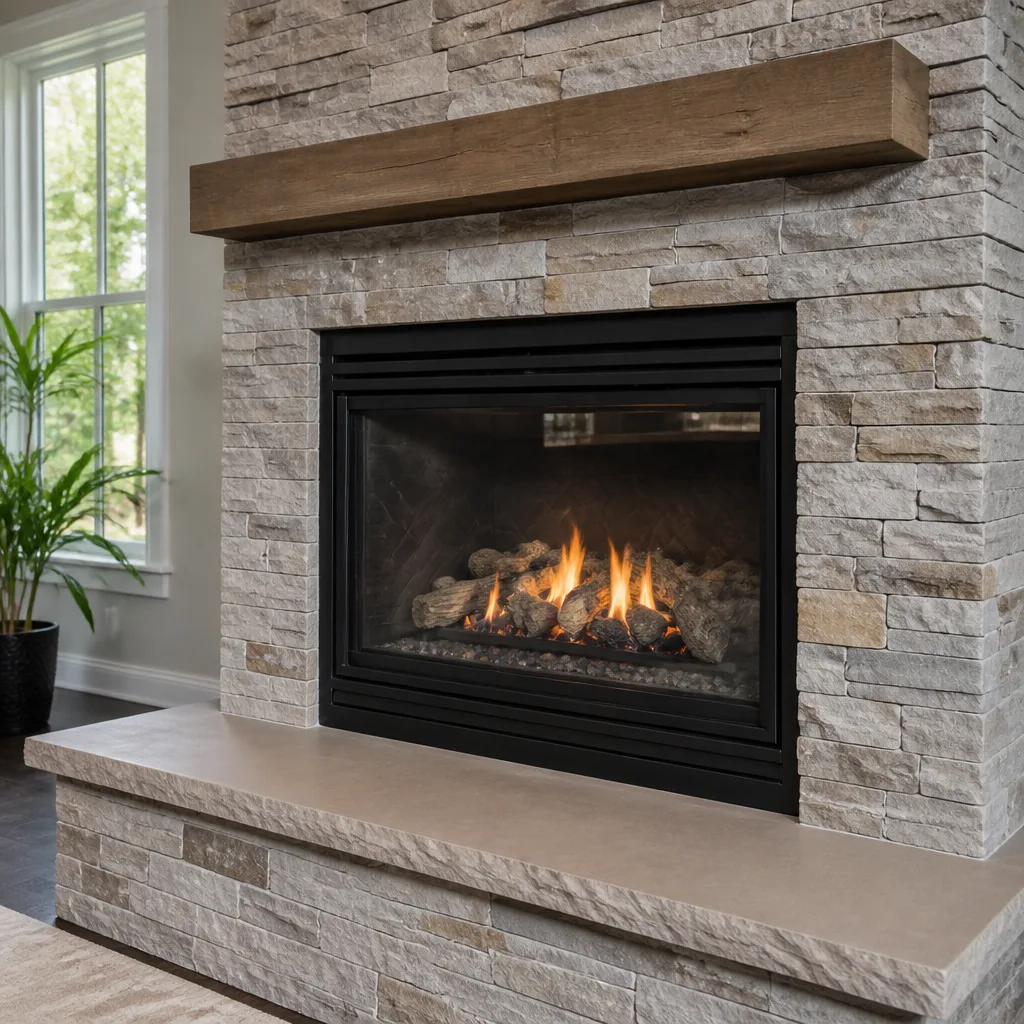 Gas fireplace service
Level 1 sweep and inspection to the NFPA 211 annual standard - flue, crown, cap, and flashing checked and photographed
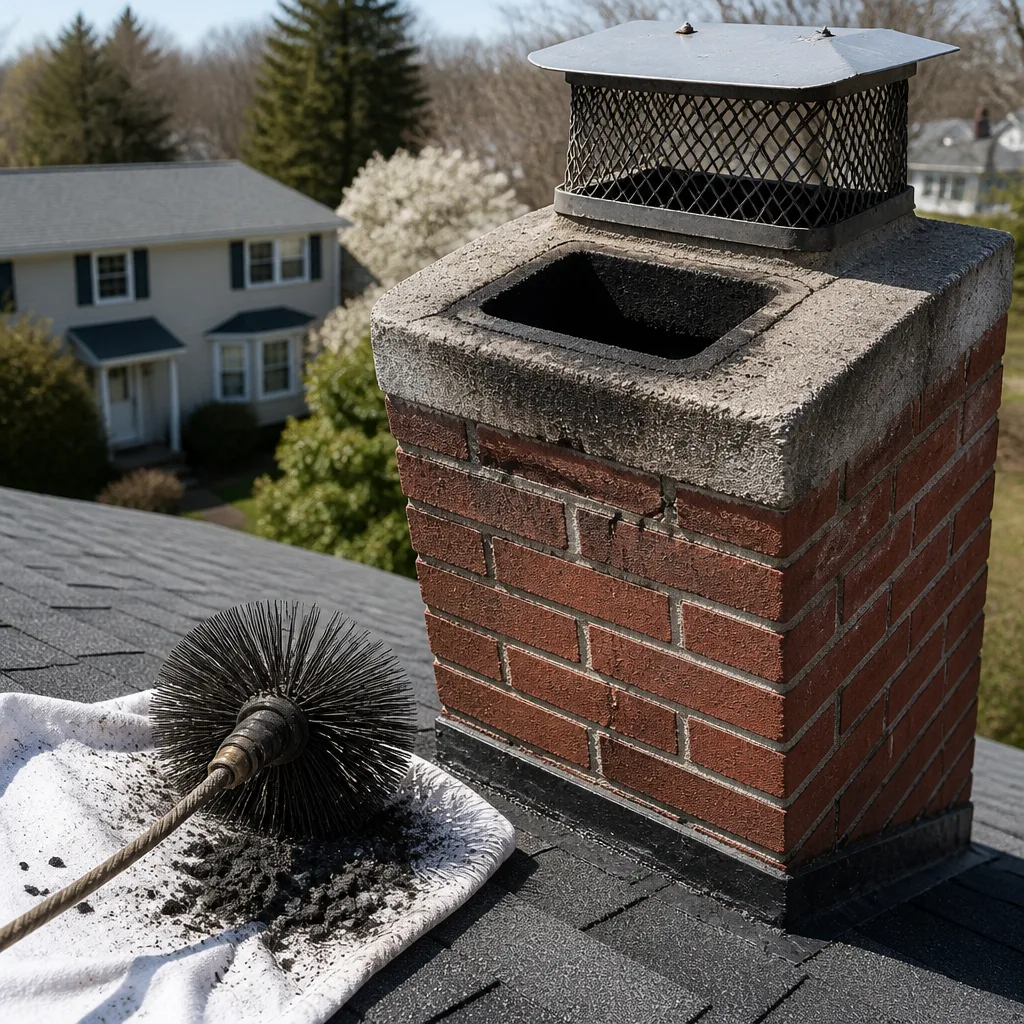
Chimney sweep logs do not sweep chimneys. They loosen some creosote - which then falls where a brush and vacuum still have to collect it.
Chimney Cleaning Warning Signs: A Tempe Homeowner’s Reference Guide
A white stain running down the outside of your chimney isn’t a cosmetic flaw. It’s efflorescence, mineral salt pushed out of the masonry by water moving through it – and that water had to come in somewhere. Most warning-sign articles hand you a list of symptoms and leave you to guess how alarmed to be. This guide does the opposite. We pair each sign with the failure it actually represents, tell you where in the system it’s coming from, and give you a straight verdict: watch it, book it within the month, or stop using the fireplace today. By the end you’ll know how to read a Tempe chimney the way a technician does, and you’ll have a triage framework that takes the guesswork out of severity.
Quick Answer
The most serious chimney cleaning warning signs are Stage 3 creosote (a glazed, tar-like coating that can fuel a chimney fire), smoke rolling back into the room, a cracked or crumbling flue, and efflorescence or rust streaks that point to water damage in the masonry. Urgency scales with the symptom: odors and light soot are monitor-and-schedule, smoke rollout and draft failure are schedule-soon, and glazed creosote, spalling firebrick or a damaged flue liner mean stop using the fireplace until a professional inspects it. In Tempe’s dry climate, sun-driven masonry cracks and stucco chase separation are the warning signs homeowners most often misread as cosmetic.
Styles & brands we work with
- Sweep & inspection
- Caps & crowns
- Flue relining
- Masonry repair
- Gas fireplace service
Table of Contents
- The Smell Test: What Chimney Odors Tell You
- Inside the Firebox: Spalling, Rust, and White Haze
- Exterior Masonry Signs on Tempe Homes
- Operational Signs: Smoke Rollout, Slow Draft, Damper Rattling
- Reading Your Creosote Like a Technician
- The Triage Framework: Green, Yellow, Red
- What an Inspection Actually Reveals
- Common Mistakes to Avoid
The Smell Test: What Chimney Odors Tell You
Your nose is one of the most reliable diagnostic tools you own, but only if you know how to translate what it’s telling you. A chimney that smells wrong is signaling a specific problem, and the character of the odor narrows down where in the system it lives. Here’s how we read the three most common smells.
- Acrid, smoky, or sharp. This is the smell of creosote, and a strong acrid odor on warm days – when you haven’t burned a fire in weeks – usually means a buildup of creosote or soot is sitting in the flue and off-gassing. It’s a cleaning signal more than a structural one, but the volume and location matter. An acrid smell that gets worse in humid weather points to creosote that has absorbed moisture.
- Musty, or damp and earthy. This is a water problem, not a fire problem. Musty odors mean moisture is trapped in the masonry or flue, and in a Tempe home they often trace back to a missing or damaged chimney cap that let rain in during monsoon season. Moisture in a flue corrodes liners and breaks down mortar from the inside.
- Sulfurous, like rotten eggs. This smell can point to a combination of creosote, moisture and organic debris – often a bird nest or leaves that have decomposed in the flue. It can also indicate a blocked flue, which is a safety issue because it compromises draft. If you catch sulfurous odor with poor draft, treat it as a schedule-soon problem.
The key insight is that smell is location-diagnostic. Acrid smells sit high in the flue where creosote collects. Damp smells often sit at the smoke chamber or damper. Sulfurous smells can indicate a blockage anywhere from the cap to the smoke shelf. When you call, describing the smell precisely helps the technician bring the right tools and understand what they’ll find.
Inside the Firebox: Spalling, Rust, and White Haze
The firebox is where the fire lives, so it’s the most heat-stressed part of the system and the first place structural fatigue shows up. Three signs inside the firebox deserve attention, each pointing to a different underlying problem.
- Spalling firebrick. Spalling is when the face of a firebrick flakes off or crumbles. It means the brick has been through enough heat cycles that its surface is failing. A little surface spalling on the rear wall can be monitored; bricks that are cracked through, missing chunks, or have gaps where mortar used to be are a repair-now sign because the firebox is losing its heat barrier.
- Rust streaks. Rust in a firebox almost always means water. It can come from a leaking crown, a failed chimney cap, or condensation forming because the flue is oversized for the appliance. Rust on the damper assembly or the firebox metal components shortens their life and points to a moisture problem higher up the chimney.
- White haze on the rear wall. A chalky white film on the rear firebox wall is the same efflorescence you see on exteriors, just on the inside. It’s moisture moving through masonry and leaving mineral deposits behind. On the firebox rear wall it often follows the path where heat drives moisture outward, and it’s an early indicator that the flue liner or the masonry around it is getting wet.
We see spalling and haze regularly in Tempe homes where the fireplace sat unused through several summers. Heat, dry air and an idle flue are a slow combination – the firebox doesn’t fail dramatically, but the material quietly weakens. When the sweep uncovers spalling, that’s exactly the point where an inspection and a repair conversation belong together rather than as two separate jobs.
Exterior Masonry Signs on Tempe Homes
Most Tempe chimneys are wrapped in stucco over masonry, and this climate puts unique stress on that exterior. Sun exposure, monsoon rain, and dry heat all work on the same chimney, and the warning signs show up on the outside first.
Efflorescence patterns. White staining that runs down from the crown or follows a visible crack is a moisture-path indicator. The pattern matters: staining that starts at the crown means water is entering at the top. Staining that emerges partway down a stucco face may point to a crack that opens to the outside. Where you see white, water is getting in, and the masonry is trying to dry as it does. Left alone, that moisture erodes mortar joints and can reach the flue liner.
Stucco chase separation. A chimney chase is the framed enclosure that surrounds the flue, often finished in stucco. When the stucco pulls away from the chase or shows a visible gap, it’s usually caused by movement between materials that expand differently in heat – and in a Tempe summer, the sun-facing side of a chase can cycle dramatically. A gap lets monsoon rain in, and it’s a repair sign even before you see interior water damage.
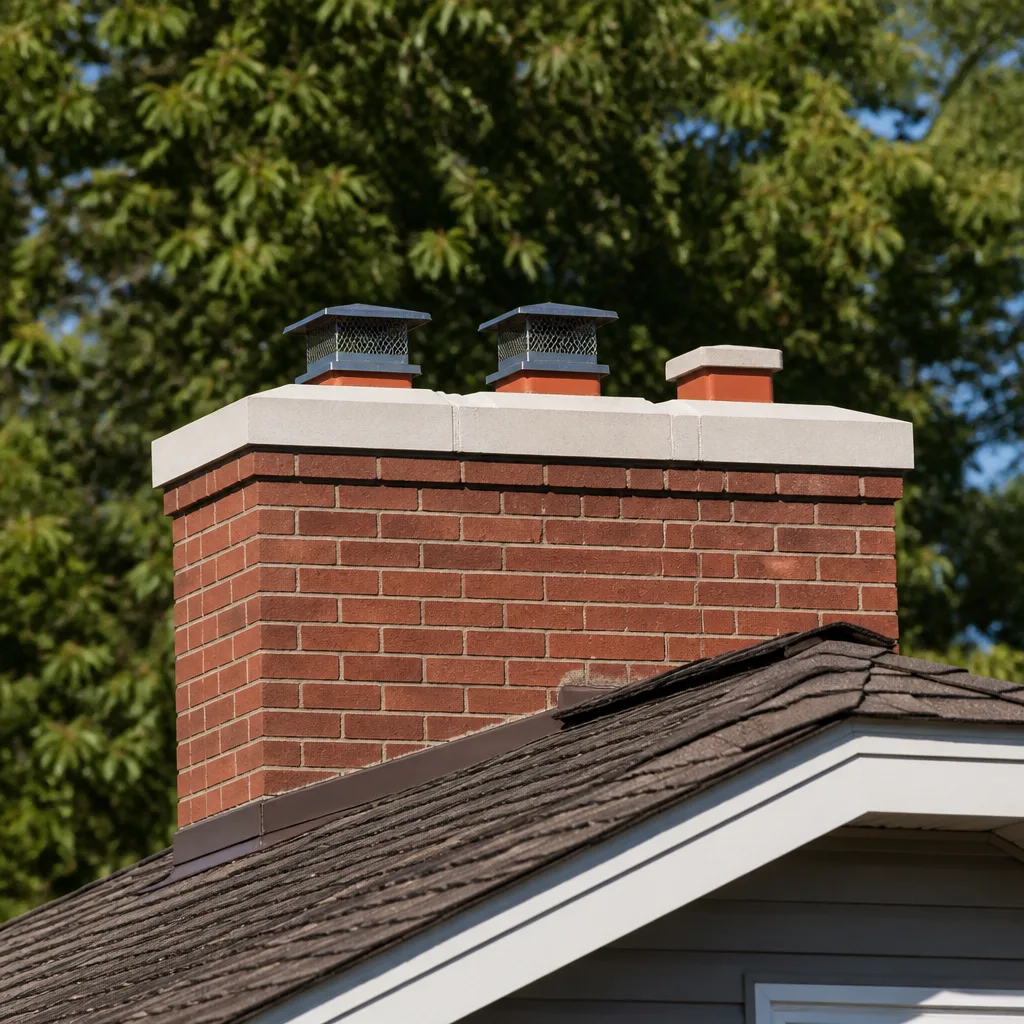
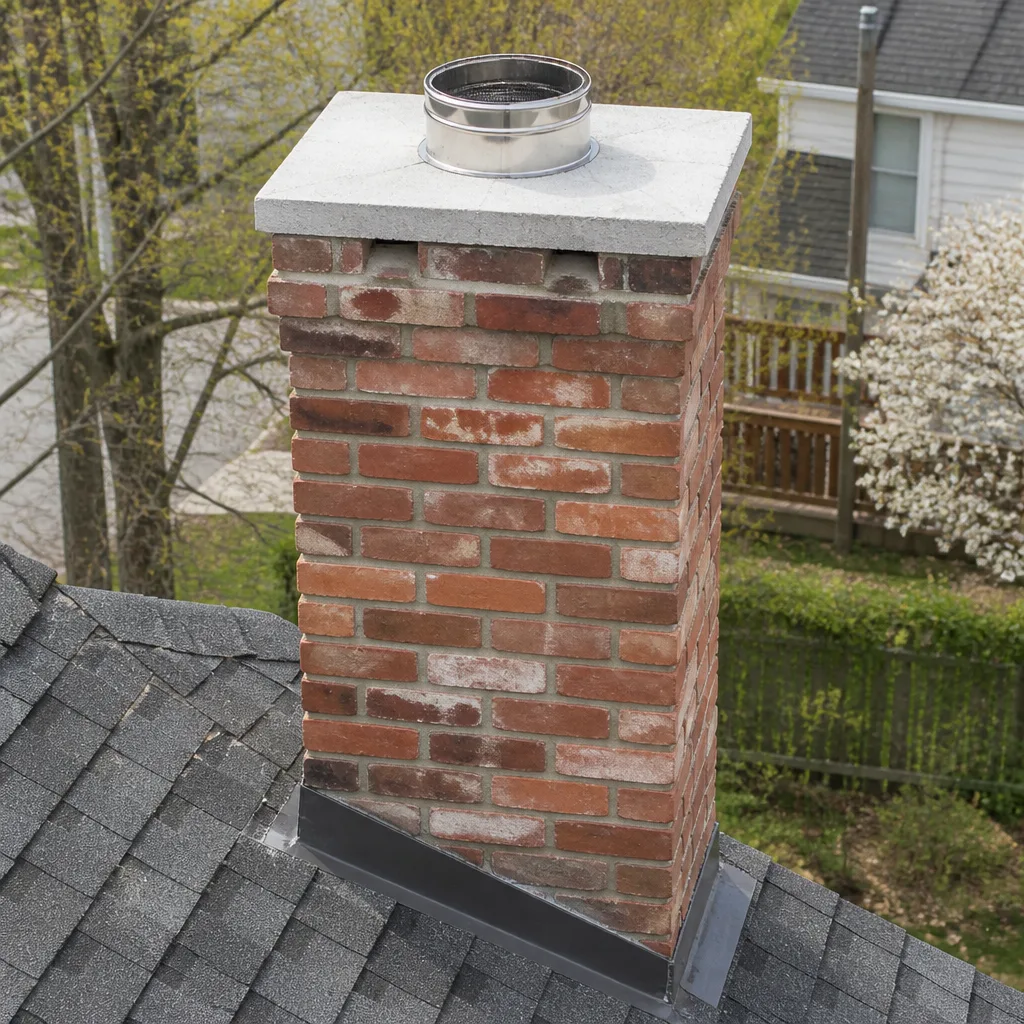
Crown cracking along sun-exposed faces. The chimney crown is the concrete cap at the very top that sheds water away from the masonry. Hairline cracks on the sun-facing side are common here because that side gets the most UV and thermal cycling. Cracks small enough to still be tight can be monitored. Cracks you can see opening, or a crown that’s pulled away from the flue tile, are a schedule-soon repair because every rainstorm sends water down through them. A properly specified cap from Gelco or a crown repair closes that path.
Operational Signs: Smoke Rollout, Slow Draft, Damper Rattling
Operational signs are the mechanical translation of a problem that’s already affecting how your fireplace works. They’re easy to notice because you’re standing right there when they happen.
Smoke rollout. If smoke spills into the room when you open the doors or start a fire, the system isn’t drafting correctly. Common causes: a blocked or partially blocked flue, a firebox that’s too small for the fire you’re building, a closed or damaged damper, or a flue that has lost its integrity. Smoke rollout is a schedule-soon sign and, if it’s persistent and accompanied by any creosote smell, a reason to stop using the fireplace until it’s checked.
Slow draft. A fire that’s hard to start or struggles to stay lit, with a lazy flame and poor pull, is showing you reduced draft. In Tempe, this often shows up in the fall when a homeowner first uses the fireplace after summer – but if it’s slow every time, it can indicate a partial blockage, a broken damper, or a flue that’s too short for the appliance. A cold flue needs a warm-up, but persistent slow draft doesn’t.
Damper rattling. A damper that rattles, sticks, or doesn’t sit flush is a mechanical wear sign. It can let heat escape when closed (a draft problem) or fail to open properly (a smoke problem). The damper is also where heat stresses show first. A rattling damper is a low-urgency repair, but a damper that won’t close or won’t open is worth an inspection.
Reading Your Creosote Like a Technician
Creosote is the single most important thing a sweep removes, and understanding its stages helps you judge urgency on your own. Creosote forms in three recognized stages, and the third stage is a mandatory repair – not a recommendation.
- Stage 1: Soot and fine flakes. The light, powdery deposit you’d expect from regular burning. It’s cleanable, and a standard sweep handles it. A flue with this much creosote is due for cleaning but isn’t a fire hazard yet.
- Stage 2: Sticky, flaky, or crusty deposits. Creosote that clings to the flue walls and doesn’t brush off easily. It’s a sign that the fire has been burning cooler than ideal – green or wet wood, or a restricted air supply. This is the stage where cleaning gets more involved and where the risk of a chimney fire begins to rise.
- Stage 3: Glazed, tar-like coating. Hard, shiny, glassy creosote that’s fused to the flue. This is highly combustible and, per the CSIA’s staging, is a mandatory repair. A standard sweep can’t simply brush it away; it takes specialized treatment. A flue in this condition is a fire risk every time you burn, and it’s the clearest “stop using the fireplace” signal on this list.
The practical takeaway is that creosote stage drives urgency more than any other single factor. If your flue has been building up glazed creosote for a while, that’s not a cosmetic problem and it’s not a “maybe next year” problem. It’s the reason a cleaning and an inspection belong together – the sweep removes what’s cleanable, and the inspection tells you what the flue condition is underneath. When a flue needs more than cleaning, DuraFlex flexible liner systems and HeatShield resurfacing give us repair options that restore the flue rather than just scraping it.
The Triage Framework: Green, Yellow, Red
Symptoms are only useful if you can act on them, so here’s a triage system that turns all the signs above into a decision. Use it to sort what you’re seeing into one of three buckets.
- Green – monitor. Light soot in the firebox, minor odors when the fireplace is cold, a thin white haze on the rear wall, hairline stucco cracks that aren’t opening. These suggest a cleaning is due and a check is worthwhile, but nothing is unsafe today. Schedule a chimney sweep at your convenience and keep an eye on the pattern.
- Yellow – schedule within 30 days. Persistent odors, slow draft every fire, a rattling damper, efflorescence with a visible upstream crack, a crown crack you can see opening, Stage 2 creosote, or spalling on the firebox face. These are active problems that will get worse. Book an inspection and get a documented condition assessment so you know exactly what’s failing and what it will take to fix it.
- Red – stop using the fireplace. Stage 3 glazed creosote, smoke rollout that happens consistently, a visibly cracked or damaged flue liner, a chimney chase separation that’s letting water in, missing cap with damage inside, or spalling firebrick with open joints. These mean the firebox isn’t safe to use until a professional inspects and repairs. Don’t burn until you’ve had it looked at.
The framework matters because most warning signs are misread in one of two directions: homeowners either panic over light soot or ignore a seriously damaged flue. Neither serves you. Sorting the sign and its severity keeps a $200 cleanup from turning into a $2,000 liner job – and keeps a real fire risk from being deferred as “just a smell.”
What an Inspection Actually Reveals
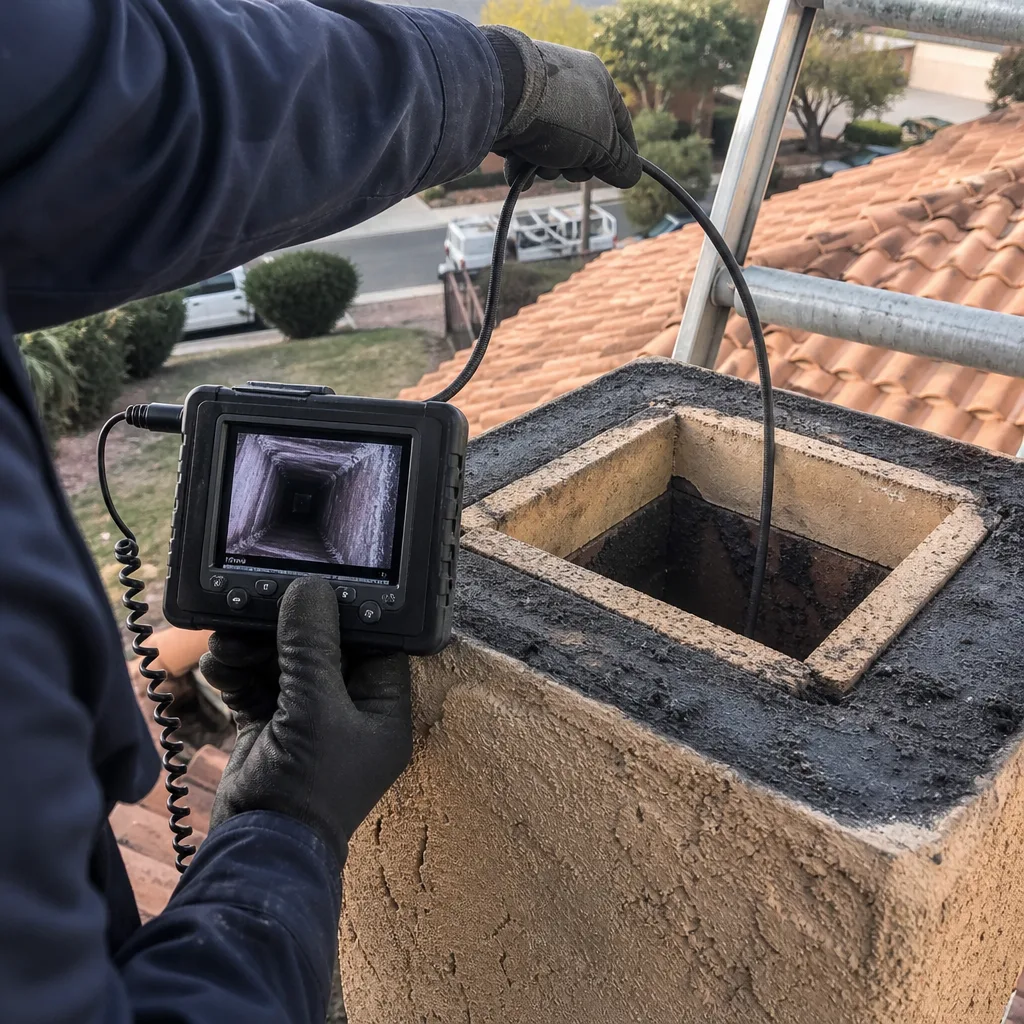
A sweep and an inspection are different tools for different questions. A sweep removes what’s in the flue. An inspection tells you what condition the flue is in – and that second question is what determines whether your chimney is safe and how urgently it needs repair.
The inspection is the diagnostic that protects Tempe homeowners from both unnecessary repairs and missed ones. Because it produces a documented condition assessment, you get a written record of what’s safe, what needs repair now, and what can be monitored. That record is what lets you make a decision about the chimney without guessing, and it’s what makes repair quotes accountable to something you can see.
A typical inspection works through the system in order:
- Exterior: cap, crown, chase, flashing, and masonry. This is where efflorescence and stucco separation read out, and where we check whether the cap is doing its job.
- Firebox and damper: firebrick condition, mortar joints, damper operation, and signs of rust or moisture.
- Smoke chamber and flue: creosote stage, liner condition, and any gaps or offsets. This is where a camera and a close visual pass reveal what a sweep alone can’t.
When the inspection turns up a problem, repair options come from the same relationship: a DuraFlex liner for a compromised flue, HeatShield flue resurfacing where damaged masonry can be restored without a full liner replacement, and caps sourced from Gelco or Copperfield so the weather protection is engineered for the application. If you’re dealing with an unknown chimney history in an older Tempe home, an inspection is the fastest way to get from “we don’t know” to a clear plan. You can read more about the repair side on our chimney repair page.
How Often Should a Chimney Be Cleaned and Inspected?
The general rule is a cleaning once a year if you burn regularly, and an inspection at least annually regardless. The CSIA’s guidance is a good starting point for most homes: sweep and inspect based on how much you actually burn, and treat a new-to-you home like a blank slate – get an inspection before the first fire. In Tempe, where fireplaces often run in the cooler months and sit idle through summer, an annual check keeps you from discovering a problem in the first cold week. If you have a wood stove or insert that you use heavily, cleaning may need to be more frequent than annual. If you’ve never had it done in a home you bought, that’s an inspection, not just a sweep.
Is a Chimney Inspection Really Worth It?
Yes, because the sweep can’t see everything and the firebox doesn’t show structural condition on its own. A cleaning tells you how much creosote came out; an inspection tells you whether the flue liner, crown, chase and firebox are sound. That distinction is what protects you from spending money on a repair you don’t need, and from missing one you do. For a homeowner with an unknown chimney history or a flue that’s already been flagged, the documented assessment is worth more than any single cleaning.
See the difference
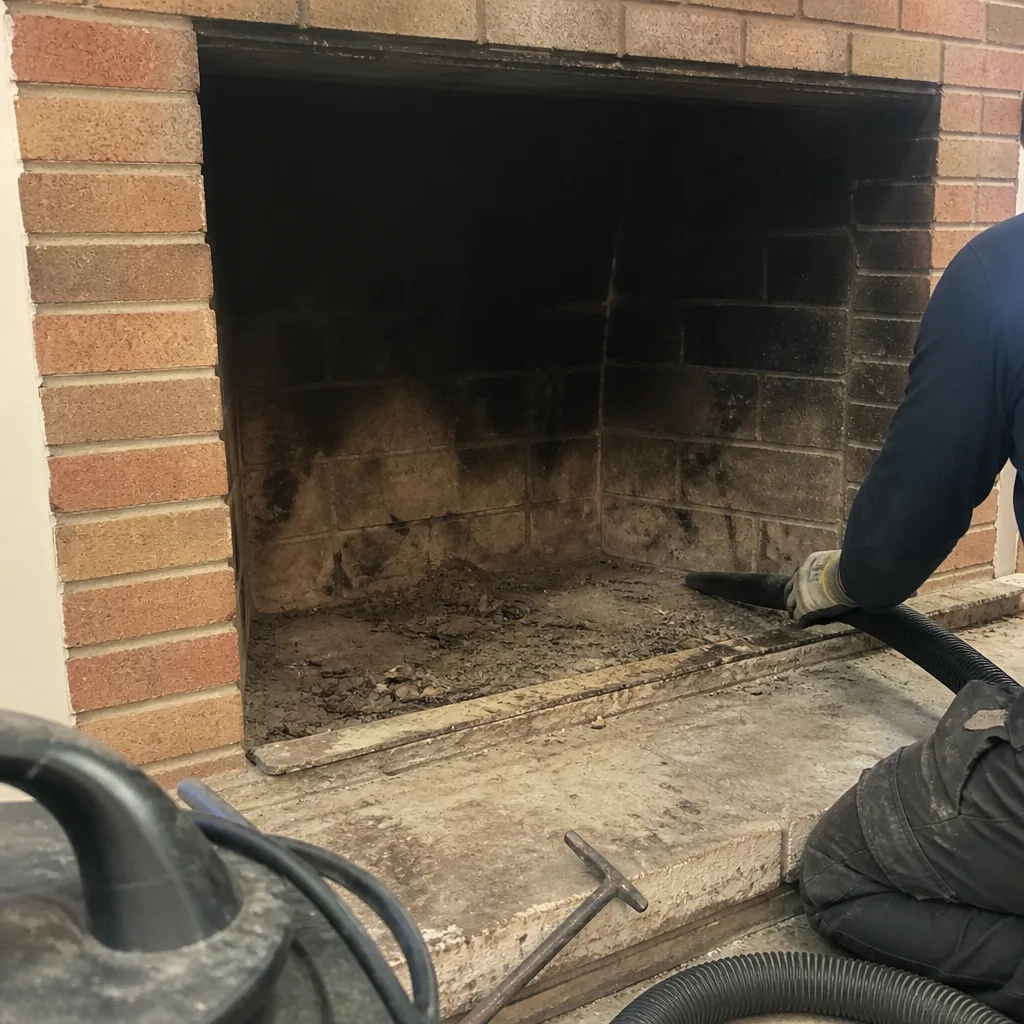 Before
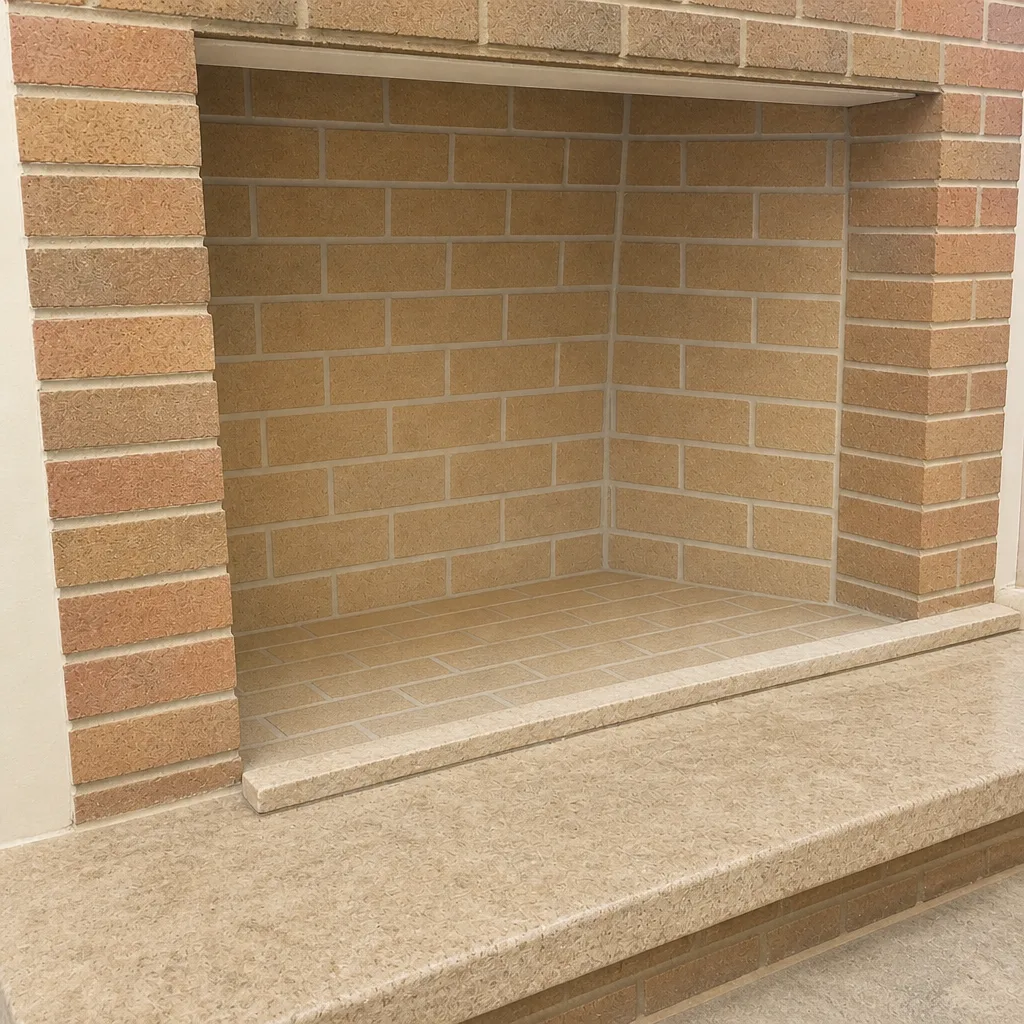 After
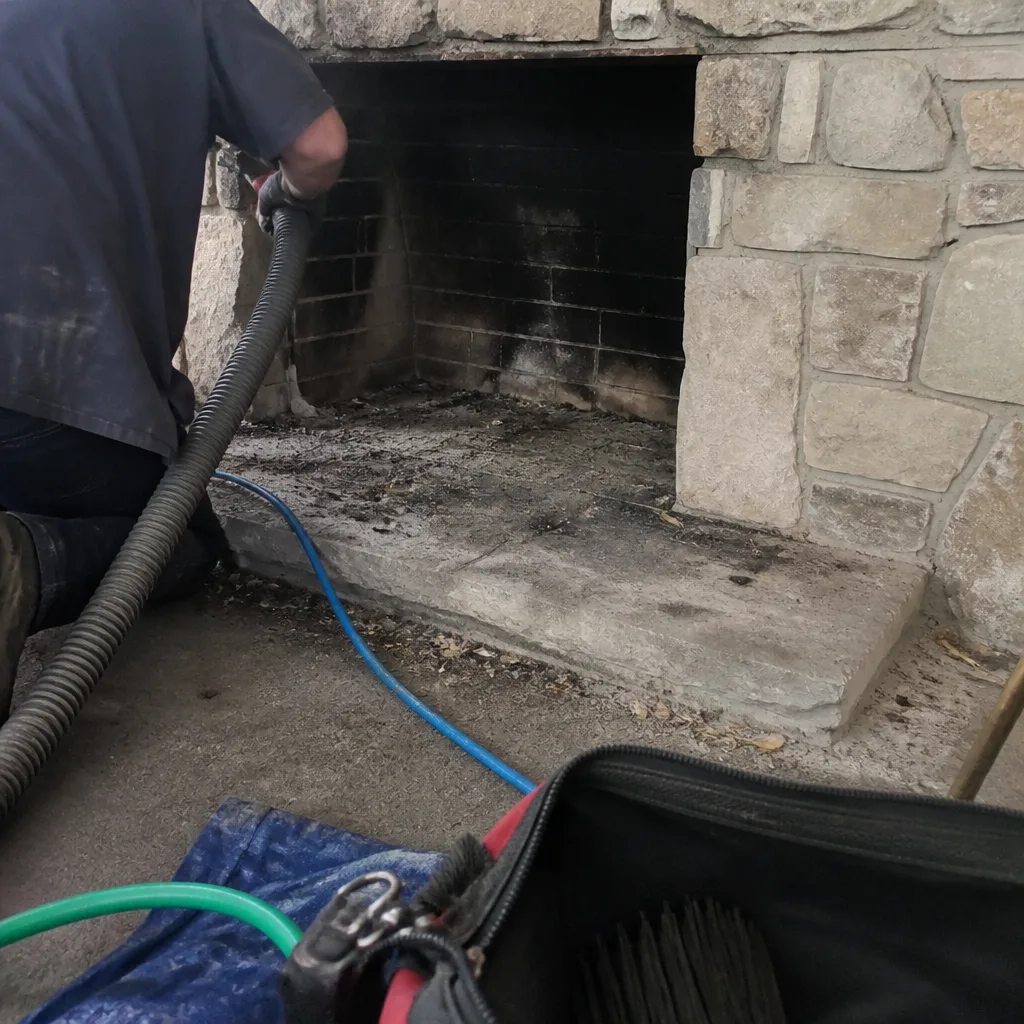 Before
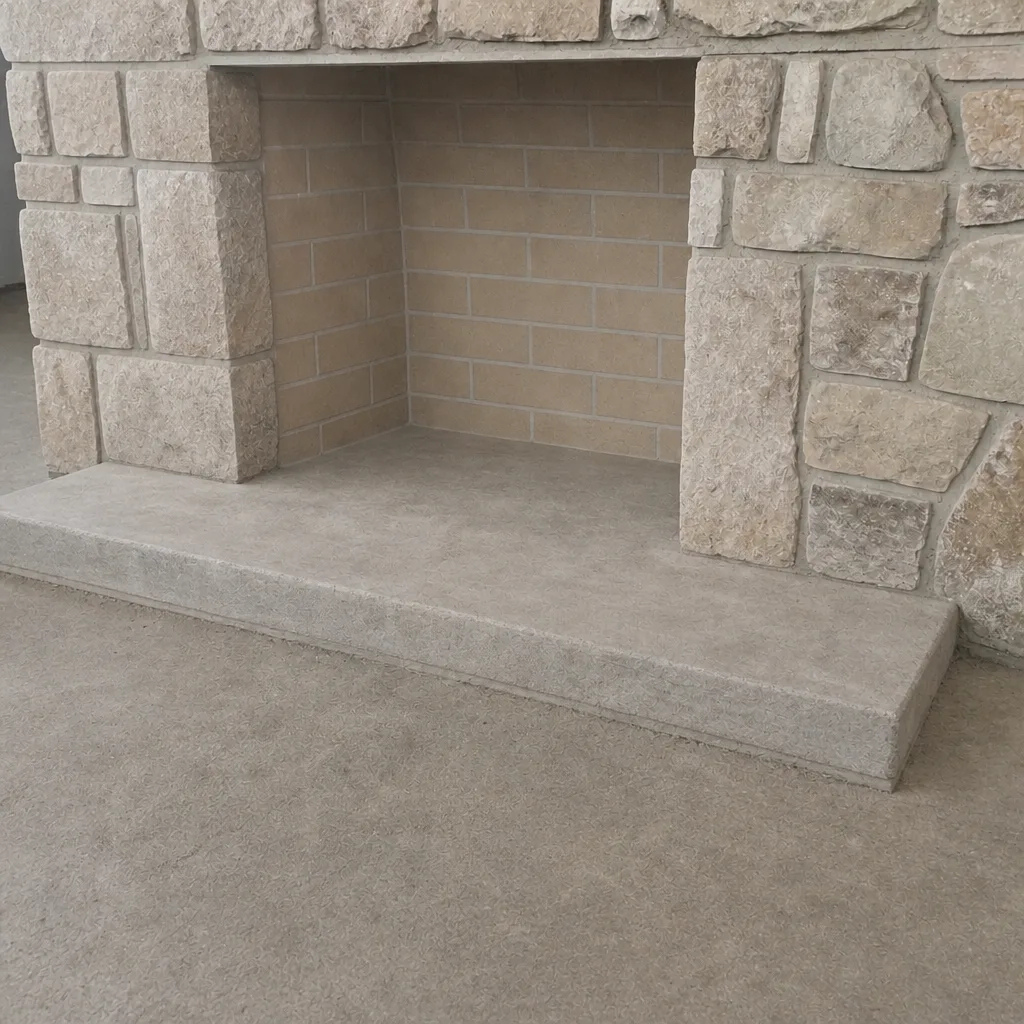 After
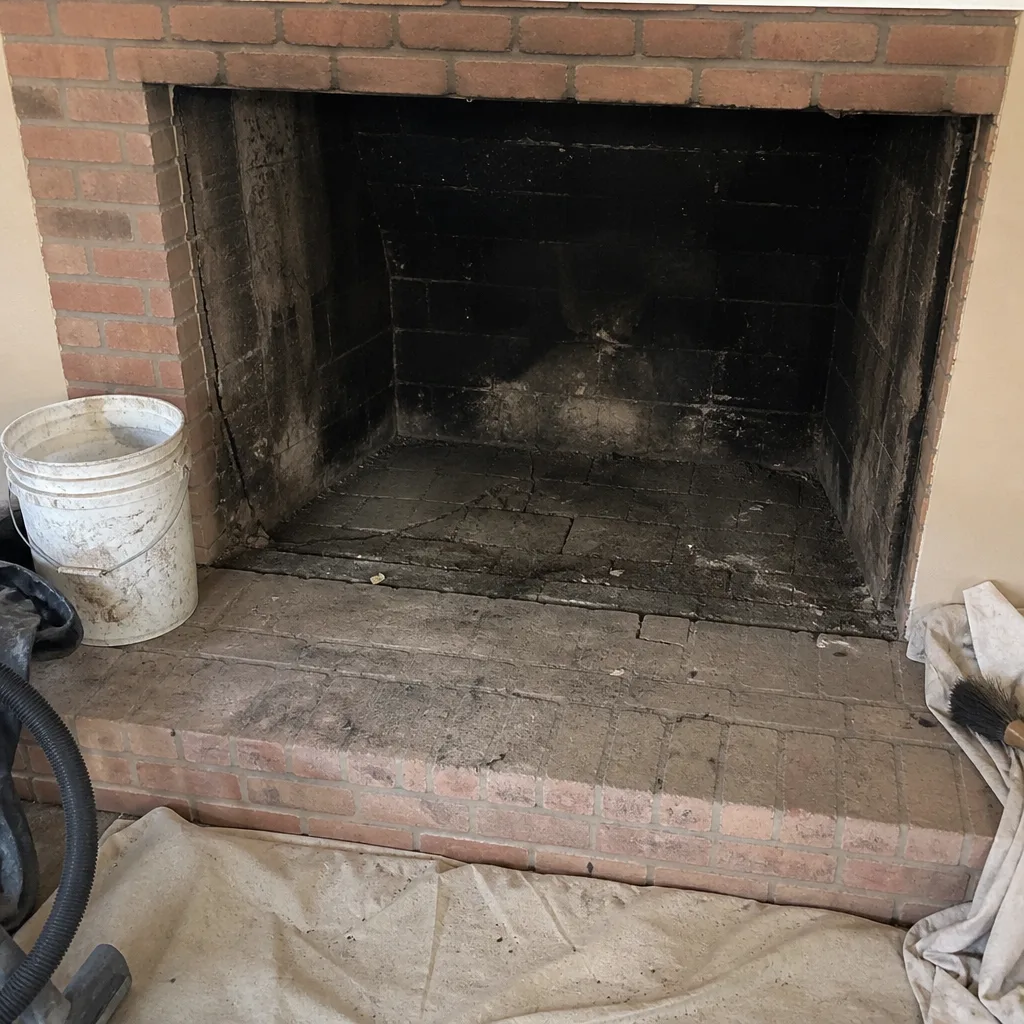 Before
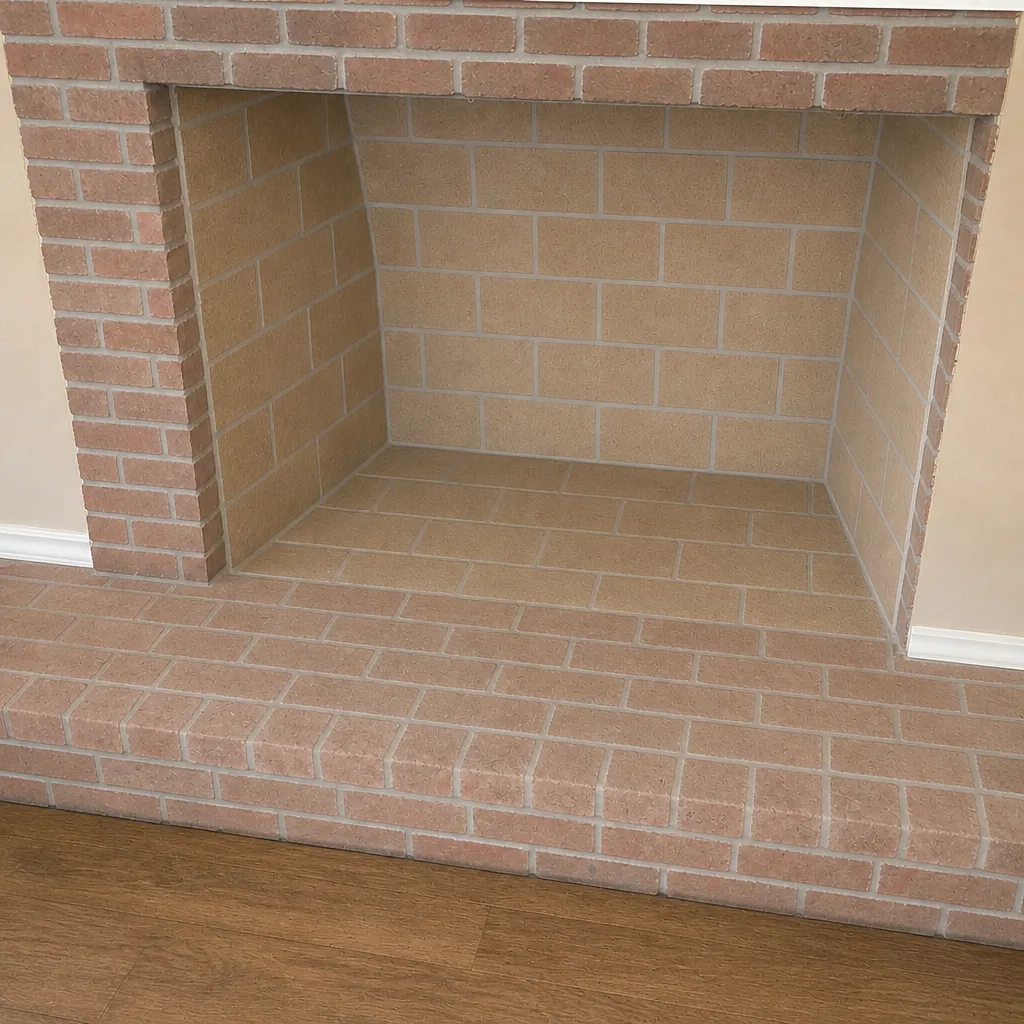 After
Common Mistakes to Avoid
- Treating efflorescence as a cosmetic stain. White staining is a water-path indicator. If you paint over it without fixing the source, the water keeps moving through your masonry and the problem gets harder to see. Fix the entry point first.
- Putting off a Stage 3 creosote cleaning. Glazed creosote is a fire risk, not just a mess. Waiting one more season on a flue with heavy creosote is the single biggest avoidable risk in this guide.
- Assuming a sweep alone means your chimney is fine. A cleaning removes what’s there but says nothing about whether the liner or crown is sound. Ask for a documented condition assessment on top of the sweep.
- Ignoring a missing cap during monsoon season. Tempe’s summer rains can send a lot of water down an unprotected flue. A missing or broken cap lets moisture in that corrodes liners and produces the exact damp smell we covered above.
- Using a generic hardware-store cap or part. Caps and covers fit specific flue sizes and chase dimensions. An improvised cap that doesn’t seal correctly is a water problem waiting to happen. We specify caps from Gelco, Famco and Olympia Chimney for the application.
- Burning wet or green wood to save money. Cooler fires produce more creosote. The cheapest wood can cost you far more in flue buildup. Season your wood before burning it.
- Skipping the inspection because the fireplace “works fine.” A fire can light and burn while the flue has a slow-growing structural problem. Working fine and being sound are not the same thing.
When to Call a Professional
Call a professional if you’ve spotted any red-bucket sign – glazed creosote, repeated smoke rollout, a cracked flue liner, or a chase separation letting water in. Call if you’ve never had the chimney looked at and you’ve just moved into a home with unknown history. Call if the smell test or the firebox signs point to spalling, rust, or haze that keeps returning. And call if you’ve already been told the flue needs attention and you want a straight assessment before deciding on repair. Tempe Chimney Sweep offers free estimates in Tempe – call (866) 827-7102. We answer 24/7, with fast dispatch from 7am to 7pm, Sunday through Friday. Our technicians have up to 9 years of experience, and we clean, inspect and repair under one roof so a finding doesn’t send you to a second contractor.
Frequently Asked Questions
Most standard chimney sweep and cleaning jobs in Tempe fall in a moderate range, and the written estimate you receive sets the final price. Cleaning cost usually depends on the size of the flue, how much creosote is present, and whether an inspection is added on. Call (866) 827-7102 for an exact quote – estimates are free.
A glazed, tar-like coating is Stage 3 creosote, and it’s a mandatory repair rather than a routine cleaning. It’s highly combustible and can’t be removed with a standard brush sweep. Stop using the fireplace and have it inspected. Call (866) 827-7102 to book an assessment – estimates are free.
A single white stain is efflorescence, and it means water is moving through the masonry. It’s not cosmetic – it points to a moisture source at or above it, often a crown or cap issue. Trace and fix the entry point before it reaches the liner. Call (866) 827-7102 and we’ll take a look – estimates are free.
Sweep once a year if you burn regularly, and get an inspection at least annually even if you burn only occasionally. A home with an unknown chimney history or heavy wood-stove use may need cleaning more often. If you’ve skipped a season, call (866) 827-7102 to get back on schedule – estimates are free.
No – persistent smoke rollout means the chimney isn’t drafting correctly, and closing the damper doesn’t fix the cause. It can point to a blockage, a damaged flue liner, or a draft problem that needs a professional to diagnose. Same-day appointments are possible. Call (866) 827-7102 – estimates are free.
Skipping inspections lets small problems – a hairline crown crack, early-stage creosote buildup, a failing cap – grow into repair jobs while you’re unaware. The risk runs from costly liner replacement to a genuine fire or carbon monoxide concern. An inspection tells you exactly where you stand. Call (866) 827-7102 for a documented condition assessment – estimates are free.
The Bottom Line
Your chimney is a system, and every warning sign points to one part of it – odor to the flue, spalling to the firebox, efflorescence to the masonry, draft to the whole assembly. Read the sign, sort it into green, yellow or red, and act on the urgency instead of the alarm. The two things worth acting on quickly are red-bucket signs like glazed creosote and smoke rollout, and yellow signs that keep returning. Tempe Chimney Sweep handles the cleaning, inspection and repair that a sound chimney needs, with DuraFlex liners, HeatShield resurfacing and Gelco caps under one relationship. Call (866) 827-7102 for a free estimate – we answer 24/7, with fast dispatch from 7am to 7pm, Sunday through Friday.
Written by the team at Tempe Chimney Sweep.