
Last updated November 15, 2026
 Sweep & inspection
 Caps & crowns
 Flue relining
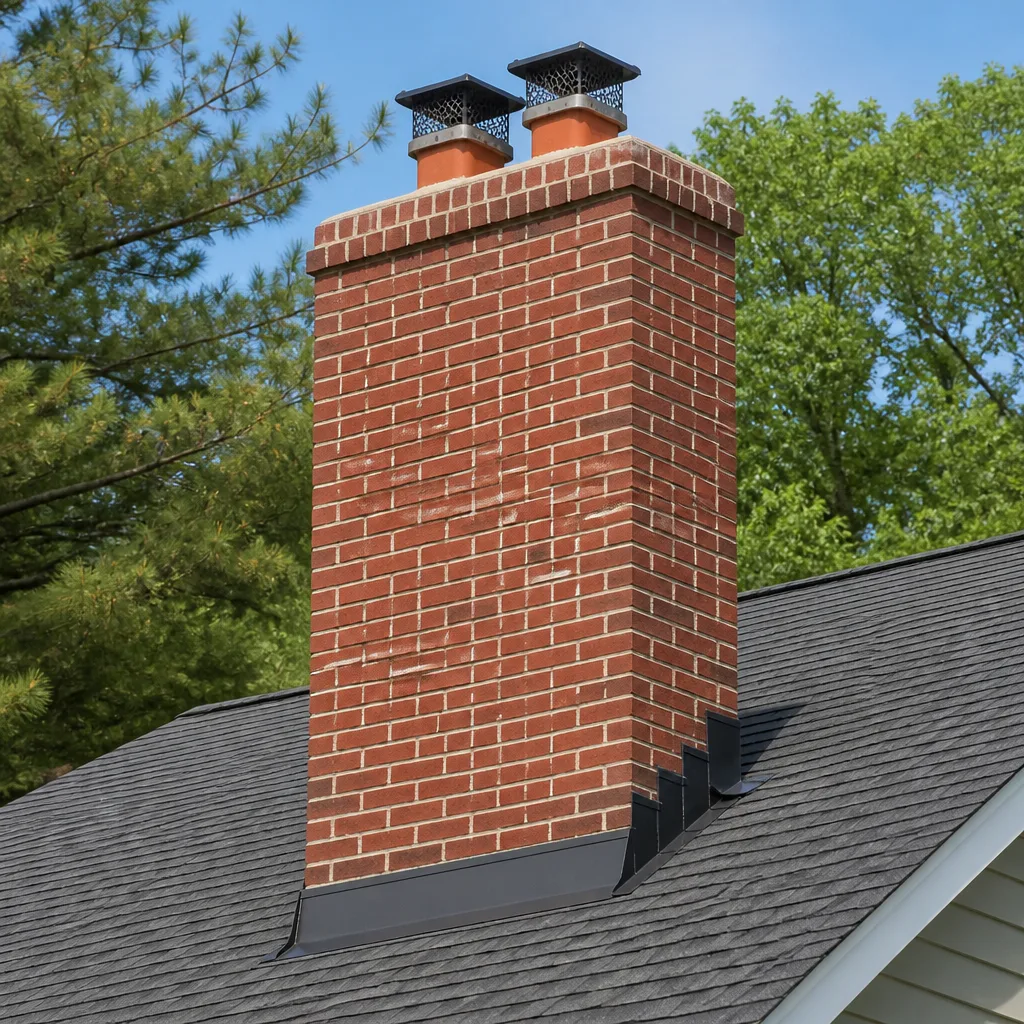 Masonry repair
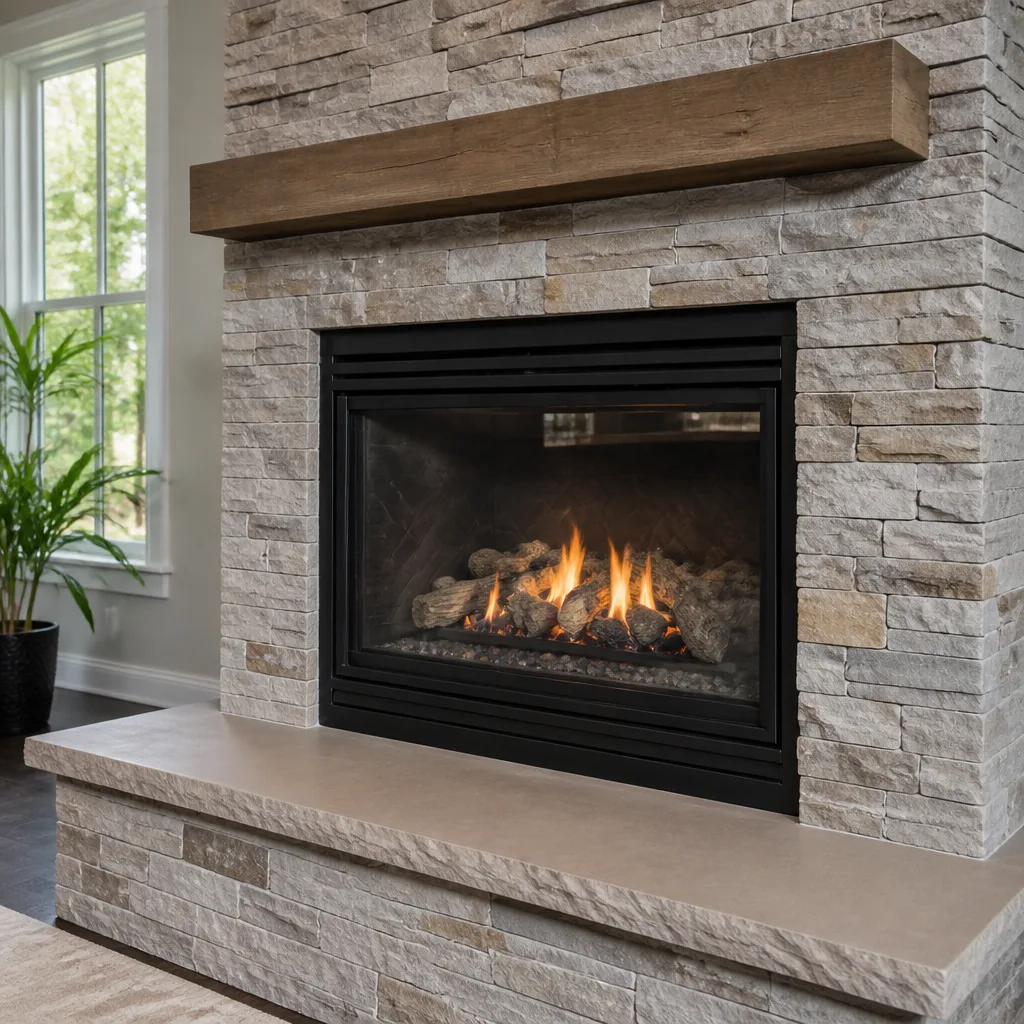 Gas fireplace service
Level 1 sweep and inspection to the NFPA 211 annual standard - flue, crown, cap, and flashing checked and photographed
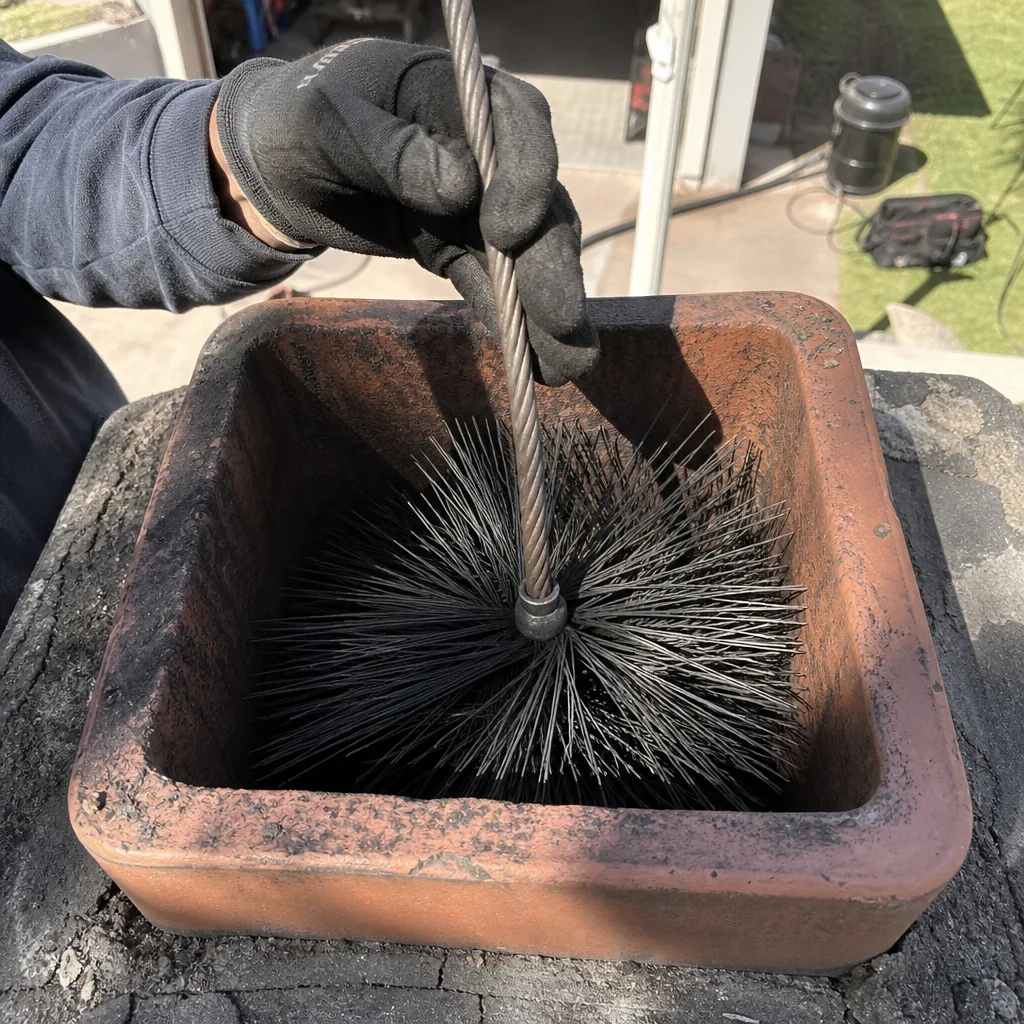
Chimney sweep logs do not sweep chimneys. They loosen some creosote - which then falls where a brush and vacuum still have to collect it.
Chimney Sweep Maintenance Schedule: What to Do and When
The standard advice – “sweep once a year” – was written for homes that burn wood eight months out of twelve. Tempe homeowners who light their fireplace 15 times between November and February are operating on a fundamentally different risk timeline, and their maintenance schedule should reflect that. A compressed burn season, monsoon moisture, and summer heat that works on masonry for months after the last fire has gone out all shift the calendar in ways a national one-size schedule never accounts for. This guide lays out a month-by-month schedule built for how Tempe chimneys actually age: when to inspect, when to clean, when to repair, and how to tell mid-season that you need a sweep now rather than in the fall.
Quick Answer
In Tempe, schedule a chimney inspection in September or October, before the first fire, and a sweep at the same visit if the flue has a measurable creosote layer. Wood-burning fireplaces used heavily (roughly a cord or more per season) usually need one mid-season check in January, a post-season sweep and inspection in March or April once the burning stops, and a monsoon-readiness look in June or July. Gas fireplace owners still need one annual inspection of the liner and burner even though there is no creosote to remove.
Styles & brands we work with
- Sweep & inspection
- Caps & crowns
- Flue relining
- Masonry repair
- Gas fireplace service
Table of Contents
- Why the Standard Annual Schedule Doesn’t Fit Tempe
- The Tempe Month-by-Month Chimney Calendar
- Why Monsoon Season Is the Hardest Season on Your Chimney
- The Usage Thresholds That Trigger a Mid-Season Cleaning
- Maintenance Schedules for Wood-Burning vs. Gas Fireplaces
- Signs During a Fire That Override the Schedule
- Inspection vs. Sweep: What Each One Tells You
- When to Schedule Repairs (and When They Can Wait)
Why the Standard Annual Schedule Doesn’t Fit Tempe
National chimney advice is built around the Northeast and Midwest model: a long heating season, deep cold, and a fireplace that runs most evenings from October through April. That model assumes a steady, months-long accumulation of creosote and a winter that tests the chimney continuously. Neither describes a home in Tempe. Here, the fire season runs roughly November through February, often with stretches where the fireplace goes unused because the daytime high is in the seventies. A homeowner might burn two cords across four months, or fifteen fires all season. Those two homes need very different schedules.
The other half of the problem is timing of stress. In a cold-climate home, the chimney is stressed in winter and rests in summer. In Tempe it’s reversed. Your chimney sits through June, July, and August with exterior masonry reading well above 100°F in direct sun while the interior flue stays far cooler. That heat expansion on the outside and relative contraction inside is a real, gradual load on mortar joints and liner connections. By the time October arrives, the chimney has been through a full summer of thermal cycling before it ever sees a fire. That’s why a pre-season inspection in September or October matters more here than a mid-winter one – you want to catch summer damage before the first fire, not after.
For homeowners who recently bought an older house with an unknown chimney history, the schedule tightens further. We treat a first-year inspection as a baseline, then adjust the calendar based on what the camera shows. Two chimneys on the same street in Tempe can carry completely different schedules depending on liner type, cap condition, and how the previous owner burned.
What “annual” really means in a desert climate
Annual service is still the right starting point, but it’s a floor, not a ceiling. An annual inspection catches structural change. The sweep itself should be scheduled based on what’s actually in the flue, not on a calendar date. A light-use wood fireplace may only need cleaning every second or third season; a heavy-use insert with a cool-burning fire may need cleaning twice in one winter. The inspection tells you which.
The Tempe Month-by-Month Chimney Calendar
Here’s the schedule we build for most wood-burning homes in Tempe. It’s a starting framework – your inspection findings adjust the exact dates, and a gas-only home follows a compressed version covered further down.
- September – October (pre-season). Full inspection with camera. Look for summer heat damage to the crown, cap, and mortar joints, animal nesting, and any liner separation. Sweep at the same visit if creosote is present. Do this before the first fire so nothing found is discovered mid-burn.
- November (first fires). Establish your baseline. Note how the fire draws, how much smoke comes back into the room on startup, and how the firebox smells cold. These become the reference points you measure against all season.
- December – January (mid-season check). If you’re burning steadily, do a visual look up the flue and check the cap. A mid-season sweep is warranted at the usage thresholds below, not on a set date.
- February (last fires). Note your total wood burned. This number determines whether the post-season sweep is a cleaning or a light brush-out.
- March – April (post-season sweep and repair window). Sweep out the season’s creosote, then do the repair work the inspection flagged. Spring is the right time for liner work, resurfacing, and cap replacement because it’s done before summer heat and before monsoon.
- May (pre-monsoon closeout). Confirm cap and crown are intact and flashing is sealed. Anything that lets water in must be fixed before the first monsoon storm.
- June – July (monsoon prep and post-storm checks). After any significant storm, check the firebox for water staining and the attic penetration for dampness. Water intrusion is the single most damaging thing a Tempe chimney faces.
- August (rest). No fire, no active work. If March repairs were deferred, this is the last comfortable window before the fall rush.
Why the September window fills up
Every chimney in the Valley wants service in the same six weeks. If you call in November expecting a pre-season inspection, you’re competing with everyone else who waited. Booking the September or October slot early gives you the full picture before the season starts, and if the inspection finds a repair, you have time to do it right rather than rushing a band-aid before the first cold night.
Why Monsoon Season Is the Hardest Season on Your Chimney
Monsoon season does more cumulative damage to a Tempe chimney than the fire season does. The reason is thermal shock combined with water. All summer, exterior masonry holds heat well into the evening. When a monsoon cell dumps rain on a surface that hot, the masonry isn’t just getting wet – it’s getting wet while expanded, then cooling fast under the rain. Hairline cracks in the crown and mortar open and close under that stress. Once a crack exists, water finds it. Once water is inside the chimney structure, it works its way to the flue and into the attic penetration.
The visible signs show up the following fall. A firebox with white staining on the brick, a rusted damper, a smell of damp ash when you first light a fire in November, a ceiling stain near the chimney chase – these are usually monsoon damage from the previous summer, not something that happened during the burn season. That’s why a pre-monsoon cap and crown check in May matters so much in Tempe: the cheapest repair is the one done before the water gets in.
What protects the chimney from monsoon damage
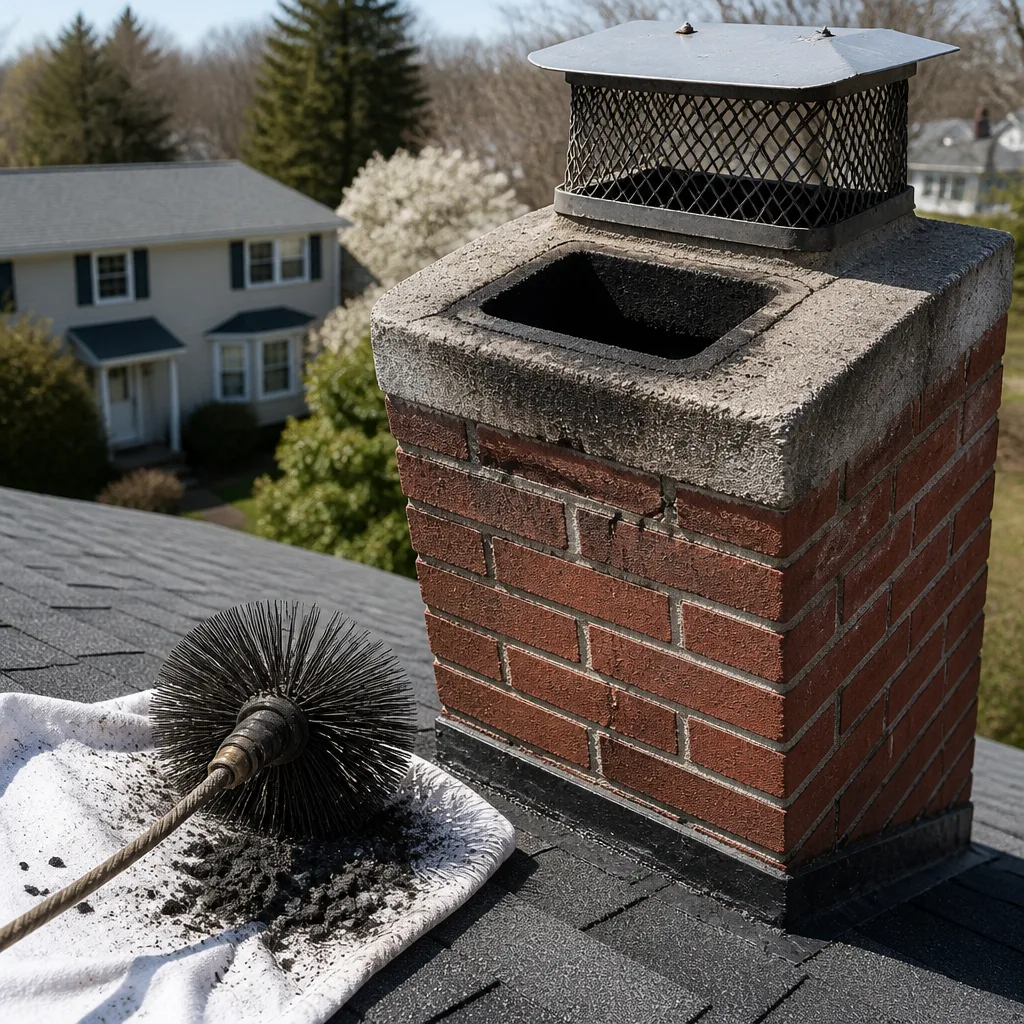
- A proper cap. A screened cap from a brand like Olympia Chimney or Famco keeps rain out of the flue and animals out of the chimney. Store-bought caps that don’t fit the flue opening leave gaps that rain finds.
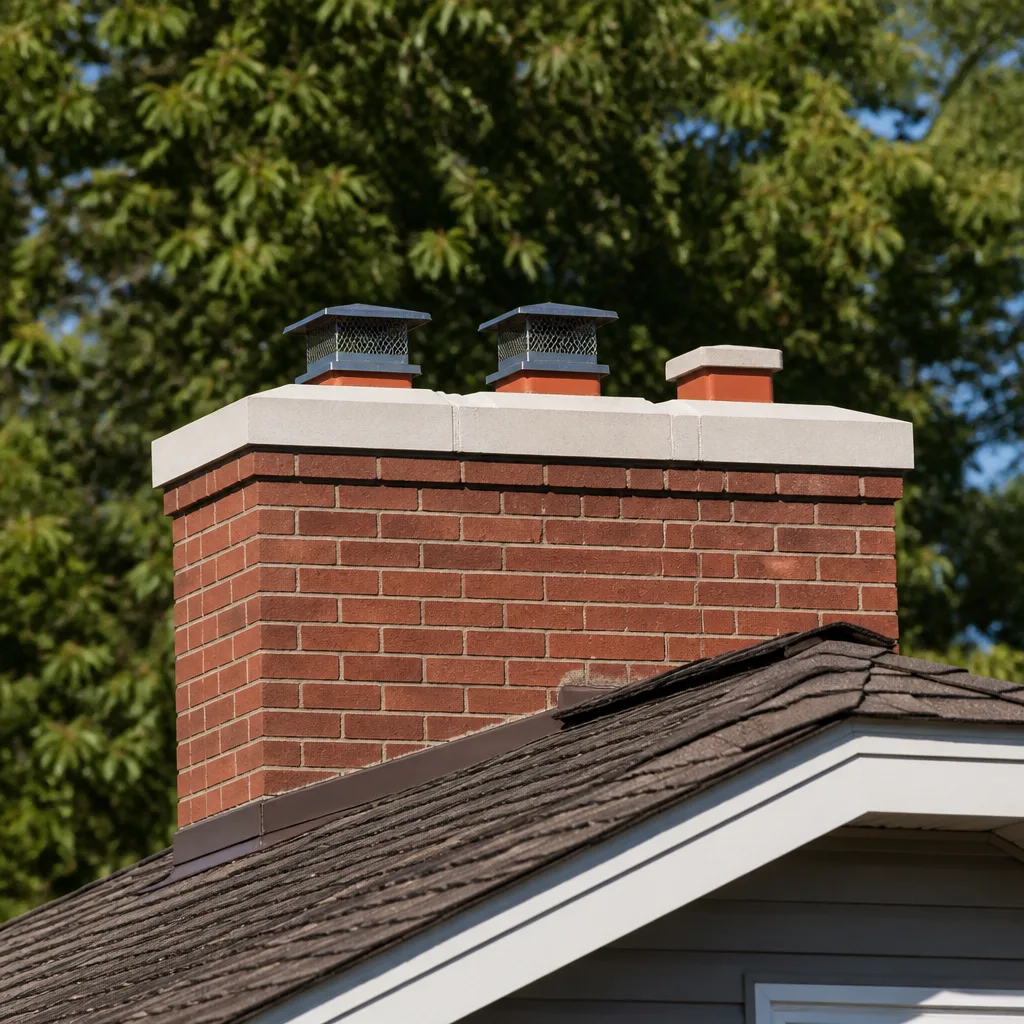
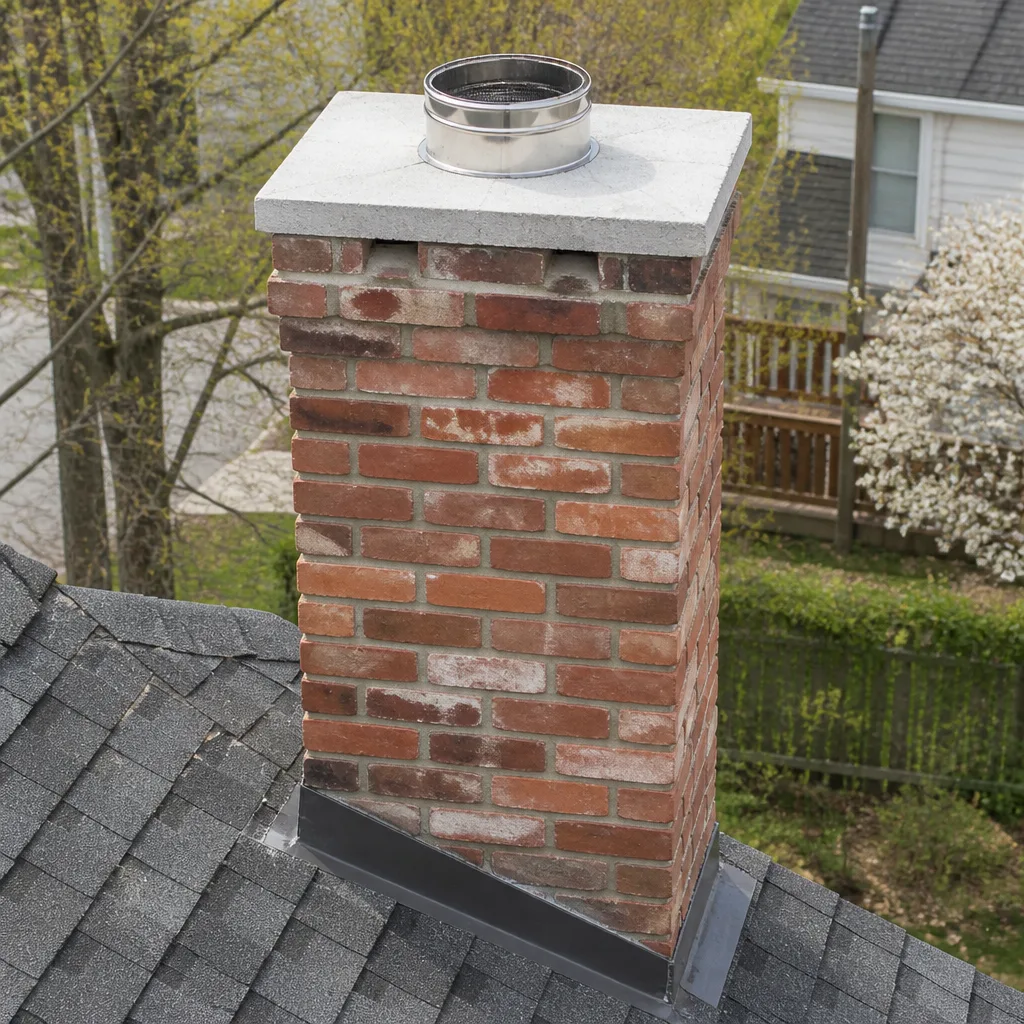
- Sound crown and flashing. The crown is the concrete top of the chimney; the flashing is the metal seal where it meets the roof. A cracked crown or lifted flashing is a direct path for water.
- Sealed mortar joints. Exterior joints that have opened let water into the masonry body. They’re repairable, but only if someone is looking for them before the season.
- An intact liner. A cracked clay tile or a failed liner connection lets water reach the interior structure through the flue itself.
When we find a flue that’s deteriorated but still structurally sound, HeatShield resurfacing can restore the interior without tearing out and replacing the whole liner. It bonds to the existing masonry and gives you a smooth, water-resistant flue surface. That’s a repair many basic sweep companies can’t offer because they don’t carry the materials, and it’s often the difference between a modest repair and a full reline. You can read more about our chimney repair capability if the inspection turns up structural findings.
The Usage Thresholds That Trigger a Mid-Season Cleaning
Calendar-only triggers get this wrong. Two homes in the same Tempe neighborhood, both with a wood fireplace, can have completely different cleaning needs by January depending on how much they burn and how they burn it. Here are the thresholds we use to decide whether a mid-season cleaning is warranted.
Wood volume
Roughly one cord of seasoned hardwood is the practical threshold for a mid-season cleaning. If you’ve burned about a cord by the end of January and you plan to keep burning through February, a mid-season sweep is worth scheduling. If you’re at half a cord or less, the cleaning can usually wait for the post-season visit. A cord is more than most Tempe homeowners realize – if you’re buying wood in small bundles, count them.
Fire frequency and burn characteristics
Fifteen to twenty fires across the season, burned hot and clean, typically produce less creosote than five smoldering fires. Cool, slow, long-burning fires – the kind people run overnight to keep embers going – deposit far more creosote per fire. If your fires are usually smoky at startup, if you routinely see dark smoke from the chimney top, or if you’re damping the fire down for long burns, your creosote accumulation rate is higher than the calendar would suggest and a mid-season check is worth it.
The three states of creosote
Creosote is classified into three stages. Stage 1 is soft, flaky soot that brushes off easily. Stage 2 is a hardened, glazed layer that requires more work to remove. Stage 3 is a thick, tar-like glaze that has essentially baked onto the flue – it’s a fire hazard and a repair issue, not a routine cleaning. Stage 3 is why a mid-season check matters: a chimney that was clean in October can reach Stage 2 by January if the burn was cool and heavy. Only a camera inspection tells you which stage you’re in.
A practical mid-season check routine
- Before lighting, open the damper and look up the flue with a flashlight. A thin gray dusting is normal. A shiny, glazed black layer anywhere in the visible section means call for a sweep.
- Check the firebox for crumbling mortar or loose brick on the back wall. That’s a structural finding, not a cleaning issue.
- Look at the fire itself during use. Slow draw, smoke spill into the room, or a lazy orange flame with heavy smoke all point to a restriction.
- Note the smell when cold. A strong, acrid creosote odor from the firebox means the flue is holding more than it should.
When any of these come up mid-season, a chimney sweep at that point is a safety call, not routine maintenance. Catching Stage 2 early is far cheaper and safer than discovering Stage 3 in February.
Maintenance Schedules for Wood-Burning vs. Gas Fireplaces
Gas fireplace owners in Tempe often skip chimney maintenance entirely because there’s no ash and no creosote. That’s the wrong conclusion. Gas systems still need an annual inspection of the liner and burner assembly, because the failure modes are different but just as real.
Wood-burning fireplace schedule
- September – October: Full inspection with camera, sweep if creosote is present.
- January: Visual check and mid-season sweep if you’ve crossed the one-cord threshold.
- March – April: Post-season sweep and a repair window for anything flagged during the season.
- May: Cap, crown, and flashing check before monsoon.
- June – July: Post-storm checks for water intrusion.
Gas fireplace schedule
- September – October: Annual inspection. The liner, burner, and vent termination are checked for corrosion, obstruction, and debris such as bird nesting.
- November – February: Basic homeowner checks – confirm the pilot lights cleanly, the flame is steady blue with minimal yellow tipping, and there’s no soot on the glass or logs.
- March – April: Inspect the vent cap for animal nesting and the termination for any blockage before summer. Gas fireplaces in Tempe can also get nesting and insect buildup in the vent.
- May: Cap and termination check for monsoon readiness.
The reason gas inspection still matters: a gas liner that has corroded or separated allows exhaust to vent into the home rather than up the flue. That’s a carbon monoxide concern, not a cosmetic one. A camera inspection of the liner confirms the vent path is intact. The burner assembly check confirms the combustion is clean. Neither of those checks requires a sweep, but both require an inspection. If your gas appliance uses a shared vent from a brand system, a capped termination from Gelco or Copperfield keeps the vent clear and animal-free.
Signs During a Fire That Override the Schedule
There are signs during an actual fire that mean stop burning and call for service now, regardless of when the last sweep was. These are the moments when the schedule becomes irrelevant because something in the chimney is telling you it has changed.
Smoke color
A clean, hot wood fire produces thin, light gray or nearly invisible smoke from the chimney top. Dense black smoke, thick white smoke, or dark brown smoke from the top means the flue isn’t drawing properly and combustion is incomplete. Black smoke in particular is a sign of heavy creosote formation happening in real time. If you see it consistently, stop using the fireplace and get a sweep scheduled.
Draw speed
A chimney that drew well in November and draws sluggishly by January has changed. Smoke that lingers in the firebox on startup, a fire that takes a long time to catch, or smoke that spills into the room when you open the door all mean the flue is restricted. The most common cause is creosote buildup reducing the flue’s cross-section. A less common but more serious cause is a partially collapsed liner or a bird nest.
Odor
A cold chimney that smells strongly of creosote – a sharp, almost tar-like odor – is holding more creosote than it should. If the smell is present even when the fireplace hasn’t been used in days, the flue needs cleaning. A damp or musty smell instead of a creosote smell points to water intrusion, which is a monsoon damage issue and should be inspected for a failed cap, crown, or liner.
The stop-and-call checklist
- Dense black or brown smoke from the chimney on a normal fire: stop burning, call for a sweep.
- Smoke spilling into the room when the damper is open: stop burning, call for an inspection.
- Strong creosote odor from a cold firebox: schedule a sweep before the next fire.
- Rumbling sound, roaring draft, or embers visible at the top of the chimney: stop burning immediately and call – this is a chimney fire signature.
- White or efflorescence staining on the firebox brick, or a rusted damper: call for an inspection of water intrusion.
Any of these overrides the calendar. The schedule is a planning tool; the signs during a fire are the ground truth.
Inspection vs. Sweep: What Each One Tells You
These are two different services and they answer two different questions. A sweep removes creosote. An inspection tells you the structural condition of the flue, the cap, the crown, and the surrounding structure. Neither replaces the other, and doing one without the other leaves a gap.
A sweep alone can’t tell you that your liner has a hairline crack you can’t see, that your crown has a monsoon-season crack, or that your flue tiles have separated at a joint. An inspection – with a camera run down the full length of the flue – can. We treat the inspection as the diagnostic and the sweep as the cleaning; together they tell you what’s safe, what needs repair now, and what can be monitored. Every inspection produces a documented condition assessment, so you’re not relying on someone’s word about what they found. You can see the camera footage and the photo report.
What the inspection covers
- Flue interior: camera inspection of the full liner for cracks, separation, and creosote staging.
- Crown and cap: condition of the concrete crown and the cap installation; animal and debris check.
- Firebox and damper: masonry condition, damper operation, and signs of water intrusion.
- Exterior and roof penetration: flashing, mortar joints, and attic-side condition where accessible.
- Appliance connections: for wood stoves and inserts, the stove-to-flue connection and any gaps.
We use this same framework on every service call so the findings are comparable season to season. If a repair is needed, the options are quoted from the inspection findings, not from a generic estimate – which is where a company like ours that carries its own repair materials becomes useful. During the same visit that finds a deteriorated flue, we can quote DuraFlex liner or HeatShield resurfacing and complete the repair without a second contractor. The Tempe Chimney Sweep team handles the sweep, the inspection, and the repair as one relationship.
When to Schedule Repairs (and When They Can Wait)
Not every finding is urgent, and one of the things we spend a lot of time on is telling homeowners plainly what can safely wait. The inspection report distinguishes three categories: safe as-is, monitor, and repair now. Only the third gets scheduled immediately. The rest can slot into the March – April repair window or even the following fall.
Repairs that should happen before the next fire season
- Any Stage 3 creosote in the flue – it’s a fire hazard and needs removal plus inspection for damage.
- A cracked or separated liner that’s letting combustion gases into the structure.
- A failed damper that won’t close or open fully.
- Broken or missing cap that’s leaving the flue open to rain and animals.
- A crown with an open crack that will worsen through the summer heat.
Repairs that can wait for the March – April window
- Minor mortar joint weathering on the exterior that’s not yet allowing water in.
- Light surface deterioration of the flue that’s structurally sound but will need resurfacing eventually.
- Cap upgrades and screen replacements from Gelco, Famco, or Olympia Chimney – scheduled to coincide with the pre-monsoon closeout in May.
The one category that should never wait until fall: anything that lets water in above the roofline. In Tempe, a small crack in spring becomes a much bigger repair by the time monsoon season arrives. Spring is also the right time for full liner replacement, because the work is done and settled long before the first fire and the first storm. If the inspection points toward a reline, we quote DuraFlex for flexible liner work because the material is purpose-built for the application rather than adapted from a hardware-store kit.
Common Mistakes to Avoid
- Treating the calendar as the whole schedule. A date on the wall doesn’t know how much creosote is in your flue. The inspection and the signs during fires tell you what the calendar can’t.
- Skipping the summer cap and crown check. This is the single biggest oversight we see in Tempe. A cap that looks fine in October can be silently failing through a full monsoon season, and by the following fall the water damage has already happened.
- Assuming a gas fireplace needs no maintenance. Gas systems still need an annual liner and burner inspection. The failure mode isn’t creosote, it’s a corroded liner or a blocked vent, and neither announces itself until there’s a problem.
- Cleaning without inspecting. A sweep that doesn’t include a camera inspection can’t find a cracked liner, a failing crown, or a separated flue tile. The cleanup looks complete while the real issue stays hidden.
- Waiting for a chimney fire to schedule service. Creosote glazes in stages, and a chimney that was Stage 1 in October can reach Stage 2 by January. A mid-season check catches that before it becomes a fire hazard.
- Using improvised caps and hardware-store liner parts. A cap that doesn’t fit the flue opening leaves gaps the rain finds, and a liner patched with the wrong material can fail in one season. Purpose-built components from a brand designed for the application are worth the difference.
- Deferring the repair the inspection flagged until the following fall. A minor flue issue discovered in March done in March is routine. Done in October under time pressure, it competes with every other homeowner who waited.
See the difference
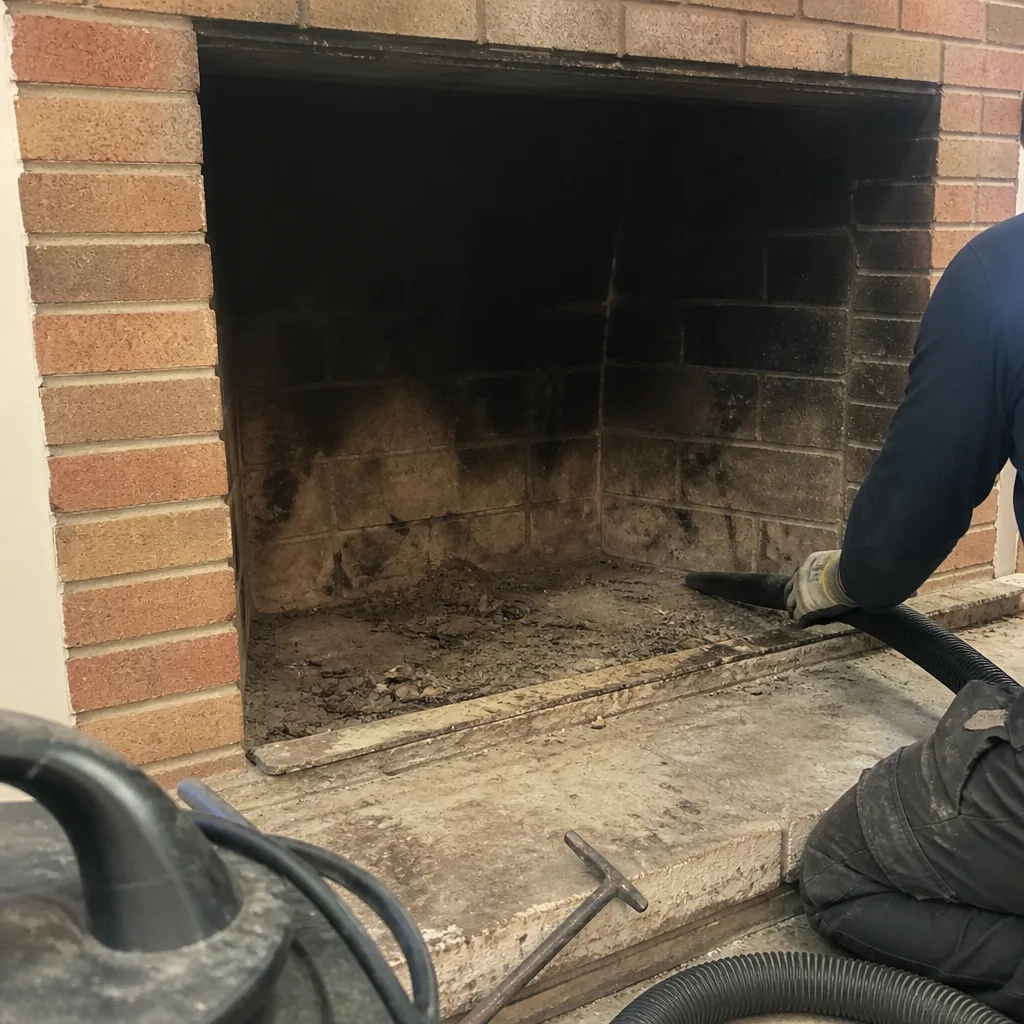 Before
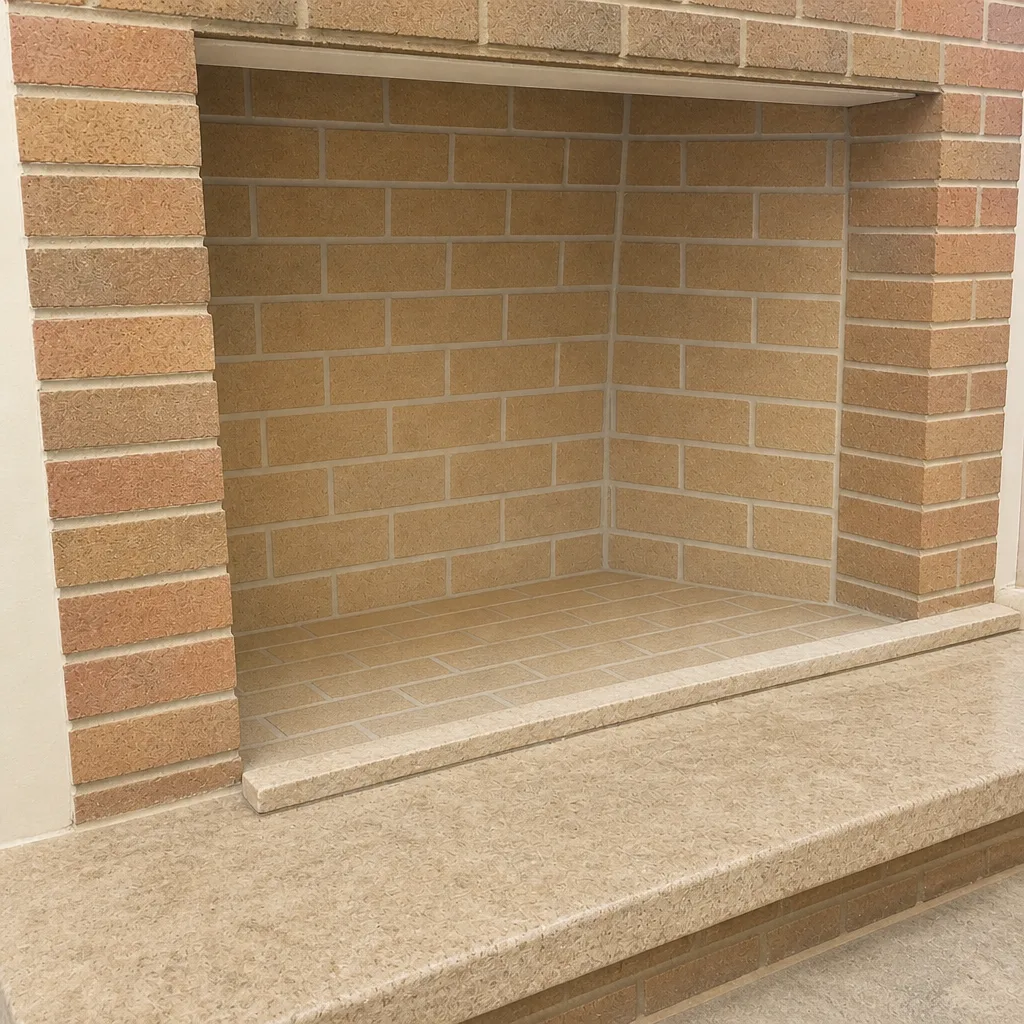 After
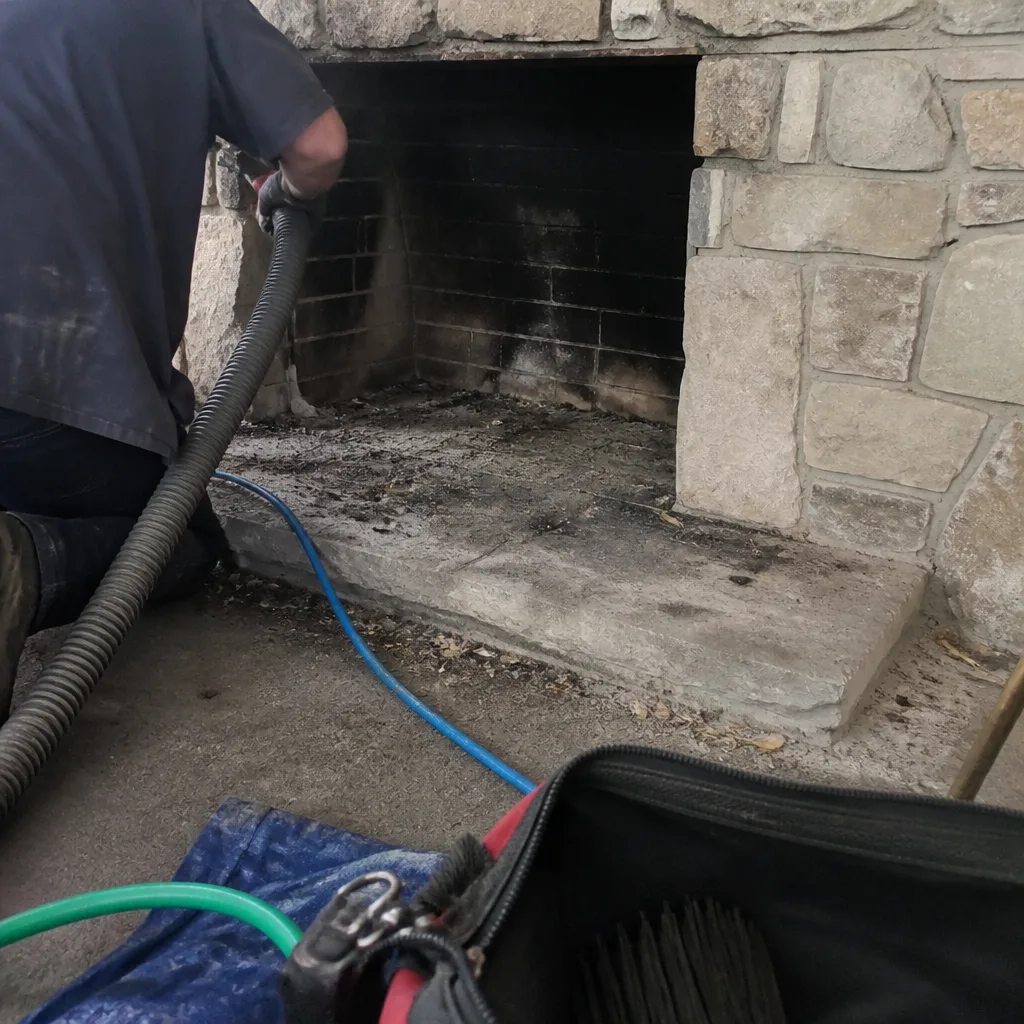 Before
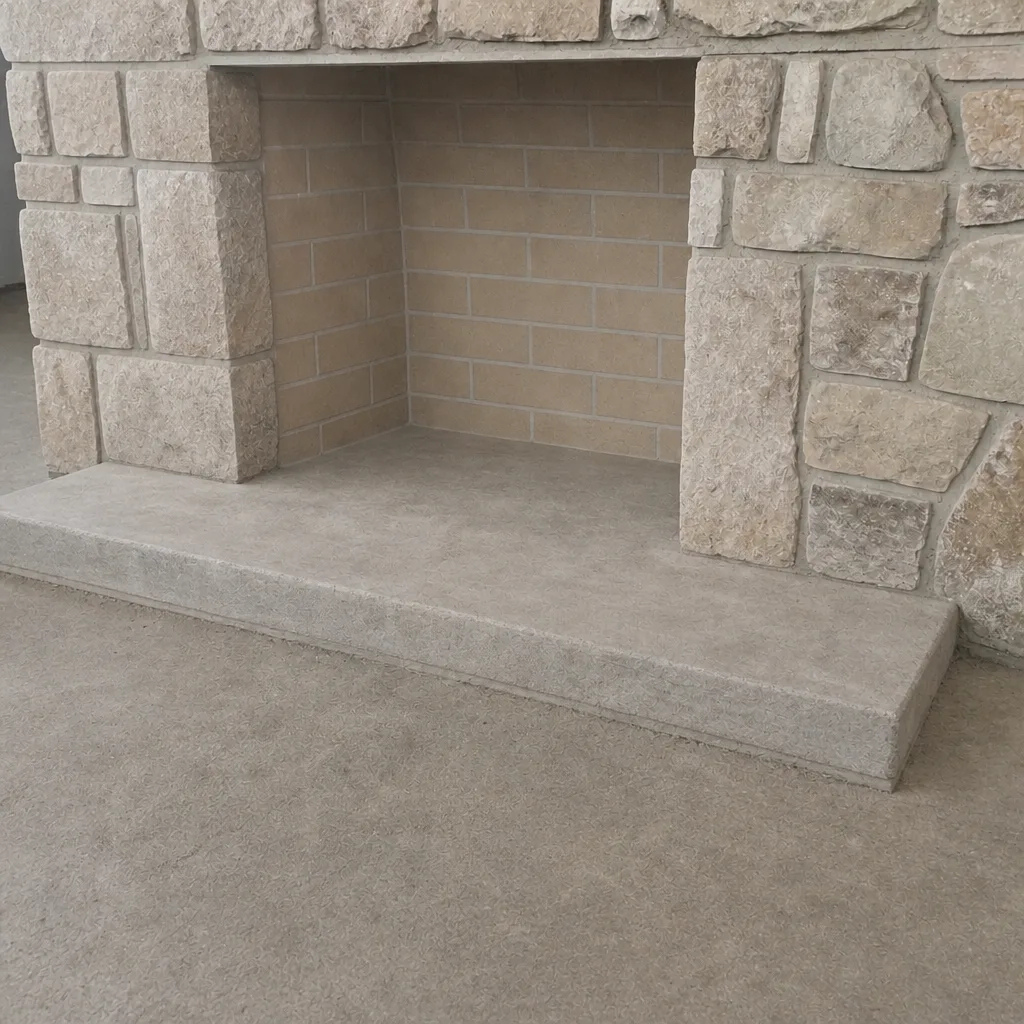 After
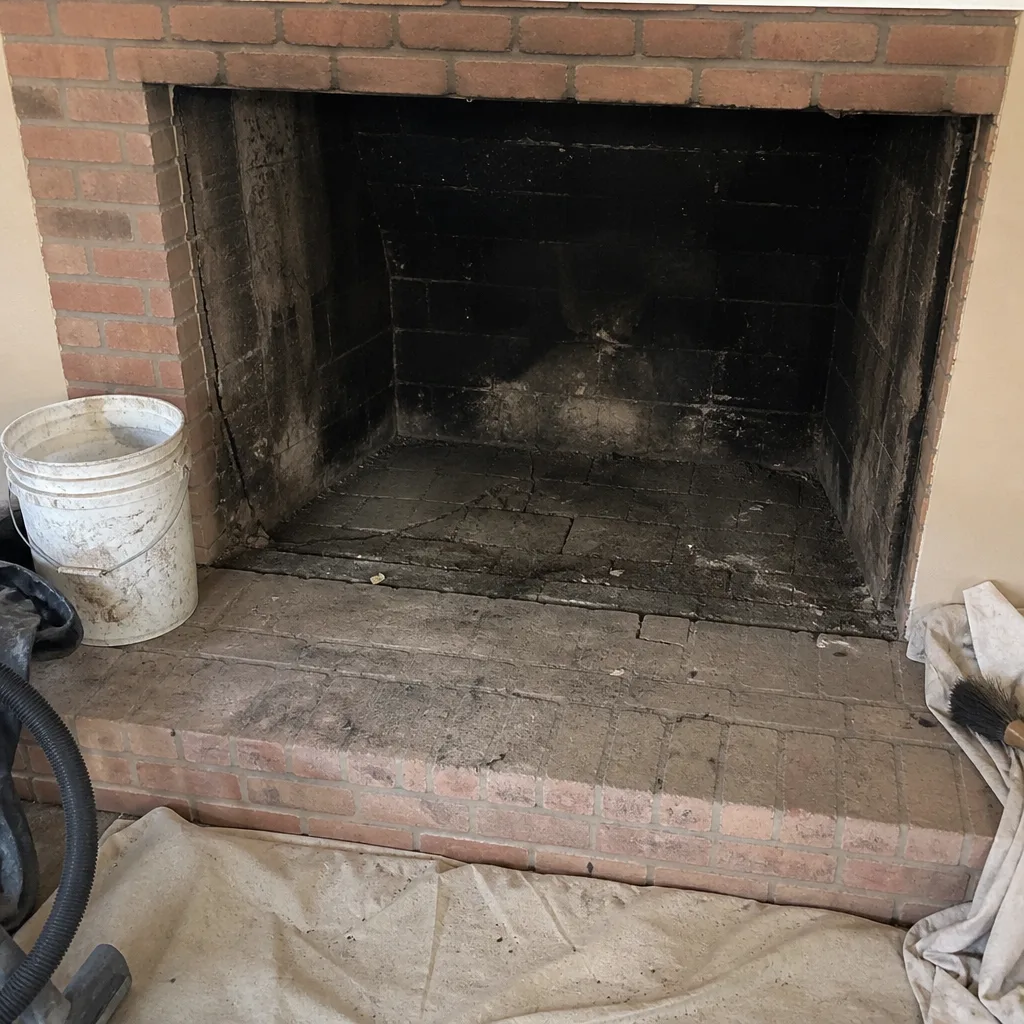 Before
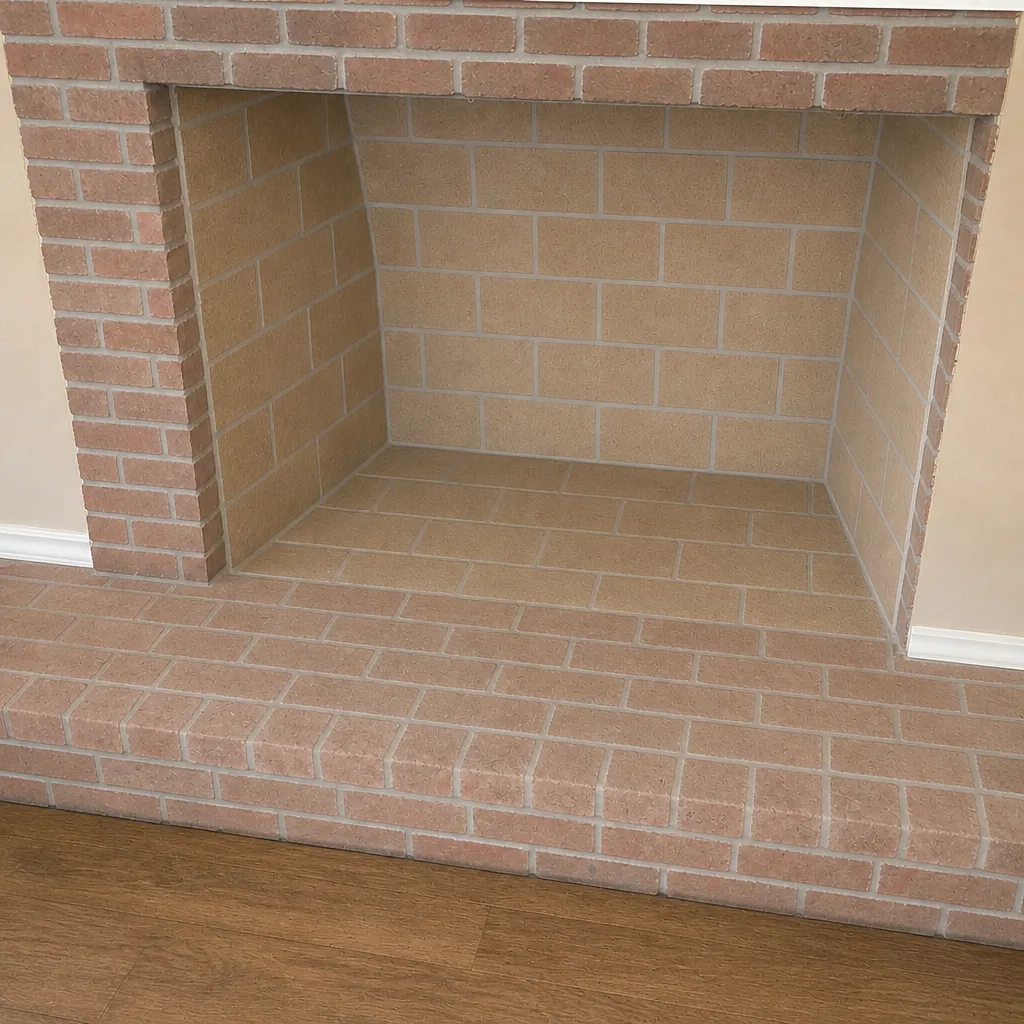 After
When to Call a Professional
Call a professional for any chimney work that involves a camera inspection, a liner, a crown, or rooftop access. Those are not homeowner tasks, and the consequences of getting them wrong – fire risk from a hidden crack, carbon monoxide from a failed vent path, or injury from roof work – are not small. In practical terms, call when: your pre-season inspection window is open in September or October; you’ve crossed the one-cord threshold mid-season; you notice any of the override signs during a fire; you’re seeing water staining or dampness in the firebox; or you’ve recently bought a home with an unknown chimney history and no inspection record.
Our technicians have up to 9 years of experience, and we work with six professional chimney brands, including DuraFlex liner systems, HeatShield resurfacing, and caps from Olympia Chimney, Famco, Copperfield, and Gelco. That means a finding during the inspection turns directly into a quoted repair option rather than a call to a second contractor. Tempe Chimney Sweep offers free estimates in Tempe – call (866) 827-7102. We answer 24/7. Fast dispatch from 7am to 7pm, Sunday through Friday. We’re closed Saturday.
Frequently Asked Questions
Most wood-burning fireplaces in Tempe need a sweep at least once per burn season, with a possible mid-season sweep if you’ve burned about a cord or more by January. Because the local fire season is compressed into roughly November through February, the practical schedule is one sweep in the fall before the season and a second one if the usage threshold crosses in mid-winter. Gas fireplaces don’t need a sweep but still need one annual inspection. Call (866) 827-7102 for an exact quote – estimates are free.
Yes, and in Tempe the annual inspection is arguably more important than the sweep. Summer heat and monsoon moisture do structural damage to the chimney that a sweep alone can’t find, so the inspection is what tells you whether the chimney is safe, what can be monitored, and what needs repair. The camera and photo report mean you see the evidence rather than take someone’s word for it. Call (866) 827-7102 to schedule – estimates are free.
Skipping maintenance doesn’t just allow creosote to build – it lets small structural problems grow through monsoon seasons without being caught. A hairline crown crack in spring becomes water intrusion by fall, and a Stage 2 creosote layer becomes Stage 3 with a few more cool-burning fires. The risk isn’t evenly distributed: the deferred seasons are exactly the ones where the damage compounds. Call (866) 827-7102 to schedule an inspection and get a clear picture of where things stand – estimates are free.
Yes. Gas fireplaces don’t produce creosote, but they do have a liner and a vent termination that can corrode, separate, or get blocked by nesting, and either failure means exhaust can vent into the home instead of up the flue. An annual inspection of the liner and burner is the whole schedule, and it’s a short visit. Call (866) 827-7102 for an exact quote – estimates are free.
Yes, because the most serious problems are inside the flue and the chimney structure, where you can’t see them. A Stage 2 creosote layer, a hairline liner crack, and a separated flue tile all look completely normal from the firebox. The clearance is the reason the annual inspection exists. Call (866) 827-7102 to book a check – estimates are free.
For many findings, yes – our scope covers sweep, inspection, and repair, and we carry DuraFlex liner and HeatShield resurfacing materials so a flue finding can be quoted and often completed by the same team. Some repairs, like a full reline, need to be scheduled as a dedicated visit once the inspection and estimate are finalized. Either way, the answer to “what does this chimney actually need?” comes from the camera evidence. Call (866) 827-7102 for an exact quote – estimates are free.
The Bottom Line
The right schedule for a Tempe chimney isn’t “once a year.” It’s a September – October inspection before the first fire, a January visual and sweep if you’ve burned about a cord, a March – April sweep and repair window once the season ends, and a May – July monsoon prep that protects the exterior from the most damaging months of the year. Wood fireplaces follow that full calendar; gas fireplaces follow a shorter version with an annual liner and burner inspection. Signs during a fire – dark smoke, sluggish draw, or a strong creosote odor – override the calendar every time. Book the inspection early, do the repair in spring, and check the cap and crown before the storms. If you have questions or want to book a visit, call (866) 827-7102. We answer 24/7. Fast dispatch from 7am to 7pm, Sunday through Friday.
Written by the team at Tempe Chimney Sweep.