
Last updated November 15, 2026
 Sweep & inspection
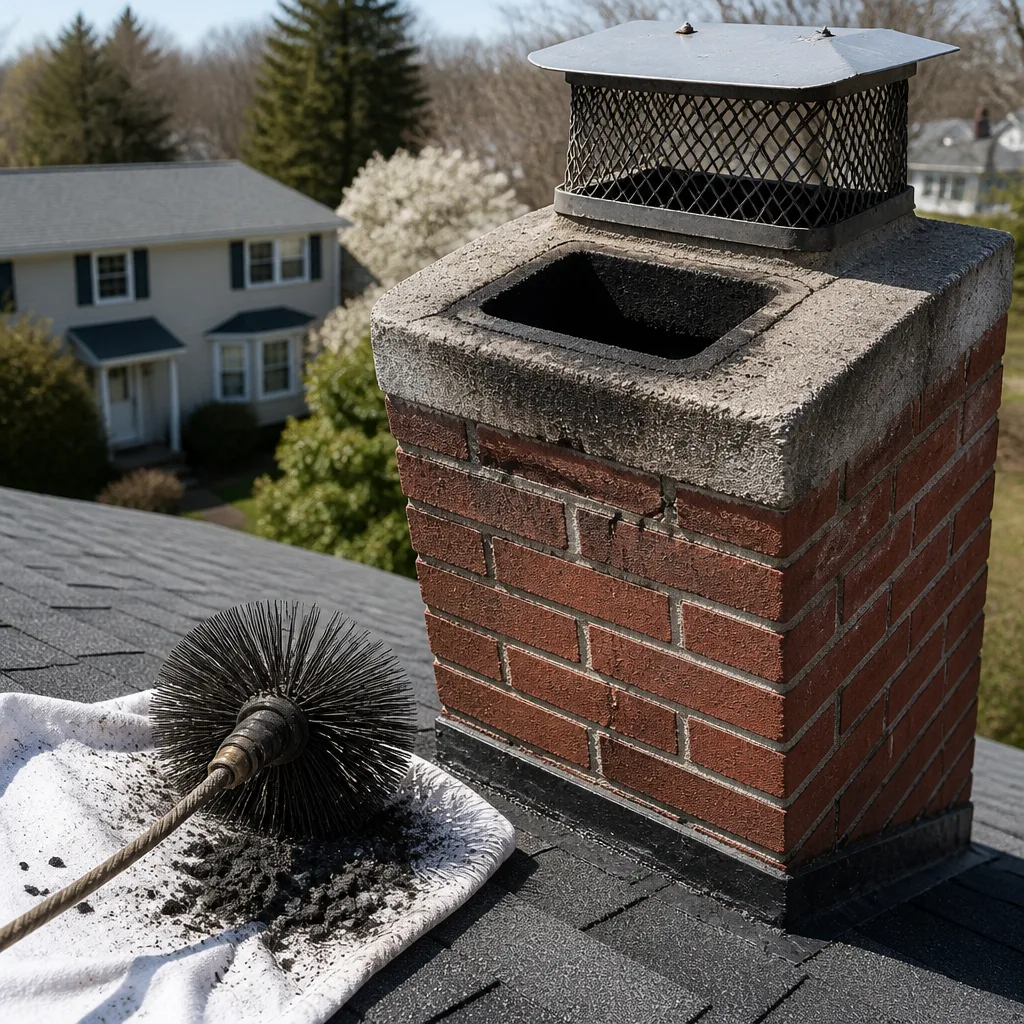
 Caps & crowns
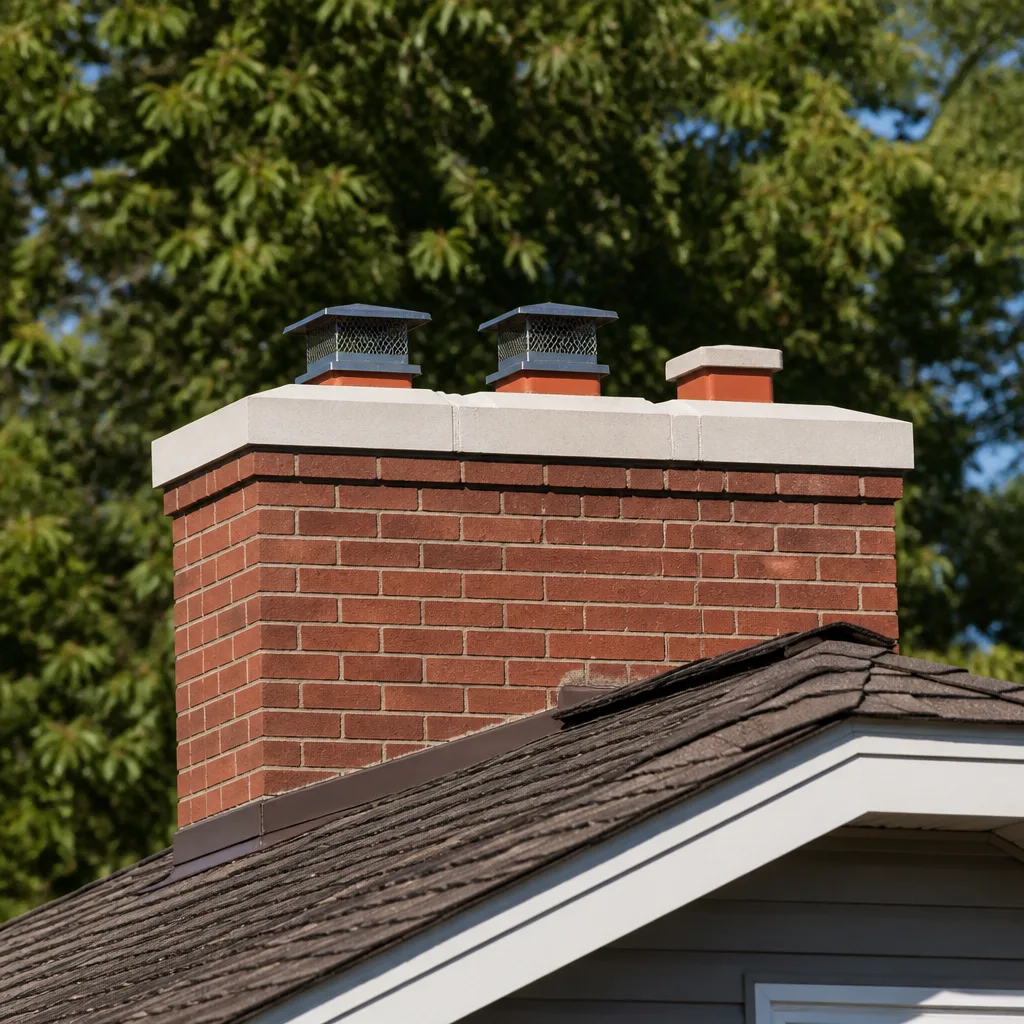
 Flue relining
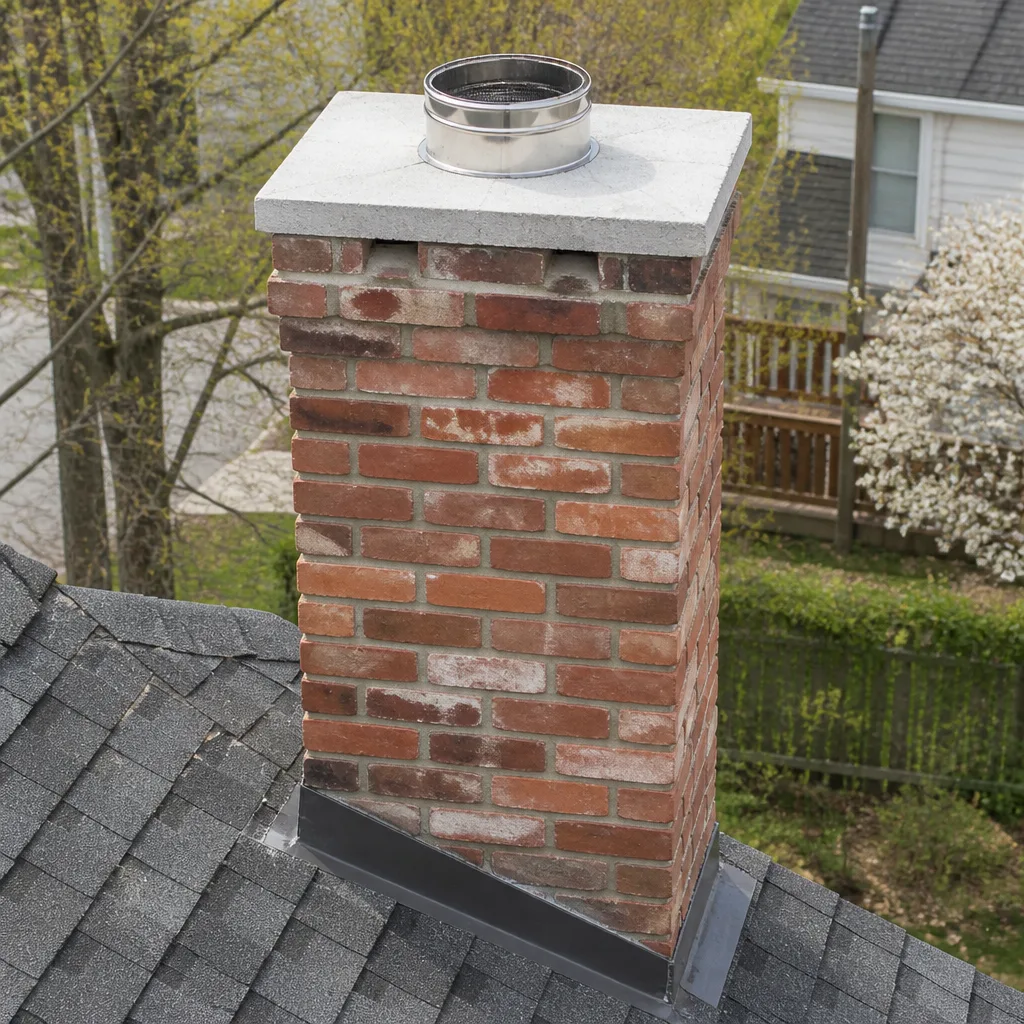
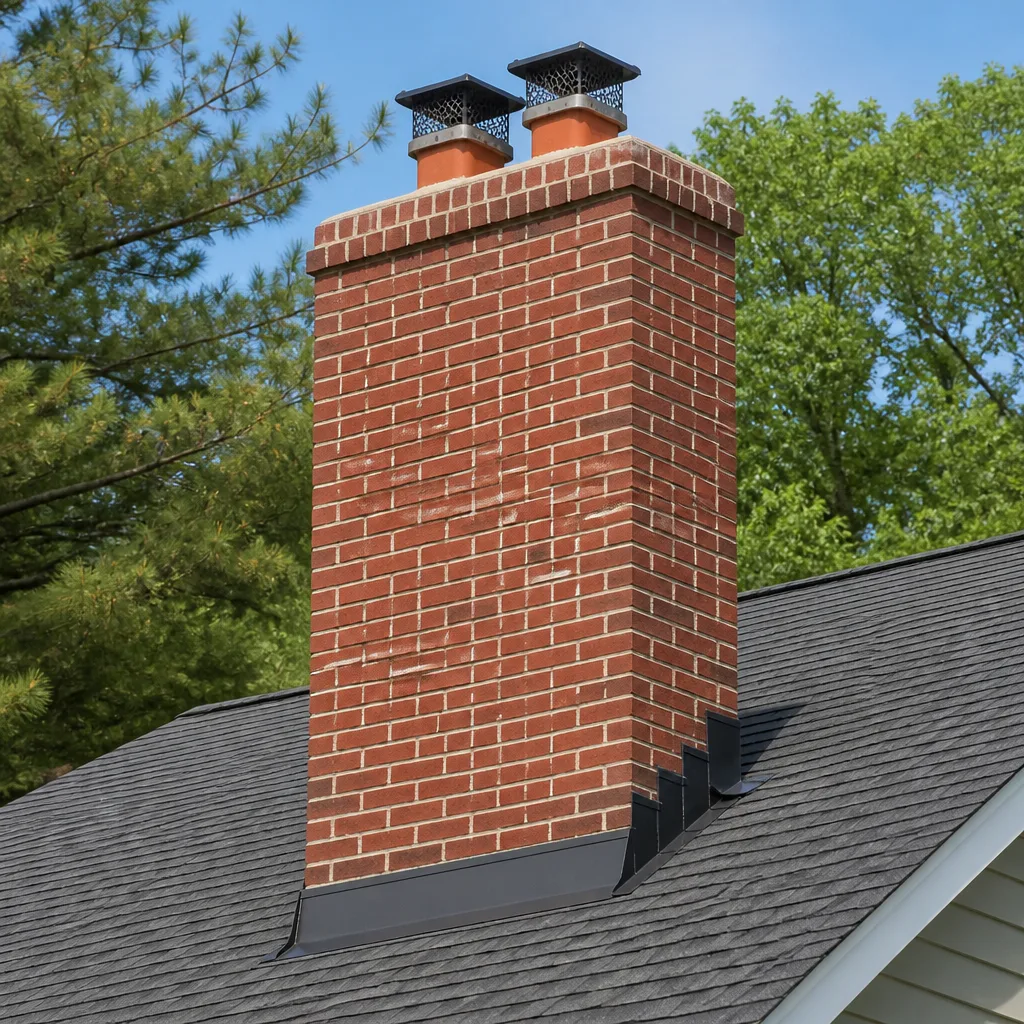 Masonry repair
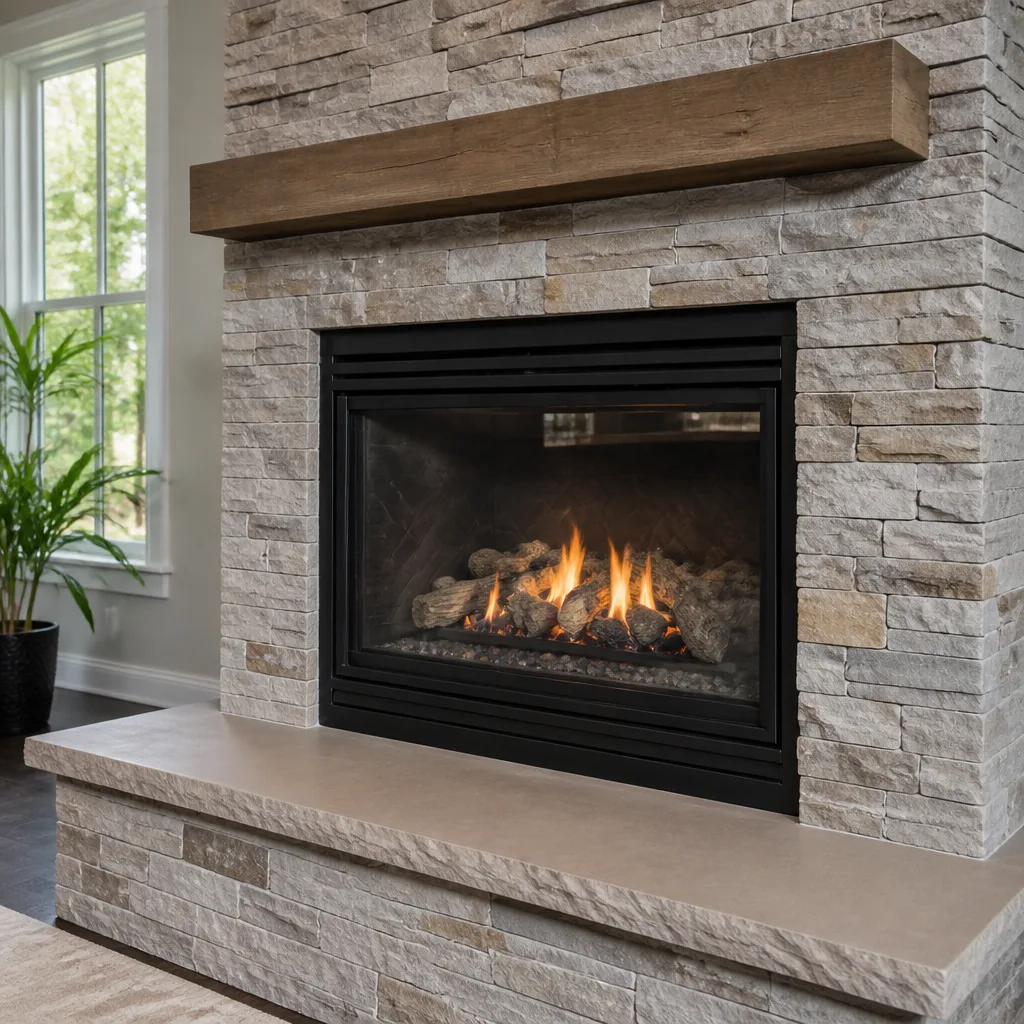 Gas fireplace service
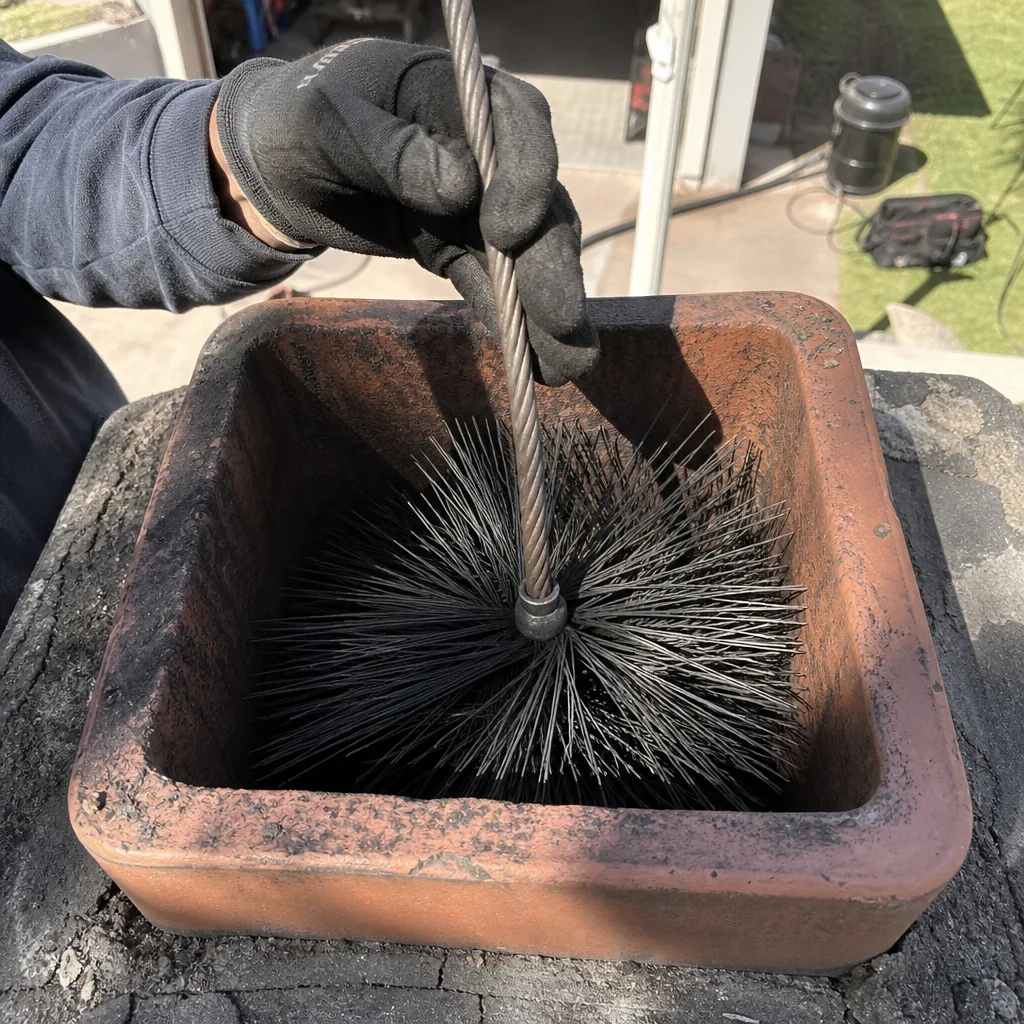
Level 1 sweep and inspection to the NFPA 211 annual standard - flue, crown, cap, and flashing checked and photographed
Chimney sweep logs do not sweep chimneys. They loosen some creosote - which then falls where a brush and vacuum still have to collect it.
Chimney Sweep Troubleshooting in Tempe: Common Problems and How to Fix Them
If your fireplace smokes into the room every time you light it, the instinct is to blame the wood. Wet wood, the wrong species, too much bark. But in Tempe’s climate, the more likely culprit is a draft reversal caused by negative air pressure inside a tightly sealed modern home, not the fuel you’re burning. The same is true of most chimney complaints we hear: the visible symptom almost never points at the actual cause. A sulfur smell in July isn’t a gas leak. Cracking on the outside of the chimney isn’t necessarily structural failure. This guide maps the five most common Tempe chimney symptoms to their specific mechanical sources, so when you call a technician you can describe what you’re seeing in language that gets to the fix faster.
Quick Answer
Most chimney problems in Tempe trace back to one of three systems: draft (airflow through the flue), the flue liner itself (cracked or deteriorating masonry), or moisture intrusion through the crown and cap. Smoke backing into the room usually means negative pressure or a blocked flue; a sulfur smell in summer usually means creosote or organic debris reacting to heat; white staining on exterior brick usually means water is getting in somewhere above. None of these are fixed by sweeping alone, and none should be diagnosed from the ground with binoculars. A camera inspection inside the flue is what separates a real problem from a guess.
Styles & brands we work with
- Sweep & inspection
- Caps & crowns
- Flue relining
- Masonry repair
- Gas fireplace service
Table of Contents
- Why Does Smoke Come Back Into the House in Tempe?
- What Causes That Sulfur Smell From the Fireplace in Summer?
- What Does White Staining on the Chimney Brick Mean?
- Why Is the Fire Slow to Draw and Weak to Burn?
- What’s That Scratching and Flapping Sound in the Chimney?
- How Do Tempe’s Heat Cycles Affect the Flue Liner?
- What a Technician Actually Checks During Diagnosis
- Symptom-to-Cause Quick Reference Table
Why Does Smoke Come Back Into the House in Tempe?
Smoke spilling into the room is a pressure problem before it’s a chimney problem. A fireplace drafts because the hot gases in the firebox are lighter than the outside air and rise up the flue, pulling replacement air in from the room. When a house is sealed tight, that replacement air has nowhere to come from, so the flue can’t pull, and smoke has only one place to go: out the front of the firebox. In Tempe, where newer construction and aggressive weatherstripping are common, this negative-pressure scenario shows up more often than a genuinely blocked chimney.
Before assuming the worst, check three things no tool is required for:
- Crack a window near the fireplace before lighting. If the smoke stops spilling, you’ve confirmed a pressure problem. That’s useful information a technician can work with.
- Check the damper. A damper that’s closed, half-open, or rusted in place mimics a blocked flue exactly.
- Look at the cap from the ground. A cap with a clogged screen or a bird nest packed into it will choke the draft, and you can often see it from the yard.
Other causes of backdraft include a flue that’s too short for the firebox opening, a flue that’s oversized for the appliance (a common mismatch when a wood stove was swapped in without relining), and pressure from kitchen or bathroom exhaust fans running at the same time. Each has a different fix, which is why the diagnosis matters more than the symptom. If cracking a window solves it temporarily, that’s a workaround, not a repair. Book a chimney sweep and ask for a draft assessment at the same time so the cause gets documented rather than guessed at.
What Causes That Sulfur Smell From the Fireplace in Summer?
A sulfur or rotten-egg smell from a fireplace in summer almost never means a gas leak. It usually means creosote, soot, or organic debris sitting in the flue and reacting with heat and humidity. In Tempe, where attic temperatures climb well past 100°F for weeks at a stretch, that trapped material bakes slowly and offgasses into the living space. The smell gets worse in the afternoon heat and fades overnight, which is the tell.
There are a few distinct sources and each smells slightly different:
- Creosote in the flue. Glazed creosote (Stage 3) carries a sharp, tar-like smell that gets stronger as the chimney warms. Creosote is classified by the CSIA into three stages, and Stage 3 is a mandatory repair, not a recommendation.
- Organic debris. Leaves, twigs, and bird nesting material decompose in the flue and produce a sour, swampy odor. This is common in Tempe chimneys that sit unused through the long off-season.
- Water intrusion. Moisture reaching the smoke chamber or firebox mixes with soot and produces a musty smell that isn’t quite sulfur but reads similar to a homeowner.
- Dead animal. Less pleasant but real. A cap without a screened top is an open door, and once an animal dies inside the flue the smell gets strong fast and stays until it’s removed.
The mistake is masking the smell with air fresheners or a decorative candle in the firebox. That only overlaps the symptom while the source keeps reacting with heat. A camera inspection finds the source in minutes, and a proper sweep removes it. If the odor shows up without any recent use, treat that as a reason to book rather than wait. Call (866) 827-7102 for an estimate, and we’ll tell you what the camera shows.
What Does White Staining on the Chimney Brick Mean?
White, chalky staining on exterior brick is called efflorescence, and it’s a water problem, not a masonry problem. Water gets into the brick or mortar somewhere above, dissolves salts as it moves through, and leaves them on the surface when it evaporates. You’re seeing the evidence of a leak, not the leak itself. In Tempe, the staining usually shows up after the monsoon season and tends to be heaviest on the south and west faces, where the sun drives moisture movement hardest.
The staining is safe to monitor. What’s behind it may not be. Three things deserve a closer look:
- The crown. The concrete cap at the top of the chimney cracks as it ages, and water runs straight into the masonry through those cracks. A cracked crown is the single most common source of chimney water intrusion.
- The cap and screen. A missing or rusted-through cap lets rain fall directly into the flue. Caps from Gelco and Olympia Chimney are engineered for this application, which is why we specify them by name rather than grabbing whatever fits at a hardware store.
- The mortar joints. Recessed or eroded joints hold water against the brick and let it travel deeper with each cycle.
Efflorescence you can watch. Spalling firebrick you can’t. If interior brick is flaking, pitting, or crumbling at the firebox, that’s a structural signal that needs professional assessment. Efflorescence on the outside paired with no interior symptoms is a water-management job: sealing, crown repair, or a properly fitted cap. Book it as a chimney repair visit rather than waiting for the staining to turn into spalling.
Why Is the Fire Slow to Draw and Weak to Burn?
A fire that lights hard, smolders, and produces more smoke than flame is usually being starved of air or choked from above. Somewhere in the path from room to sky, the draft is losing momentum. Most of the cause sits in one of four places, and they can be checked in order without opening up the chimney.
- A partially closed or blocked damper. Check first. It’s the cheapest diagnosis and the most common cause.
- A clogged spark arrestor or cap screen. Tempe dust and debris collect on the screen; a screen clogged to half its open area cuts draft drastically.
- A flue that’s undersized for the firebox. Builders sometimes undersize flues, or an insert gets added without a matching liner. The fire needs a flue diameter that matches its opening, or it fights itself.
- A cold flue. A flue that hasn’t been used in weeks starts cold and won’t draft until it warms. This matters more in Tempe because the flue sits idle for so many months that it never gets a chance to stay warm.
A draft gauge reading taken at the firebox tells a technician exactly how much pull the chimney is producing and whether the cause is in the flue or outside it. Slow draw is safe to monitor while you test the simple fixes. If damper position, a clean screen, and pre-warming the flue don’t resolve it, the problem is somewhere in the flue geometry and needs a camera to find. Tempe Chimney Sweep includes a camera inspection and photo report with every visit for exactly this reason, because the flue doesn’t lie and a photo report lets you see what the technician sees.
What’s That Scratching and Flapping Sound in the Chimney?
Scratching, flapping, or chirping from inside the chimney almost always means an animal is in the flue or on top of the smoke shelf. Birds, squirrels, and occasionally bats find open chimney tops and move in, particularly in Tempe where shade and shelter are in short supply in summer. The noise matters because it signals two things at once: something is in there now, and whatever’s in there is blocking the flue.
Don’t light a fire until the chimney has been checked. An obstruction in the flue forces smoke and carbon monoxide back into the room, and a nest or a trapped animal is a serious obstruction. The CSIA’s guidance is straightforward on this: if you suspect an obstruction, get an inspection before the next burn.
Getting the animal out is one job. Keeping the next one out is the repair. Caps from Famco and Copperfield are designed to close that opening while still venting properly, and a properly fitted cap with an intact screen is the difference between a one-time nuisance and a recurring problem. Noise in the chimney isn’t a monitoring symptom. Call (866) 827-7102 and we’ll book an inspection to remove the obstruction and confirm the flue is clear.
How Do Tempe’s Heat Cycles Affect the Flue Liner?
Tempe’s heat cycles stress a flue liner differently than a humid climate would. The thermal swing between a 110°F summer afternoon and a 60°F winter night, repeated across hundreds of days, expands and contracts clay tile liners and the mortar around them. Each cycle puts a small amount of movement into joints that were never designed to flex. Over time that movement shows up as a specific pattern of cracking you can often spot from inside the firebox with a flashlight.
What typically shows up in a Tempe flue:
- Hairline vertical cracks in clay tile joints. The mortar between tiles cracks before the tiles themselves, and those cracks open up further as the flue warms and cools through the season.
- Spalling firebrick at the firebox. Firebrick that flakes or crumbles at the seams is failing under repeated heating and cooling, and it’s a structural signal, not a cosmetic one.
- Gaps at the smoke chamber. The transition from firebox to flue is where heat concentrates, and where mortar deterioration shows up first.
What makes the cracking dangerous isn’t the crack itself but what gets through it: heat and carbon monoxide moving into the masonry around the flue rather than up and out. A hairline crack in the visible firebox doesn’t confirm damage deeper in the flue, and that’s the whole argument for camera inspection. Where the damage is limited to the inner surface and the tile structure is otherwise sound, HeatShield resurfacing bonds to the existing masonry and restores the flue’s integrity without a full teardown. Where the tile is broken through, a DuraFlex liner is the appropriate fix. Both are professional-grade components, not improvised repairs, and both can be quoted by the same team that found the crack during the inspection.
What a Technician Actually Checks During Diagnosis
An inspection isn’t a look up the chimney with a flashlight. A working diagnosis follows a specific sequence, and most of what matters is invisible from below. Here’s what a technician is actually doing during that visit, in order:
- Exterior walk-around. Crown condition, cap and screen integrity, masonry staining, roof flashing. This is where water sources are identified before anything inside gets touched.
- Firebox and smoke chamber inspection. Firebrick condition, mortar joints, damper operation, and the smoke shelf. Cracks here are photographed before cleaning so the baseline is on record.
- Camera inspection of the flue. A video camera on a rod travels the full length of the flue. The technician is looking at tile joints, offsets, gaps, and the condition of the liner top to bottom, and the camera angle at each joint is what makes a joint crack visible at all.
- Draft measurement. A draft gauge at the firebox opening measures actual pull. A number here converts “seems to smoke” into a testable diagnosis.
- Documented condition report. Photographs and notes on what’s safe, what needs repair now, and what can be monitored. The homeowner should walk away from the visit holding the evidence, not just a recommendation.
The point of the sequence is to separate symptoms from systems. A camera inspection finds what the flashlight missed, and a draft reading explains what the camera can’t. If you want to see the difference, book a Tempe inspection and ask to see the photos before anything is recommended. Nothing gets recommended without camera evidence you can look at yourself, and when work can safely wait, we’ll say so.
Symptom-to-Cause Quick Reference Table
Keep this list on your phone and read it before you call. It won’t replace a diagnosis, but it will help you describe what’s happening in a way that gets the right person out faster.
- Smoke spilling into the room when lit: negative pressure, closed or stuck damper, blocked flue, or flue undersized for the firebox. Safe to monitor only if cracking a window resolves it and it isn’t recurring every fire.
- Sulfur or musty smell in summer, no recent use: creosote offgassing, organic debris, water intrusion, or a dead animal in the flue. Needs professional assessment if there’s no recent burn history.
- White chalky staining on exterior brick: water intrusion through crown, cap, or mortar joints. Monitor the staining, but have the source found.
- Slow draw, weak fire: damper, clogged cap screen, cold flue, or flue geometry. Testable without opening anything up.
- Scratching or flapping in the chimney: animal in the flue or on the smoke shelf. Needs assessment before the next fire.
- Visible firebrick spalling at the firebox: structural deterioration under heat cycles. Needs immediate assessment.
- Creosote smell with no recent burns: Stage 3 creosote buildup. Mandatory repair, not a monitoring item.
Two of those symptoms belong in the “call now” pile: spalling firebrick and creosote odor with no recent use. Everything else can wait for a booked visit without any increased risk.
Common Mistakes to Avoid
- Blaming the wood for a draft problem. Dry wood helps, but if the fire smokes every time regardless of what you burn, the cause is in the flue or the pressure balance, not the fuel.
- Lighting a fire after hearing an animal in the chimney. An obstruction forces exhaust back into the room. Confirming the flue is clear comes before the next burn, not after.
- Sealing the exterior brick before the water source is found. Sealing the surface traps moisture in the wall and the efflorescence comes back worse. The crown, cap, and joints get fixed first.
- Treating a cracked crown as cosmetic. Tiny cracks in the crown look harmless and let a lot of water in. They’re the cheapest chimney repair you’ll ever do, and the most expensive one to skip.
- Using a hardware-store cap because it “fits.” A cap has to vent properly and shed water away from the flue. Generic caps often do neither, which is why we specify Gelco, Famco, and Olympia Chimney caps for the application.
- Confusing a sweep with an inspection. A sweep cleans. An inspection diagnoses. If you’ve been told your flue needs a liner and no camera was ever run, ask to see the photos.
- Waiting for a smoke problem to fix itself. Draft issues don’t improve with use. They tend to get more consistent with each fire, and the earlier the diagnosis, the more likely the fix is a crown repair or a cap rather than a liner.
See the difference
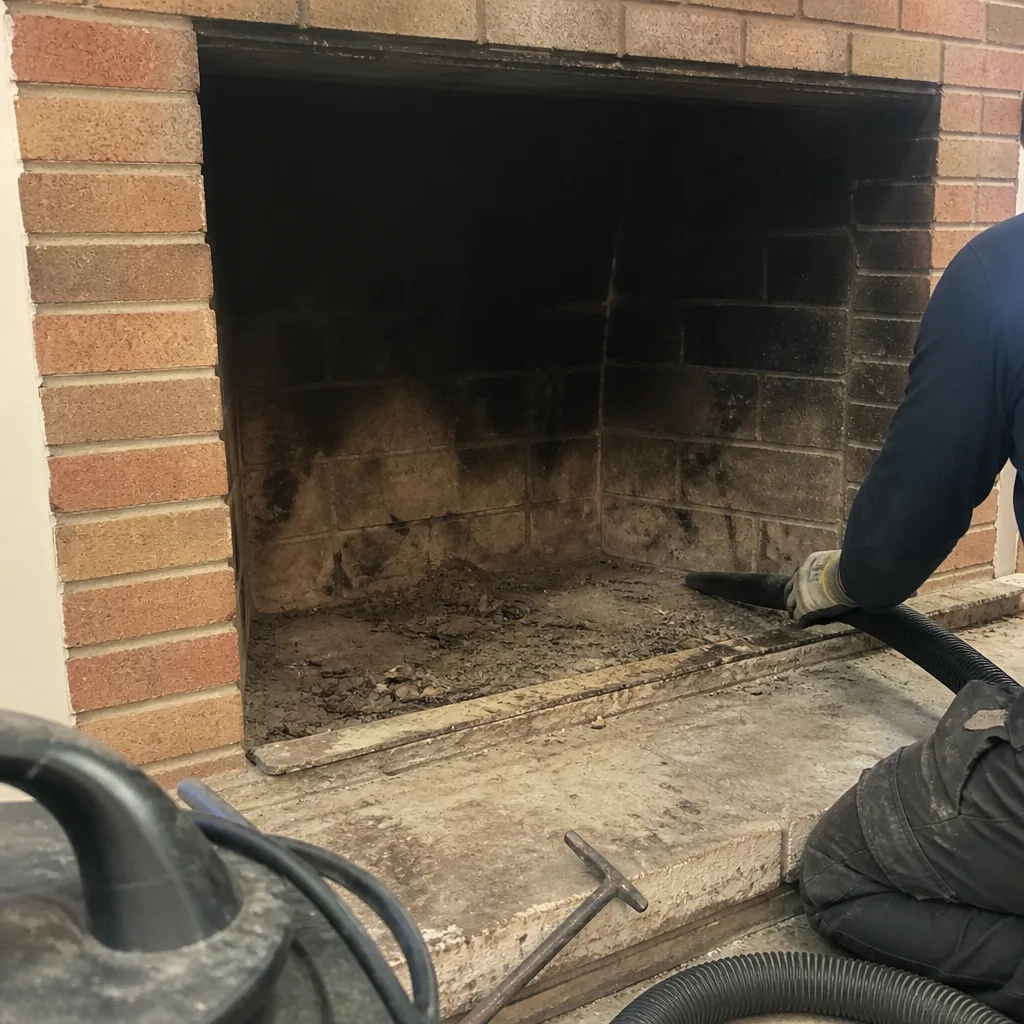 Before
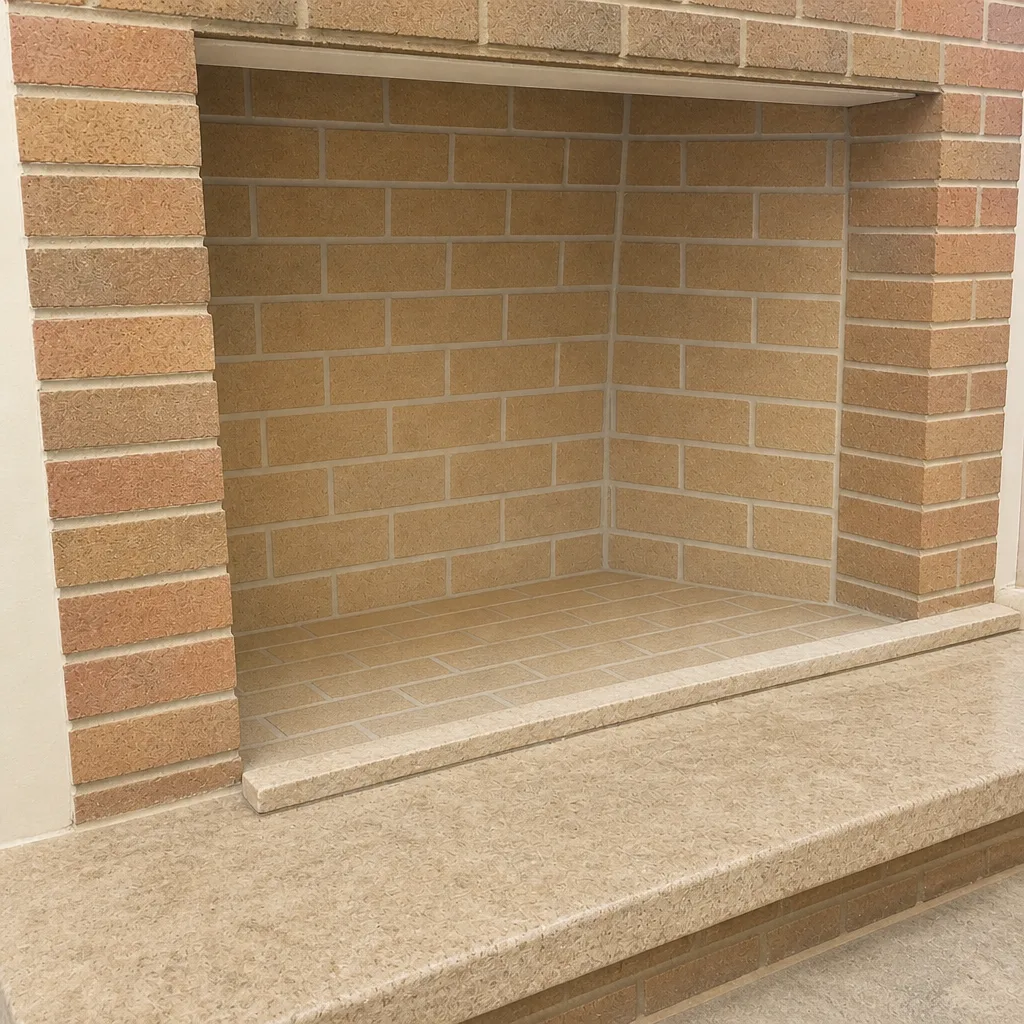 After
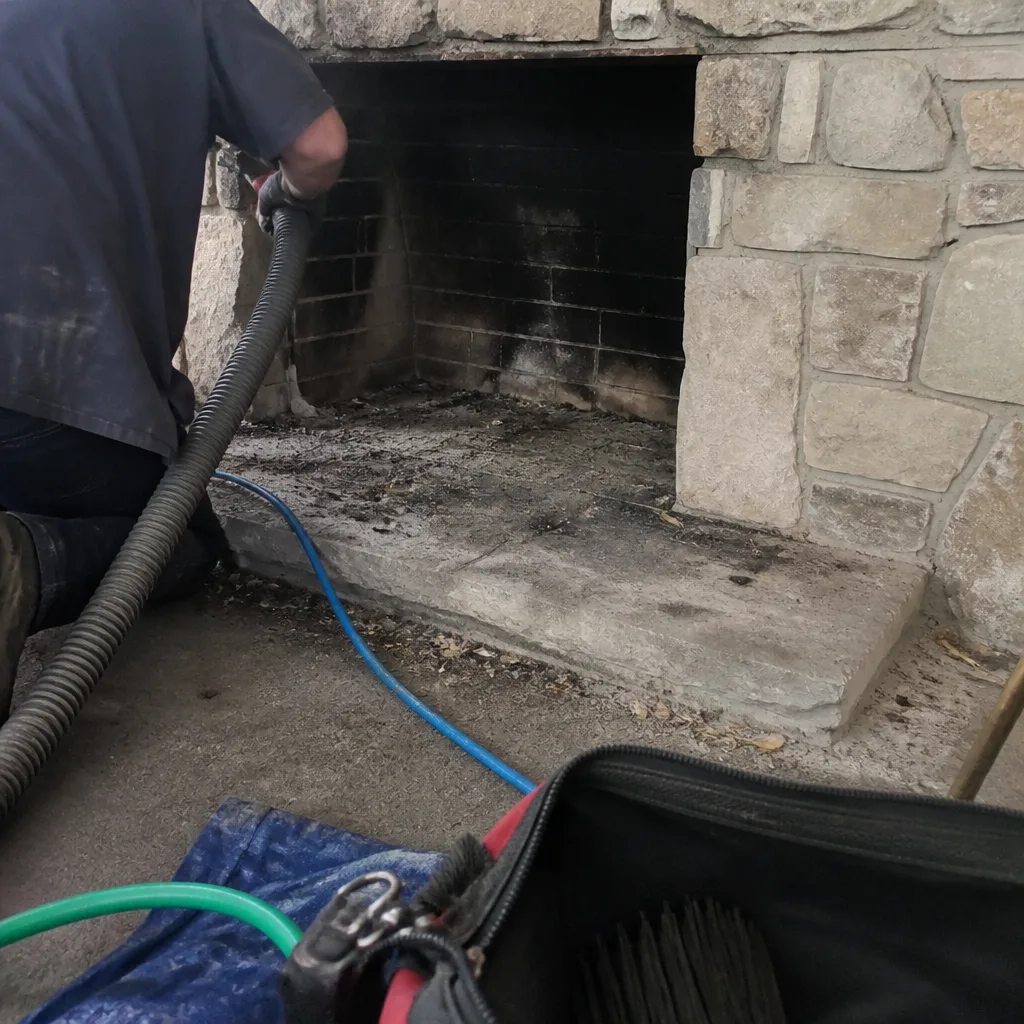 Before
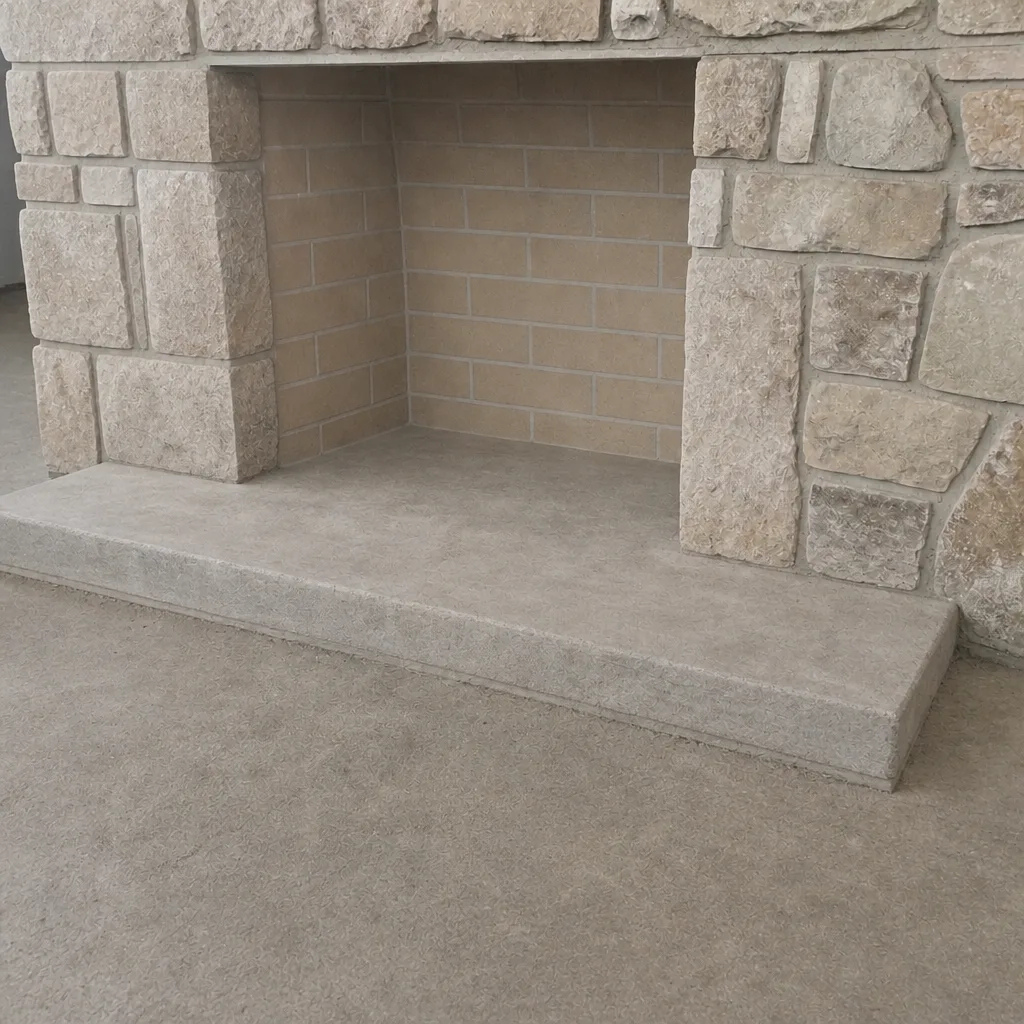 After
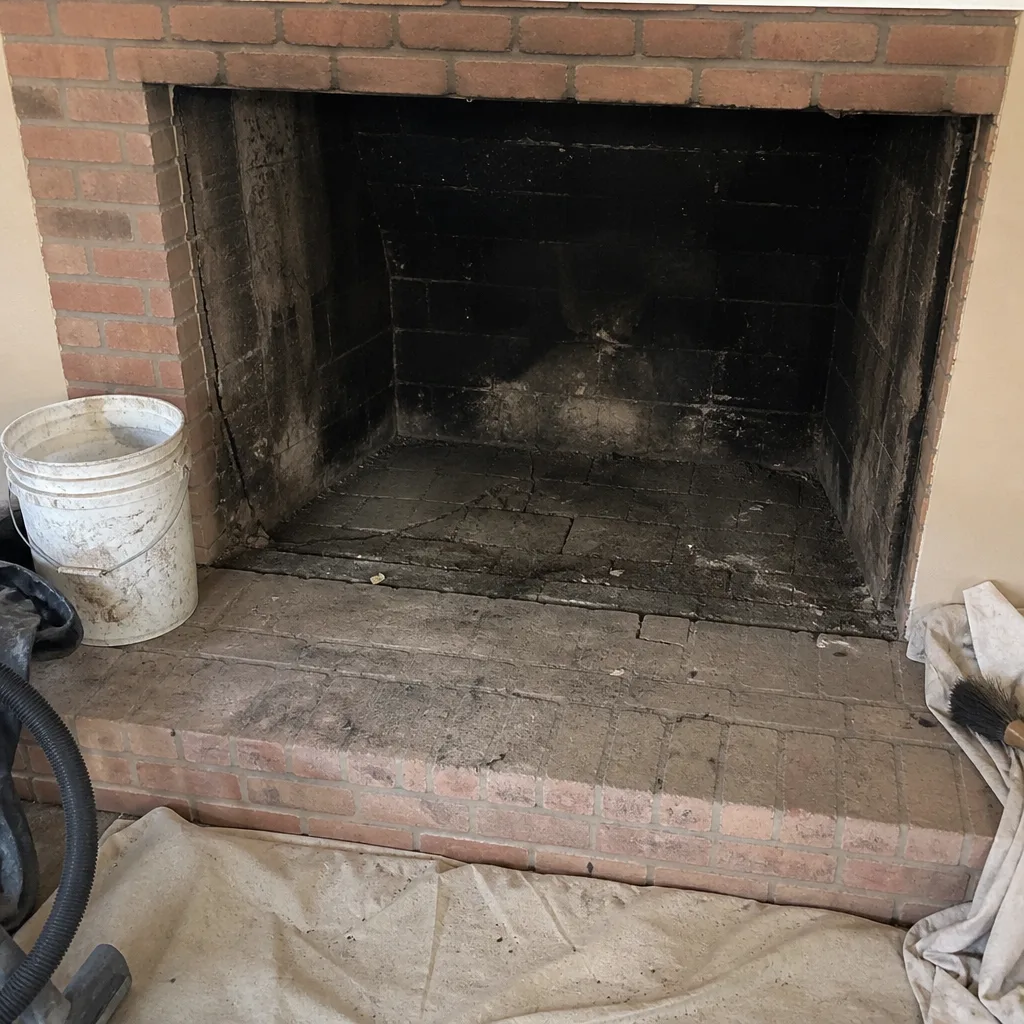 Before
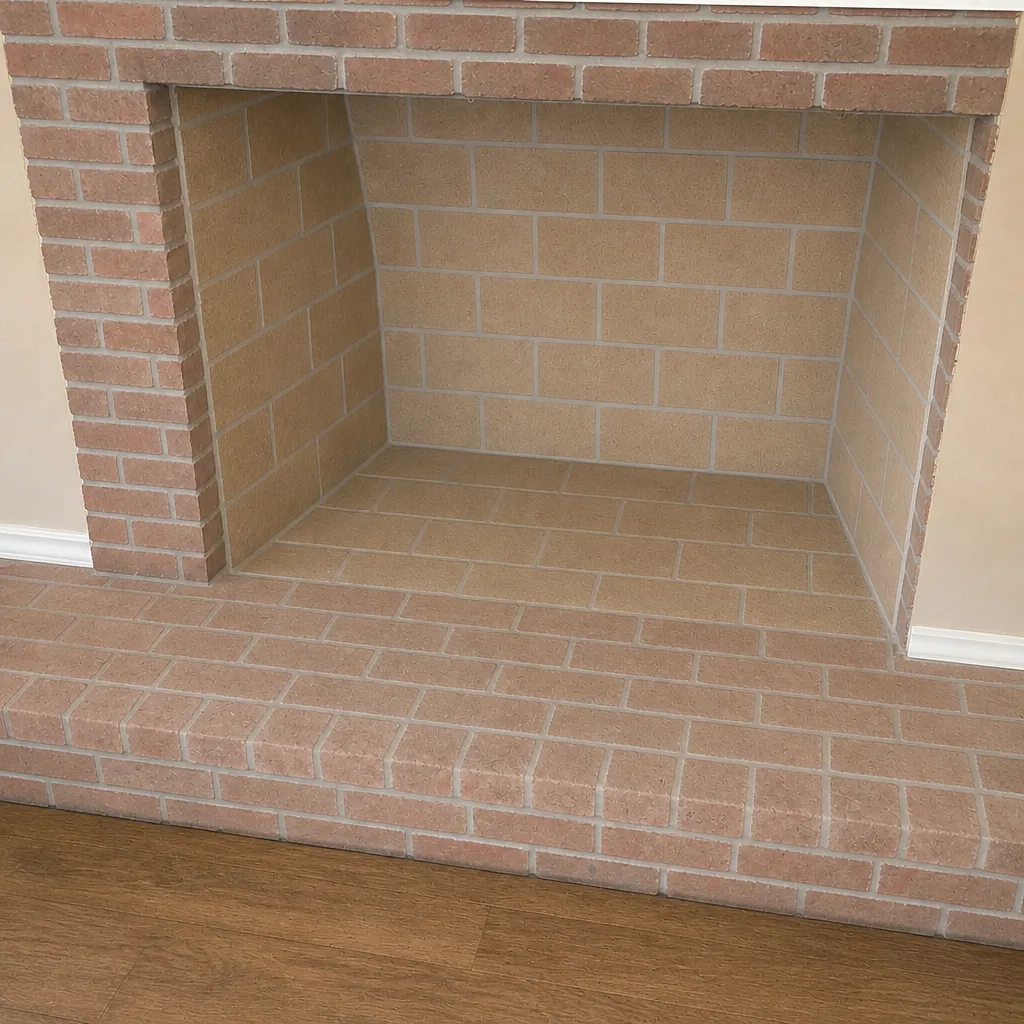 After
When to Call a Professional
Call for a professional visit if there’s spalling firebrick at the firebox, creosote odor without recent use, an animal in the flue, or a persistent draft problem that a cracked window doesn’t resolve. Those are the cases where the symptom points to a structural cause, and where waiting costs more than the visit. If you’ve been told your flue needs attention and you’ve never seen the inside of it on camera, that’s a call too. Tempe Chimney Sweep offers free estimates in Tempe and the surrounding area. Call (866) 827-7102. We answer 24/7. Fast dispatch from 7am to 7pm, Sunday through Friday. Our technicians have up to 9 years of experience, and the inspection report they leave you with tells you exactly what’s safe, what needs repair now, and what can be monitored.
Frequently Asked Questions
Smoke coming into the room is almost always a draft problem, not a wood problem. In Tempe’s tightly sealed newer homes, negative air pressure is the most common cause, followed by a closed damper, a clogged cap screen, or a flue that’s undersized for the firebox. Crack a window before lighting as a test: if the smoke stops, you’ve confirmed a pressure issue. Call (866) 827-7102 for an exact quote and a draft reading; estimates are free.
No. A sulfur or musty smell from a wood-burning fireplace in summer usually means creosote, organic debris, water intrusion, or a dead animal in the flue reacting with heat. If you have a gas appliance, a gas odor is a different situation entirely and should be checked immediately. For a wood fireplace, book an inspection, and call (866) 827-7102 for an exact quote; estimates are free.
Cracking a window is a useful test and a temporary workaround, not a repair. If it fixes the smoke, it confirms that pressure is the cause, which is exactly the information a technician needs to prescribe the right fix. Doing it as a permanent habit wastes heat in winter and doesn’t address the flue geometry. Call (866) 827-7102 for an exact quote and a proper diagnosis; estimates are free.
Once a year for most households that burn regularly, and more often if you burn a lot of wood or notice a heavy glaze on the flue walls. In Tempe, where the fireplace sits idle for most of the year, the annual sweep and inspection is the standard that catches liner damage before it climbs into a bigger repair. Call (866) 827-7102 for an exact quote; estimates are free.
Hairline cracks in the firebox don’t automatically mean the flue is damaged, but they need a camera inspection to know whether they’re surface-only or a sign of deeper tile joint failure. Heat and carbon monoxide can travel through cracks into the surrounding masonry, so the answer requires evidence, not a guess. Call (866) 827-7102 for an exact quote; estimates are free.
Not necessarily. Many flues with surface-level deterioration can be restored with HeatShield resurfacing rather than a full liner replacement, which is a significant cost difference. The only honest answer to whether you need a liner is what the camera shows, and you should see the photos before deciding. Call (866) 827-7102 for an exact quote; estimates are free.
Look at the cap from the ground. If the screen is clogged with debris, rusted through, or missing entirely, the draft is compromised and animals can get in. A cap that fits correctly vents without restricting flow and sheds water away from the flue. Call (866) 827-7102 for an exact quote; estimates are free.
Creosote builds up in stages, and Stage 3 glazed creosote is a genuine chimney fire risk that a sweep alone can’t fully remove. Skipping the sweep also means the condition of the flue goes unmonitored, so a hairline crack that would’ve been a crown repair turns into a liner job. Call (866) 827-7102 for an exact quote; estimates are free.
The Bottom Line
Chimney problems in Tempe follow a pattern, and once you can map the symptom to the system, the guesswork goes away. Smoke into the room is a pressure or draft problem. Summer odor is trapped material reacting with heat. White staining is water getting in from above. Slow draw is a flue losing momentum somewhere between the firebox and the cap. Animal noise is an obstruction that needs to leave before a fire goes in. None of those are fixed by a sweep alone, and none should be diagnosed from the ground. A camera inspection plus a draft reading turns a symptom into a diagnosis, and that’s the difference between a crown repair and an unnecessary liner. When you call, describe what you’re seeing and where. That’s enough to get started.
Call (866) 827-7102 for a free estimate. We answer 24/7. Fast dispatch from 7am to 7pm, Sunday through Friday.
Written by the team at Tempe Chimney Sweep.