
Last updated November 15, 2026
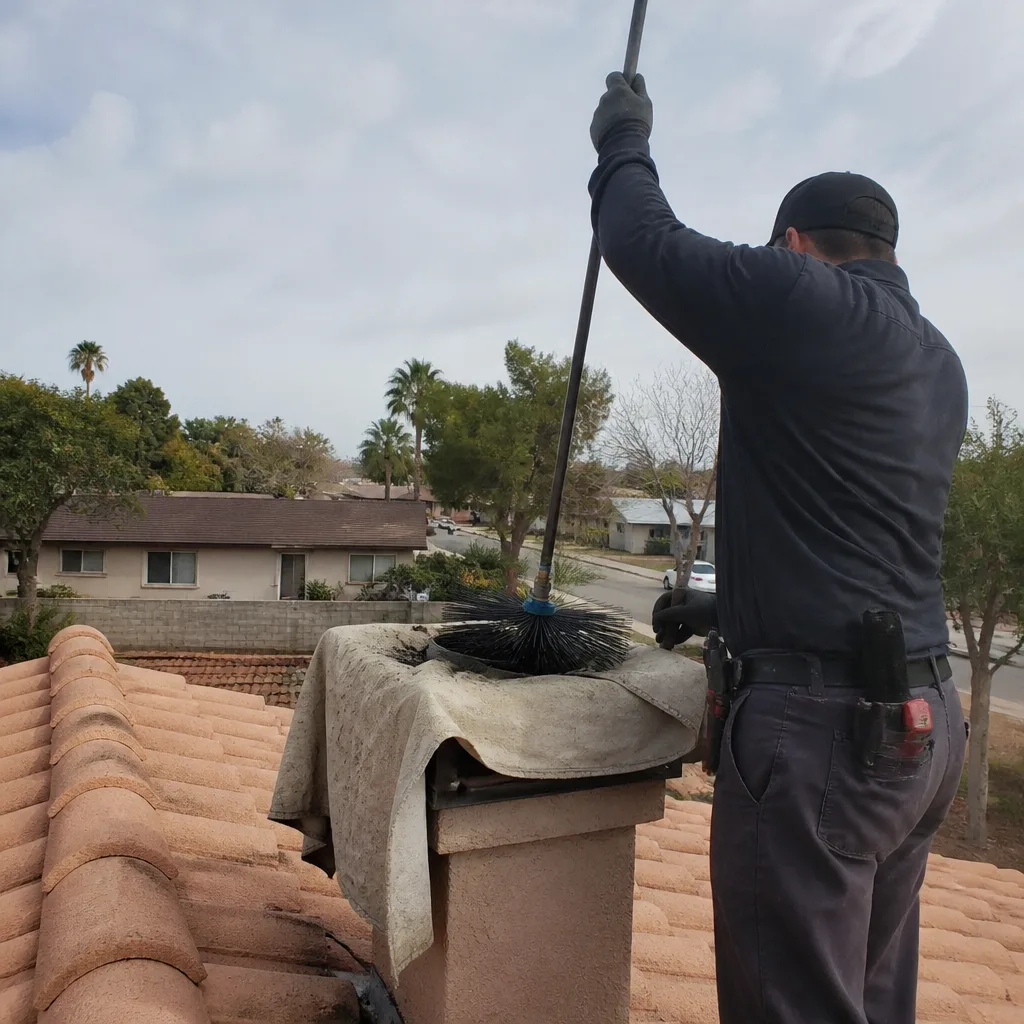
 Sweep & inspection
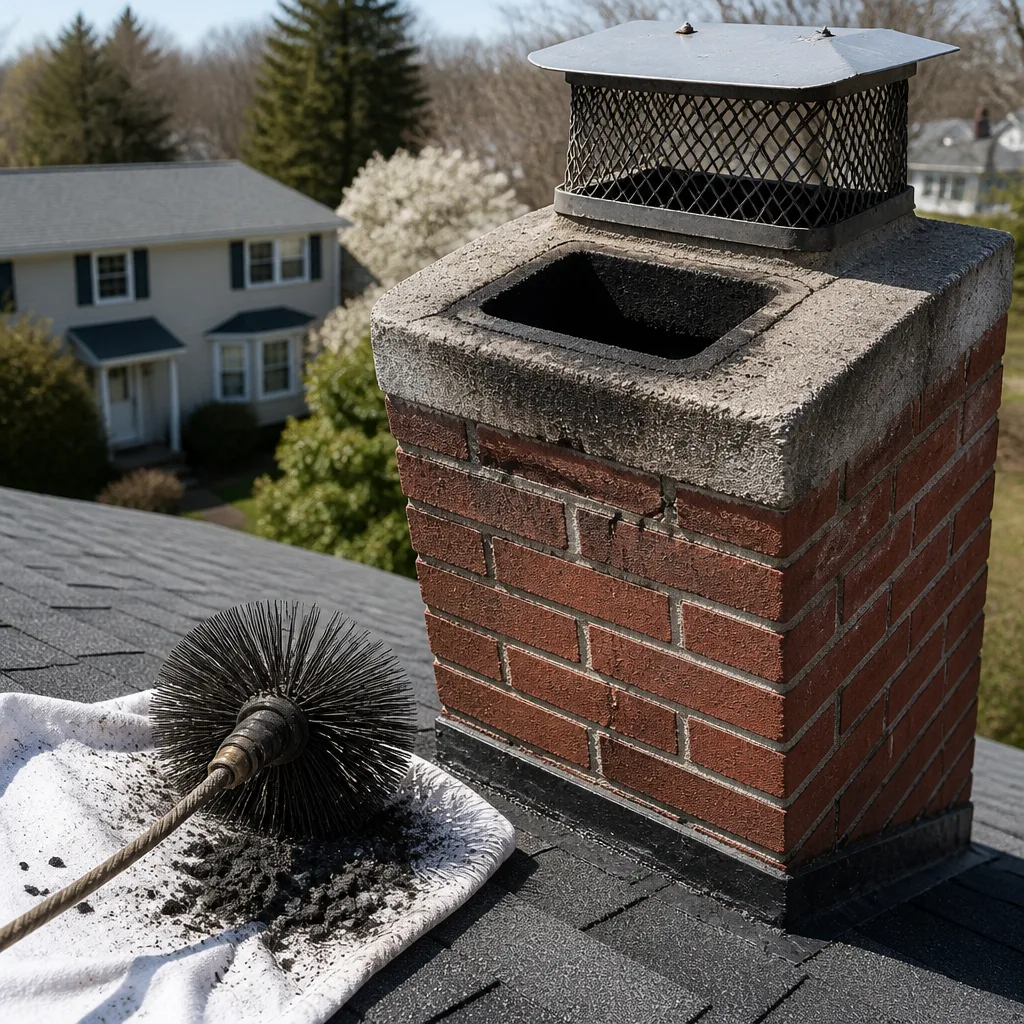
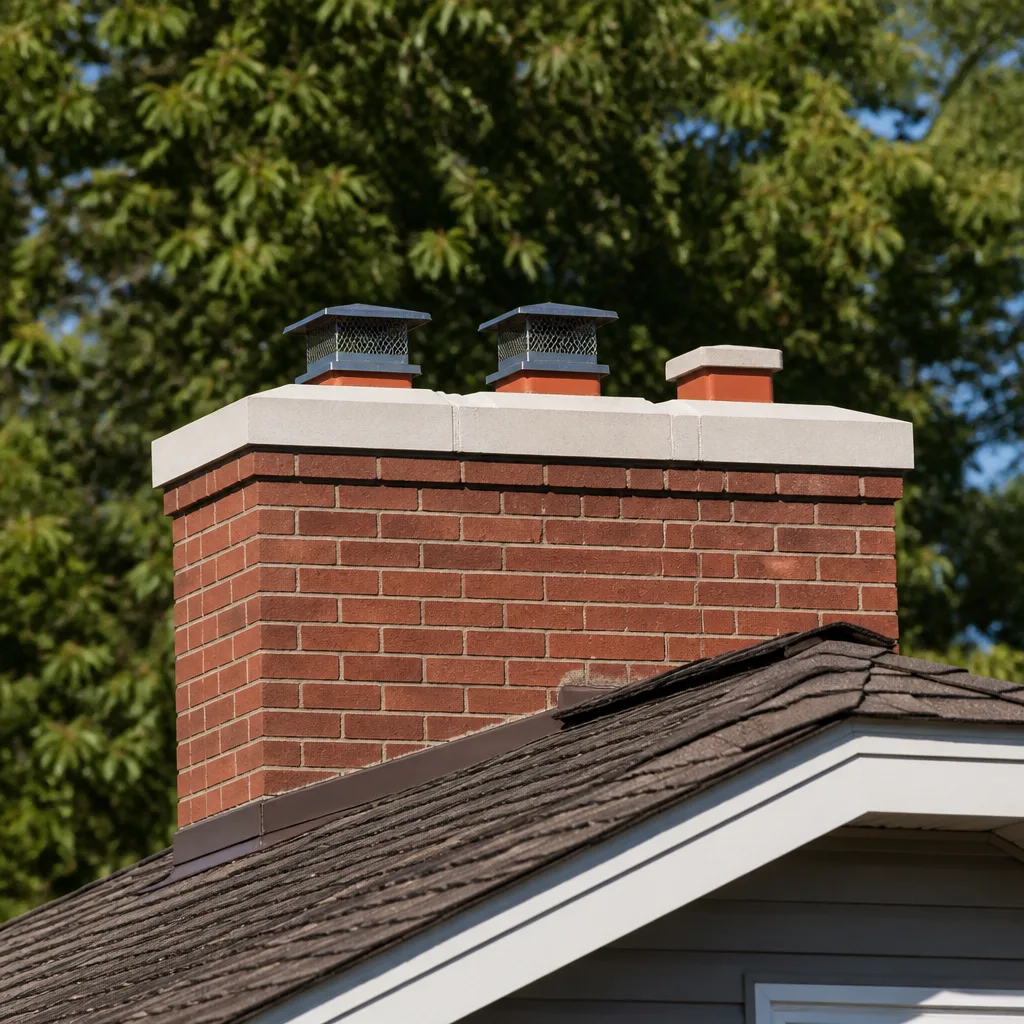 Caps & crowns
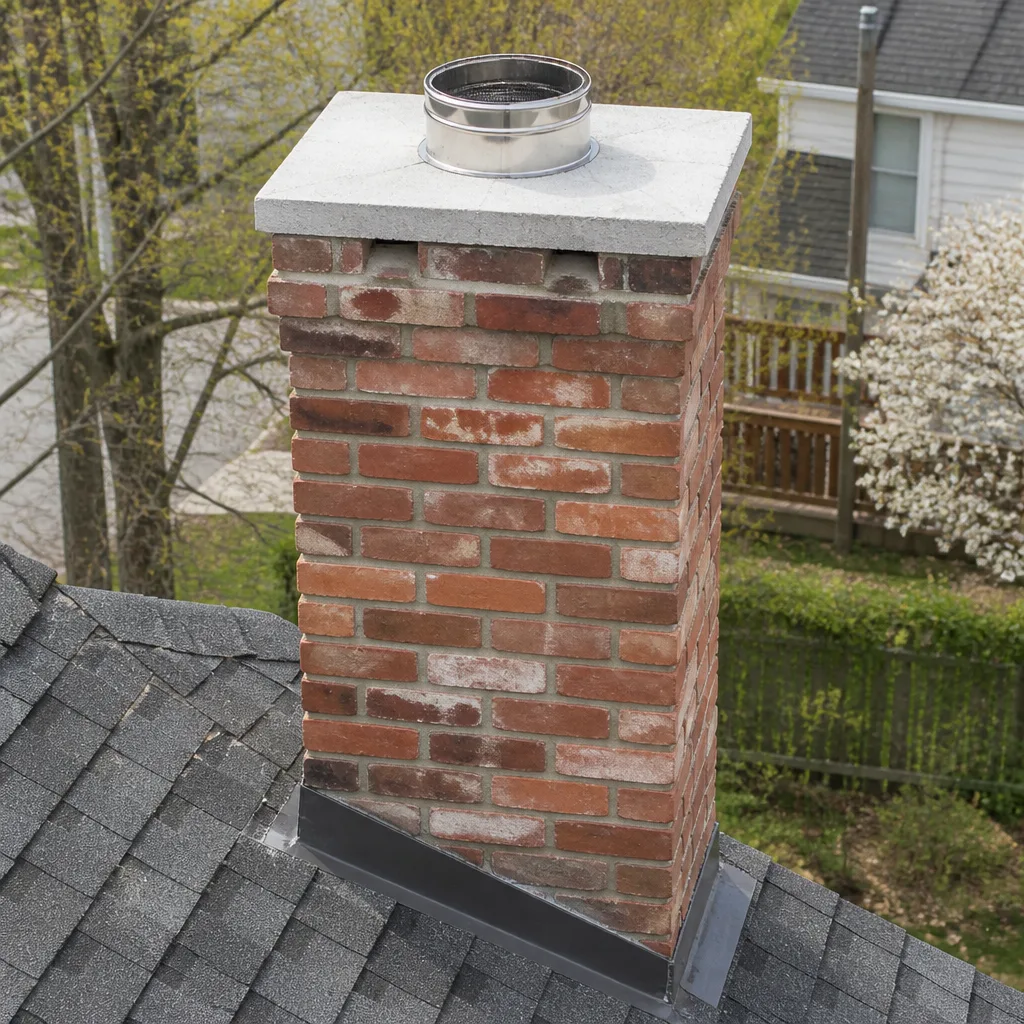 Flue relining
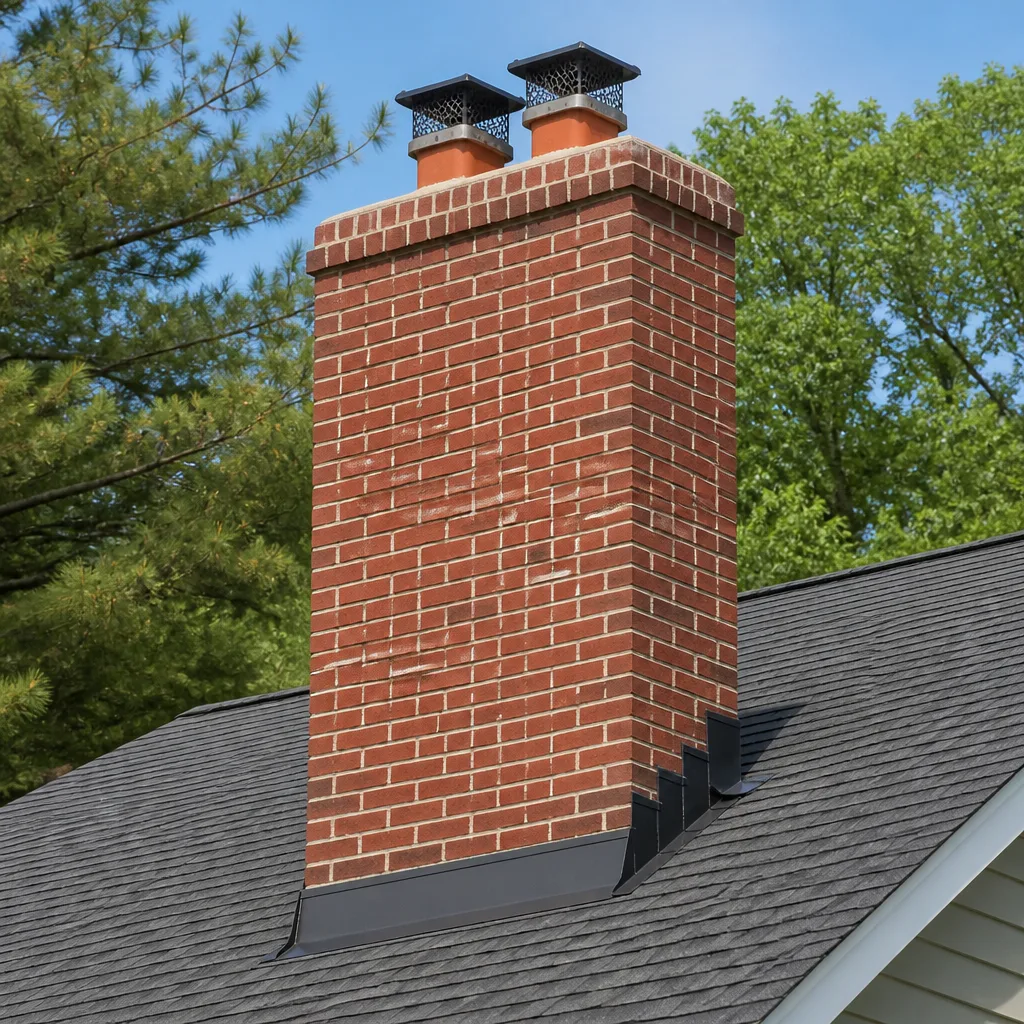 Masonry repair
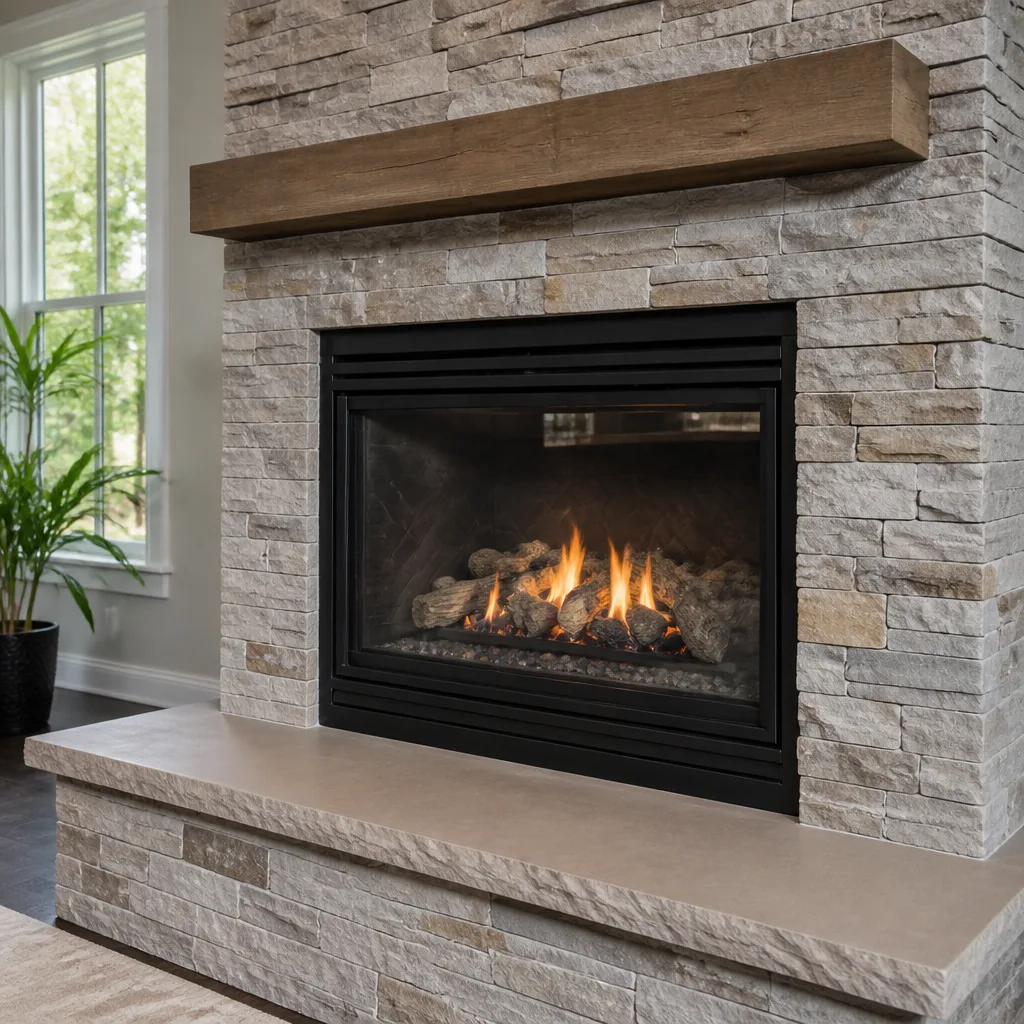 Gas fireplace service
Level 1 sweep and inspection to the NFPA 211 annual standard - flue, crown, cap, and flashing checked and photographed
Chimney sweep logs do not sweep chimneys. They loosen some creosote - which then falls where a brush and vacuum still have to collect it.
Chimney Sweep Maintenance Checklist for Tempe Homeowners
Most chimney checklists were written for places with hard winters, and they spend their energy on ice, snowload, and freeze damage. Tempe doesn’t have those problems. What we have is the opposite: months of triple-digit heat that expands masonry, blowing dust that packs into screens and fireboxes, and a monsoon season that throws sudden moisture at a chimney that’s been baking since May. The single most skipped item on any checklist, the rain cap and spark arrestor screen, is also the one most likely to fail here, because roof rats chew through mesh and grit-laden wind wears metal faster than humid air ever would. This guide gives you a checklist sequenced around those real local stressors, plus a clear line between what you can check yourself and what needs a technician with a camera.
Quick Answer
A Tempe chimney should be checked on a seasonal rhythm, not once a year: inspect cap, screen, firebox, and damper in September before burning season, re-check masonry after monsoon season in October, assess creosote levels in January after your first 10 to 15 fires, and close and secure everything in March for the off-season. Homeowners can safely handle the visual items on this checklist; anything involving the flue interior, creosote staging, or masonry cracks needs a technician with a camera and calibrated instruments. A professional sweep and inspection once a year, plus a repair capability when something is found, covers the rest.
Styles & brands we work with
- Sweep & inspection
- Caps & crowns
- Flue relining
- Masonry repair
- Gas fireplace service
Table of Contents
- Why a Tempe Checklist Looks Different
- Pre-Season Checklist: September
- Post-Monsoon Checklist: October
- Mid-Season Check: January
- Off-Season Storage Checklist: March
- What You Can Check Yourself vs. What Needs a Technician
- Understanding Creosote Stages
- Common Mistakes to Avoid
- When to Call a Professional
- Frequently Asked Questions
Why a Tempe Checklist Looks Different
A chimney here lives through a cycle that a Midwest chimney never sees. From late spring through September, the exterior masonry absorbs heat all day and radiates it into the evening. Then the monsoon arrives and drops sudden moisture on masonry that’s been thermally expanded for months. That expansion-contraction rhythm is what opens hairline cracks in mortar joints and crowns, and it’s the mechanism behind most of the masonry deterioration we find in Tempe, not frost. Blowing sand and dust add a second layer: particulate packs into damper pockets, screen mesh, and the smoke shelf, and it holds moisture against metal and mortar long after the storm passes.
The practical result is that a single annual inspection misses things. A chimney that passed clean in September can develop a visible crown crack by October, and a screen that was intact in March can be chewed open by midsummer. The checklist below is sequenced to catch those seasonal changes at the moments they actually happen.
One more local factor matters: the valley’s temperature swings between day and night are wide compared to humid climates, and that daily thermal cycling is what slowly widens mortar joints over years. It’s also why resurfacing products like HeatShield exist and work well here. HeatShield bonds to existing masonry to restore the flue’s structural surface without a full teardown, which is often the right call for a Tempe flue that’s cracked at the joints but otherwise sound.
Pre-Season Checklist: September
September is the right month to start because Tempe’s burning season is short and you want to know the chimney’s condition before you light the first fire, not after. This checklist is about verification, not repair. Work through it in order.
- Inspect the cap and spark arrestor screen from the ground or a safe vantage. Use binoculars from the yard. Look for rust holes, sagging, missing fasteners, and chewed or torn mesh. A damaged screen is a fire-spark escape route and an animal entry point.
- Check the firebox interior visually. Look for loose mortar between firebrick, cracked brick faces, and any gap where the firebox meets the damper frame. Do not reach into the firebox without gloves, and never with a fire lit.
- Test the damper through its full range. Open and close it several times. It should move without binding, seal reasonably when closed, and stay open on its own. A damper that sticks or won’t seal fully is a technician item.
- Look at the smoke chamber and flue from below with a flashlight. You’re checking for obvious soot buildup, nests, or debris blocking the view. You can’t see creosote staging this way; you can see a blockage.
- Check the chimney exterior at roofline for loose flashing and obvious crown cracks. From the ground, look for gaps where the chimney meets the roof and for visible cracks across the crown.
If any of these turn up something beyond a cleaning, that’s your cue to book a full inspection rather than guess. A cleaning alone removes creosote; it doesn’t tell you whether a crack in the firebox is cosmetic or structural. That gap is exactly why we run sweeping and inspection as separate, sequential services.
Post-Monsoon Checklist: October
October is masonry month. The summer’s heat has expanded the chimney for months, and the monsoon’s moisture has hit it while it’s still warm. That combination is what opens cracks, and it’s why the post-monsoon check is the most important structural look you’ll take all year. It’s also the check most homeowners skip because the chimney “worked fine last winter.”
- Walk the exterior and look at every mortar joint you can safely see. You’re looking for thin dark lines, crumbs of mortar on the flashing, or gaps at the crown. A hairline crack is common after a monsoon; a growing one is a repair item.
- Check the crown for separation from the flue. The crown is the concrete cap on top of the masonry. If it’s pulling away from the flue liner, water gets in and the damage spreads downward.
- Inspect the flashing where the chimney meets the roof. Lifted or separated flashing lets rain track down the chimney’s outside face and into the attic.
- Open the damper and look for water staining or rust. If you see rust on the damper or streaks on the firebox walls, moisture is getting in from above and the cap or crown needs attention.
- Check the screen again. Monsoon wind and debris load the mesh; roof rats are active in the warm months. A screen that survived September can be packed or torn by October.
Cracks in masonry aren’t automatically a big repair. The question is always whether the crack is letting water or gases into places they shouldn’t go. A technician with a camera can tell the difference in a few minutes, and a documented condition assessment gives you a clear answer instead of a guess. Some hairline joints are fine to monitor; a separated crown is not.
Mid-Season Check: January
By January you’ve burned your first fires, and the chimney has changed. Creosote has accumulated, the flue has seen its first real heat load of the season, and any weakness in the system is more likely to show up now. The mid-season check is about deciding whether you need a sweep before the season ends, and it’s the check most homeowners never do.
The specific action here is creosote assessment after your first 10 to 15 fires. You can’t stage creosote from below with a flashlight; it takes a camera view of the flue interior and a technician who knows what the three stages look like. What you can watch for from inside the house:
- Change in draft. A fireplace that drew well in November and smokes at the damper by January is telling you something has narrowed the flue, often creosote or debris.
- Creosote odor in the room. A strong smoky or tar-like smell when the fire isn’t lit can mean creosote is building up and off-gassing.
- Visible flaky or crusty deposits at the top of the firebox. That’s a sign of active buildup and a reason to call for a proper look.
- Smoke rolling into the room at startup. Often a draft or blockage issue, not a fuel issue.
If any of these show up, a mid-season sweep is worth booking rather than waiting for spring. In our experience, Tempe fireplaces that burn dry, well-seasoned wood and run hot fires accumulate creosote slowly, while fireplaces that burn cool, smoldering fires build it fast. The January check tells you which kind you have.
Off-Season Storage Checklist: March
March is when Tempe’s burning season winds down, and it’s the right time to put the chimney into a safe dormant state. A chimney that sits unattended from March to September is a chimney that’s had seven months to accumulate dust, host animals, and let a small crack become a real one. The off-season checklist is short but it matters.
- Close the damper fully. An open damper lets hot attic-bound air escape all summer and lets dust settle in the firebox. Make sure it seals, not just closes.
- Confirm the cap is secure. Before you stop looking at the roof for months, make sure the cap and screen are attached and intact. This is the one item that protects everything below it during the dusty months.
- Clear the firebox of ash and debris. Ash left in a firebox over summer holds moisture and can corrode the firebox floor. Sweep it out and leave the firebox dry.
- Look for animal entry. Roof rats and birds are active in the warm months. A chewed screen or a nest in the flue is common by fall if the cap wasn’t secure in March.
- Note anything you want checked in the fall. Keep a short list of what you saw in March so the September check starts with a known baseline.
When you reopen the chimney in fall, the first thing to check is whether anything changed over the summer: a screen that was fine in March can be chewed open by September, and a crack that was hairline in October can widen over a hot summer. That’s why the March close-out and the September open-up work as a pair, not as one annual task. For the wider picture of what a full professional inspection covers, the Tempe Chimney Sweep homepage lays out how the three services fit together.
What You Can Check Yourself vs. What Needs a Technician
The honest split is simpler than most checklists admit. Homeowners can safely do visual checks from the ground and at the firebox. Anything that requires looking inside the flue, judging creosote staging, or evaluating masonry integrity needs a technician with a camera and the right instruments. Here’s the line.
Safe for a homeowner to check:
- Cap and screen condition, from the ground with binoculars
- Damper operation through its full range
- Visible firebox brick and mortar at the firebox opening
- Obvious debris, nests, or blockage visible from below with a flashlight
- Exterior masonry and flashing at roofline, from the ground
- Draft behavior and smoke at startup
Needs a technician:
- Creosote staging inside the flue (Stage 1 through Stage 3)
- Cracked or deteriorated flue liner tiles above the firebox
- Smoke chamber and damper frame condition
- Crown and flashing evaluation from the roof
- Any decision about whether a flue can be resurfaced instead of relined
The reason the second list needs a professional isn’t that homeowners aren’t capable. It’s that the flue interior is a camera job, and creosote staging is a judgment call that a flashlight from below can’t make. Getting it wrong in either direction costs you: miss a Stage 3 deposit and you’ve got a fire hazard; overcall a Stage 1 and you’re paying for a repair you didn’t need. A documented inspection with photos and a written condition assessment closes that gap, and our chimney sweep service is built to pair with that inspection rather than replace it.
Understanding Creosote Stages
Creosote is the residue of incomplete combustion, and it’s classified by the CSIA into three stages. Knowing the stages is the difference between deciding a mid-season sweep is warranted and guessing.
- Stage 1: Soot and light, flaky deposits. Typically removable with a brush during a routine sweep. This is the normal state of a well-run fireplace.
- Stage 2: Harder, crusty deposits, often dark and brittle. Brushable in most cases, but a clear sign the fireplace is running cool or the wood is wet.
- Stage 3: Glazed, tar-like deposits that have baked onto the flue wall. This is a mandatory repair, not a recommendation. It’s a significant fire hazard and the reason a January creosote assessment matters.
What pushes creosote toward Stage 3 is cool, smoldering fires and unseasoned wood. What keeps it at Stage 1 is hot fires with dry wood and a flue that draws well. The January check after your first 10 to 15 fires tells you which direction you’re headed, and the sweep removes the buildup before it bakes on. If the sweep finds Stage 3, the repair conversation starts, and it usually involves either a professional liner or, in less severe cases, resurfacing with a product like HeatShield that restores the flue wall without a full replacement.
Common Mistakes to Avoid
- Treating the annual sweep as the whole checklist. A sweep removes creosote but doesn’t tell you whether the cap is chewed, the crown is cracking, or the damper seals. Two sentences at most: cleaning and inspection are separate services, and you want both.
- Skipping the October masonry check because the chimney “worked last winter.” Thermal stress from a Tempe summer plus monsoon moisture is what cracks masonry, and it happens between seasons, not during them.
- Waiting for spring to check the screen. By spring a chewed screen has already let a rat in. Check it in March before the warm months when animals are most active.
- Judging creosote from below with a flashlight. You can see buildup, not staging. Stage 1 and Stage 3 look similar from the firebox floor and mean very different things.
- Burning wet or unseasoned wood to “save money.” Wet wood runs cool, builds creosote faster, and costs you more in sweeps and repairs than dry wood ever saves. Dry, seasoned wood is the single biggest factor in creosote control.
- Ignoring a damper that won’t seal. An unsealed damper leaks conditioned air all summer and lets dust into the firebox, and it’s a cheap fix that protects the whole system.
- Assuming a cap is fine because it was fine last year. Caps and screens corrode and get chewed faster in blowing sand and heat than in humid climates. A thorough look each fall is the only way to know.
When to Call a Professional
Call a professional when your own checks turn up a damaged cap, a chewed screen, a sticky or unsealed damper, visible crown cracks, loose flashing, or any change in draft or smoke behavior. Call if a January check suggests creosote buildup you can’t stage yourself, or if you’re in a home with an unknown chimney history and no documentation. And call if you’ve been told your flue needs attention but you can’t verify what the issue is; a documented inspection with photos and a written condition assessment tells you what’s safe, what needs repair now, and what can wait. Choosing the right chimney repair starts with that evidence, not with a sales call. For more on how repairs are scoped and quoted in this market, you can read about chimney work in Tempe and what a real assessment covers.
Tempe Chimney Sweep offers free estimates in Tempe and runs sweep, inspection, and repair as three connected services. Call (866) 827-7102. We answer 24/7. Fast dispatch from 7am to 7pm, Sunday through Friday.
Frequently Asked Questions
At least once a year, usually as part of a sweep-plus-inspection visit, with a mid-season creosote check after your first 10 to 15 fires of the year. A fireplace that runs cool fires or burns wet wood may need a second sweep mid-season. Call (866) 827-7102 for an exact quote; estimates are free.
Yes for the visual items: cap and screen from the ground, damper operation, firebox brick, and visible debris. No for anything inside the flue, creosote staging, or masonry evaluation, which need a camera and a trained eye. Call (866) 827-7102 to book an inspection; estimates are free.
Creosote accumulates, and a Stage 3 glazed deposit is a fire hazard rather than a cleaning job. Cracks in the crown and flashing let monsoon moisture in, and a chewed screen lets roof rats into the flue. What starts as a sweep becomes a repair. Call (866) 827-7102 for an exact quote; estimates are free.
Not always. A cracked or deteriorated flue can often be resurfaced rather than fully relined, and the right answer depends on what a camera finds. Ask for the evidence: photos and a written condition assessment, not just a recommendation. Call (866) 827-7102 for an exact quote; estimates are free.
A standard sweep in the Tempe market typically runs in a modest range, and the exact price is set per job by a written estimate after inspection. The estimate is free, so the cost you’re quoted is the cost you pay. Call (866) 827-7102 for an exact quote.
Book the sweep and inspection before burning season gets busy, and book any masonry repair right after the monsoon season when cracks are fresh and easy to evaluate. The work itself can be done almost any time the chimney is dry. Call (866) 827-7102. We answer 24/7. Fast dispatch from 7am to 7pm, Sunday through Friday.
The Bottom Line
A Tempe chimney needs a seasonal rhythm, not an annual afterthought. Check the cap and screen in September before burning season, re-check masonry after monsoon season in October, stage creosote after your first 10 to 15 fires in January, and close and secure everything in March for the off-season. Handle the visual items yourself, and bring in a technician with a camera for anything inside the flue, creosote staging, and masonry integrity. Our technicians have up to 9 years of experience, and we run sweep, inspection, and repair together so a problem found during cleaning doesn’t send you looking for a second contractor. Work with materials from brands like Gelco, Olympia Chimney, and Famco for caps and screens, and DuraFlex systems when a flue needs relining.
Written by the team at Tempe Chimney Sweep.
See the difference
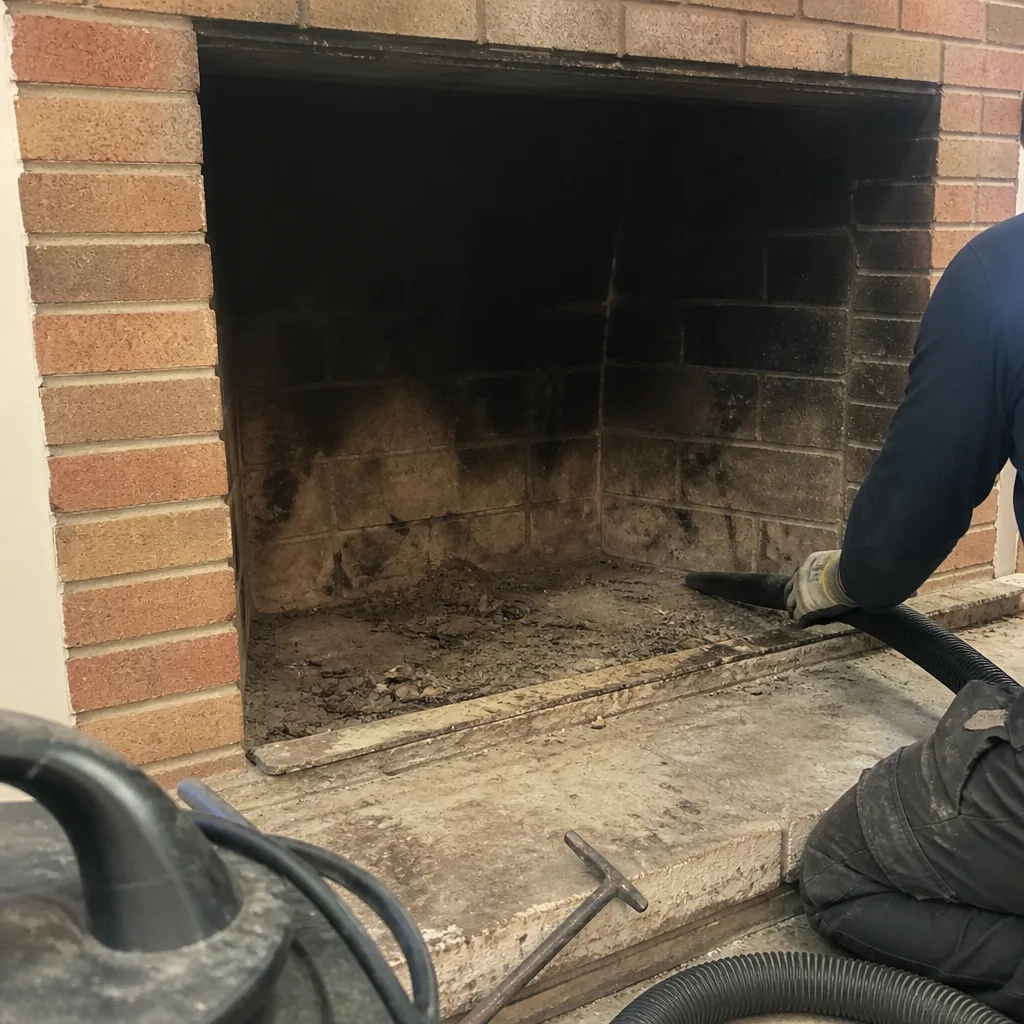 Before
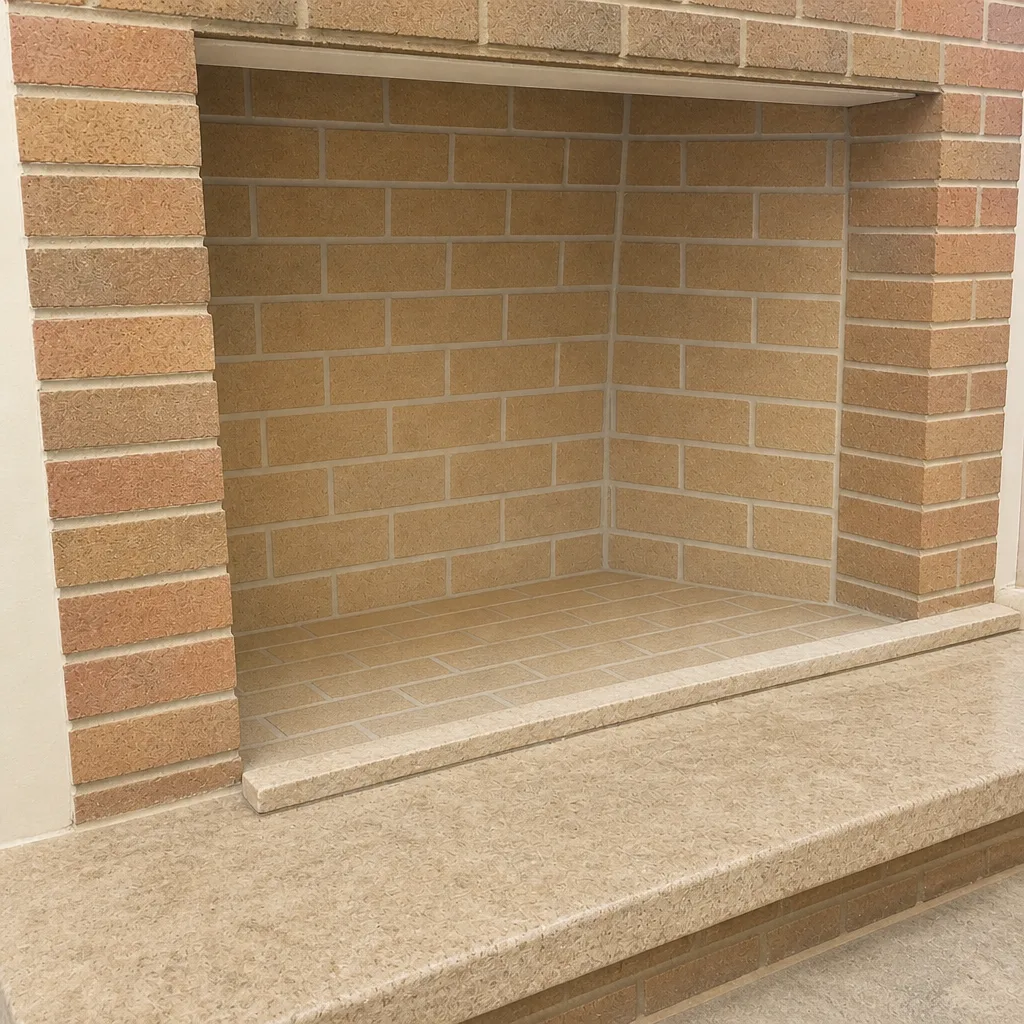 After
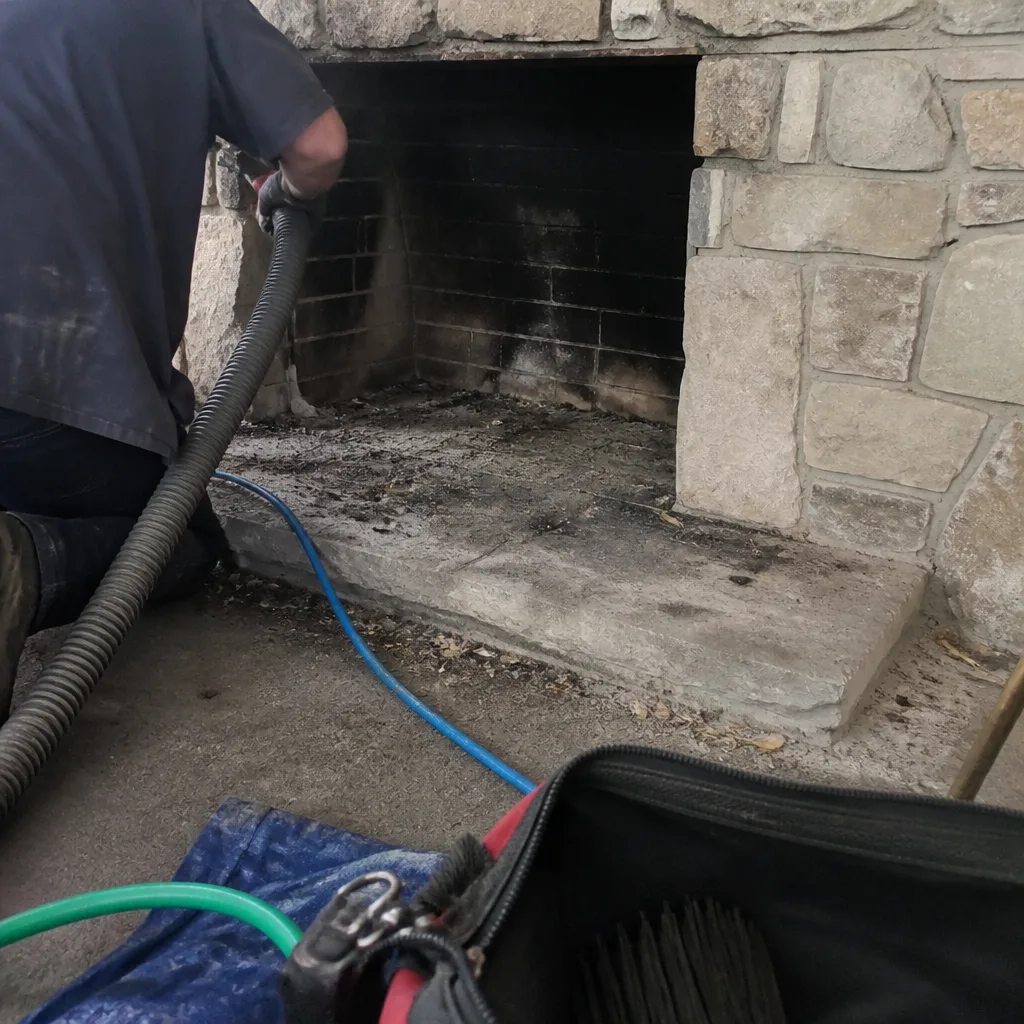 Before
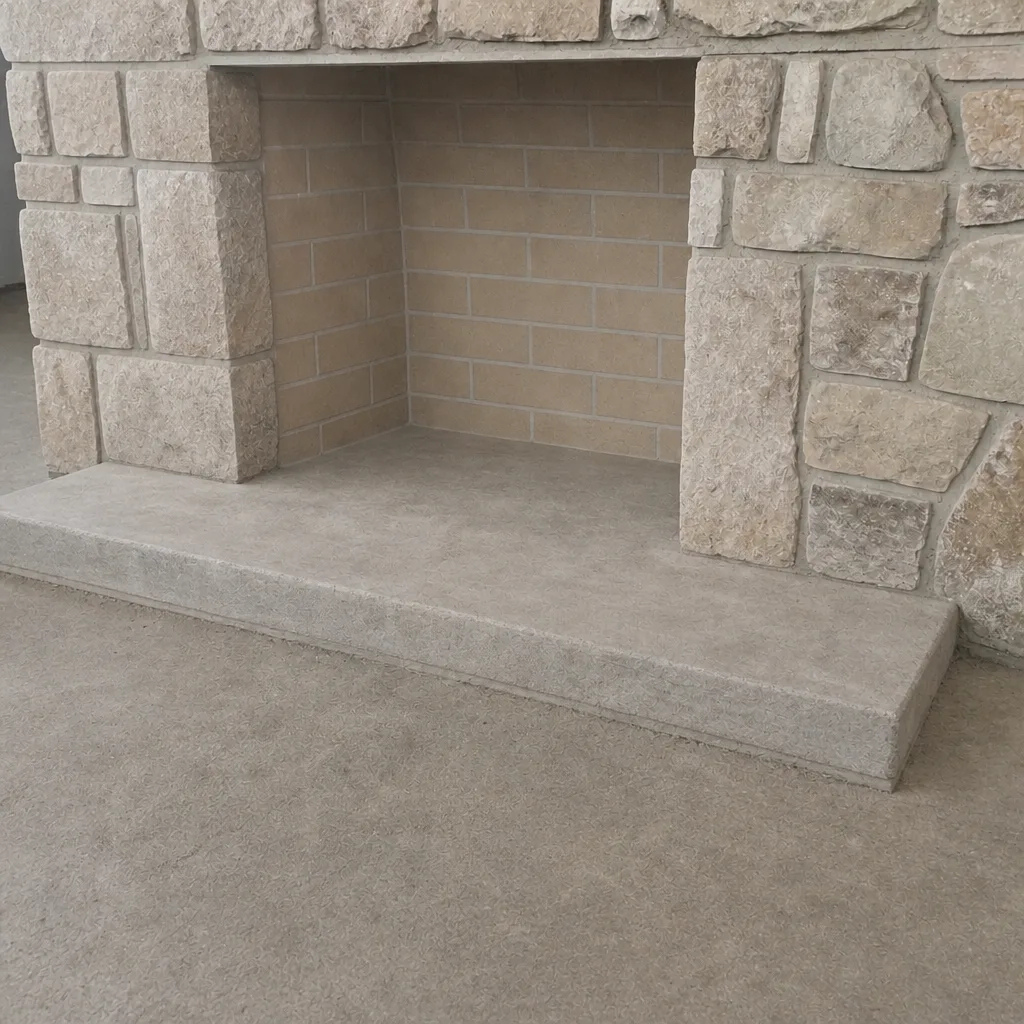 After
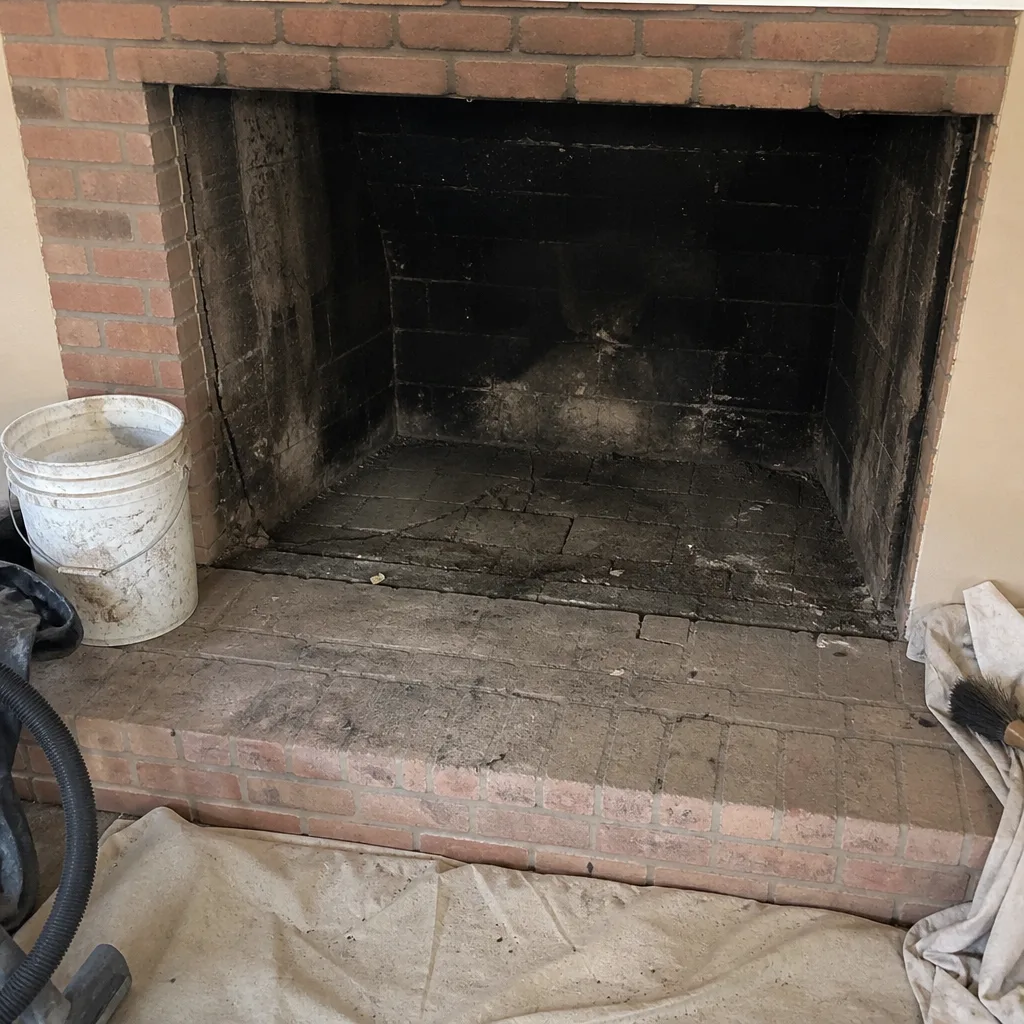 Before
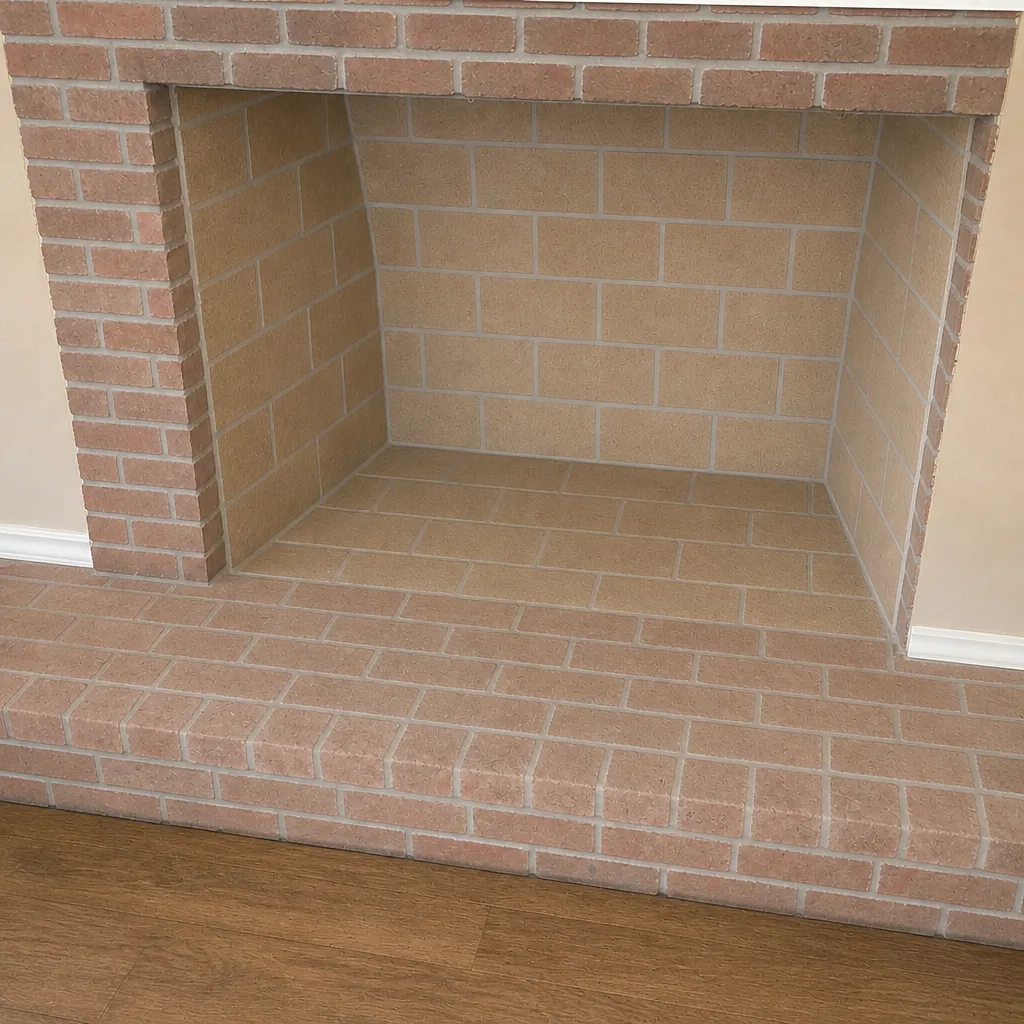 After