
Last updated November 15, 2026
 Sweep & inspection
 Caps & crowns
 Flue relining
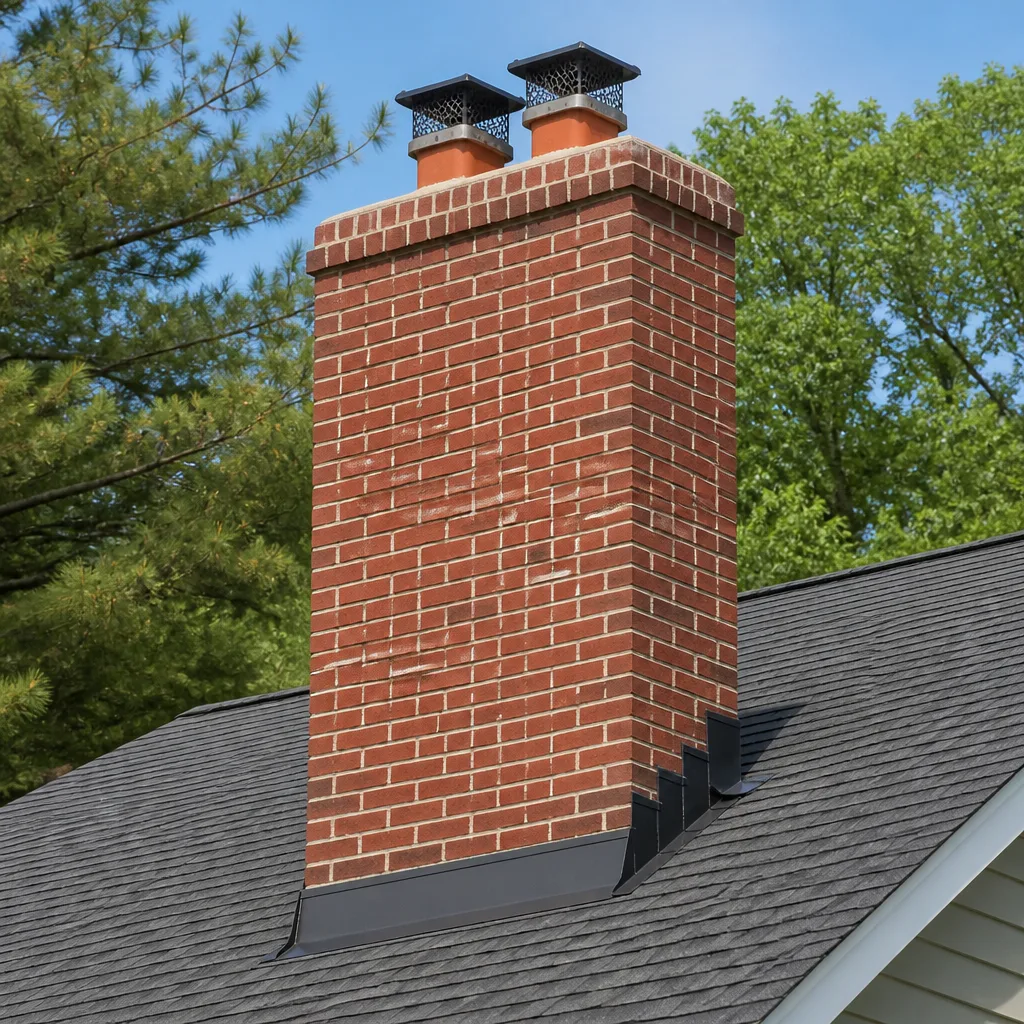 Masonry repair
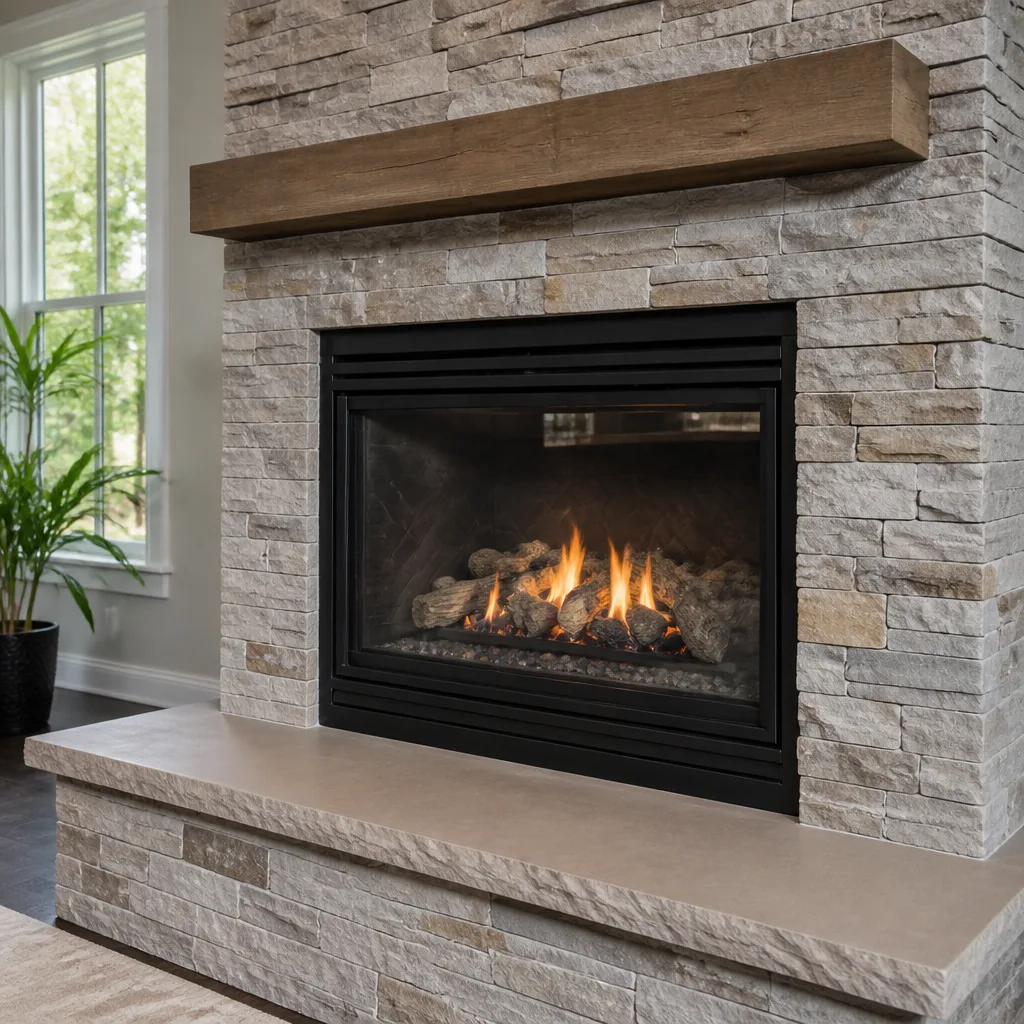 Gas fireplace service
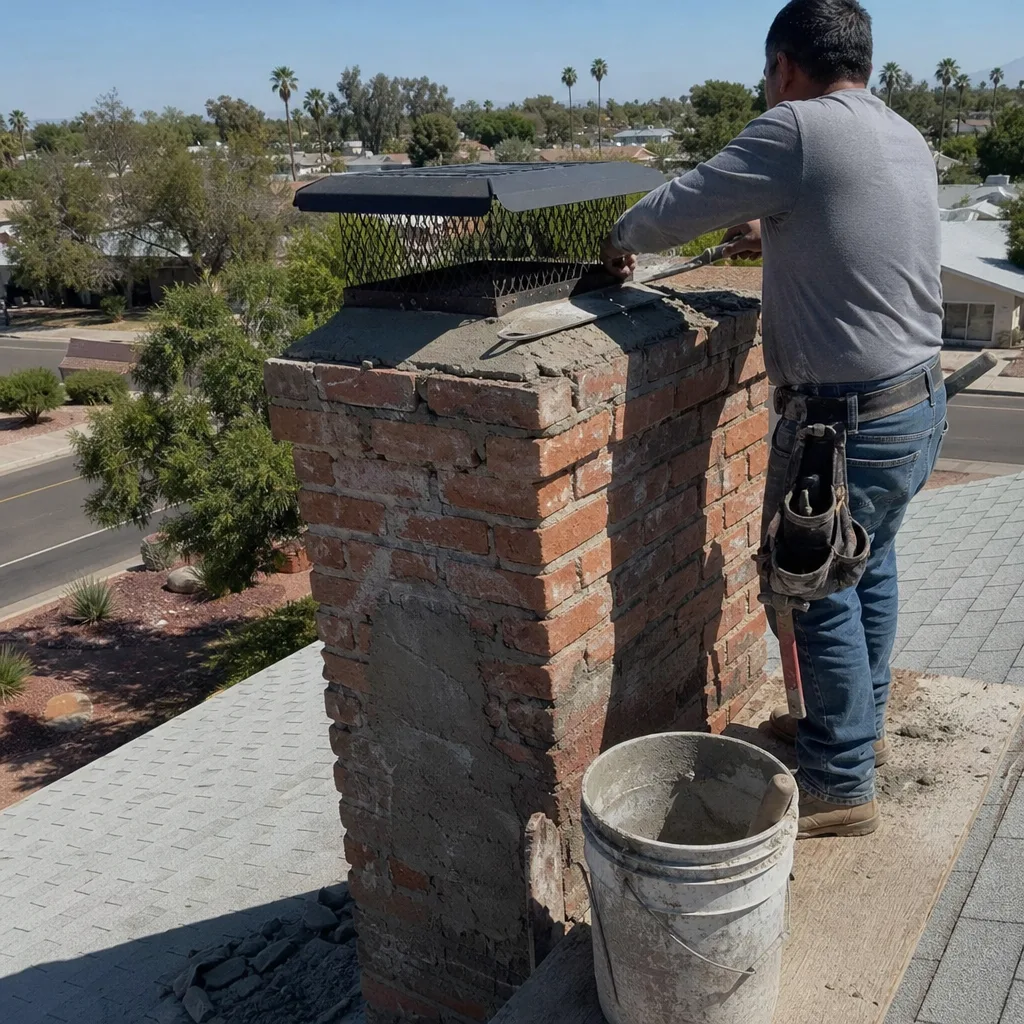
Level 1 sweep and inspection to the NFPA 211 annual standard - flue, crown, cap, and flashing checked and photographed
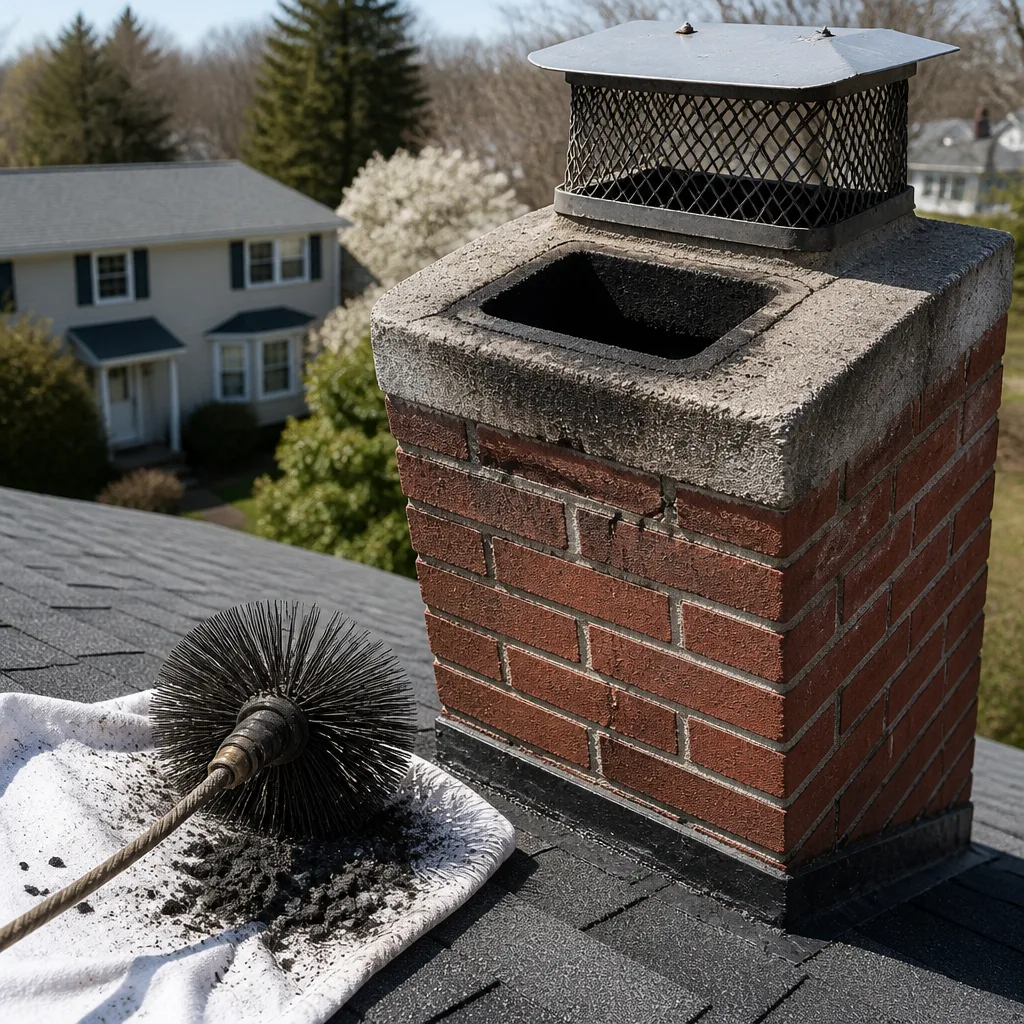
Chimney sweep logs do not sweep chimneys. They loosen some creosote - which then falls where a brush and vacuum still have to collect it.
How to Hire a Chimney Cleaning Contractor in Tempe: A Step-by-Step Guide
Arizona does not require a chimney sweep to hold any state-issued license to work on your flue. That single fact surprises most homeowners, and it’s the reason quotes for what sounds like the same job can swing from $79 to $350 here in the Phoenix metro. When anyone with a brush and a ladder can advertise “chimney sweep,” the vetting burden lands entirely on you. This guide walks through how to tell a credentialed chimney specialist from a pressure-washing company that added sweeping to its service list, what to ask before you book, how to read a quote, and what a fair price actually looks like in Tempe.
Quick Answer
To hire a chimney cleaning contractor in Tempe, verify CSIA Certified Chimney Sweep status on the CSIA database before booking, confirm the company carries both general liability and chimney-specific errors & omissions insurance, and insist on a written inspection report with photo evidence of the flue. A fair sweep-and-inspection in Tempe typically runs around $150 to $300, but the report matters more than the price. A sweep that comes without documented findings leaves you guessing about the structure behind the soot.
Styles & brands we work with
- Sweep & inspection
- Caps & crowns
- Flue relining
- Masonry repair
- Gas fireplace service
Table of Contents
- Why Arizona Has No Mandatory Chimney License (and What That Means for You)
- What CSIA Certification Actually Verifies
- The Five Questions to Ask Before You Schedule
- Red Flags Specific to the Phoenix Metro Market
- How to Evaluate a Quote: Line Items and Fair Price Ranges
- Why a Sweep Alone Isn’t an Inspection
- The Repair Gap: Why a Sweep-Only Company Costs You More
- What Tempe’s Climate and Housing Stock Mean for Your Chimney
Why Arizona Has No Mandatory Chimney License (and What That Means for You)
Most trades you hire around the house are licensed at the state level. Chimney work in Arizona is not one of them. There’s no state board that issues a “chimney sweep license,” no required exam, and no statewide registry of qualified flue technicians. That’s not a loophole; it’s simply how the trade is classified here, and it means the certification you rely on comes from the industry itself rather than the government.
The practical consequence is that the title “chimney sweep” on a business card or a truck decal tells you almost nothing. A landscaping crew that picks up sweeping work in the slow season can call itself a chimney sweep with no legal obstacle. A handyman service that handles dryer vents can add “chimney cleaning” to its listing the same afternoon. Neither has done anything illegal. Both may do a passable job on a light, accessible flue and a genuinely inadequate job on a chimney with any complexity at all.
What this means for a Tempe homeowner is straightforward: you’re the quality filter. The question isn’t “are they licensed?” because the answer is that nobody is licensed for this specifically. The question is “what credential do they actually hold, and can I verify it?”
Two credentials are worth taking seriously:
- CSIA Certified Chimney Sweep. The Chimney Safety Institute of America issues this credential after a proctored exam, and it’s verifiable in a public database. It’s the closest thing the trade has to a standard.
- Chimney-specific liability insurance. A general contractor’s policy often excludes chimney and flue work. A company that carries coverage written for this trade has thought carefully about the risk profile of the job.
Notice what isn’t on that list: a truck, a website, or a low price. Those are marketing, not evidence. Our technicians have up to 9 years of experience, and the standard we hold ourselves to is the same one you should apply when evaluating anyone you hire for chimney sweep work in Tempe.
What CSIA Certification Actually Verifies
CSIA Certified Chimney Sweep status confirms that the individual passed a written exam covering chimney construction, venting principles, codes and standards, and the recognition of hazards like creosote staging and blocked flues. It also requires continuing education to maintain. It does not guarantee that the company they work for is well run, that their equipment is modern, or that their pricing is fair. It confirms technical literacy, which is the baseline you’re looking for.
To verify a specific technician’s status, use the CSIA’s public database on the CSIA website and search by name or by company. Here’s the sequence:
- Ask the company, before you book, for the full name of the technician who will service your chimney and their CSIA certification number if applicable.
- Look up that name in the CSIA Certified Chimney Sweep database.
- Confirm the certification is current, not expired or lapsed.
- Confirm the technician’s listed employer matches the company you’re hiring.
- If they subcontract, ask who the subcontractor is and verify that individual separately.
A company that can’t tell you who’s coming out, or that hedges when you ask for a name, has answered your question. Move on. In our experience, legitimate companies expect the verification question and answer it without friction. It’s the operations that route through a call center and dispatch whoever’s available that get defensive.
One nuance worth understanding: CSIA also issues a separate credential for inspection work, called CSIA Certified Chimney Professional, and this is sometimes confused with the sweep certification in conversation. Both are worth confirming if the company is going to be evaluating structural condition and not just brushing the flue. Ask which certification the technician holds and for what scope of work.
The Five Questions to Ask Before You Schedule
You don’t need a long interrogation. Five questions separate the serious operators from the rest, and any reputable company will answer all of them without hesitation.
1. Are you CSIA certified, and can I verify it?
Ask for the name of the technician and the certification. Then check the database. A yes without a name to verify is not a yes.
2. Do you carry both general liability and chimney-specific errors & omissions coverage?
This is the question most homeowners skip. General liability covers damage to your property during the visit. Errors & omissions covers problems that surface later, from a diagnosis that was missed or a repair that failed. Chimney work involves fire, so an E&O policy specific to this trade is a meaningful differentiator. Ask for a certificate of insurance. Companies that carry it will email it without complaint.
3. Will I receive a written inspection report with photos?
Yes is the only acceptable answer. A verbal “your chimney looks fine” is not an inspection report, and it leaves you with nothing to reference in six months or to show an insurance adjuster if a claim ever comes up. The report should document what was observed, the condition rating scale used, and photographs of the flue interior.
4. What’s included in the cleaning itself, and what’s an added cost?
Scope needs to be specific. A cleaning typically includes brushing the flue, removing creosote from the firebox and smoke chamber, and vacuuming with a HEPA-equipped system that doesn’t blow soot into your living room. Ask whether the firebox, damper, smoke shelf, and cap are included or billed separately. Silence on scope is a red flag.
5. If you find a problem, can you fix it, and how is that priced?
This is the question that separates a sweep company from a chimney specialist. If the answer is “we can refer you to someone,” understand that you’ll start over with a second contractor who hasn’t seen what the first one found. If the answer is “we do it in-house,” ask what brands and systems they work with. Vague answers about materials are a warning sign. Specific answers are reassuring. We use DuraFlex flexible liner systems for relining and HeatShield for flue resurfacing, and being able to name those products is the kind of specificity worth expecting.
Red Flags Specific to the Phoenix Metro Market
The Phoenix metro has a specific dynamic that shows up in chimney services: a lot of volume, a lot of retiree and snowbird households, and a lot of low-price bait offers that rely on the customer not knowing what an inspection report should contain. The discount price is the hook. The upsell is the business model.
Here’s what to watch for:
- A price that seems too low for what’s included. A $79 “full chimney sweep and inspection” in Tempe is almost never both. Something got skipped, or the inspection is a flashlight held up the flue from below. Ask exactly what’s covered before you book, and if the price is very low, ask how the company can afford to do a proper job at that number.
- No written inspection report offered. Some companies will happily inspect and tell you it’s fine, or tell you it needs $4,000 of work, but never put the findings in writing. Without documentation, you have no way to verify either statement. Insist on the report.
- Pressure to approve repairs the same day. There are legitimate same-day repairs, and then there’s the sales tactic of “we can do this now, but only if you approve today.” A genuine problem that needs immediate attention should be presented with photos and a written scope. A problem that needs a week of deliberation should be presented that way. Any time pressure on a substantial repair is worth questioning.
- Scope described only in vague terms. “Full service” and “complete inspection” mean nothing without specifics. A serious company tells you what the technician will do, what they will look at, and what the report will contain.
- No verifiable CSIA certification, or a name they won’t give. If the company can’t or won’t give a name you can look up, they’ve told you what you need to know.
- A contractor who only sweeps and has no repair capability. Not a scam in itself, but it creates a structural problem you’ll pay for later, discussed below.
- Pressure to add on services you didn’t request. A sweep shouldn’t turn into a sales pitch for a full liner replacement without documented evidence that the flue is failing. If liner replacement comes up, ask to see the photos and the reasoning.
One thing that’s not a red flag, but is worth understanding: chimney sweeps in Tempe often charge more in the mid-winter when everyone is burning, and less in the shoulder seasons. Scheduling in the cooler off-months, even though burning season is short here, often gets you better attention and a better quote. It’s the same principle as a lot of other trades.
How to Evaluate a Quote: Line Items and Fair Price Ranges
A fair quote is itemized. If you can’t tell what you’re paying for and why, ask for a written breakdown. Here’s what a legitimate quote for chimney services in Tempe should include.
What a good cleaning quote looks like
- What’s being cleaned: flue size, firebox, smoke chamber, damper, cap condition
- What’s included versus added separately (cap removal and reinstallation, for example)
- The approximate time the job will take and who will be present
- Whether the inspection report is included or billed separately
- Payment terms and any scheduling expectations
Fair price ranges for Tempe (typical, estimated)
These are typical ranges for the Phoenix metro, and they’re estimates rather than exact prices. The written estimate sets the final price for your specific chimney.
| Service | Typical estimated range | Notes |
|---|---|---|
| Standard chimney sweep | $150 – $300 | Single flue, accessible roof, light to moderate creosote |
| Sweep with inspection report | $200 – $400 | Includes documented condition assessment and photos |
| Camera inspection (standalone) | $200 – $450 | Recommended if flue condition is unknown |
| HeatShield flue resurfacing | $1,500 – $4,000 | Varies with flue length and condition |
| DuraFlex liner installation | $2,500 – $6,000 | Depends on flue height, offset, and whether insulation is required |
| Chimney cap replacement | $150 – $600 | Brand and size dependent |
What the absence of a line item tells you
- No mention of a report means no report is coming.
- No mention of the flue size means the price wasn’t calculated for your chimney specifically.
- No mention of what’s excluded means everything is negotiable later, and the price will go up.
- No mention of the inspection means the sweep is a brush job with no diagnostic element, which is the definition of doing half the work.
- No mention of materials by name for a repair quote is the biggest warning sign. If a company is quoting liner replacement, they should name the liner system. If they’re quoting resurfacing, they should name the resurfacing product. If they can’t, they probably haven’t priced the right scope.
The written estimate should be the source of truth. If a quote changes after the work starts without a documented reason visible to you in photos or a written change order, you have a legitimate complaint.
Why a Sweep Alone Isn’t an Inspection
A sweep cleans. An inspection diagnoses. These are different jobs with different outputs, and confusing one for the other is the most common misunderstanding in the trade.
When a technician sweeps a flue, they remove creosote, soot, and debris. The flue opening is clear. But a brush and vacuum don’t tell you much about the mortar joints between flue tiles, the condition of the smoke chamber above the damper, the structural integrity of the crown, or whether a hairline crack in a tile has opened up a direct path between the flue gases and the framing of your house. Those require looking with a camera, and they require documenting what’s found.
The reason this matters in Tempe specifically is that homes here often have chimneys that were designed and built for a climate where they see less use than in colder parts of the country. A chimney that sits unused for most of the year accumulates its own kind of wear: moisture intrusion during the monsoon season, animal nesting, cracking from thermal cycling between a cool flue and a hot fire, and settling that’s common in slab-on-grade construction. None of that shows up in a cleaning. All of it shows up in an inspection.
Ask any contractor you’re considering: “Does the cleaning include a documented inspection, or is that a separate service?” Then ask a follow-up: “What does the report actually show?” A good report should tell you three things:
- What is safe to use now.
- What needs repair before it is used again.
- What should be monitored over the next year or two.
That third category is where a lot of unnecessary repairs get sold. Every chimney has minor surface wear. The question is which wear matters now and which can be watched. A report that says “replace the whole flue” without photos and a specific reason isn’t a report; it’s a sales document.
The Repair Gap: Why a Sweep-Only Company Costs You More
Here’s the scenario worth understanding before you book: you hire a company that only sweeps. They arrive, they brush the flue, and they discover a problem. Maybe a cracked flue tile. Maybe a failing crown. Maybe a deteriorated smoke chamber that HeatShield resurfacing could address without pulling the whole liner.
What happens next? Two possibilities.
The first is that they don’t tell you, because they don’t have the capability to fix it and don’t want to lose the relationship by sending you elsewhere. This is remarkably common and reflects weak incentive alignment, not malice. But it’s a real problem.
The second is that they tell you and refer you to a repair contractor, who shows up with a fresh set of eyes and either agrees with the first diagnosis, contradicts it, or needs new pictures. You’re starting the diagnostic process over with a stranger. And that second contractor has an incentive to recommend the larger repair, because it’s the first time they’ve seen your chimney and their diagnosis has no history behind it.
A company that does all three services – sweep, inspection, and repair – closes that gap. The findings from the sweep feed directly into the repair quote, using the same photographs and the same technician’s assessment. The repair contractor and the diagnosing contractor are the same people, so there’s no margin for a second opinion to disagree with the first.
That’s how we’re set up at Tempe Chimney Sweep. Sweep, inspection, and chimney repair are handled in-house, and the repair work draws from a brand portfolio we’ve vetted rather than generic store substitutes. We use HeatShield for flue resurfacing because it bonds to the existing masonry and restores structural integrity without requiring a full teardown in many cases. We use DuraFlex flexible liner systems for relining when a liner is genuinely necessary. Our caps and accessories come from Gelco, Olympia Chimney, Famco, and Copperfield. Naming the materials matters here because two quotes for the same repair can look identical on paper and vary tremendously by what the contractor actually installs.
What Tempe’s Climate and Housing Stock Mean for Your Chimney
Tempe doesn’t have the chimney problems that a New England or Midwest market has. No freeze-thaw cycles cracking masonry. No snow load. No ice damming. What it does have is a long dry season, a short and intense monsoon season, and a lot of housing stock from the 1960s through the 1990s where the chimney was designed for occasional use rather than heavy winter dependence.
That combination creates specific issues worth knowing about when you’re evaluating a quote.
Monsoon moisture. Summer storms in the Phoenix metro can push water sideways into a chimney cap that looks fine from the ground. Water intrusion at the crown and cap is one of the most common problems we see in Tempe homes, and it’s often missed in a cleaning-only visit. A cap that’s missing or worn is the entry point for both water and animals. Getting the cap specified from a proper manufacturer, rather than improvised from flashing and hardware cloth, is worth the small added cost.
Animal nesting. Unused chimneys in this climate make excellent nesting sites for birds and other animals during the off-season. A chimney that sat dormant since spring often has a nest at the top of the flue when the first cool night arrives in November. That needs to be cleared before the first fire, both for smoke flow and because burning a nest is a real fire hazard.
Creosote in a short burning season. The mild winters here mean fewer fires per year than in cold climates, but that can create its own pattern: households that burn intensely for a few weeks, then let the chimney sit for months. Creosote that builds up during those intense periods doesn’t get a chance to be cleared by normal draft cycling. It sits, and it stages up. The CSIA classification of creosote stages matters here because Stage 3 creosote is a mandatory repair, not a recommendation. A sweep that doesn’t classify what’s found has not done the diagnostic half of the job.
Older homes with unknown history. Tempe has a lot of homes that have changed hands two or three times. The chimney in a recently purchased home is often a black box. Nobody knows when it was last swept, nobody knows if the liner was ever replaced, and nobody knows whether the flue is intact behind the mortar. A camera inspection is the only way to find out, and it’s worth the cost of doing it once to establish a baseline.
For homeowners in this position, an inspection is the diagnostic step that closes the gap, and it’s what protects you from both unnecessary repairs and repairs that should have happened but didn’t. If the report says the flue is intact and the cap is sound, you have a documented answer. If it finds a problem, you have photos and a specific scope to discuss with any contractor you hire.
Common Mistakes to Avoid
- Hiring based on the lowest quote alone. The $79 sweep in Tempe is usually a hook, not a value. Ask what’s actually included, get it in writing, and compare scope instead of comparing the bottom line. A quote you can’t verify is a quote you should ignore.
- Accepting a verbal “your chimney is fine” with no report. A verbal pass is not an inspection. Without a written report and photos, you have no baseline for next year, no documentation for an insurance claim, and no way to know whether the assessment was thorough or casual.
- Skipping the CSIA verification step. Take the two minutes to look up the technician’s name in the CSIA database. It’s the single most useful vetting action you can take, and it costs nothing. Companies that pass the check have no objection to you doing it.
- Approving a large repair on the same day it was diagnosed. Same-day approval is fine for a cap replacement or a small crown repair. It’s the wrong call for a liner replacement that wasn’t on your radar before the technician arrived. Ask for photos, ask for the reasoning in writing, and sleep on anything over a few hundred dollars.
- Assuming a sweep-only company can also diagnose what the sweep uncovers. It often can’t. If your contractor’s answer when a problem comes up is “you’ll need to call someone else,” you’ve just started the process over with a stranger. Ask, before booking, what happens if a problem is found.
- Booking in the middle of winter when everyone else is too. Chimney services in the Phoenix metro get very busy in the first cold weeks of the season. Trying to schedule a sweep the day before your first fire of the year often means rushed work or a scheduling delay. Book ahead in the shoulder months.
- Skipping the cap because the roof looks fine. A cap that isn’t visible from the ground can still be missing or failing. Ask specifically whether the cap and crown were checked during the inspection, and if the answer isn’t a clear yes with a photo, ask for one.
See the difference
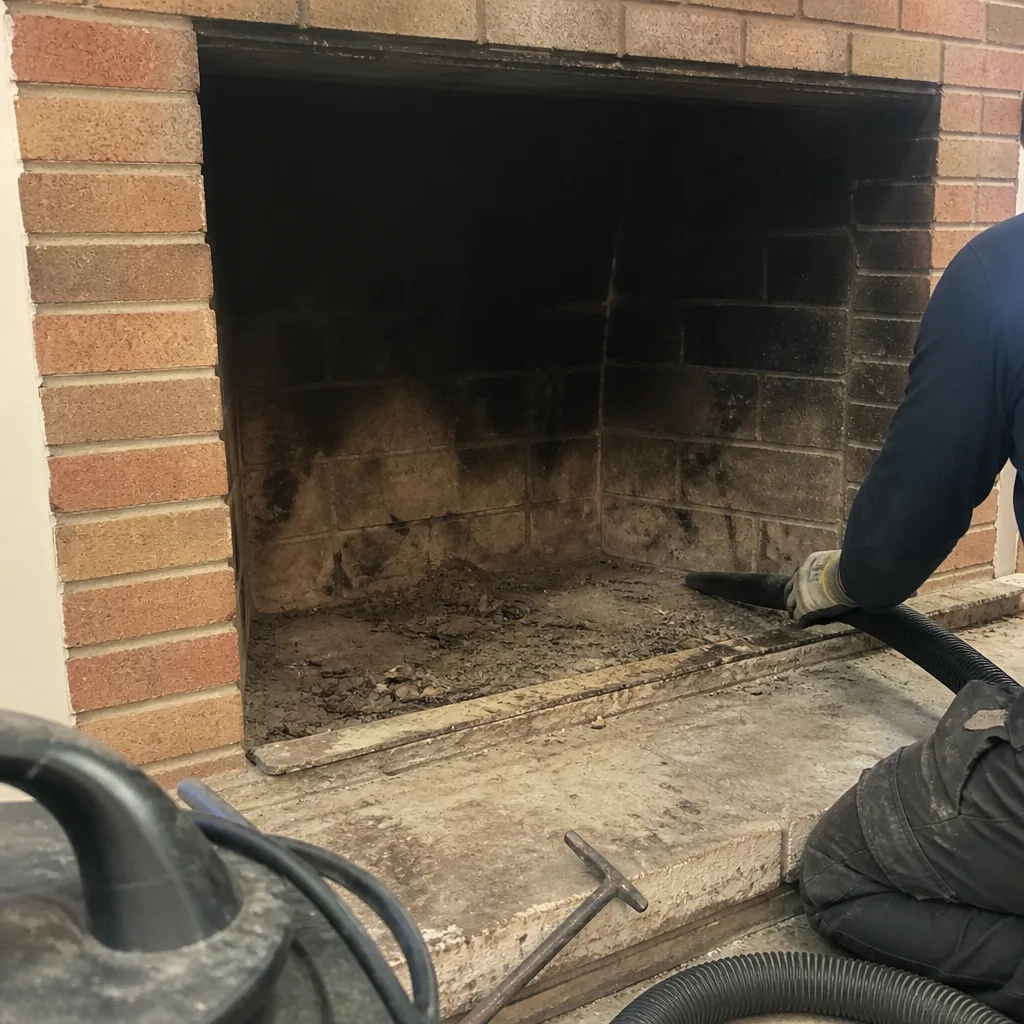 Before
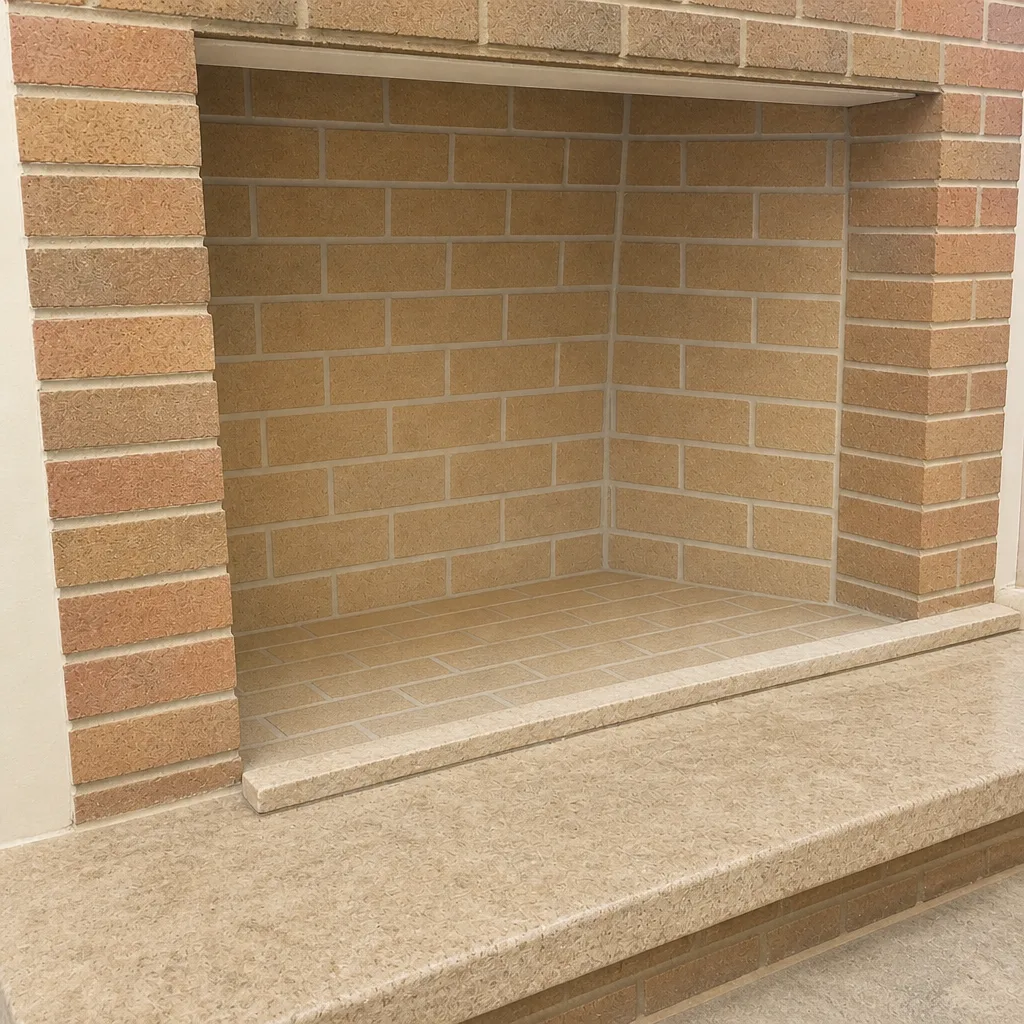 After
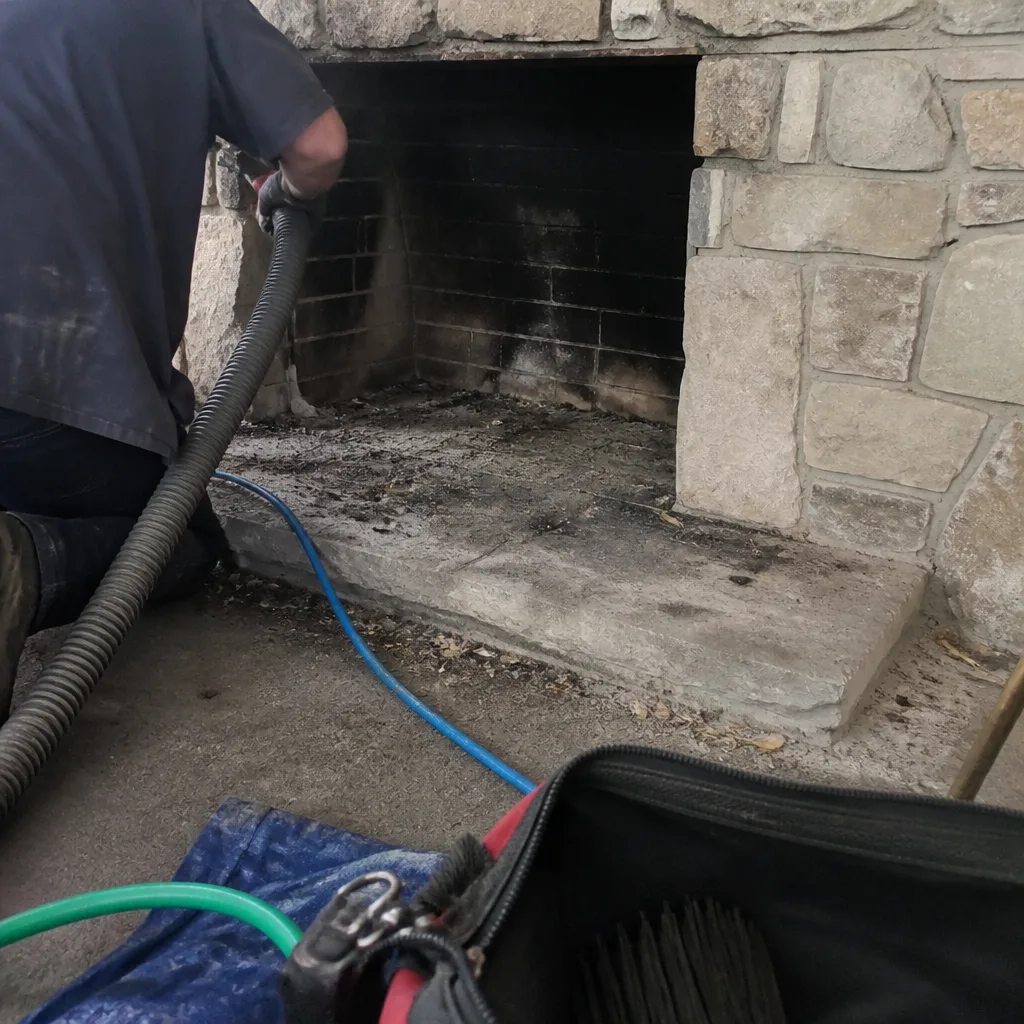 Before
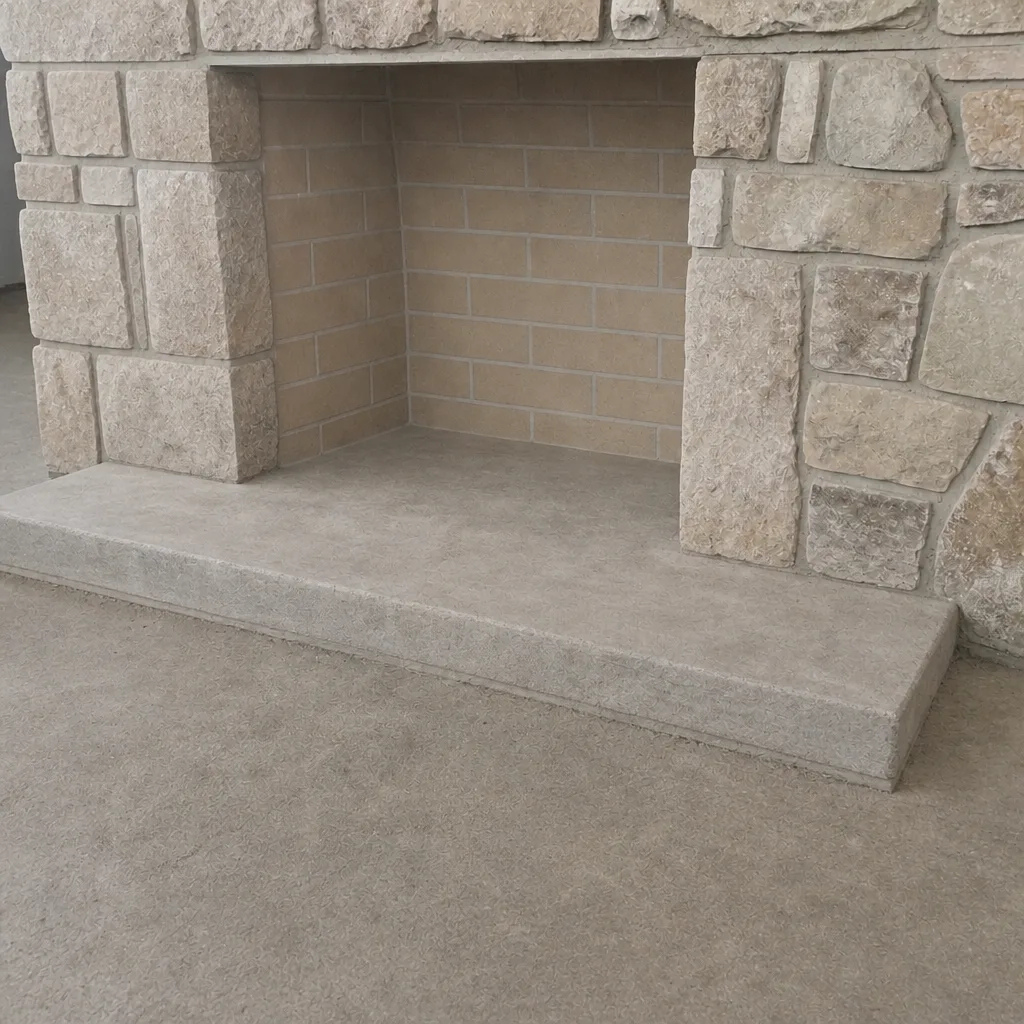 After
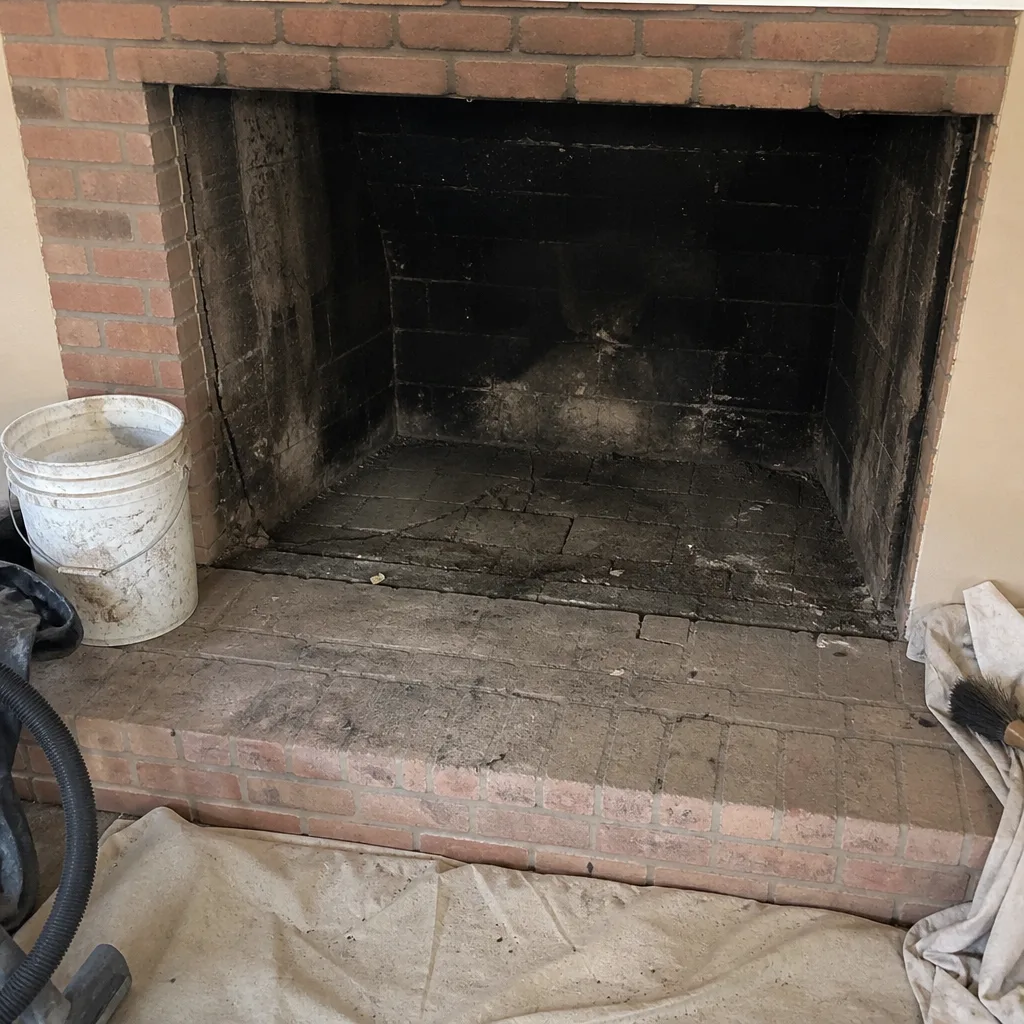 Before
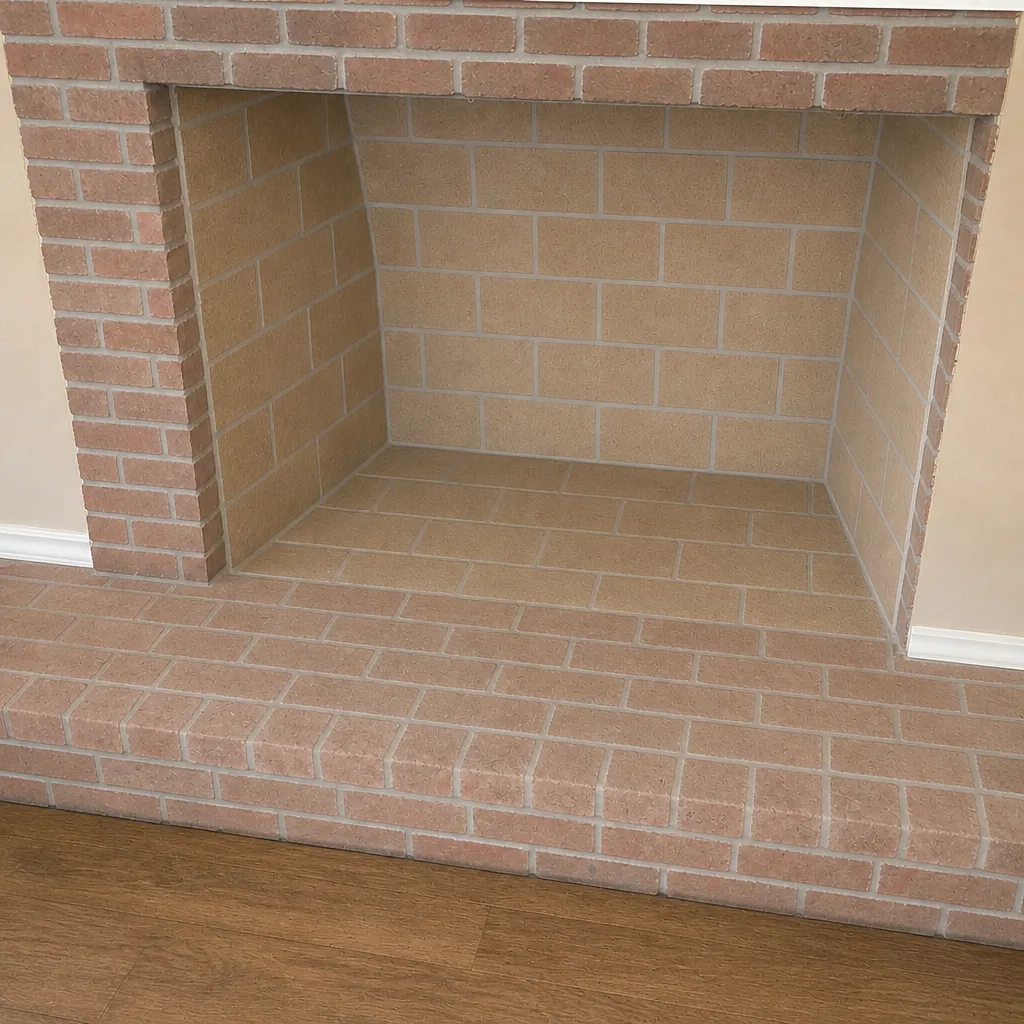 After
When to Call a Professional
Book a professional sweep and inspection if any of these apply: you haven’t had the chimney serviced in the past year and you burn regularly during the cool months; you’ve recently purchased a home and don’t have documentation of prior service; you’ve seen smoke backing into the room instead of going up the flue; you’ve noticed a strong smell from the firebox; the cap is visibly damaged or missing; animals have been seen around the chimney; or you’re planning a substantial repair and want an independent documented assessment before any work begins. If you’re in any doubt, an inspection answers the question without committing you to a repair.
Tempe Chimney Sweep offers free estimates in Tempe – call (866) 827-7102. We answer 24/7. Fast dispatch from 7am to 7pm, Sunday through Friday. All work is quoted per job by written estimate, and the estimate itself is free.
Frequently Asked Questions
No. Arizona does not issue a state chimney sweep license, so “licensed” isn’t a credential you can verify through the state. The credential to look for is CSIA Certified Chimney Sweep status, which is verifiable in a public database. Call (866) 827-7102 for an exact quote – estimates are free.
A standard chimney sweep in Tempe typically runs $150 to $300, and a sweep that includes a written inspection report with photos usually runs $200 to $400. A standalone camera inspection is typically $200 to $450. These are estimates, and the written estimate sets the final price. Call (866) 827-7102 for an exact quote – estimates are free.
CSIA Certified Chimney Sweep status means the technician passed a proctored written exam covering chimney construction, venting, codes and hazard recognition, and maintains continuing education to keep the credential current. It does not guarantee the company’s pricing or customer service, only the technician’s technical knowledge. Verify the name in the CSIA database before you book. Call (866) 827-7102 for an exact quote – estimates are free.
Only if the flue can’t safely contain the combustion gases and byproducts of a fire, which is a diagnosis that needs to be documented with camera evidence before anyone recommends a replacement. Many chimneys that look like liner-replacement candidates can be restored with HeatShield resurfacing instead, which is why the diagnosis matters more than the repair tier. Ask to see the photos before you approve anything. Call (866) 827-7102 for an exact quote – estimates are free.
The standard guidance is once a year for a chimney in regular use, which for most Tempe households maps to a pre-season sweep in the fall before the first fire. Households that burn heavily or use the fireplace as a primary heat source should consider a second inspection mid-season. A chimney that’s used lightly still needs an annual inspection because moisture and animal intrusion don’t wait for the fire. Call (866) 827-7102 for an exact quote – estimates are free.
The creosote deposits left in the flue continue to build up and stage toward more combustible states, and the flue’s structural condition goes unmonitored for another year. The risk profile is a chimney fire, which is a real hazard in a flue with heavy creosote, and a carbon monoxide risk if the flue has developed a crack that lets gases escape into the house. Neither is a scare tactic; both are why the annual service exists. Call (866) 827-7102 for an exact quote – estimates are free.
The Bottom Line
Arizona’s lack of a licensing requirement for chimney sweeps means the vetting burden is on you, and a few specific checks do most of the work. Verify CSIA certification through the database. Ask for both general liability and chimney-specific errors & omissions coverage. Insist on a written inspection report with photos. Read the quote for specific line items and named repair materials, not just a bottom line. And understand that a company that only sweeps leaves you with a diagnosis gap that costs more to close later than to avoid. A fair sweep-and-inspection in Tempe is roughly $150 to $300, but the report matters more than the price.
Ready to Book?
If you’ve read this far, you know what to ask and what a fair quote looks like. If you’d rather skip the vetting and start with a company that handles sweep, inspection, and repair under one roof – with a documented report, named materials, and a free estimate – give Tempe Chimney Sweep a call. Our technicians have up to 9 years of experience, and we work with DuraFlex for relining, HeatShield for resurfacing, and caps from Olympia Chimney, Famco, and Copperfield so the repair you approve is the repair you get. Call (866) 827-7102 for a free estimate. We answer 24/7. Fast dispatch from 7am to 7pm, Sunday through Friday.
Written by the team at Tempe Chimney Sweep.