
Last updated November 15, 2026
 Sweep & inspection
 Caps & crowns
 Flue relining
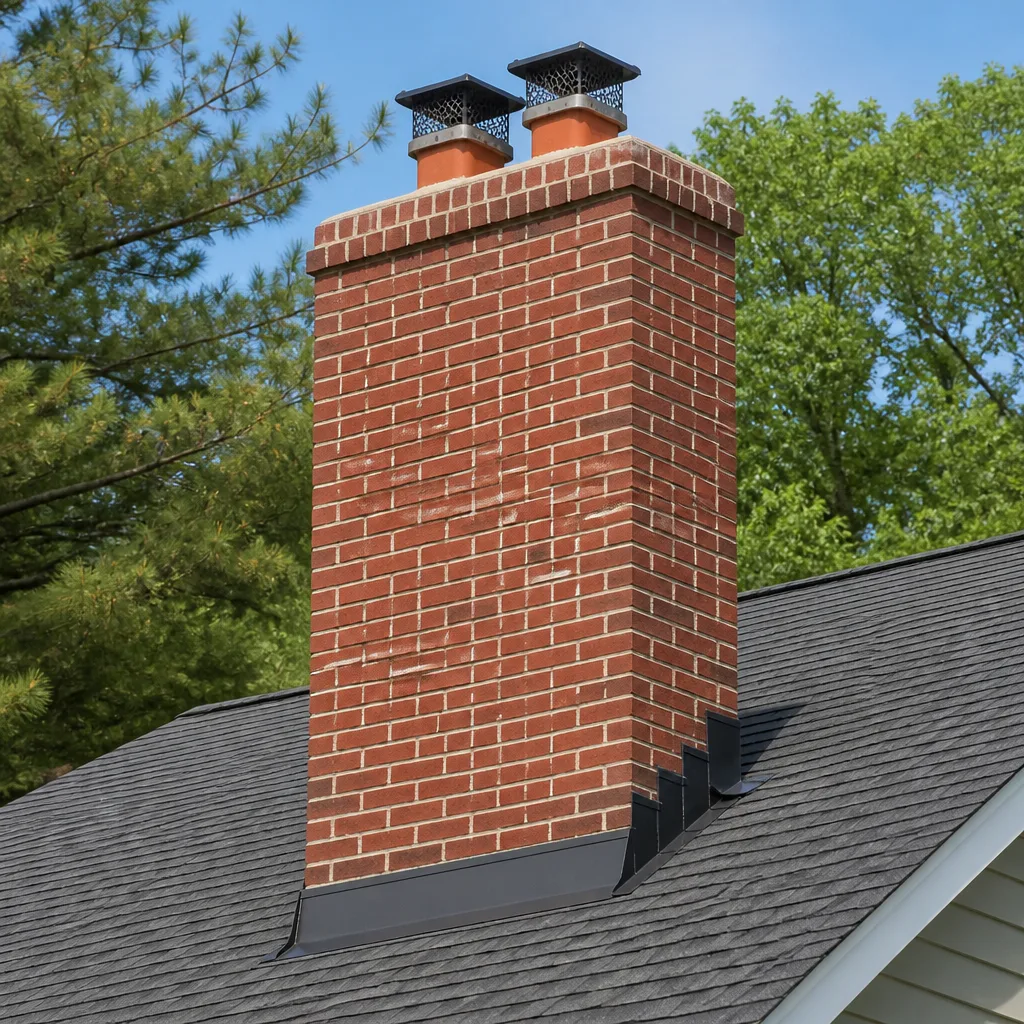 Masonry repair
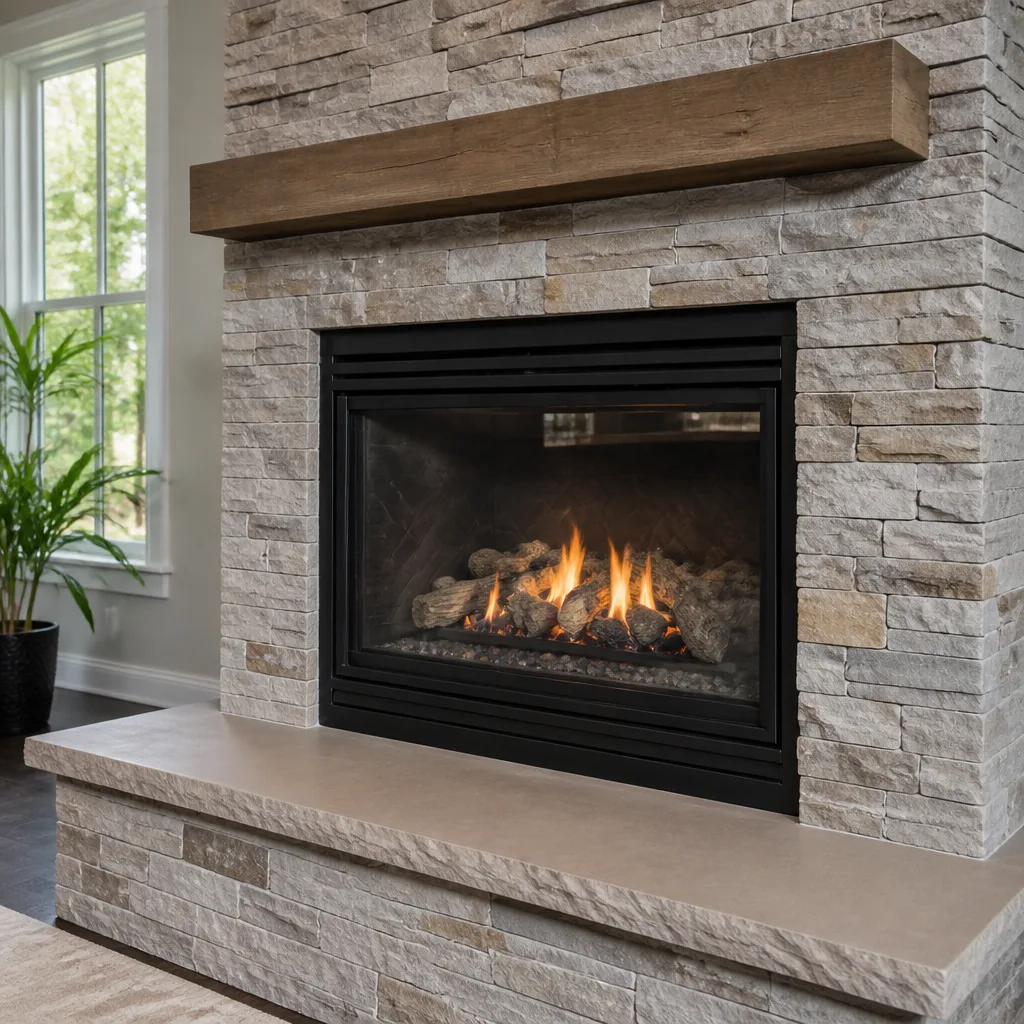 Gas fireplace service
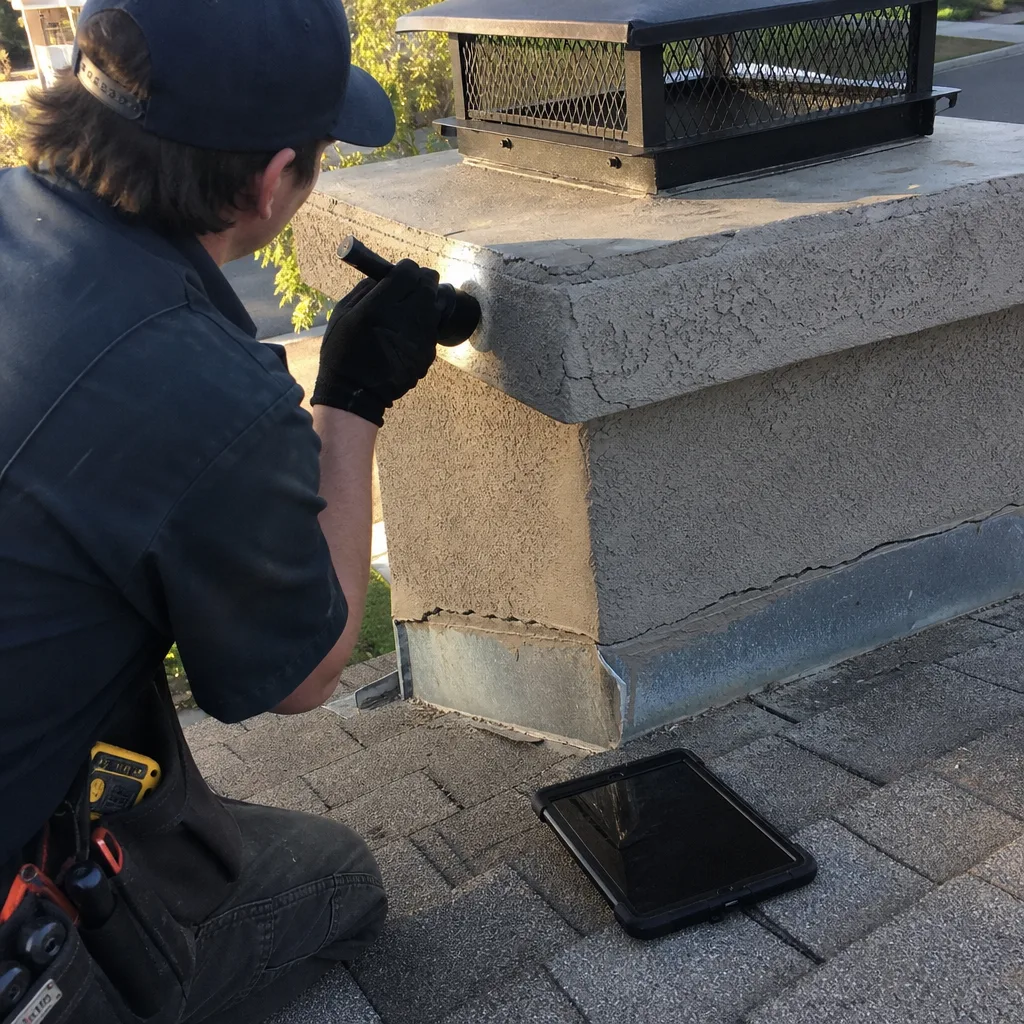
Level 1 sweep and inspection to the NFPA 211 annual standard - flue, crown, cap, and flashing checked and photographed
Chimney sweep logs do not sweep chimneys. They loosen some creosote - which then falls where a brush and vacuum still have to collect it.
DIY vs Professional Chimney Cleaning: The Tempe Homeowner’s Decision Guide
A chimney brush kit from a hardware store will remove Level 1 creosote. That much is true, and it’s why the DIY question keeps coming up in Tempe. But there’s no consumer tool that can tell you whether the liner beneath that soot is cracked, and a cracked liner with clean walls is still a house fire waiting to happen. This guide draws a precise line between what a homeowner with a brush can actually accomplish and what requires a trained eye with diagnostic equipment. You’ll learn what a DIY sweep physically removes, where its effectiveness hits a hard ceiling, which Tempe situations make DIY a reasonable supplement, and which ones make it genuinely risky. We’ll also cover how a homeowner’s insurance policy tends to view self-performed chimney maintenance.
Quick Answer
DIY chimney cleaning can remove loose soot and light Level 1 creosote from an accessible flue, but it cannot assess liner integrity, measure draft, or detect carbon monoxide problems. For a Tempe homeowner with a wood-burning fireplace, the professional sweep and inspection is the only way to know the chimney is both clean and structurally sound. DIY works as a light supplement between professional cleanings, never as a replacement for the annual assessment.
Styles & brands we work with
- Sweep & inspection
- Caps & crowns
- Flue relining
- Masonry repair
- Gas fireplace service
Table of Contents
- What a DIY Chimney Sweep Actually Accomplishes
- The Diagnostic Tools You Can’t Buy at a Hardware Store
- When DIY Is a Reasonable Supplement in Tempe
- When DIY Is Genuinely Dangerous in Tempe
- Creosote Stages and Why the Ceiling Matters
- The Insurance and Liability Dimension
- What a Professional Sweep and Inspection Actually Involves
- Frequently Asked Questions
What a DIY Chimney Sweep Actually Accomplishes
A rotary brush and a shop vacuum do real physical work. The brush scours the flue walls, breaking up soot and the soft, flaky creosote that builds up fastest near the smoke chamber and the top of the firebox. A HEPA vacuum captures the loose material as it falls. In a well-maintained chimney with light use, that combination can knock down a meaningful share of surface deposits.
The ceiling is where it gets specific. A DIY sweep reliably handles Level 1 creosote – the thin, powdery, soot-like deposit that accumulates from regular burning and comes off with brushing. It struggles with Level 2 creosote, the harder, tar-like glaze that bonds to the flue wall and often needs a rotary whipping tool or chemical treatment to break down. It cannot touch Level 3 creosote, the hardened, fuel-rich glaze that has baked into the masonry and is classified as a mandatory repair, not a recommendation.
Beyond creosote, the DIY sweep has practical limits. A standard homeowner brush kit rarely reaches the full length of a flue on a two-story Tempe home, and getting the brush past a smoke shelf or an offset flue takes the right rod and a lot of patience. The vacuum is also working against the homeowner: a shop vac rated for soot is fine, but most household vacuums will push fine ash back into the room and leave a film on everything. For background on how a full professional cleaning is structured, see our chimney sweep page.
The Diagnostic Tools You Can’t Buy at a Hardware Store
Here’s the part of the debate that rarely gets airtime. The difference between a professional sweep and a DIY one isn’t just scrubbing power – it’s diagnostic access. The tools that reveal what’s happening inside the flue aren’t sold to homeowners because they require training to interpret and, in some cases, certification to operate.
- Closed-circuit inspection camera. A sweep camera runs on a flexible rod down the flue and transmits a live image of the liner walls, joints, and smoke chamber. It reveals cracks, spalling, gaps at the flue tile joints, and the offset transitions a brush can’t see. A homeowner cannot rent this equipment, and even with a camera, reading what you see takes experience.
- Smoke draft gauge. A draft gauge measures the pressure differential that tells a technician whether the chimney is pulling combustion gases up and out or leaking them back into the room. Weak draft is a warning sign of a blocked or improperly sized flue, and it’s invisible to the eye.
- Carbon monoxide monitor. A professional-grade CO monitor placed at the firebox and in the living space confirms whether a wood-burning system is venting safely. Consumer CO alarms in a hallway are not a substitute for a technician measuring at the source.
- Combustible clearance inspection. The spacing between the chimney structure and nearby framing is a fire-safety measurement. It requires access to the attic and crawl spaces and a trained eye to spot a violation.
These tools are the reason an inspection reveals what a sweep alone cannot. A brush can leave a flue spotless and still leave a hidden crack that lets heat reach combustible material. That gap is exactly why our Tempe inspection service produces a documented condition assessment: so the homeowner knows what is safe, what needs repair now, and what can be monitored.
When DIY Is a Reasonable Supplement in Tempe
There are clear cases where a homeowner can safely do a light cleaning between professional visits. The key word is supplement. These are the scenarios where a DIY sweep adds value without replacing the annual inspection:
- A lightly used fireplace with a documented clean liner. If a professional inspection within the last year confirmed the liner is intact and the chimney is clean, a mid-season brush-down of loose ash is low-risk. You’re maintaining, not diagnosing.
- Gas log sets. Gas logs produce far less creosote than wood, and a homeowner can wipe down the firebox and clear the log ports. Gas appliances still need a professional check for venting and CO, but the routine cleaning is within reach.
- Ash removal and firebox cleanup. Clearing cooled ash from the firebox between burns is a reasonable homeowner task. It reduces the fuel load inside the firebox and keeps the firebox door and damper operating smoothly.
- A chimney with a full-length liner and easy roof access. Some Tempe homes have a straight, lined flue that a homeowner can reach safely from the ground with the right rods. Even then, the visual check at the top and bottom is no substitute for a camera run.
The pattern is consistent: DIY works when the chimney has already been professionally assessed and the homeowner is doing maintenance rather than discovery. The moment the task shifts from cleaning to finding out what’s going on, it’s out of DIY territory.
When DIY Is Genuinely Dangerous in Tempe
Some situations make DIY not just ineffective but unsafe. In these cases, a brush and a vacuum can create a false sense of security or introduce a real hazard. The dangerous scenarios:
- First fire after monsoon season. Tempe’s summer storms drive dust, debris, and the occasional bird nest into an open flue. A homeowner who sweeps blindly and lights the first fire of the season may be pushing a blockage deeper or missing a nest that will restrict draft. A camera inspection confirms the flue is clear before that first burn.
- Any chimney over 10 years old with no camera inspection on record. Older masonry flues develop cracks and spalling that are invisible from the firebox. A brush can’t see a hairline crack in a flue tile, and a cracked liner with clean walls is still a house fire waiting to happen.
- Wood-burning systems with no documented liner condition. If nobody has confirmed what the liner looks like, the homeowner has no basis for deciding whether a DIY sweep is safe. Unknown condition is the problem, not the soot.
- Any chimney with a known creosote glaze. Level 2 and Level 3 creosote require rotary whipping tools or chemical treatment to break down safely. Brushing a glazed flue can jam the brush, damage the liner, and leave the combustible glaze in place.
- Signs of a prior chimney fire. Cracked flue tiles, puffy or honeycombed creosote, and warped dampers are all evidence of a fire that already happened. A homeowner should never clean and light a chimney with those signs – the structure needs a professional assessment first.
If any of these apply, stop and call a professional. A chimney repair assessment is the right first step, and it’s cheaper than the alternative. The added risk of a DIY attempt in these scenarios isn’t worth the savings on a single cleaning.
Creosote Stages and Why the Ceiling Matters
Creosote is the residue of incomplete combustion, and it doesn’t build up uniformly. It accumulates in stages, and each stage changes what a cleaning can accomplish. Knowing the stages explains exactly where the DIY ceiling sits.
- Level 1: Soot and light flaky deposits. The most common and the easiest to remove. A rotary brush handles most of it. This is the stage a homeowner can realistically address with a brush kit.
- Level 2: Hard, glazed tar. Dense, bonded to the flue wall, and resistant to brushing. Requires a rotary whipping tool or a chemical treatment to soften it before removal. A homeowner brush will skip across the surface.
- Level 3: Hardened, fuel-rich glaze. The most dangerous stage, often a sign of restricted draft or repeated low-temperature smoldering fires. It is a mandatory repair, not a recommendation, and it signals that the flue needs evaluation before the next fire.
For a Tempe wood-burning homeowner, the takeaway is simple. If you can see powdery black soot and flaky deposits on the firebox walls, that’s Level 1 and a brush can help. If the inside of the firebox is shiny, gummy, or coated in a hard black glaze, that’s Level 2 or 3 and the flue needs professional treatment before another fire. The stages matter because the wrong tool on the wrong stage can damage a liner that was otherwise fine.
The Insurance and Liability Dimension
Homeowners often assume a DIY sweep is invisible to their insurance company. It isn’t, in one important way: most homeowner policies require the insured to maintain the property in a safe condition, and chimney maintenance falls squarely in that category. A policy may deny a claim tied to a chimney fire if the insurer determines that routine maintenance was neglected over an extended period.
The nuance is documentation. A professional inspection produces a written condition assessment that records the state of the chimney on a specific date. If a fire or CO incident happens later, that assessment becomes evidence that the homeowner was maintaining the system in good faith. A DIY sweep leaves no record, and no record is exactly what an adjuster notices when a claim is filed.
Self-performed cleaning is not automatically a violation of a policy. But it does remove the paper trail that protects a homeowner in a dispute. If the chimney was already flagged by an inspector and the homeowner declined a noted repair, that flagged condition is far more damaging to a future claim than a missing sweep receipt. If your insurer asks for documentation of chimney maintenance, an inspection report is the document they’re looking for. For a broader look at what a professional assessment includes, see our inspection service and our main Tempe Chimney Sweep page.
What a Professional Sweep and Inspection Actually Involves
A professional visit does more than clean. It measures, documents, and – where problems are found – repairs. The typical sequence for a Tempe wood-burning chimney:
- Exterior and firebox inspection. The technician checks the crown, the cap, the flashing, and the firebox before any cleaning begins. This step catches structural problems before the sweep disturbs them.
- Sweep with rotary tools and HEPA capture. The flue is brushed with the appropriate tool for the creosote stage. HEPA filtration keeps soot out of the living space.
- Closed-circuit camera run. A camera inspects the liner walls, joints, and smoke chamber. The technician checks for cracks, gaps, and offsets the brush can’t see.
- Draft and CO check. A draft gauge confirms the chimney is pulling smoke up and out, and a CO monitor confirms no combustion gases are leaking into the living space.
- Documented condition assessment. The homeowner receives a record of what is safe, what needs repair now, and what can be monitored.
- Repair quoting and completion. If the inspection reveals a liner problem, the repair is scoped and quoted from the same team, using purpose-built components rather than improvised hardware-store parts.
That last step is where the repair tier matters. Our technicians have up to 9 years of experience, and the work draws on a confirmed brand portfolio for the situations a sweep uncovers. We use HeatShield for flue resurfacing because it bonds to the existing masonry without requiring a full teardown, which means a deteriorating flue can often be restored rather than replaced. When a liner is beyond resurfacing, we work with DuraFlex flexible liner systems for relining. For weather and animal protection, caps and covers are specified from Gelco, Olympia Chimney, and Famco – components engineered for the application, not generic store alternatives. If a cap issue is found mid-sweep, the same visit can quote and schedule it.
See the difference
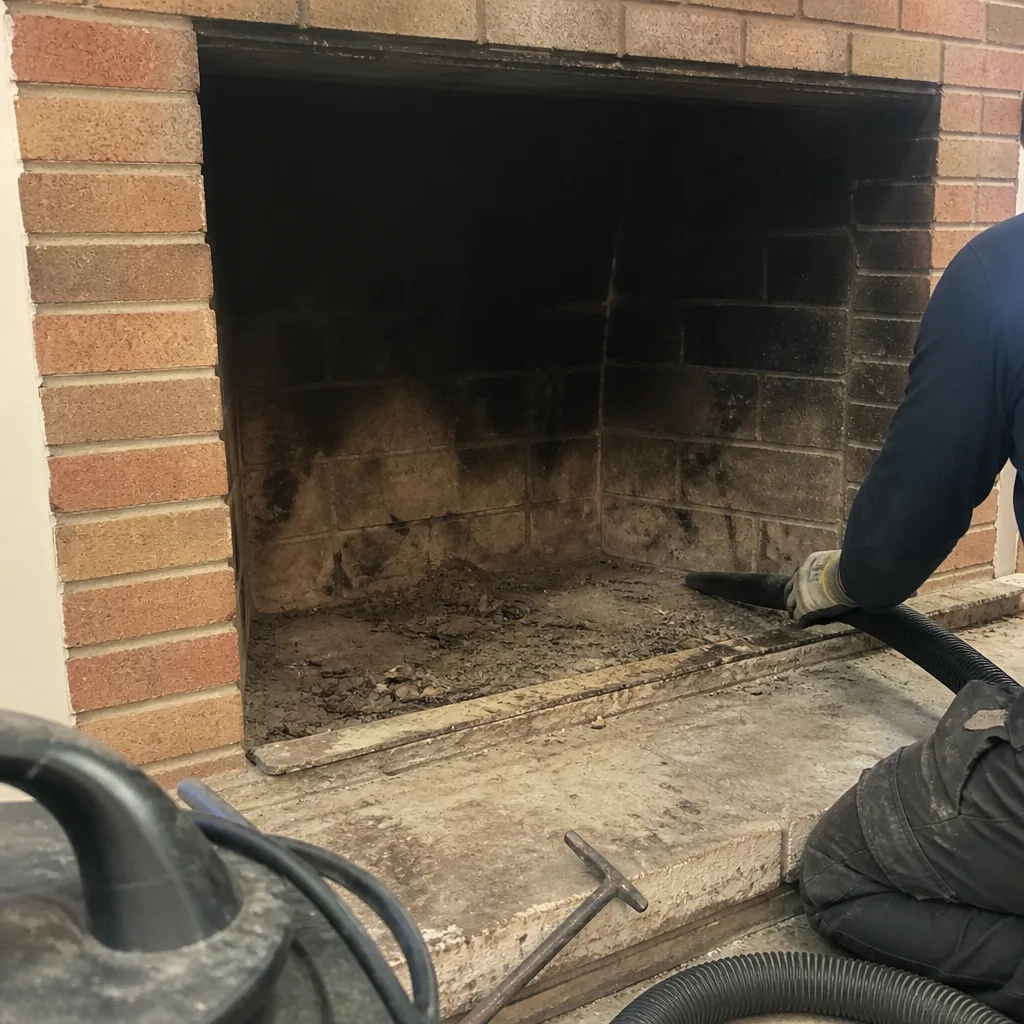 Before
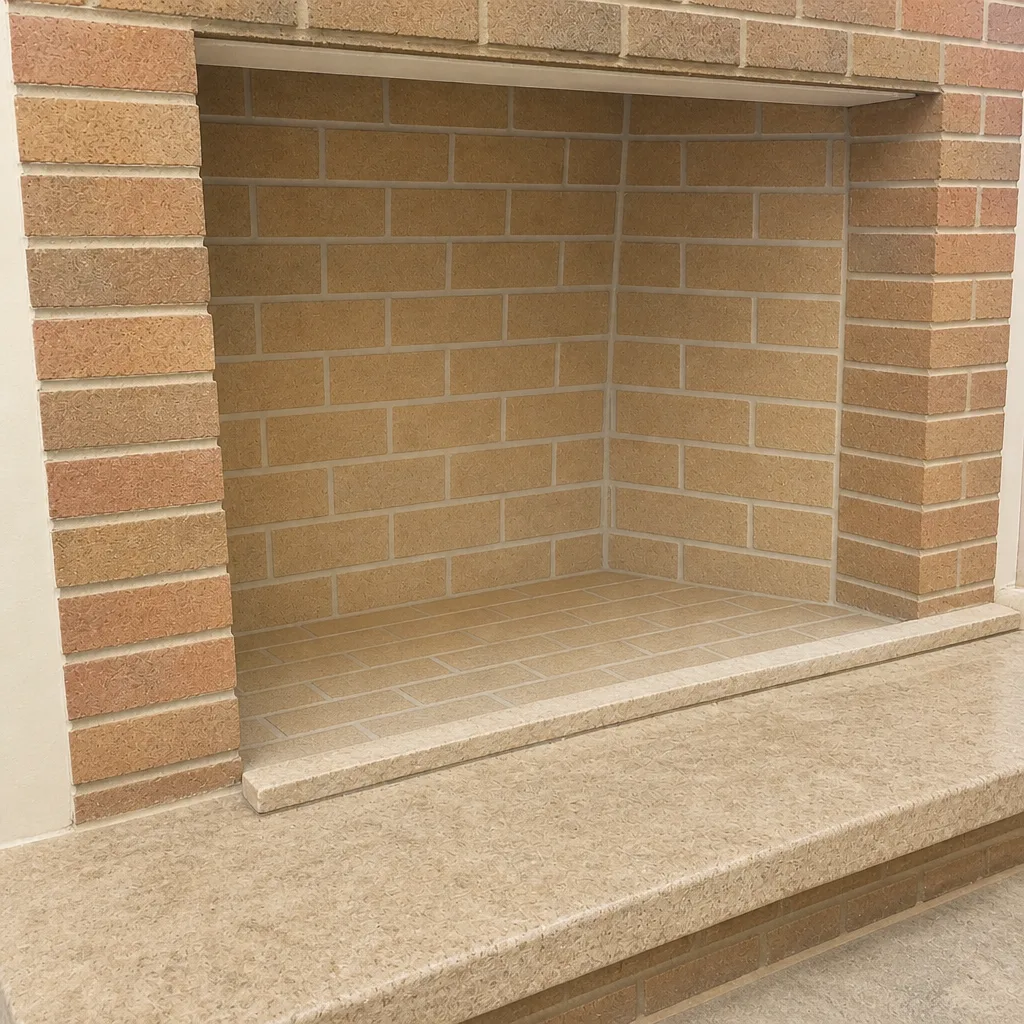 After
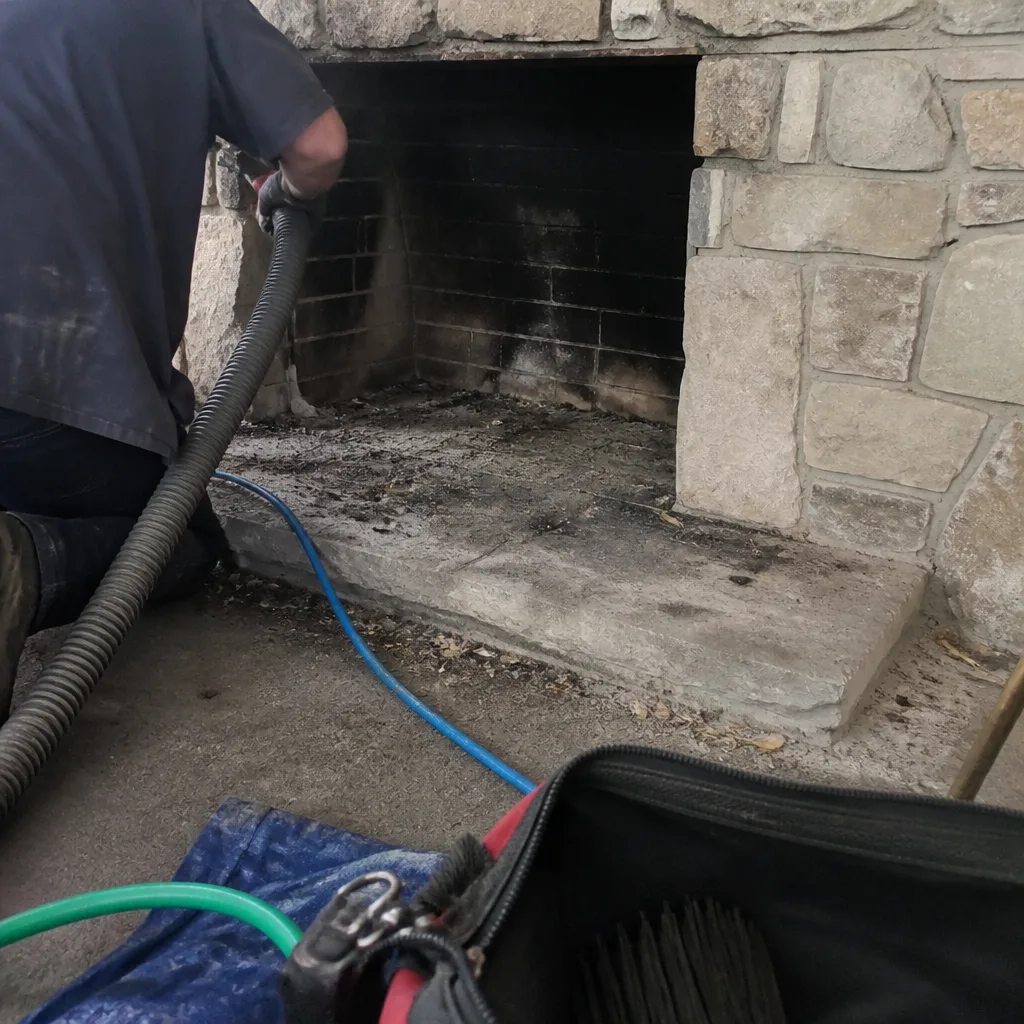 Before
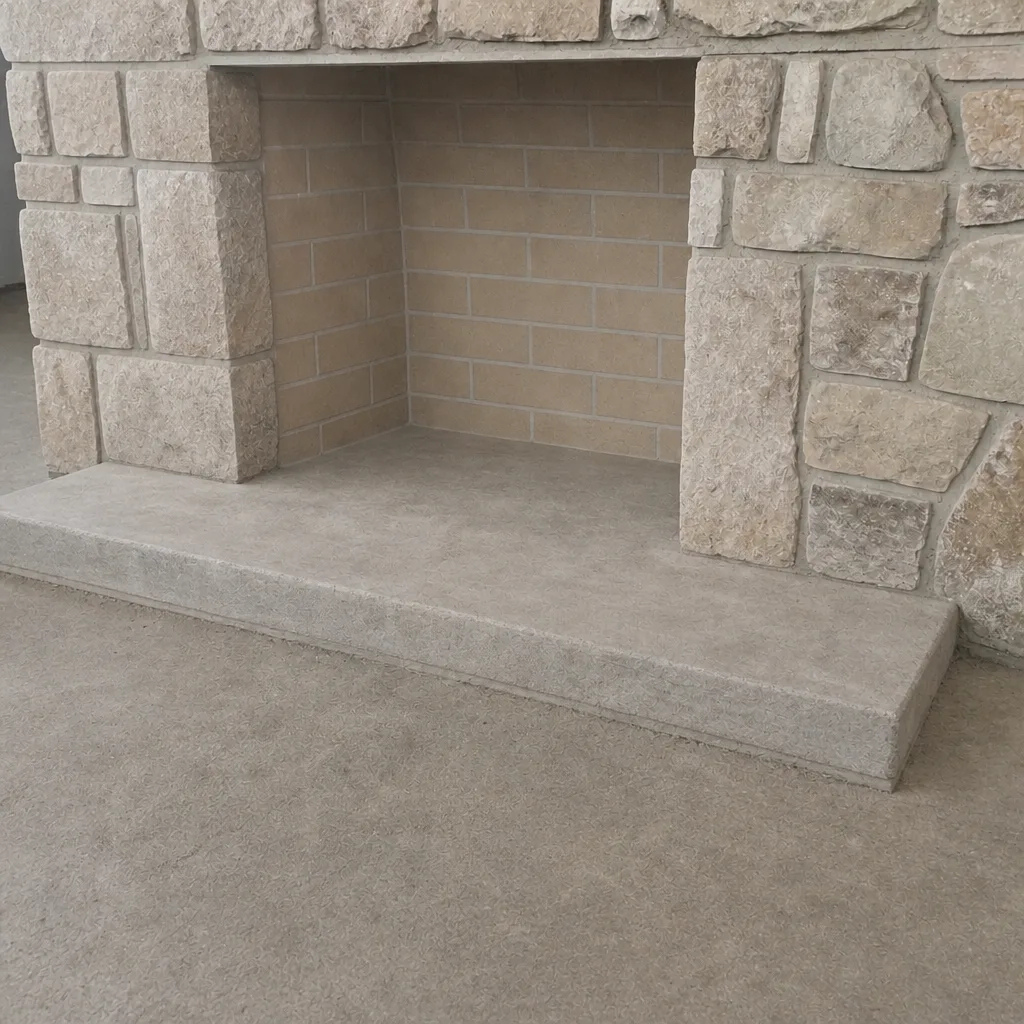 After
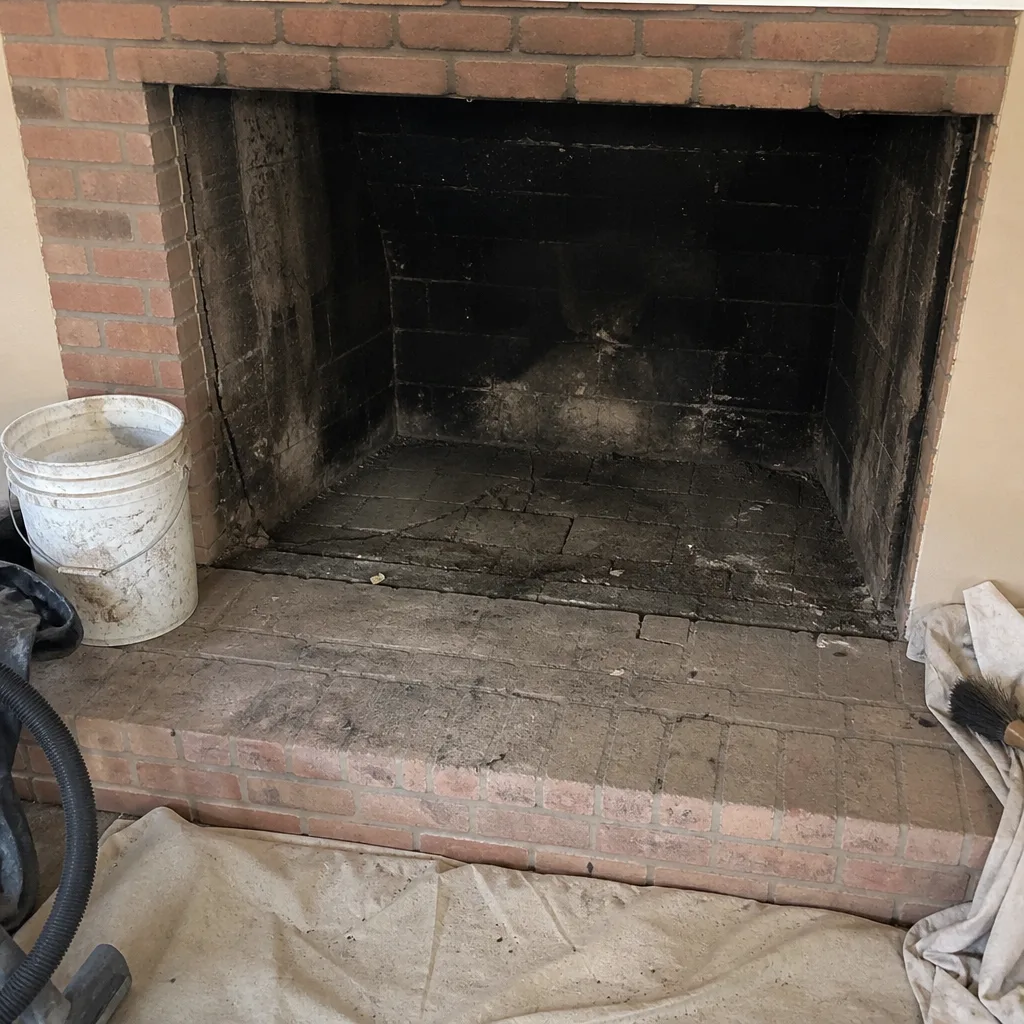 Before
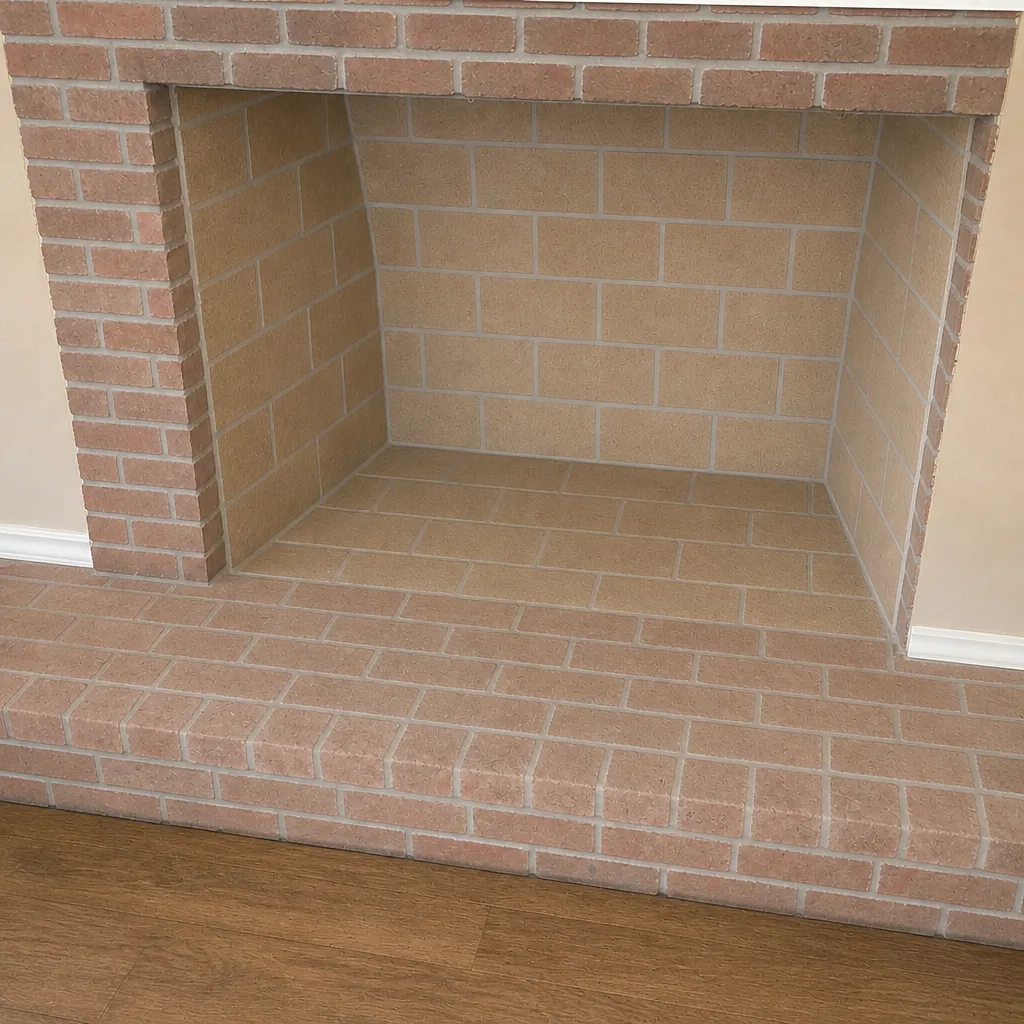 After
Common Mistakes to Avoid
- Assuming a clean flue means a safe flue. A brush removes soot, not the question of liner integrity. Clean walls with a hidden crack are still a fire risk, which is why a camera inspection is the part that actually answers the safety question.
- Sweeping with a shop vac alone. A vacuum pulls loose ash, but it doesn’t scour the flue walls. Homeowners who rely on a vacuum alone often leave the glaze and the creosote in place.
- Cleaning a glazed flue with a hand brush. A standard brush will skip across Level 2 and Level 3 creosote and can jam or damage the liner. Glazed deposits need professional tooling.
- Skipping the first-fire check after monsoon season. Tempe’s summer storms drive debris and nests into open flues. A blind first fire after months of disuse is the most common way a hidden blockage becomes a house full of smoke.
- Buying a brush kit for a chimney that’s never been inspected. The brush implies the chimney is clean; it doesn’t confirm it’s safe. If you’ve never had a camera inspection, do that first.
- Ignoring a flagged repair because the fire still lights. A chimney can draft fine with a cracked liner for a while. The failure isn’t gradual, which is why a flagged flue is a repair, not a monitor.
- Assuming a newer home is exempt. A previously owned Tempe home with an unknown chimney history needs the same inspection as a 40-year-old house. Age is not the signal; documentation is.
When to Call a Professional
Call a professional sweep and inspection if the chimney has never had a camera inspection, if it’s been more than a year since the last professional cleaning, if you’ve noticed a creosote glaze inside the firebox, if the fire has ever smoked back into the room, or if the home is new to you and the chimney history is unknown. Call before the first fire after the monsoon season. Call if you’ve had a chimney fire, even a small one, because the structure needs an assessment before another burn. Call if the chimney is over 10 years old with no documented liner condition. And call if a home inspector flagged the flue – a flagged condition deserves a real assessment, not a brush and hope. Tempe Chimney Sweep offers free estimates in Tempe, and we can book a sweep and inspection together. Call (866) 827-7102 to schedule. Out of Tempe Chimney Sweep service area pages cover the surrounding communities, so if you’re nearby, ask when you call.
Frequently Asked Questions
A standard chimney sweep in Tempe typically runs in the low-to-mid hundreds of dollars, and an inspection with a camera is usually a separate line item, with repair work quoted separately from that. The final price is set by the written estimate after the technician sees the chimney, so the range depends on the flue length, the creosote stage, and whether roof access is needed. Call (866) 827-7102 for an exact quote – estimates are free.
Not always – and that’s exactly why a camera inspection comes first. A deteriorating flue can often be restored with HeatShield resurfacing instead of a full liner replacement, which is a meaningful cost difference. The liner only gets replaced when the camera shows damage beyond what resurfacing can bond to. Nothing is recommended without camera evidence you can see for yourself, and we’ll tell you plainly when a flagged repair can safely wait. Call (866) 827-7102 for an exact quote – estimates are free.
Once a year is the general standard for a wood-burning chimney in active use, and more often if you burn frequently or notice heavy creosote buildup. Tempe’s mild winters mean many homeowners burn a shorter season, so the annual inspection matters more than a rigid cleaning schedule. The inspection tells you when a sweep is actually needed rather than guessing by the calendar. Call (866) 827-7102 for an exact quote – estimates are free.
Skipping a sweep lets creosote accumulate to the glazed stages, and skipping the inspection lets a cracked liner or a blocked flue go unnoticed. Both increase the risk of a chimney fire or carbon monoxide entering the living space. A chimney can seem to work fine while either problem develops, which is why the inspection is the part that matters. Call (866) 827-7102 for an exact quote – estimates are free.
You can brush loose soot and Level 1 creosote from a chimney that has already been inspected and confirmed sound. You can’t assess liner integrity, measure draft, or detect CO with consumer tools. So DIY works as maintenance between professional visits, never as a replacement for the annual assessment. Call (866) 827-7102 for an exact quote – estimates are free.
Your policy likely requires you to maintain the property in a safe condition, and a dispute can hinge on whether you neglected the chimney. A professional inspection gives you a written record of the chimney’s condition; a DIY sweep leaves no record. The safest approach is to keep a current inspection report on file and copy your insurer if they ask. Call (866) 827-7102 for an exact quote – estimates are free.
The Bottom Line
The DIY chimney cleaning question comes down to diagnostic access. A brush and a vacuum can remove loose soot and light creosote from a chimney that has already been checked. They cannot tell you whether the liner beneath that soot is intact, measure draft, or detect carbon monoxide. For a Tempe homeowner with a wood-burning fireplace, the annual professional sweep and inspection is what turns a guess into a documented answer. DIY is a reasonable supplement between visits when the chimney has a clean inspection on record. It is never a substitute for the camera inspection that answers the safety question. Keep the inspection current, keep the report, and when in doubt, call.
If you’re ready to book a sweep and inspection in Tempe, call Tempe Chimney Sweep at (866) 827-7102. We answer 24/7. Fast dispatch from 7am to 7pm, Sunday through Friday. Estimates are free, and the written estimate sets the price.
Written by the team at Tempe Chimney Sweep.