
Last updated November 15, 2026
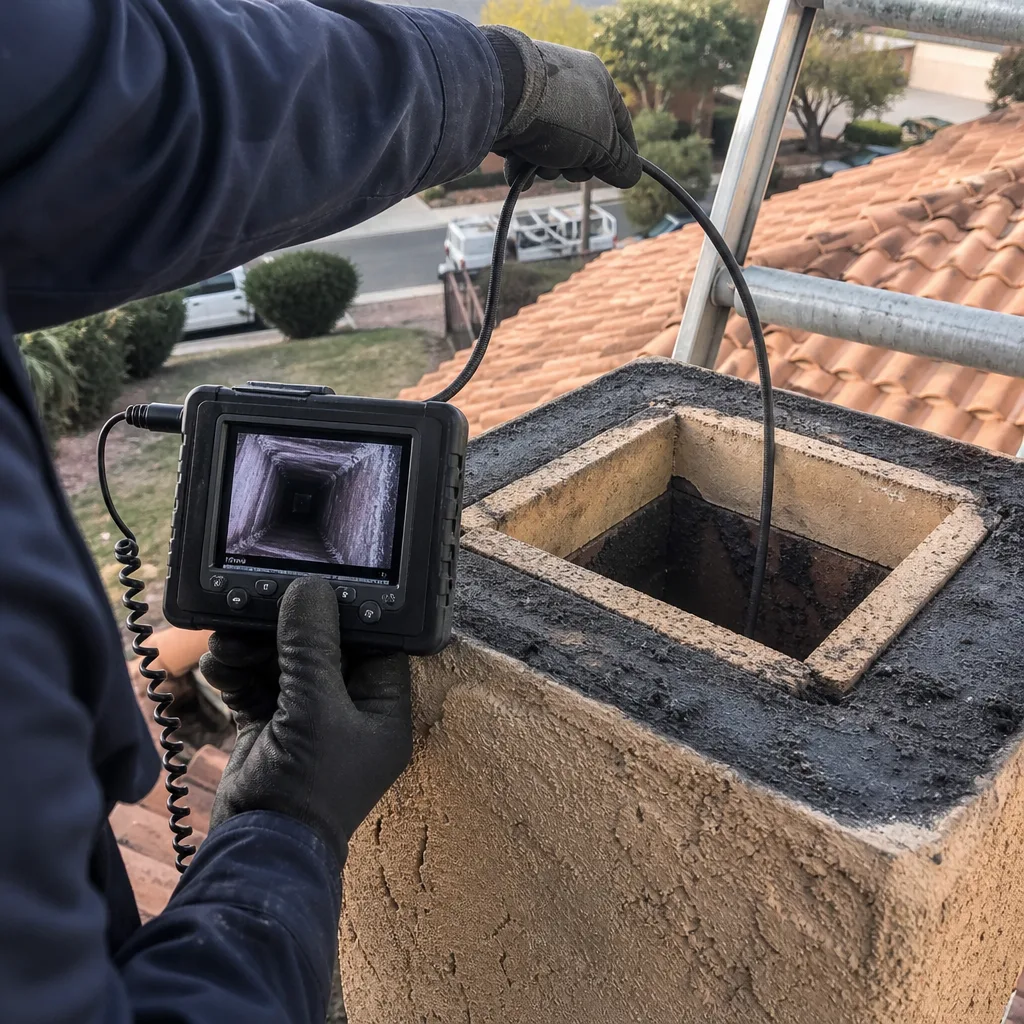
 Sweep & inspection
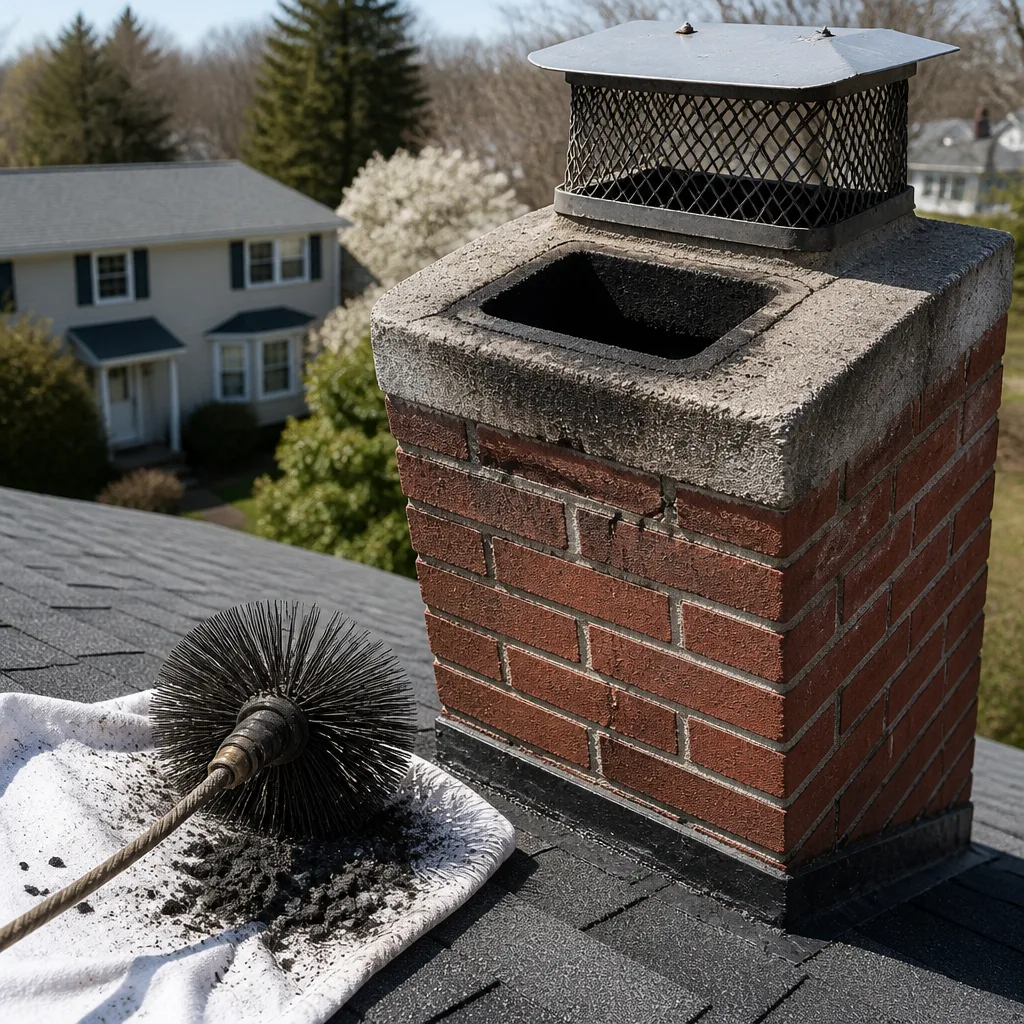
 Caps & crowns
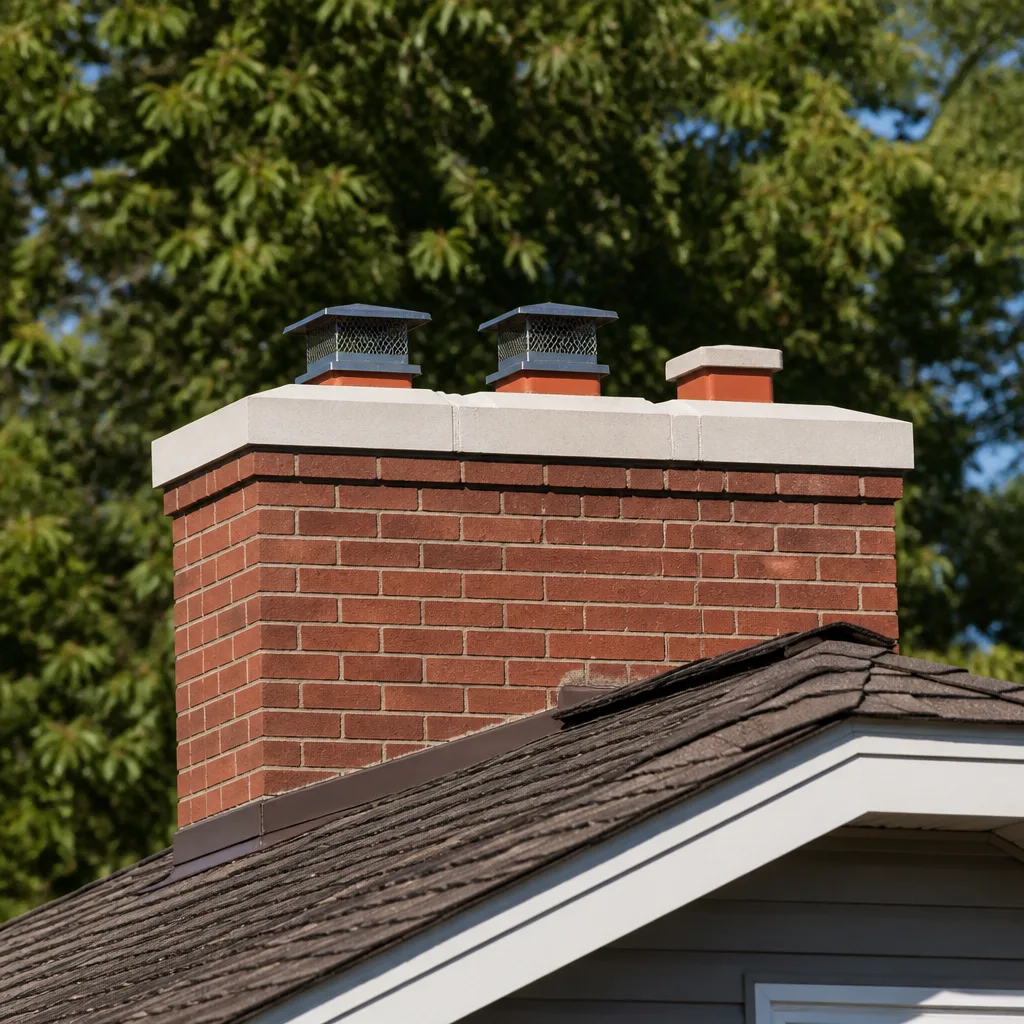
 Flue relining
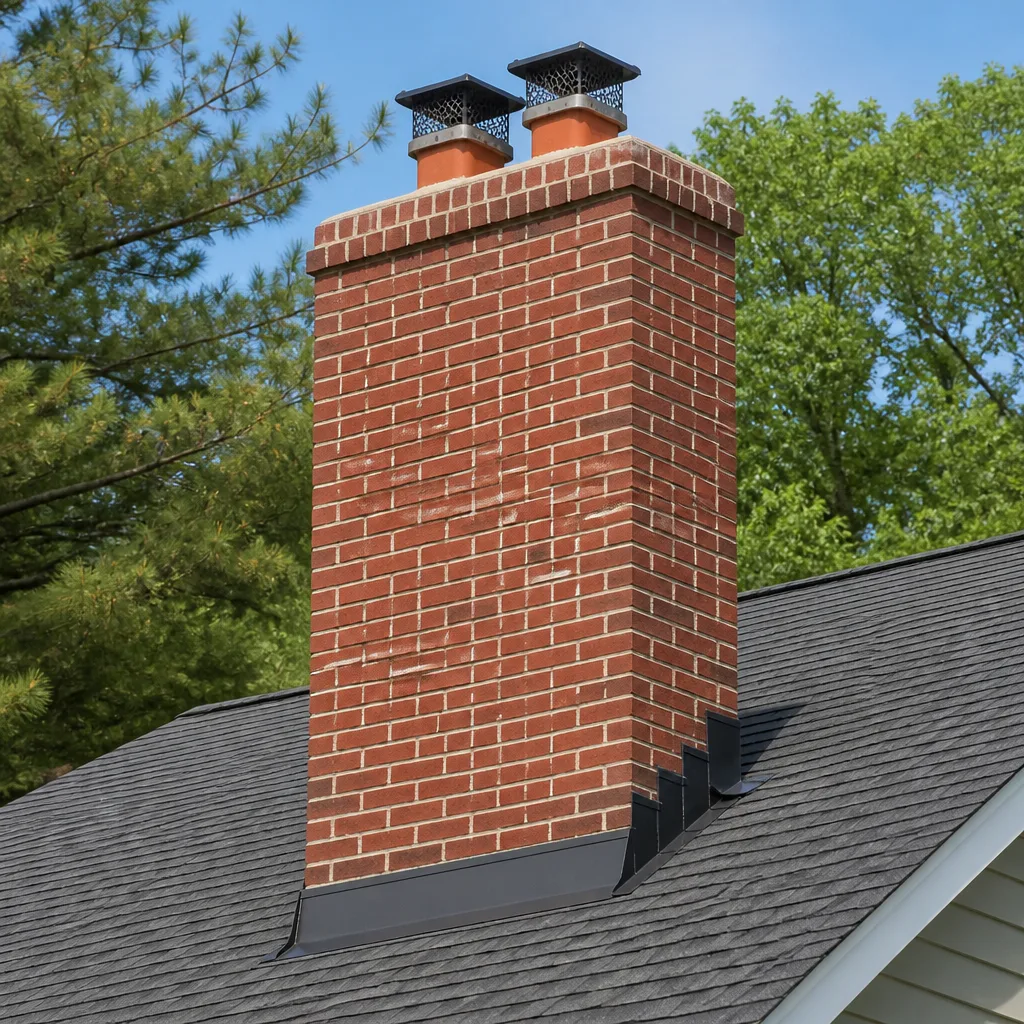 Masonry repair
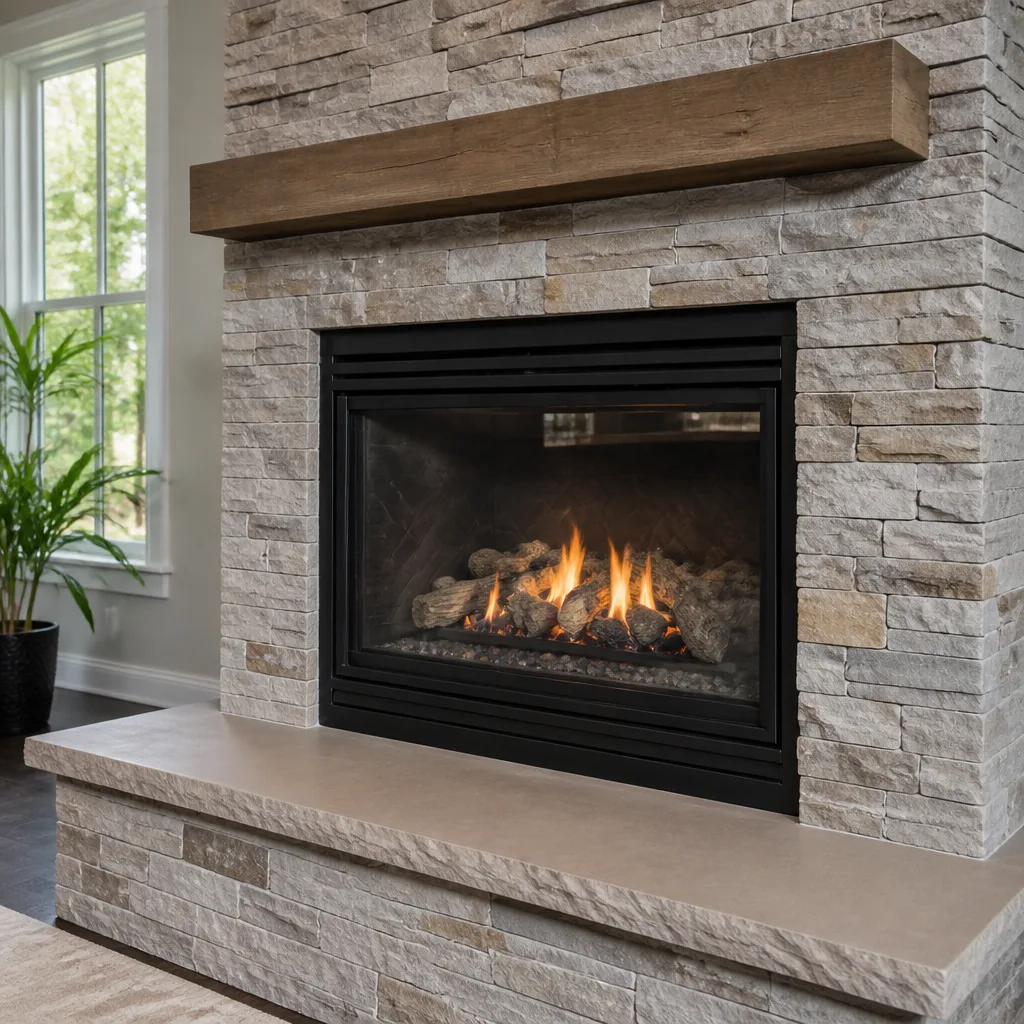 Gas fireplace service
Level 1 sweep and inspection to the NFPA 211 annual standard - flue, crown, cap, and flashing checked and photographed
Chimney sweep logs do not sweep chimneys. They loosen some creosote - which then falls where a brush and vacuum still have to collect it.
Chimney Cleaning Emergency Preparedness Guide for Tempe Homes
Most homeowners think they’ll know a chimney fire when they see one. They picture flames shooting from the top of the flue, or a roar loud enough to wake the house. In our experience, that’s the rare version. A chimney fire in a masonry flue can burn at over 2,000°F, hot enough to crack terra cotta liner tiles, warp a steel damper, and ignite the framing tucked behind the brick, and it can start from a creosote deposit the size of a cereal box with no visible flame in the firebox at all. The homeowners who come through a chimney emergency well are the ones who understood the warning sequence before anything went wrong. This guide walks through how to spot an active chimney fire, what to do in the first sixty seconds, how carbon monoxide events get missed, and what a Tempe home needs ready before help arrives.
Quick Answer
If you suspect a chimney fire in Tempe, close the damper and the firebox doors, get everyone out of the house, and call 911 from outside. Do not pour water into the firebox, and do not use the fireplace again until a Level 2 inspection confirms the flue is structurally sound. Carbon monoxide alarms on every level and a pre-season chimney inspection are the two preparations that prevent most chimney emergencies from becoming a crisis.
Styles & brands we work with
- Sweep & inspection
- Caps & crowns
- Flue relining
- Masonry repair
- Gas fireplace service
Table of Contents
- Why Chimney Emergencies in Tempe Are Predictable, Not Random
- How Do You Recognize an Active Chimney Fire?
- What Should You Do in the First Sixty Seconds?
- Why You Should Never Throw Water on a Chimney Fire
- Carbon Monoxide: The Chimney Emergency Nobody Sees Coming
- What Happens After a Chimney Fire?
- What to Have Ready Before Help Arrives
- How Do You Prevent a Chimney Emergency Before Burning Season?
Why Chimney Emergencies in Tempe Are Predictable, Not Random
Chimney fires and carbon monoxide events don’t strike at random. They follow a buildup, and the buildup is measurable. Creosote accumulates every time a fire burns cool or smolders, and in a Tempe climate where a fireplace may sit unused for eight or nine months, that deposit has a long stretch to harden before anyone lights the first fire of the season. Homeowners who open the damper in November after a summer of no maintenance are the ones most exposed.
Creosote is classified by the CSIA into three stages, and the stages are not equal in risk. Stage 1 is a soot-like film that a routine sweep removes. Stage 2 is a flaky, hardened deposit that still yields to proper cleaning tools. Stage 3 is a glazed, tar-like layer that can’t be brushed away, marks a genuine fire hazard, and makes a mandatory repair rather than a recommendation. That third stage is what a professional chimney sweep is trained to find and identify, and it’s usually found during the annual service, not after a fire.
A blocked or damaged flue creates the second category of emergency: carbon monoxide. A bird’s nest that drops down the flue during nesting season, a cracked liner from a previous overheating event, a gas fireplace venting through a flue that no longer has an intact inner wall, all of these let combustion gases move into the living space instead of up and out. None of them announce themselves.
That’s the theme running through this whole guide: the emergency starts long before the smoke alarm goes off. Preparation is the response. If you want a baseline look at what a professional inspection produces before anything goes wrong, the service overview on the Tempe Chimney Sweep home page is the place to start.
How Do You Recognize an Active Chimney Fire?
You recognize an active chimney fire by sound, smell, and what you can see from outside the house, not only by what’s happening in the firebox. Plenty of chimney fires are quiet and stay inside the flue, which is exactly why they get missed. Run through this sensory checklist in order.
What you hear
- A low rumble or roaring like a freight train or a distant jet, often the first sign and the loudest
- Popping and crackling louder and more continuous than ordinary fire sounds
- A tapping or buzzing that may be the sound of the damper or liner components expanding under heat
What you smell
- A dense, hot creosote smell, sharper and heavier than a normal wood fire
- Smoke odor in rooms where no fire is burning, a sign of backdrafting or a blocked flue
- The acrid smell of something hot and wrong, which can come from burning framing or insulation
What you see
- Flames or sparks visible above the chimney on the roof
- Dense gray or black smoke from the top for an extended period
- A puffy, honeycomb-like creosote texture visible at the damper when you look up into the firebox
- Discolored or dulled metal on the firebox doors and damper, which can be heat damage from a fire already past
If any of these are present in a Tempe home, treat it as an active chimney fire. Some chimneys give no obvious sign beyond a strong smell and the sound. If you’re in doubt, act on the doubt. A false alarm costs you an evening. A missed fire costs you the house.
What Should You Do in the First Sixty Seconds?
If you suspect an active chimney fire, close the damper and firebox doors to cut off the air supply, get everyone out of the house, and call 911 from outside. That sequence is the whole response, and doing it in that order matters more than any improvised measure. These are the numbered steps to follow.
- Close the damper. If a fire is burning, let it burn out on its own – don’t try to add fuel or stir it. Shut the damper and the glass doors if you have them. Cutting off oxygen slows what’s happening inside the flue.
- Evacuate. Get every person and pet out of the house. Move to the street or a neighbor’s porch, not the driveway near the chimney.
- Call 911 from outside. Give the dispatcher your address and tell them explicitly you suspect a chimney fire. That routing matters – it starts the fire response before anyone arrives.
- Don’t re-enter the home. Not for a phone, not for a jacket, not to check the firebox. By the time you’re out, the risk is inside.
- Stay out until the fire department clears the property. They will tell you when the structure is safe. Until then, it isn’t.
One thing to hand to the dispatcher: tell them how many people are in the home and whether anyone has mobility limitations. That’s the single piece of information that changes the response plan. Everything else is the fire department’s job from the moment they arrive.
Why You Should Never Throw Water on a Chimney Fire
Pouring water into a firebox that’s feeding a chimney fire is one of the most dangerous things a homeowner can do. It doesn’t put out the fire, and it can make everything considerably worse. Here’s why.
A masonry or brick flue, or a metal liner that’s already been heated to 2,000°F, can crack or warp when a sudden cold slug of water hits it. Thermal shock at that temperature difference is enough to split terra cotta tiles or buckle a steel liner where nothing was broken before. What was a fire inside a sound flue becomes a fire with a broken barrier, and the adjacent framing is exposed for the first time.
The water also creates steam. A lot of it. The volume of water needed to do anything at all to a chimney fire is far larger than a bucket can deliver, and the steam that comes off expands fast and rises back into the room. A burn from a steam burst is a far more likely outcome than a smothered fire.
The firebox itself is also a live hazard. Throwing water into a firebed that’s still hot can send burning embers flying into a room, and if there’s a gas log set in the box, you’re adding water to a component that’s plumbed to a gas line.
The safe response is to close the damper and the doors, evacuate, and let the fire department handle it. They have the tools, the training, and the authority to make the call about whether a fire is out. Our role on the chimney side is the work that comes after – the inspection and the chimney repair that gets a damaged flue back to a usable condition.
Carbon Monoxide: The Chimney Emergency Nobody Sees Coming
Carbon monoxide is a byproduct of combustion, and a healthy chimney exists specifically to move it out of the house. When the flue is blocked, cracked, or improperly connected, CO comes back into the living space instead. That’s the version of a chimney emergency that produces no smoke, no roar, and no visible flame, and it kills without warning if the detector isn’t there. Tempe homes face three specific scenarios more often than others.
Scenario 1: A gas fireplace on a damaged flue
A gas fireplace vents through the same flue as a wood fire would, and when the inner liner or the metal flue of a gas appliance has cracked, the exhaust comes back into the room. Gas fireplaces are often run for long stretches during a cool month and left on overnight, which is exactly when a small CO leak becomes a serious event.
Scenario 2: A bird or mammal nest blocking the flue
Desert wildlife finds uncapped chimneys convenient. One nest in the flue narrows the pathway like a partial blockage, and a narrowed flue drafts poorly. Poor draft means the appliance backdrafts into the room under certain wind or temperature conditions, usually quietly, often at night.
Scenario 3: A cracked or deteriorated liner
A liner damaged by an earlier event, or one degraded after many seasons of use, loses the integrity that keeps exhaust gas on the inside of the chimney. A deteriorated flue isn’t always obvious from the firebox.
Where the detectors belong
Put a CO alarm on every level of the home, including the basement if there is one and the floor with the sleeping areas. Place one outside each sleeping area so it wakes people up, not that it’s in the same room. Install one in the room with the fireplace or the gas appliance, so a leak is caught at the source. Test every alarm’s battery at the start of burning season, and replace any alarm that’s reached the end of the manufacturer’s service life printed on it. CO alarms are not a substitute for an inspection – they’re the last line of defense if the flue fails, and the inspection is what keeps the flue from failing quietly.
What Happens After a Chimney Fire?
After any chimney fire, the fireplace cannot be used again until a Level 2 inspection is completed and documented. That’s the rule, and it exists because a chimney fire can leave the flue looking normal from the firebox while the inside of the liner has cracked, warped, or separated from the masonry. A contractor giving a visual once-over from the floor isn’t enough. A Level 2 inspection uses a camera to look at the interior surfaces of the flue, and it should produce a written report that documents what was found.
That documentation isn’t paperwork for its own sake. It’s what tells you whether the flue is safe to use, what needs repair now, and what can be monitored over the next year. It’s also the record an insurer will ask for, and it’s the baseline against which the next inspection gets compared.
What repairs look like depends entirely on what the inspection finds.
- Hairline cracks in a masonry flue: Often resurfacing is an option. HeatShield resurfacing bonds to the existing masonry to restore structural integrity without requiring a full liner replacement, which is the repair most basic sweep companies can’t offer because they don’t carry the material or the training.
- A cracked or separated liner: A relining job is usually the answer, and a flexible DuraFlex liner is one of the systems we work with for partial or full relining. This is the tier of repair that goes past cleaning into structural restoration.
- Damaged damper, cap, or crown: Replaced or rebuilt. A damaged chimney cap, in particular, should be resolved before the flue is put back in service, or the next storm or nesting season reintroduces the risk.
Every repair we quote comes from a documented inspection, not a sales pitch. If the answer is that a repair can safely wait, you’ll hear that too, because a homeowner with a written report and a photo record can make the decision without pressure.
What to Have Ready Before Help Arrives
What you have ready when the fire department or a chimney professional arrives speeds up the diagnosis and the repair. Most of it lives in a folder or a note on your phone, and putting it together takes an hour. These are the five things to gather.
- Clear access to the firebox and the damper. Be able to move furniture, a screen, a grate, or a set of tools out of the way quickly. The professional needs to see the damper, the firebox, and the flue opening without moving a sofa first.
- Appliance information. The make and model of the fireplace insert, wood stove, or gas log set, if there is one. That model number tells a technician what standards apply to that installation and what components are compatible.
- Your last inspection record. The date of the last inspection and the name of the company that did it. If there’s a written report, have it in hand – a good report on the flue from a previous visit tells the technician what the baseline was.
- A recent sweep record if you have one. When the chimney was last cleaned, and who cleaned it. This helps confirm whether the creosote load was recently addressed.
- The chimney’s visible history. Note any previous fire, water intrusion, damaged cap, or repair. The visible history isn’t always in a document, and this is the one piece of information only you can supply.
If you don’t have any of these, that’s fine. It doesn’t delay anything. A chimney professional will establish a baseline from scratch with an inspection. But the homeowner who has the folder on the counter gets a clearer, faster conversation about what happened and what to do next.
How Do You Prevent a Chimney Emergency Before Burning Season?
You prevent a chimney emergency by controlling creosote buildup and catching flue damage before it turns into a carbon monoxide event. Both of those happen in a pre-season appointment, and both are much cheaper and simpler than any post-fire cleanup. In a Tempe climate, the pre-season part of the year is fall, before the first cool nights invite a fire and before the first holiday gathering brings the fireplace back into use.
A sweep and an inspection do different jobs, and you need both.
- A sweep removes creosote and any obstruction. It’s the cleaning.
- An inspection is the diagnostic. It tells you what condition the flue is in, what’s safe to use, what needs repair now, and what can be monitored.
A sweep without an inspection tells you nothing about the liner, the damper, or the crown. An inspection without a sweep leaves a creosote load in place. Both together, once a year, is what keeps a fire in the fireplace.
What to prepare for a pre-season visit:
- Pick a date before the first fire of the season. Not the weekend the first freeze forces the fireplace on.
- Clear the area around the firebox in advance. A hearth free of a basket, a screen, and a set of tools speeds up the visit.
- Have the past year’s use in mind. How many fires, what wood was burned, whether any repairs happened since the last visit, and whether the flue has been unused for a season or more.
- Ask before the visit whether the appointment includes an inspection with documentation, not just a sweep.
We work with professional-grade components from Gelco, Olympia Chimney, Famco, and Copperfield for caps and accessories, and with HeatShield and DuraFlex for repair work, because the parts that go on and in a chimney are not interchangeable. A generic cap from a hardware store is a different product than a cap specified for your flue size and appliance. A sweep that only cleans doesn’t have access to any of that. If an inspection turns up damage, we can quote the repair in the same visit, and that’s the difference between an annual service and a real chimney relationship.
Common Mistakes to Avoid
- Assuming no flames means no chimney fire. A slow, quiet chimney fire is more common than a dramatic one, and it can run inside the flue and go out without ever showing visible flame. If the sound and smell check out, treat it as active.
- Pouring water down the flue or into the firebox. Thermal shock on a hot liner or terra cotta tile can crack a flue that was intact, and the steam that comes back up into the room is a burn hazard. Close the damper, evacuate, call 911.
- Using the fireplace again before a Level 2 inspection. The firebox can look normal while the flue inside has cracked. Using the fireplace before that inspection has been completed and documented is how a chimney fire becomes a second one.
- Skipping the inspection because the sweep came out clean. A sweep doesn’t check the liner, the damper, the crown, or the cap. An inspection is the only thing that shows you what condition the flue is actually in.
- Going without CO alarms on every level. In a Tempe home with a gas fireplace or a flue blocked by a bird nest, CO is the emergency that produces no smoke. A detector on the sleeping level is the only thing that catches it.
- Burning cool, smoldering fires with unseasoned wood. That’s what builds Stage 2 and Stage 3 creosote fastest. Hotter, cleaner fires with dry wood build less, and the fire burns more efficiently.
- Leaving the chimney uncapped through nesting season. A bird nest in the flue is a blockage waiting for the first fire of the season. A cap from Gelco, Famco, or Olympia Chimney is the fix, spec’d for your flue.
See the difference
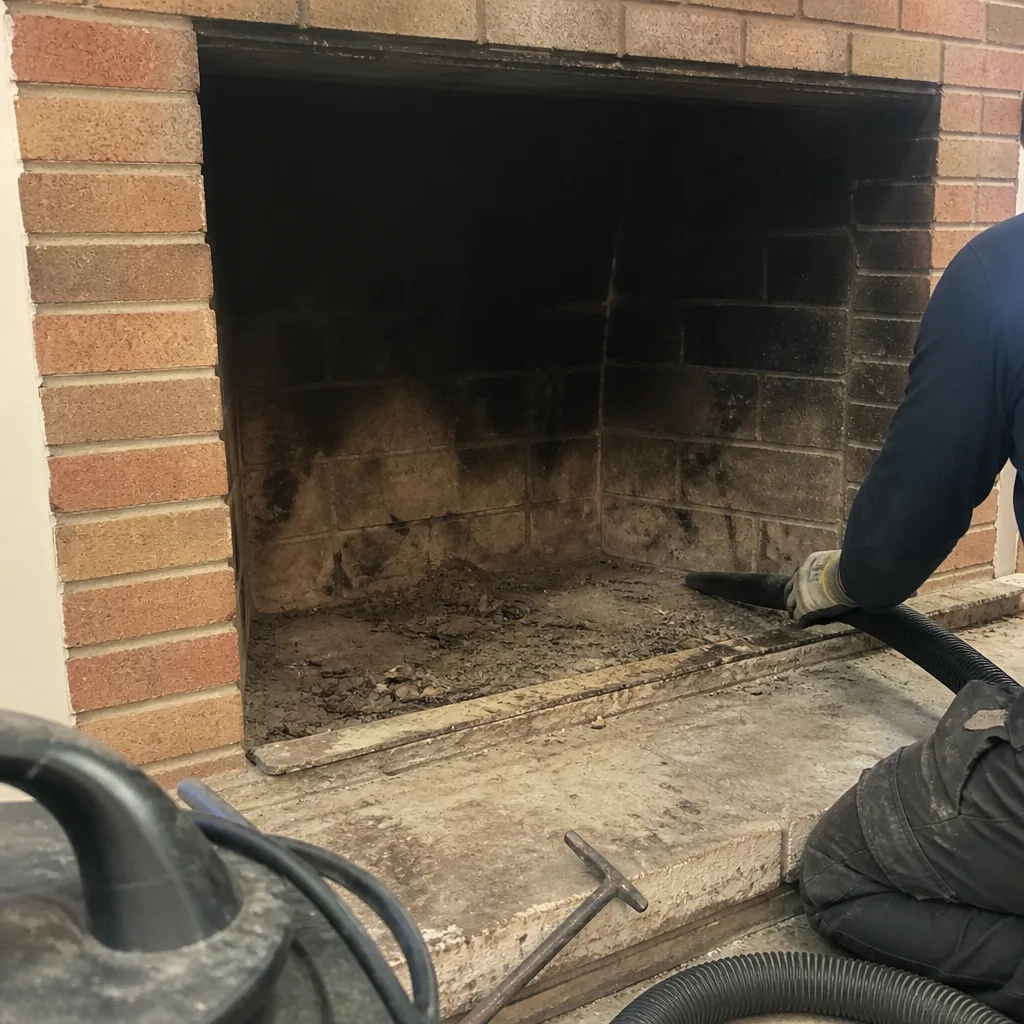 Before
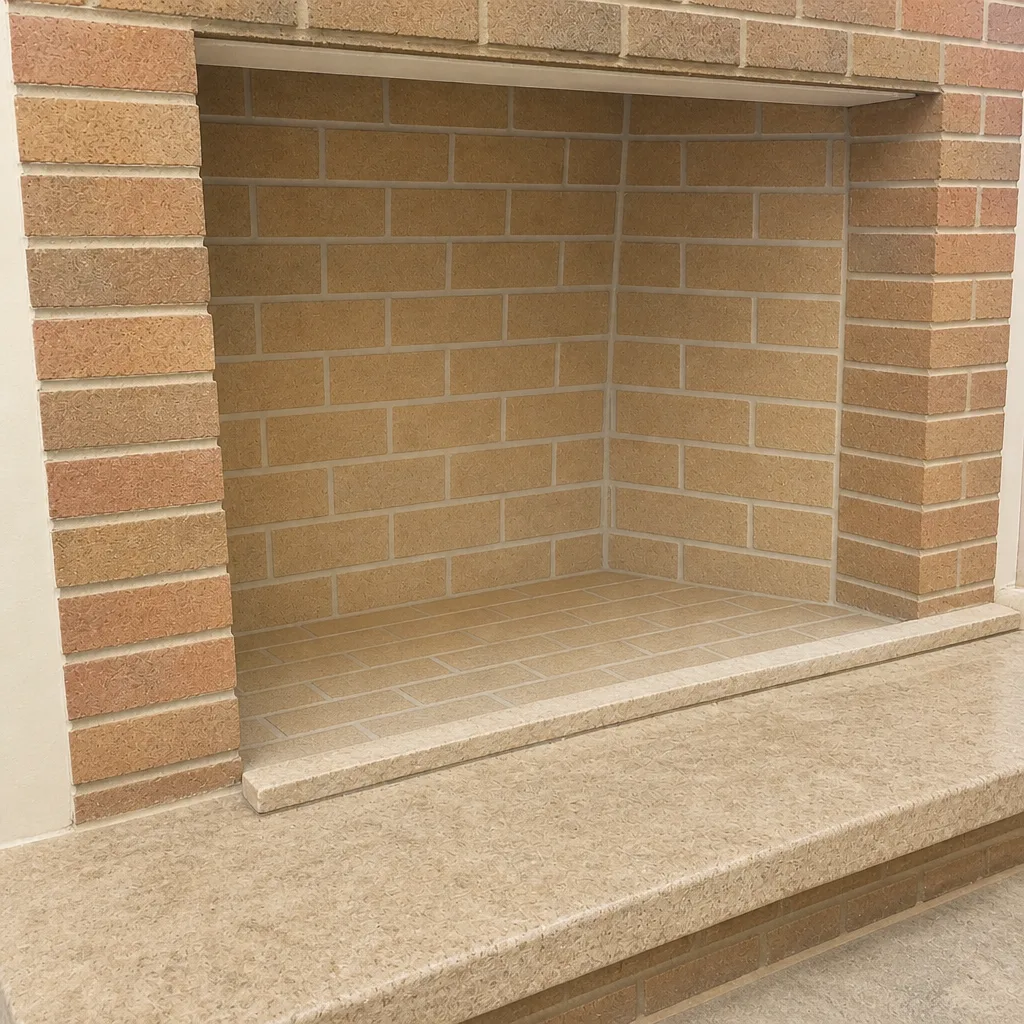 After
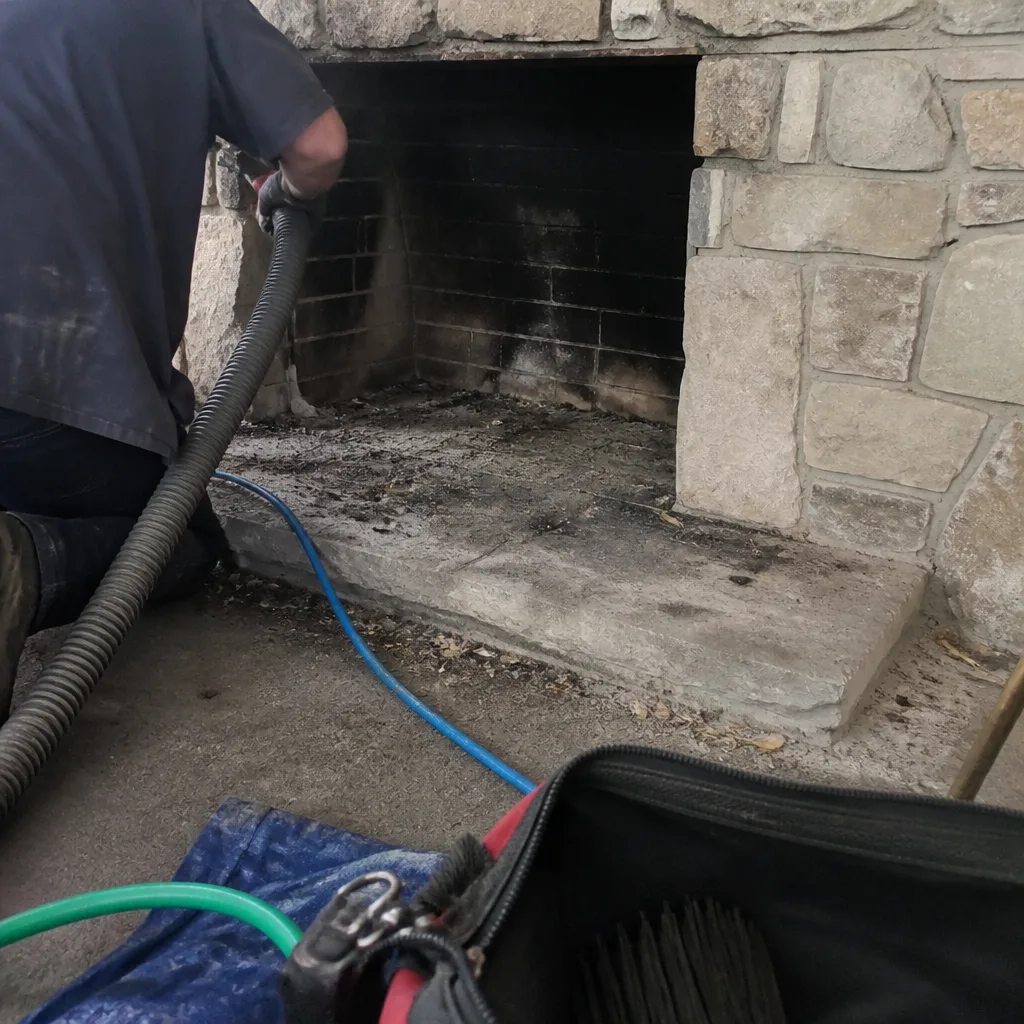 Before
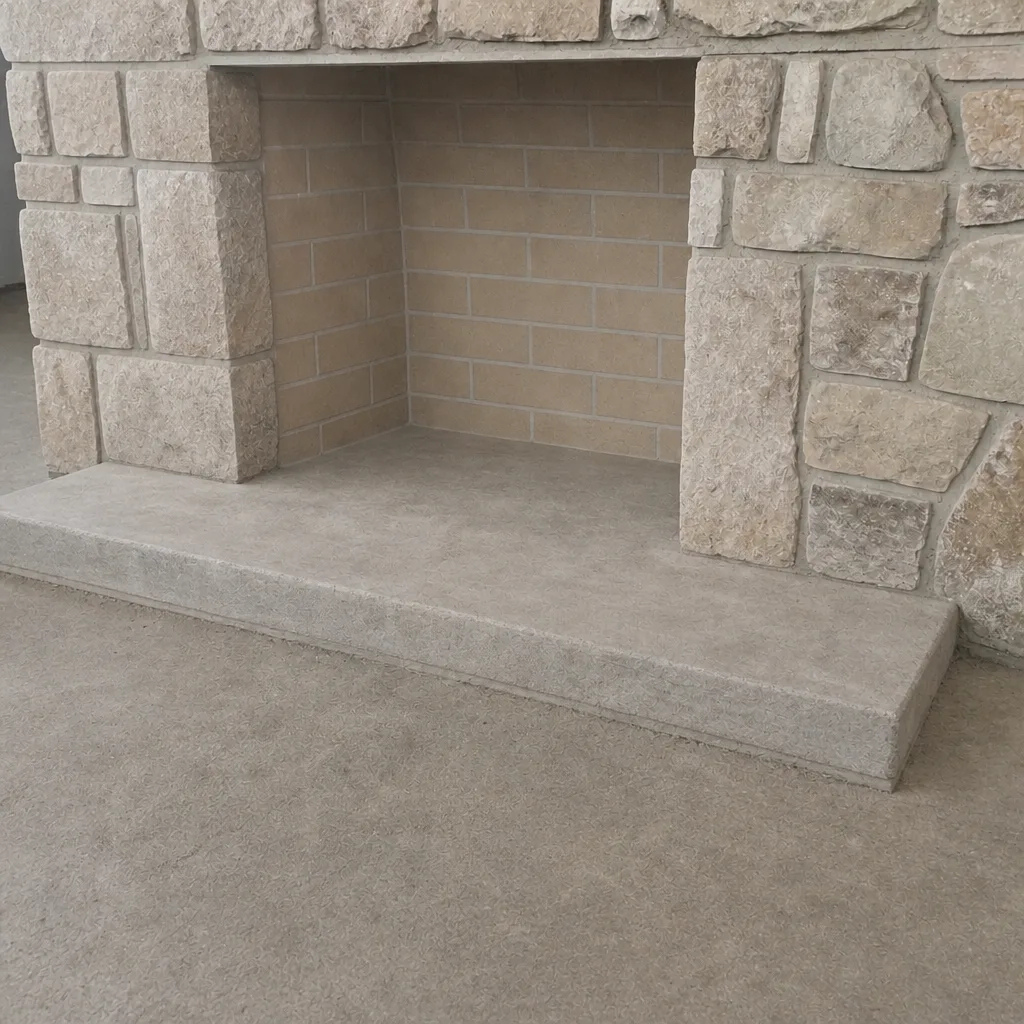 After
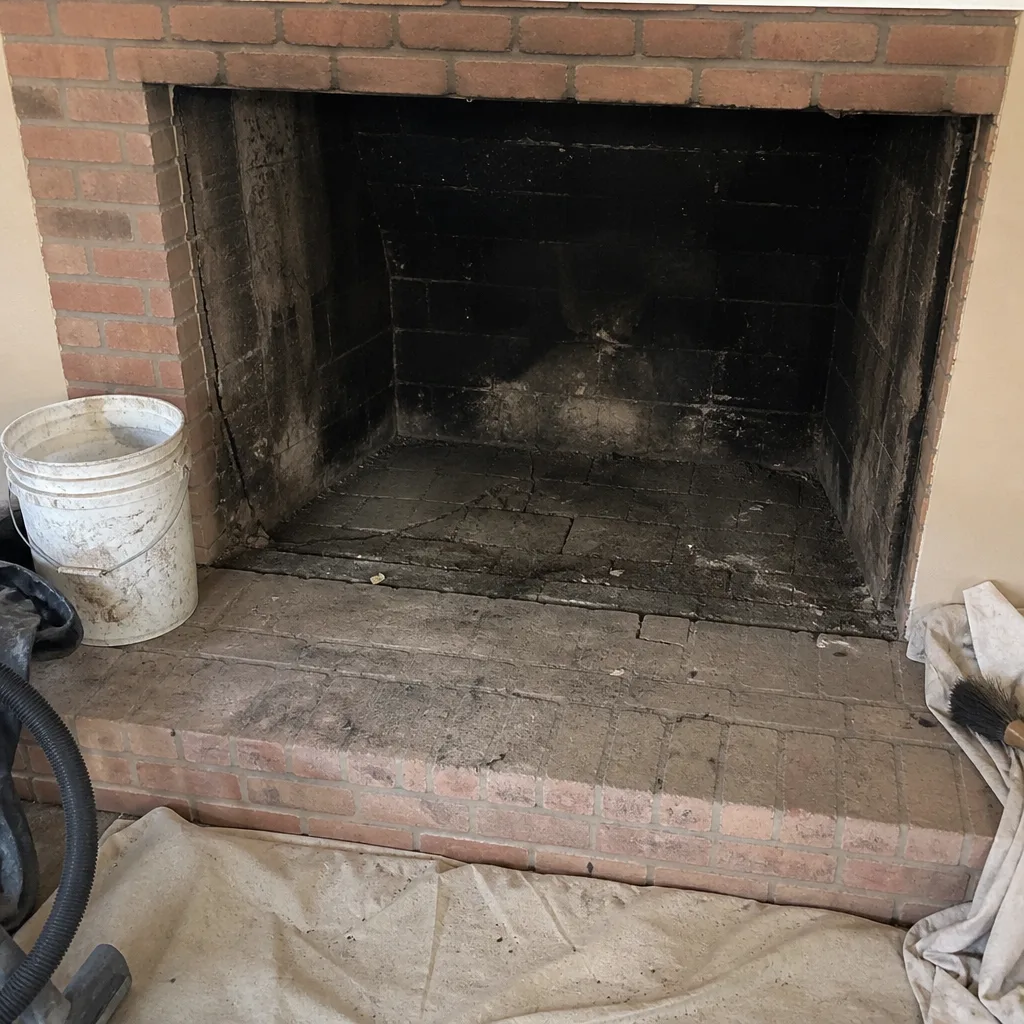 Before
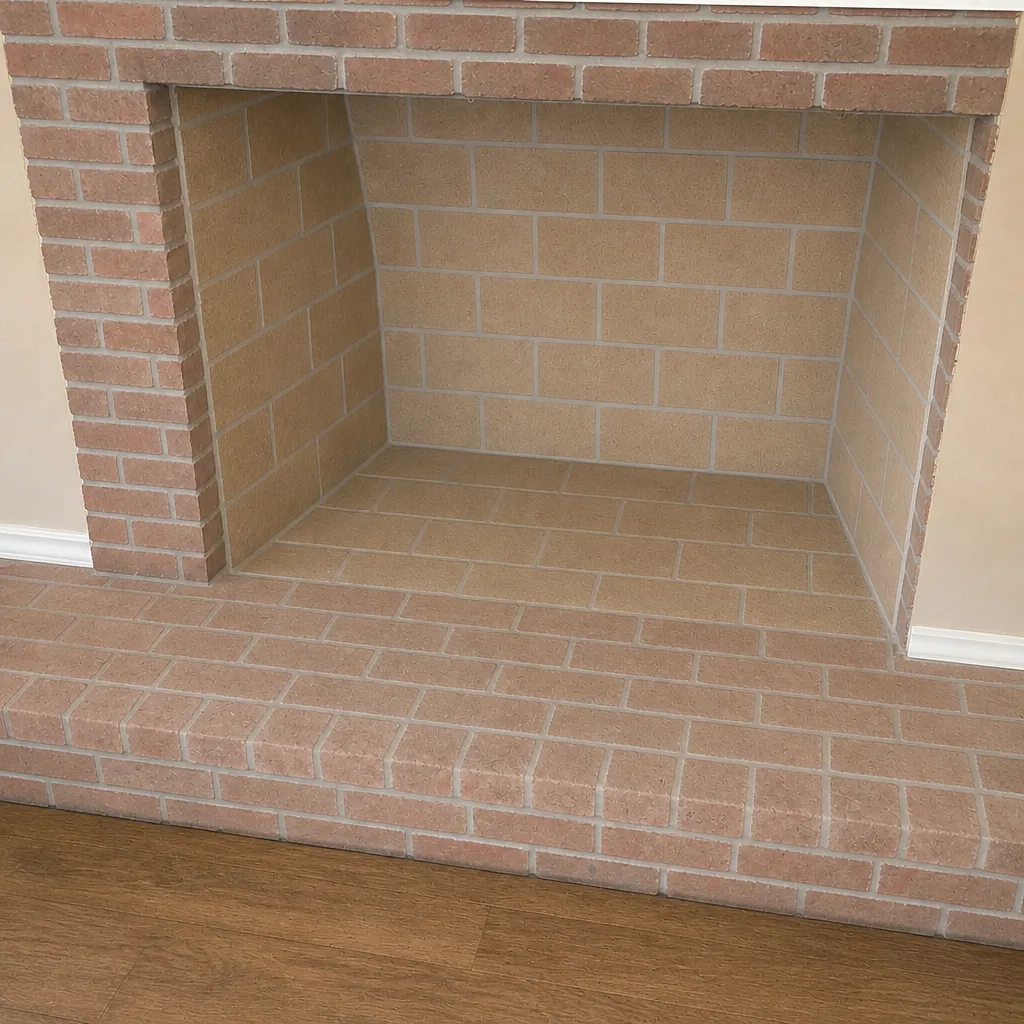 After
When to Call a Professional
Call us after any chimney fire, before the second use of the fireplace, and any time you smell hot creosote or hear unusual roaring from the flue. Call if your CO alarm has ever triggered near the fireplace or gas appliance, even briefly. Call if the firebox has a strong creosote smell, if smoke rolls back into the room instead of going up the flue, or if the damper or doors show heat discoloration. Call if the chimney has never been inspected and the fireplace has been in use for more than a season, and call before your first fire of the fall so a sweep and inspection are done before disaster has a chance to start. Tempe Chimney Sweep offers free estimates in Tempe – call (866) 827-7102. We answer 24/7, with fast dispatch from 7am to 7pm, Sunday through Friday.
Frequently Asked Questions
Close the damper and the firebox doors, get everyone out of the house, and call 911 from outside. Do not pour water into the firebox, and do not go back inside for any reason until the fire department clears the property. Once the fire is out, the fireplace stays off until a Level 2 inspection is completed and documented – call (866) 827-7102 to schedule that inspection and get a written report before you use the fireplace again.
Sometimes, but you can’t count on it and you shouldn’t wait to find out. A small creosote fire can burn itself out when the fuel is exhausted, but a chimney fire that’s reached the lining or the framing behind it is not going to extinguish quietly. Treat the situation as active until the fire department tells you it’s out. Call (866) 827-7102 after the fire department clears the home to get the inspection scheduled – estimates are free.
Because the water doesn’t reach the fire and it can crack the flue. A sudden cold slug of water on a liner or terra cotta tile heated to 2,000°F can split the material through thermal shock, and the volume of steam that comes back up into the room is a serious burn hazard. The damper closed, everyone out, and 911 called is the whole correct response. Call (866) 827-7102 once the fire is out to schedule the inspection the fireplace needs before its next use.
You know through a working CO alarm, not through how the fireplace looks or smells. Carbon monoxide is odorless and invisible, and a cracked liner or a bird nest in the flue is not visible from the firebox. Put an alarm on every level and outside every sleeping area, and test them each fall. If an alarm triggers near the fireplace, get everyone out and call 911 first – then call (866) 827-7102 to get the flue inspected before it’s used again.
Yes, and the size of the fire doesn’t change the requirement. A Level 2 inspection with camera access is the only way to see whether the liner cracked, the damper warped, or the masonry separated behind the firebox, and the firebox can look normal while those defects are present. Any use of the fireplace before that inspection and its written documentation is a risk you don’t need to take. Call (866) 827-7102 – free estimates and a documented condition assessment.
Pricing is set per job by a written estimate after we know the chimney type, the appliance, and whether a sweep is also needed, so we don’t quote over the phone. What you get is a condition assessment with documentation that shows what’s safe, what needs repair now, and what can be monitored. Call (866) 827-7102 for an exact quote – estimates are free.
The Bottom Line
Chimney emergencies in Tempe are not the sudden, unavoidable events most homeowners imagine. They begin with a creosote load that built up over a season of use, a bird nest in an uncapped flue, or a liner crack that went unexamined. The response that saves a house is not improvised in the moment. It’s the sequence you already know – close the damper, get out, call 911 – and the preparation you did beforehand: CO alarms on every level, a pre-season sweep and inspection, and a documented report that tells you what’s safe, what needs repair, and what can wait. The sweep is the cleaning. The inspection is the diagnostic. Repair work, when it’s needed, comes from that documented assessment. That’s the arc of a chimney that stays safe for the long run.
Written by the team at Tempe Chimney Sweep.