
Last updated November 15, 2026
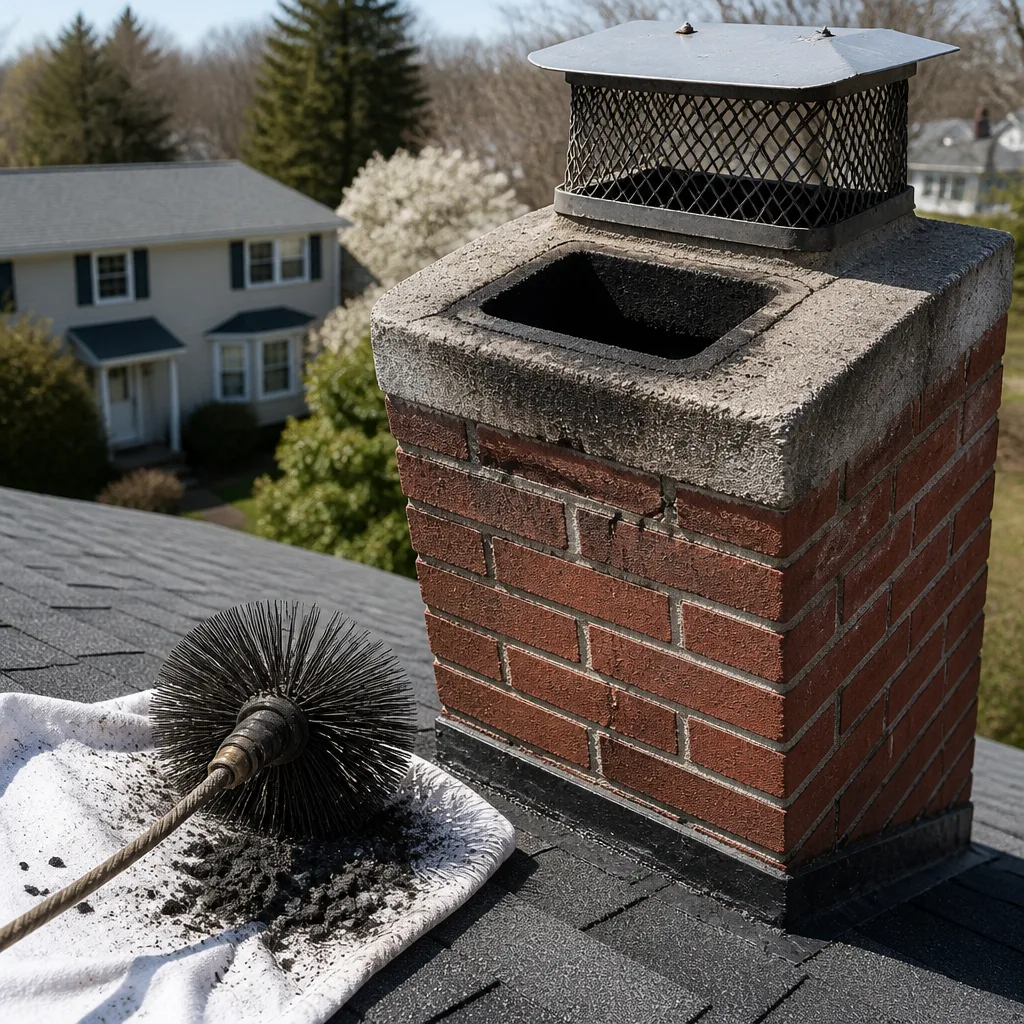 Sweep & inspection
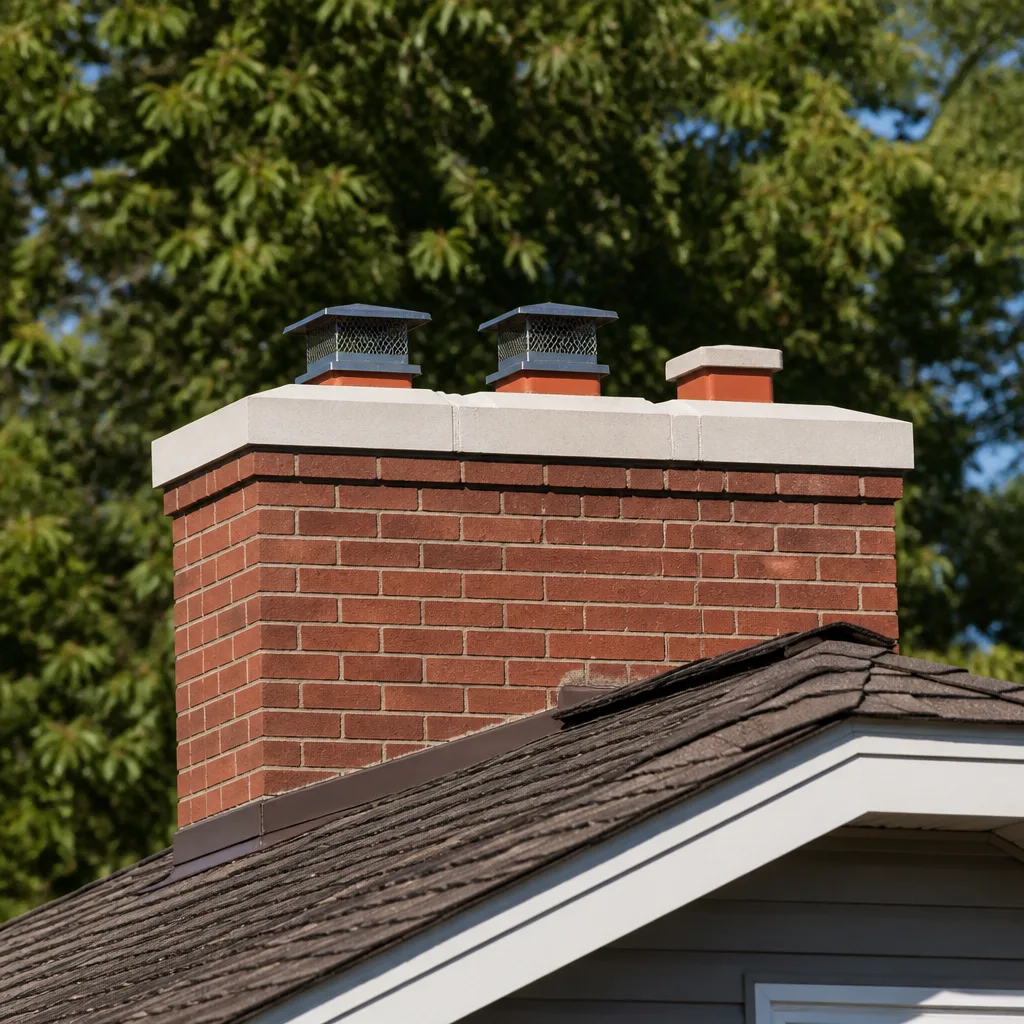 Caps & crowns
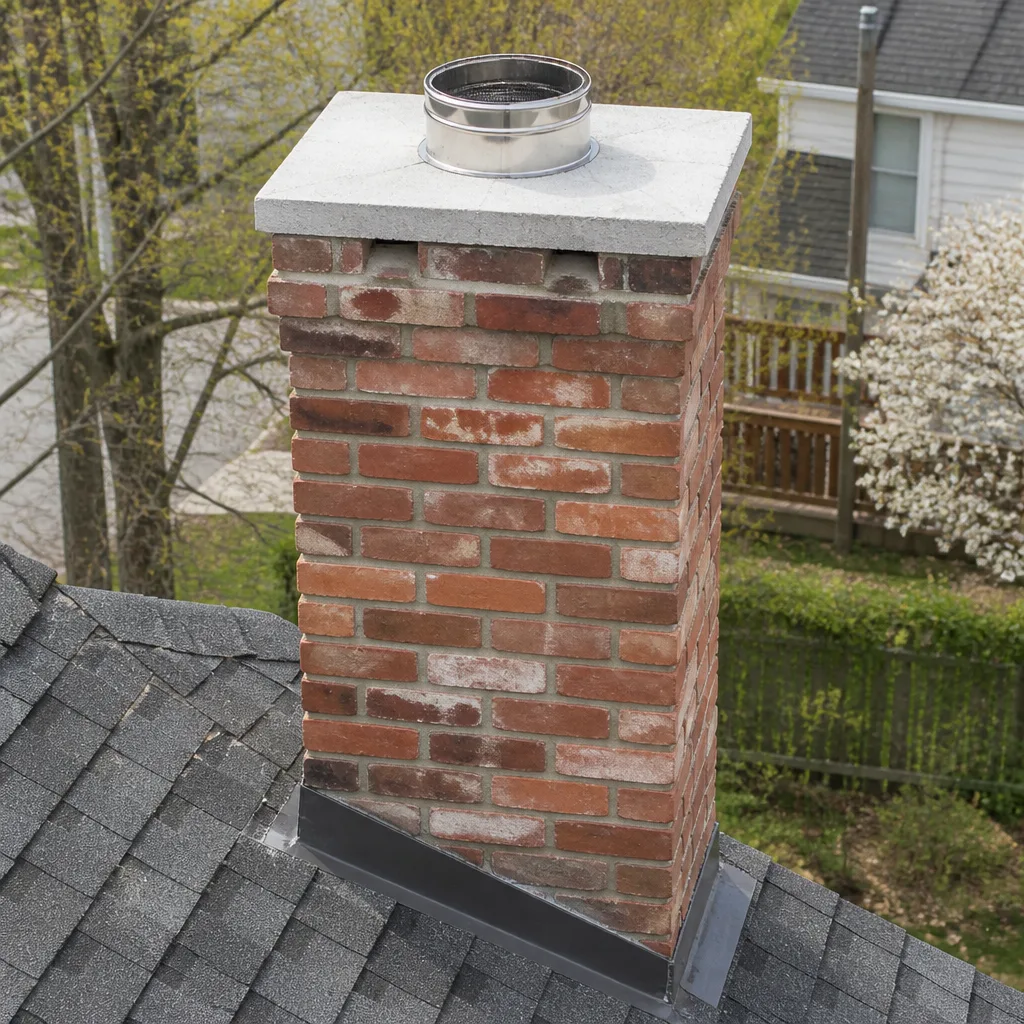 Flue relining
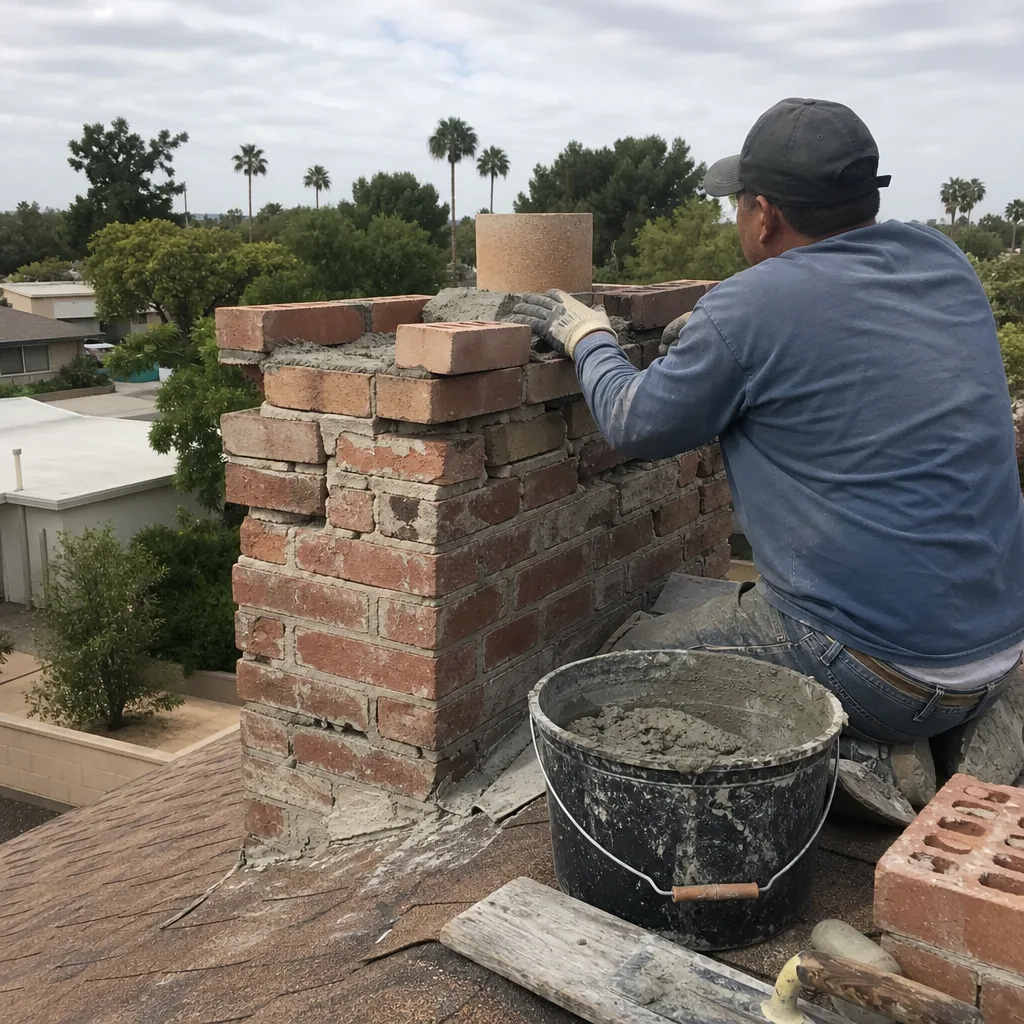
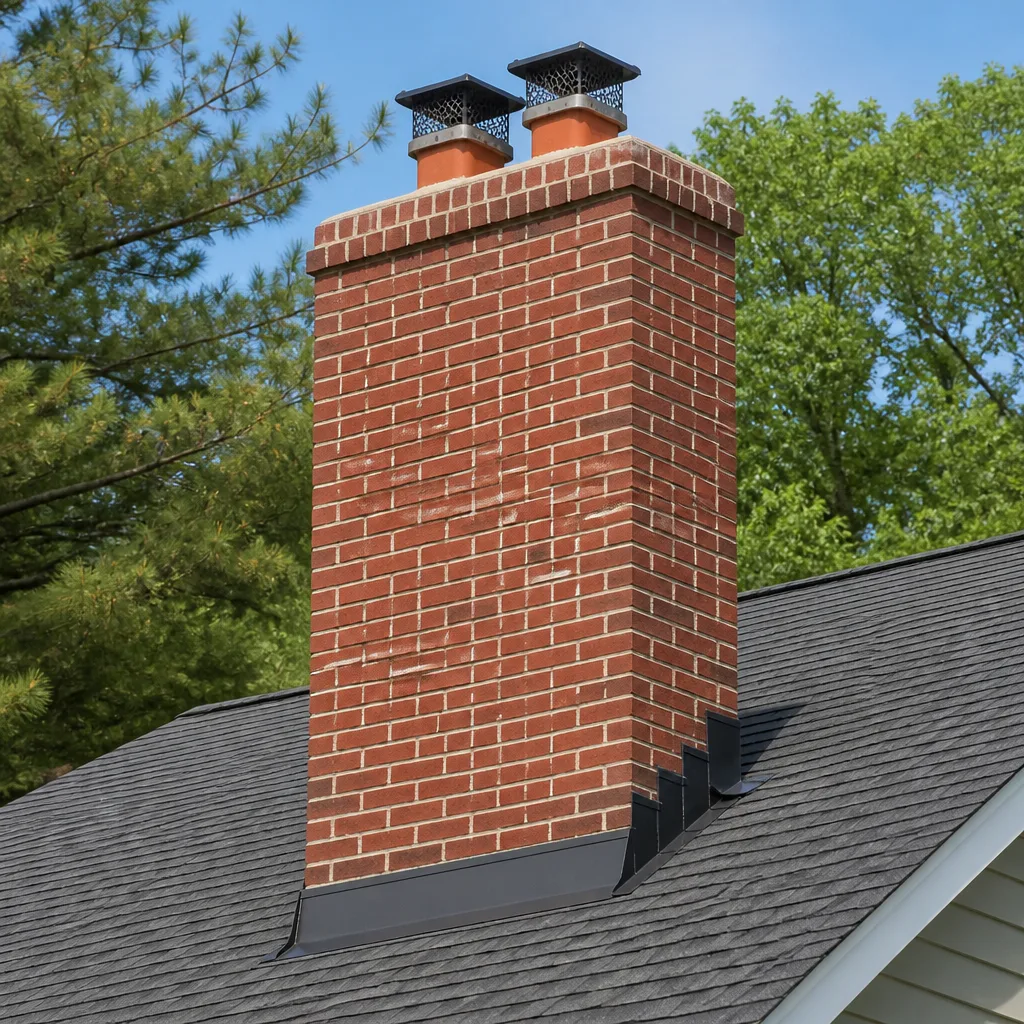 Masonry repair
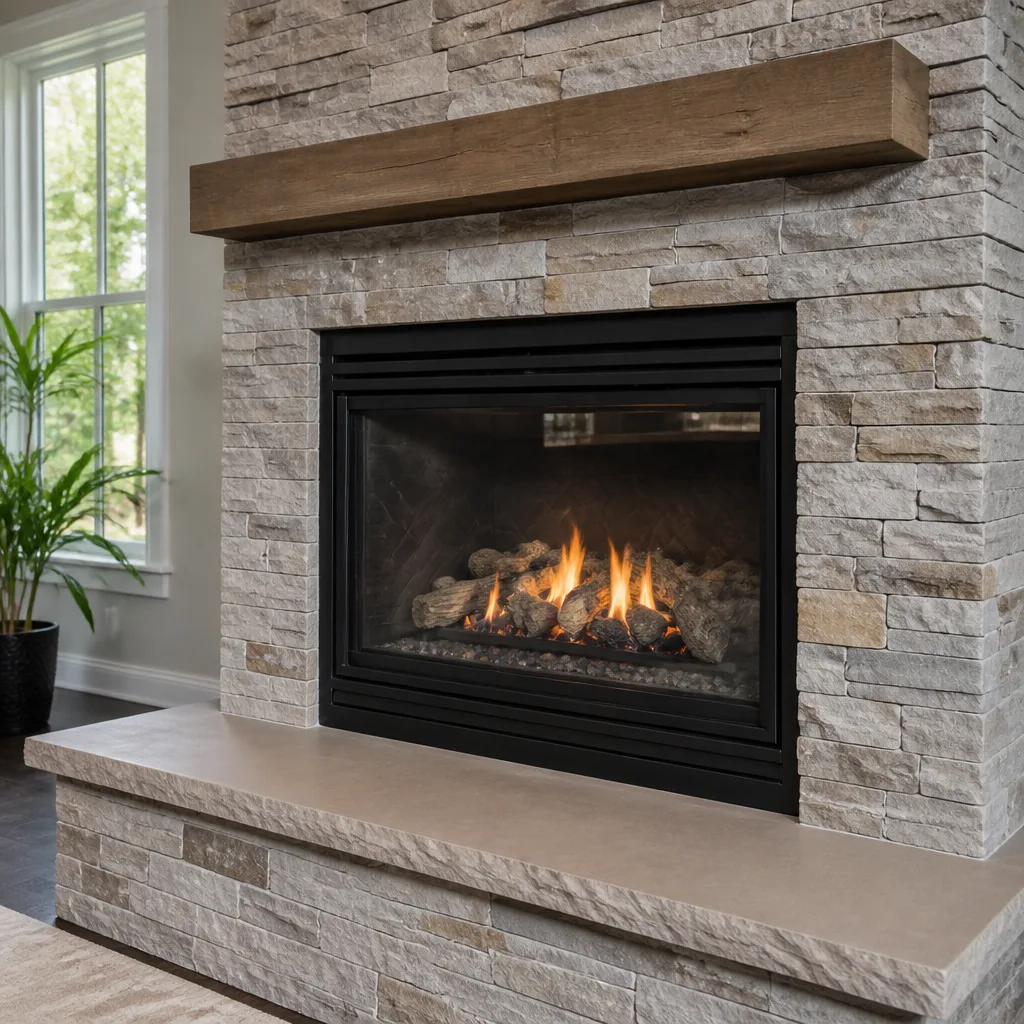 Gas fireplace service
Level 1 sweep and inspection to the NFPA 211 annual standard - flue, crown, cap, and flashing checked and photographed
Chimney sweep logs do not sweep chimneys. They loosen some creosote - which then falls where a brush and vacuum still have to collect it.
Chimney Cleaning Permits, Codes & Inspections in Tempe, AZ: What You Need to Know
If a chimney company tells you a full liner replacement “doesn’t need a permit,” that’s not reassurance. It’s a liability transfer. In Tempe, the cleaning itself rarely requires paperwork, but the repairs a cleaning uncovers often do, and an unpermitted liner job can become grounds for an insurance claim denial after a chimney fire. Homeowners tend to worry about the wrong thing: they ask whether sweeping is legal, when the real exposure sits in the structural work behind the flue. This guide maps where the permit line actually falls in Tempe, which codes apply, how Maricopa County air rules shape what you can burn, and how a municipal inspection differs from an industry one.
Quick Answer
Chimney sweeping in Tempe does not require a permit. Chimney repair work that changes the structure or venting of the system, including relining, crown rebuilding, firebox reconstruction, and any alteration to the flue or vent connector, generally does require a permit under Tempe’s adopted building and mechanical codes. An NFPA 211 inspection is an industry condition assessment, not a municipal permit inspection, and a homeowner who just bought a home may need both.
Styles & brands we work with
- Sweep & inspection
- Caps & crowns
- Flue relining
- Masonry repair
- Gas fireplace service
Table of Contents
- Where Does the Permit Line Sit for Chimney Work in Tempe?
- Which Codes Does Tempe Adopt for Chimneys and Vents?
- How Do Maricopa County Air Quality Rules Affect Wood Burning in Tempe?
- What’s the Difference Between a Code Inspection and an NFPA 211 Inspection?
- What Does a Chimney Repair Permit Cost in Tempe, and How Long Does It Take?
- How Does Insurance Treat Unpermitted Chimney Work?
- How Does the Permit and Repair Process Actually Work?
- What Should a Tempe Homeowner Check Before Hiring?
Where Does the Permit Line Sit for Chimney Work in Tempe?
The clean split is between maintenance and construction. Sweeping removes creosote and soot. It doesn’t change how your chimney is built, so no permit applies. The moment work alters the venting system’s structure, you cross into permitted territory.
In our experience, homeowners are surprised by how much falls on the construction side of that line. Relining a flue is construction. Rebuilding a cracked crown is construction. Cutting into a wall to access a flue is construction. Even swapping a factory-built fireplace for a different unit triggers a permit, because the venting clearances and listing change with it.
Here’s the general breakdown of what typically does and doesn’t need a permit. Always confirm with Tempe’s building department, since the final call belongs to the code official, not to us or to any contractor.
- No permit usually required: routine sweeping, creosote removal, cap replacement where no structural change occurs, and a visual condition inspection.
- Permit usually required: full or partial flue relining, crown rebuilding, firebox or smoke chamber reconstruction, masonry repair that affects structural integrity, and replacement of a fireplace insert or stove.
- Permit and inspection required: any new chimney, any change to flue height, and any work that alters clearances to combustibles.
This is the single most important distinction for a Tempe homeowner to internalize, because it decides who is responsible if something goes wrong later. A sweep can be done by almost anyone with a brush. Structural chimney work should be done by a specialist who pulls permits as standard practice. If you want the cleaning side handled by a team that also understands the repair side, our chimney sweep service is built to connect the two.
Which Codes Does Tempe Adopt for Chimneys and Vents?
Tempe, like most Arizona municipalities, adopts the International Residential Code (IRC) and the International Mechanical Code (IMC) as the technical backbone of its building regulations. The IRC covers chimney and vent construction for one- and two-family homes. The IMC covers mechanical venting, including the vent connectors and appliance flues.
What matters to a homeowner is not the section numbers but the practical requirements they carry. Here’s what those adopted codes drive in real terms:
- Materials and clearances: A flue must be lined with an approved material, and the clearance between the chimney and combustible framing must meet the code minimum. In older Tempe homes, especially those built before modern lining standards, this is where hidden problems live.
- Liner continuity: The flue liner must run continuous and be sized for the appliance. A clay tile liner with a failed joint is a code problem even if the chimney looks fine from the ground.
- Crown and cap: The code expects a crown that sheds water and a cap or spark arrestor that keeps out weather and animals. A missing cap is a slow structural problem, not a cosmetic one.
- Appliance venting: A wood stove or insert must be listed and installed per its listing and the code, including clearances and the vent connector.
The practical takeaway is that “the code” doesn’t care how a Tempe chimney looked five years ago. It cares about what’s there now and whether it can be documented. Our technicians have up to 9 years of experience reading exactly that gap between what a chimney was built to and what condition it’s in. That’s why a chimney repair based on a documented assessment is different from one based on a guess. Recent buyers in neighborhoods like Maple-Ash or the older blocks near downtown Tempe often inherit chimneys that predate current standards, and the code question is less “is it legal” than “what needs to be brought up to standard.”
How Do Maricopa County Air Quality Rules Affect Wood Burning in Tempe?
Maricopa County enforces air quality rules that directly shape whether you can burn wood on a given day. Rule 310 is the county’s rule governing open burning and residential wood burning, and it applies to Tempe like the rest of the county. On declared no-burn days, wood burning is restricted, and an older uncertified fireplace or stove can be the reason a homeowner is caught out.
What this means for you in plain terms:
- No-burn days are real and enforceable: The county can issue restrictions on residential burning when air quality is forecast to be poor. A certified device or an exemption may change what applies to you, but you need to know your device’s status.
- Older uncertified fireplaces face more restrictions: If your Tempe home has an older open fireplace with no certification, your burning options are narrower on restriction days. That’s a reason to know what you have before you rely on it in winter.
- Sweeping and inspection still matter on no-burn days: Air quality rules don’t stop you from having the chimney cleaned or inspected. Maintenance is always allowed; burning is the regulated activity.
- Check before you burn: The county publishes burn-day status, and it’s worth checking before lighting a fire on a marginal day. This is a habit, not a permit.
There’s a good side effect to all this. A clean, well-lined chimney burns more efficiently and produces less smoke, which is better for everyone’s air and for your neighbors. Tempe winters are mild, so a fireplace is a comfort feature, not a heating necessity, but that mild climate means chimneys can sit idle for long stretches between uses. Idle chimneys collect debris and moisture. That’s one reason an annual check still earns its keep here.
What’s the Difference Between a Code Inspection and an NFPA 211 Inspection?
These are two different inspections with two different purposes, and a homeowner who just bought a home may need both. A municipal code inspection is the city’s check that permitted work meets the adopted code. An NFPA 211 inspection is an industry-standard condition assessment of your chimney, vent, and connected appliances, done to the standard set by the National Fire Protection Association. One is about compliance with a permit. The other is about the health of the system.
Here’s how to think about each:
- The municipal code inspection happens when a permit was pulled. A city inspector confirms the work matches the approved plan and the code. If no permit was pulled, this inspection doesn’t exist for that job.
- The NFPA 211 inspection happens on the homeowner’s request, independent of any permit. It grades the system’s condition and produces a documented assessment of what’s safe, what needs repair now, and what can be monitored.
- The post-purchase inspection is an NFPA 211 inspection by another name, aimed at a buyer or new owner who has no history with the chimney. It’s how you learn what the previous owner never told you.
- The pre-burn inspection is the annual check before the first fire of the season. It combines a visual look with a cleaning if needed.
The reason the distinction matters: a city inspection won’t tell you your flue liner has a cracked joint unless that work was permitted and inspected. An NFPA 211 inspection will. Our inspection service is built to produce that documented condition assessment, so you know exactly where you stand rather than relying on a verbal “looks fine.” For a Tempe home with an unknown chimney history, that’s the more useful document of the two, and it’s the one that tells you whether you’re facing repair or just maintenance.
What Does a Chimney Repair Permit Cost in Tempe, and How Long Does It Take?
We won’t quote a permit fee here because it varies by scope and by the city’s current fee schedule, and a number we invent wouldn’t help you. What we can tell you is how permits actually work in practice, which is what homeowners really want to know.
- Permit fees are set by the city, not the contractor: The fee depends on the type and valuation of the work. A relining permit and a crown-rebuild permit don’t cost the same. The building department sets the schedule; a legitimate contractor passes it through or includes it in the written estimate.
- The permit process adds time: Expect the permit application, review, and inspection to extend the calendar beyond the days the crew is on site. For a straightforward repair, that’s usually measured in days, not months, but it’s real and should be planned for.
- A written estimate should show the permit line: If a bid doesn’t mention permits at all for structural work, ask why. The answer tells you a lot about the contractor.
- The permit protects you, not the contractor: A permitted job gets a city inspection. An unpermitted one gets nothing but the contractor’s word.
The pattern we see is that homeowners fixate on the permit cost and ignore the insurance exposure. The permit fee is small next to the downside of an unpermitted repair that later becomes evidence against you. That’s the trade: a modest, known fee now against an open-ended risk later.
How Does Insurance Treat Unpermitted Chimney Work?
This is the section that changes how people think about permits. Most homeowner policies contain language that can exclude or limit coverage for work done without required permits, and chimney repairs sit squarely in that clause. The insurer’s question after a fire isn’t only “what happened” but “was the work that’s implicated done to code and permitted.”
Here’s how the exposure usually works:
- Unpermitted structural work can be read as a policy violation: If a relining or firebox repair required a permit and didn’t get one, the insurer may argue the loss falls outside coverage or that the homeowner bears responsibility.
- The burden lands on the homeowner: The policy is yours. The contractor who skipped the permit may be gone by the time you need to make a claim. You’re the one holding the denial letter.
- Documentation is your defense: A permit record, an inspection report, and a written estimate are the paper trail that shows the work was done right. Without them, you’re relying on memory and a contractor’s assurances.
- An NFPA 211 inspection adds a second layer: Even for work that didn’t require a permit, a documented condition assessment shows the chimney was maintained and monitored, which supports your position if there’s ever a claim.
We can work with your insurer on documentation when a claim is involved. What we can’t do is retroactively permit work someone else did without one. That’s why it’s worth asking the permit question before the job starts, not after. If you’re told a structural repair “doesn’t need a permit,” treat that as a reason to get a second opinion rather than a green light.
How Does the Permit and Repair Process Actually Work?
The sequence matters, because a permit pulled before an inspection is guesswork, and an inspection done after a repair is too late. Here’s the order that protects you:
- Sweep and inspect first. A cleaning clears the creosote so an inspector can actually see the flue. Then the NFPA 211 assessment documents what’s there, with photos and a written condition report.
- Determine whether the repair requires a permit. Relining, crown work, firebox reconstruction, and appliance swaps generally do. Cosmetic fixes and cap replacement generally don’t. When in doubt, ask the building department.
- Get a written estimate that shows the scope and the permit. The estimate should name the materials (for example, a DuraFlex liner or HeatShield resurfacing) and state whether a permit is included. That’s the number that counts.
- Pull the permit before work begins. A legitimate contractor does this as standard practice. The permit application triggers the city’s review and the inspection later.
- Complete the repair, then pass the inspection. The city inspects permitted work. Keep the record. It’s part of your home’s history now.
- File the documentation with your insurance and home records. Inspection report, permit record, written estimate, and photos. This is the file you want if there’s ever a question.
Each step builds on the last. Skipping the inspection to “save time” means the permit may be pulled for the wrong scope. Skipping the permit to “save a step” means the inspection never happens. The full Tempe Chimney Sweep service arc exists so all six steps run through one relationship rather than three separate contractors. That continuity is the reason we specify liners from DuraFlex, resurfacing through HeatShield, and caps from Gelco and Copperfield: the same team that finds the problem fixes it, with components made for the application.
What Should a Tempe Homeowner Check Before Hiring?
Before you hire anyone for chimney work in Tempe, run through this list. It applies whether you need a cleaning, an inspection, or a repair, and it separates a specialist from a generalist.
- Ask whether the work requires a permit, and whether they’ll pull it. A contractor who answers “no permit needed” for structural work is telling you something about how they operate.
- Ask what inspection standard they follow. An NFPA 211 assessment is the industry standard. A verbal once-over is not an inspection.
- Ask for the condition report in writing. You should receive a documented assessment of what’s safe, what needs repair now, and what can wait. If they can’t tell you which is which, they can’t prioritize your spending.
- Ask what brands they use and name them. Purpose-built components matter. HeatShield for flue resurfacing, DuraFlex for liners, Gelco and Copperfield for caps are the names that come up when the work is done to spec.
- Ask what a sweep alone cannot reveal. A cleaning clears the flue; it doesn’t grade the liner, the crown, or the clearances. If the answer doesn’t include the inspection, ask why not.
- Ask for the estimate in writing, with the permit line. The written estimate sets the final price. If it’s verbal, it isn’t final.
The thread running through all of these is documentation. Tempe homeowners who get burned aren’t usually the ones who skipped a cleaning. They’re the ones who accepted a verbal “all good” and never got a report, a permit, or a written scope.
Common Mistakes to Avoid
- Assuming a cleaning permit exists. Sweeping doesn’t need a permit, and asking for one signals you may be talking to the wrong contractor. The permit question belongs to the repair scope, not the brush.
- Accepting “no permit needed” for structural work. Relining, crown rebuilding, and firebox reconstruction generally require a permit in Tempe. A contractor who waves that off is transferring the risk to you.
- Skipping the inspection because the sweep came back clean. A sweep clears creosote; it doesn’t grade the liner or the clearances. The two services answer different questions.
- Burning on a no-burn day in an uncertified fireplace. Maricopa County’s Rule 310 restrictions apply in Tempe. Knowing your device’s status matters before you light up on a marginal air day.
- Treating a municipal inspection as a condition assessment. A city inspection only covers permitted work. It won’t tell you the state of an unpermitted or pre-existing flue.
- Accepting a verbal estimate for repair work. The written estimate sets the price and the scope. Without it, you have nothing to hold a contractor to and nothing to show an insurer.
- Letting an idle chimney sit unchecked through mild winters. Tempe’s mild climate means chimneys can go long stretches unused, which lets debris and moisture accumulate. An annual check catches it before the first fire.
See the difference
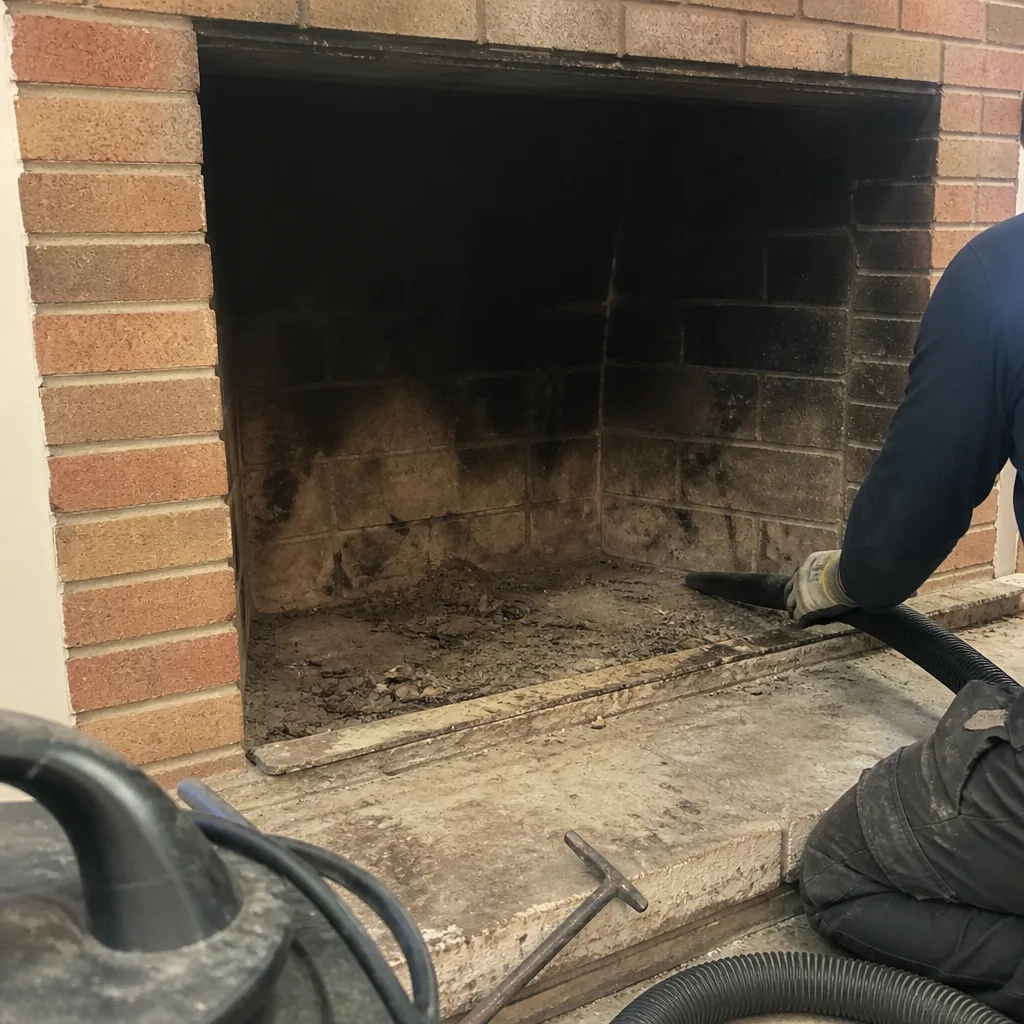 Before
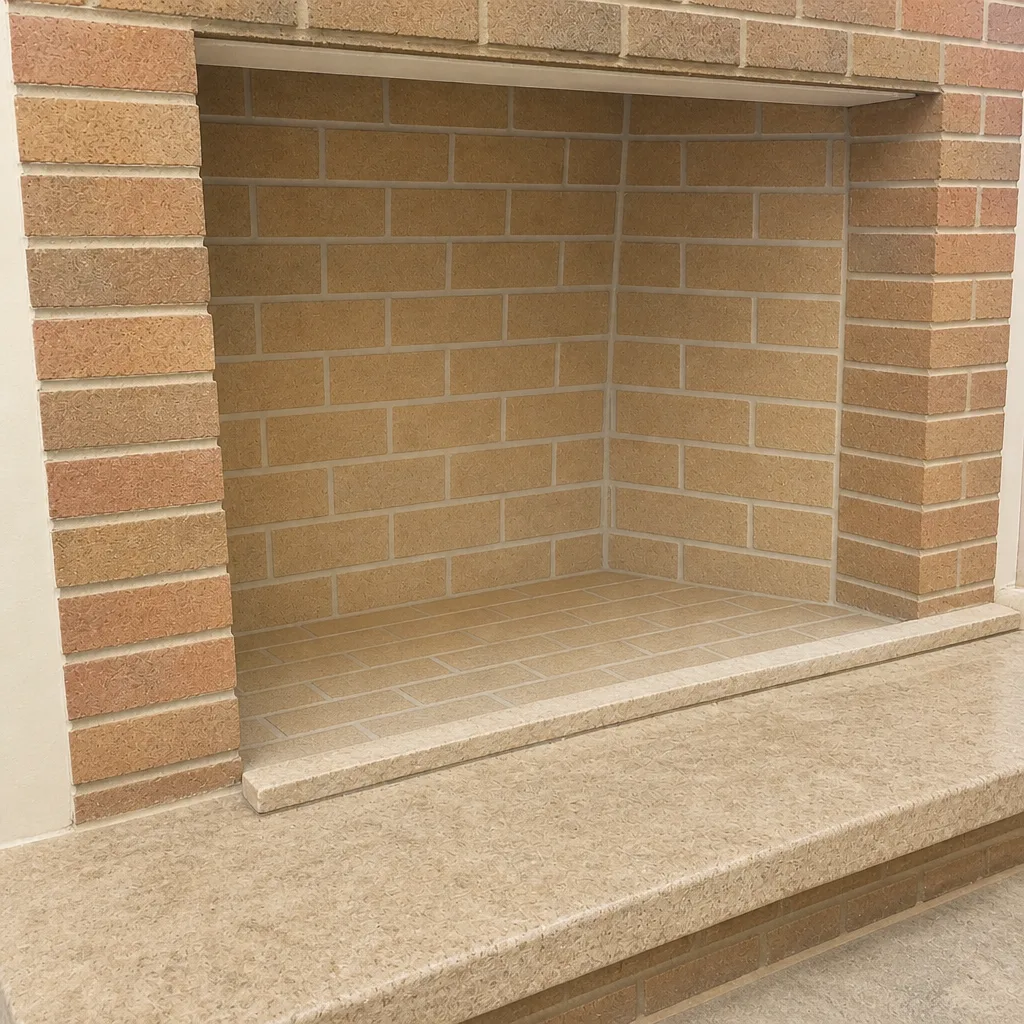 After
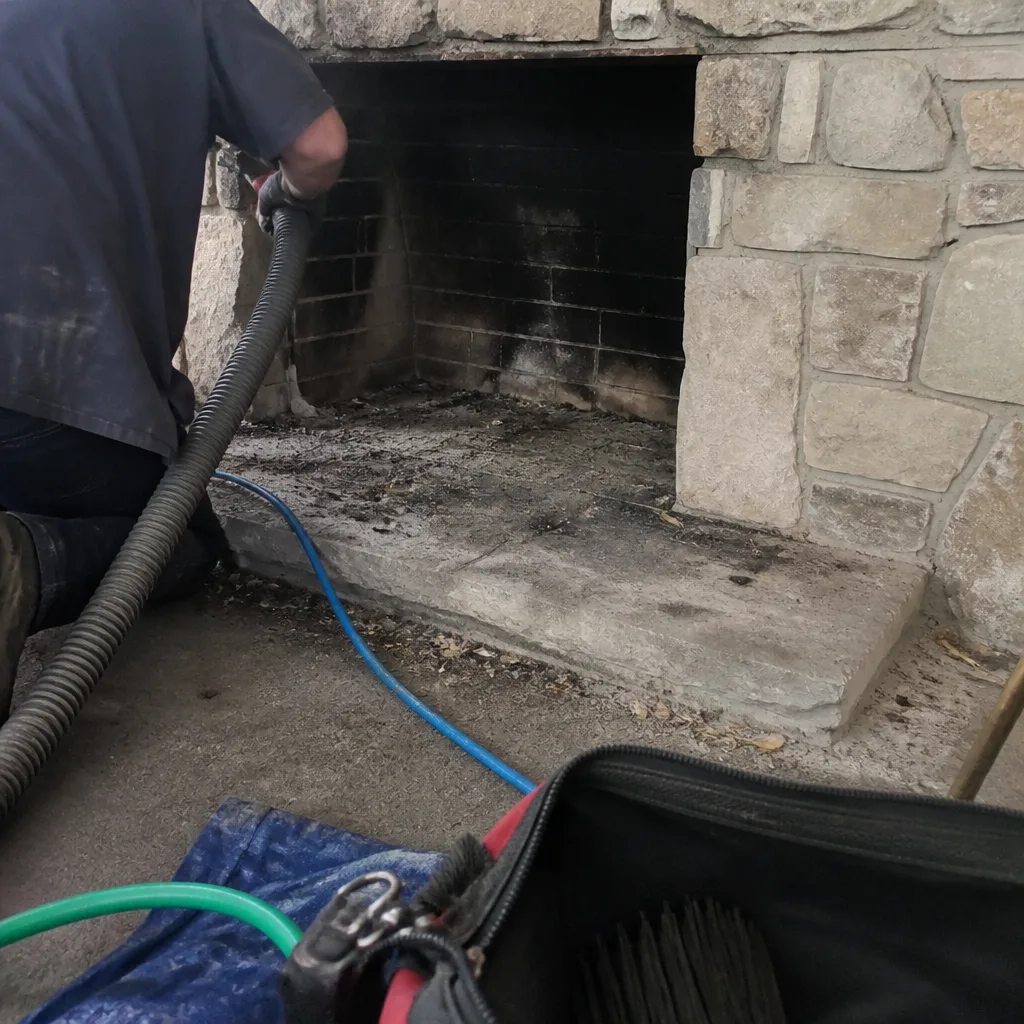 Before
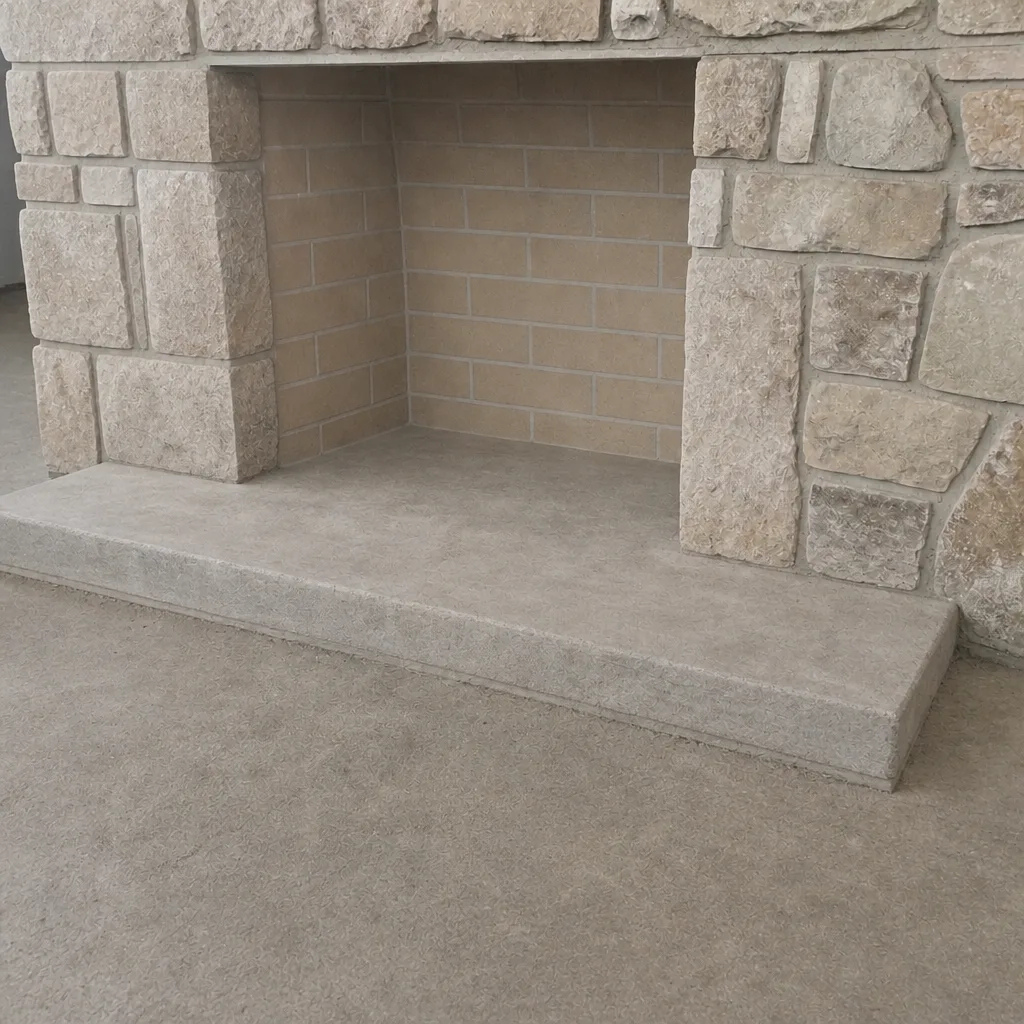 After
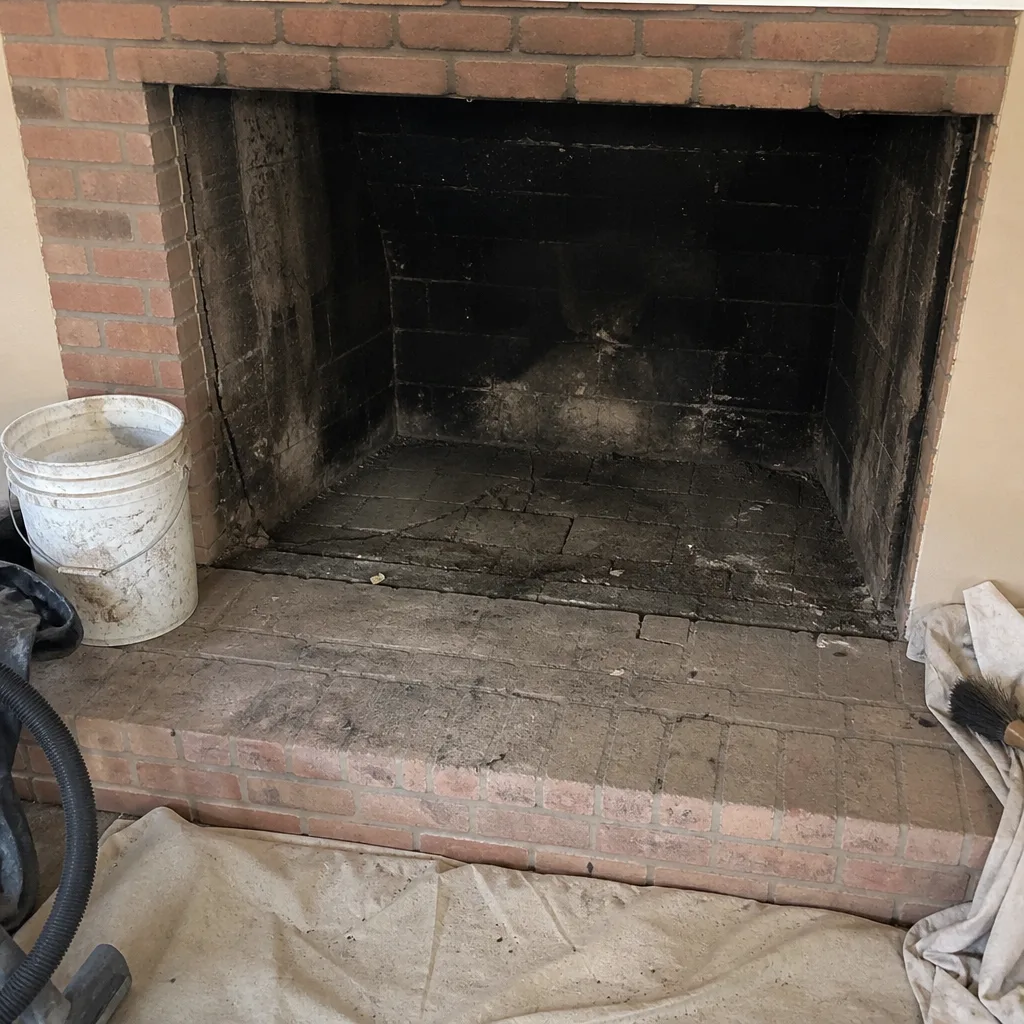 Before
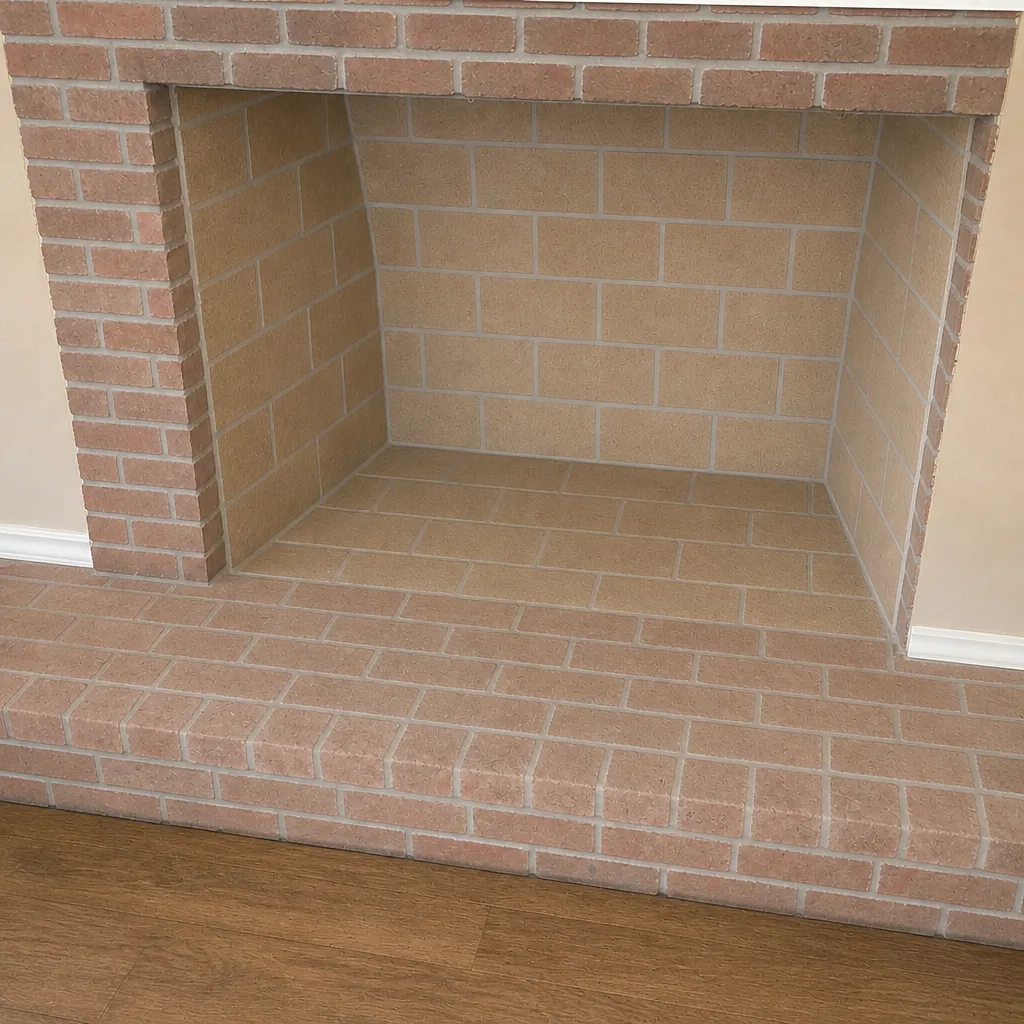 After
When to Call a Professional
Some chimney questions are safe to answer yourself with a flashlight and a look up the flue. Others aren’t. Call a professional when the work involves anything structural, when you’ve been told the flue needs relining or resurfacing, when a home you just bought has an unknown chimney history, when you smell smoke in the house or see staining on the masonry, or when you’re facing a permit question you can’t answer with confidence. The safety stakes are real: creosote at Stage 3 is a mandatory repair, not a recommendation, and carbon monoxide from a blocked or damaged flue is a genuine hazard. A trained professional should assess anything that touches the flue’s integrity. Tempe Chimney Sweep offers free estimates in Tempe. Call (866) 827-7102. We answer 24/7. Fast dispatch from 7am to 7pm, Sunday through Friday.
Frequently Asked Questions
No. Routine chimney sweeping and creosote removal do not require a permit in Tempe. The permit requirement attaches to structural repair work like relining or crown rebuilding, not to cleaning. Call (866) 827-7102 for an exact quote on a sweep or an inspection. Estimates are free.
Generally yes. A full or partial flue relining changes the venting system’s structure, which typically requires a permit under Tempe’s adopted codes. The final call belongs to the building department, so confirm the scope before work starts. A contractor who pulls the permit as standard practice is doing it right. Call (866) 827-7102 to talk through your scope. Estimates are free.
A city inspection verifies that permitted work meets the adopted code. An NFPA 211 inspection is an industry-standard condition assessment of your chimney and venting, done on your request regardless of any permit. A homeowner who just bought a home may need both, because the city inspection only covers work that was permitted. Call (866) 827-7102 to schedule an NFPA 211 assessment. Estimates are free.
It can. Most homeowner policies contain language around unpermitted work, and if a structural chimney repair required a permit and didn’t get one, an insurer may argue the loss falls outside coverage. The burden lands on the homeowner, not the contractor. Documentation like a permit record, inspection report, and written estimate is your defense. Call (866) 827-7102 for a documented assessment. Estimates are free.
Yes. Rule 310 governs residential wood burning across Maricopa County, including Tempe, and the county can issue no-burn restrictions on poor air quality days. Older uncertified fireplaces face more restrictions, so it’s worth knowing your device’s status before relying on it in winter. Sweeping and inspection are always allowed; burning is the regulated activity. Call (866) 827-7102 to schedule an inspection. Estimates are free.
You know by having a documented condition assessment done, which separates what’s safe, what needs repair now, and what can be monitored. Without that report, “it can wait” is a guess. With it, you have a written record you can act on and show an insurer. Call (866) 827-7102 for a documented assessment. Estimates are free.
The Bottom Line
Cleaning doesn’t need a permit in Tempe, but the repairs a cleaning uncovers often do, and that distinction is where the real risk sits. Tempe adopts the IRC and IMC as its technical backbone, Maricopa County’s Rule 310 shapes when you can burn, and an NFPA 211 inspection is not the same document as a municipal code inspection. A homeowner who just bought a home may need both. The insurance clause around unpermitted work is the reason to ask the permit question before the job starts, not after. Documentation is the thread through all of it: a written estimate, a permit record, a condition report. That’s what protects you, and it’s what a specialist who handles sweep, inspection, and repair in one relationship can actually deliver.
Written by the team at Tempe Chimney Sweep.
Ready to know exactly where your chimney stands? Call (866) 827-7102 for a free estimate. We answer 24/7. Fast dispatch from 7am to 7pm, Sunday through Friday.